Hip Pain Relief: Causes, Symptoms And Practical Ways To Support
Hip Pain Relief
Hip pain relief is one of the most common concerns for people experiencing joint discomfort, stiffness, or reduced mobility.
The hip joint carries much of the body’s weight during everyday activities such as walking, climbing stairs, and standing.
When irritation or inflammation develops, even simple movements can become uncomfortable.
Understanding how pain is produced can be helpful when exploring hip pain relief strategies.
Our guide on understanding pain mechanisms explains how pain signals travel through the nervous system.
Learning about the factors that contribute to hip discomfort can help people explore practical hip pain relief approaches and supportive lifestyle adjustments that improve mobility and reduce strain on the joint.
Why Hip Pain Can Develop
The hip joint is a strong ball-and-socket structure supported by muscles, tendons, cartilage, and ligaments. These tissues allow the hip to move smoothly while providing stability and strength.
However, several factors can contribute to irritation or inflammation around the joint.
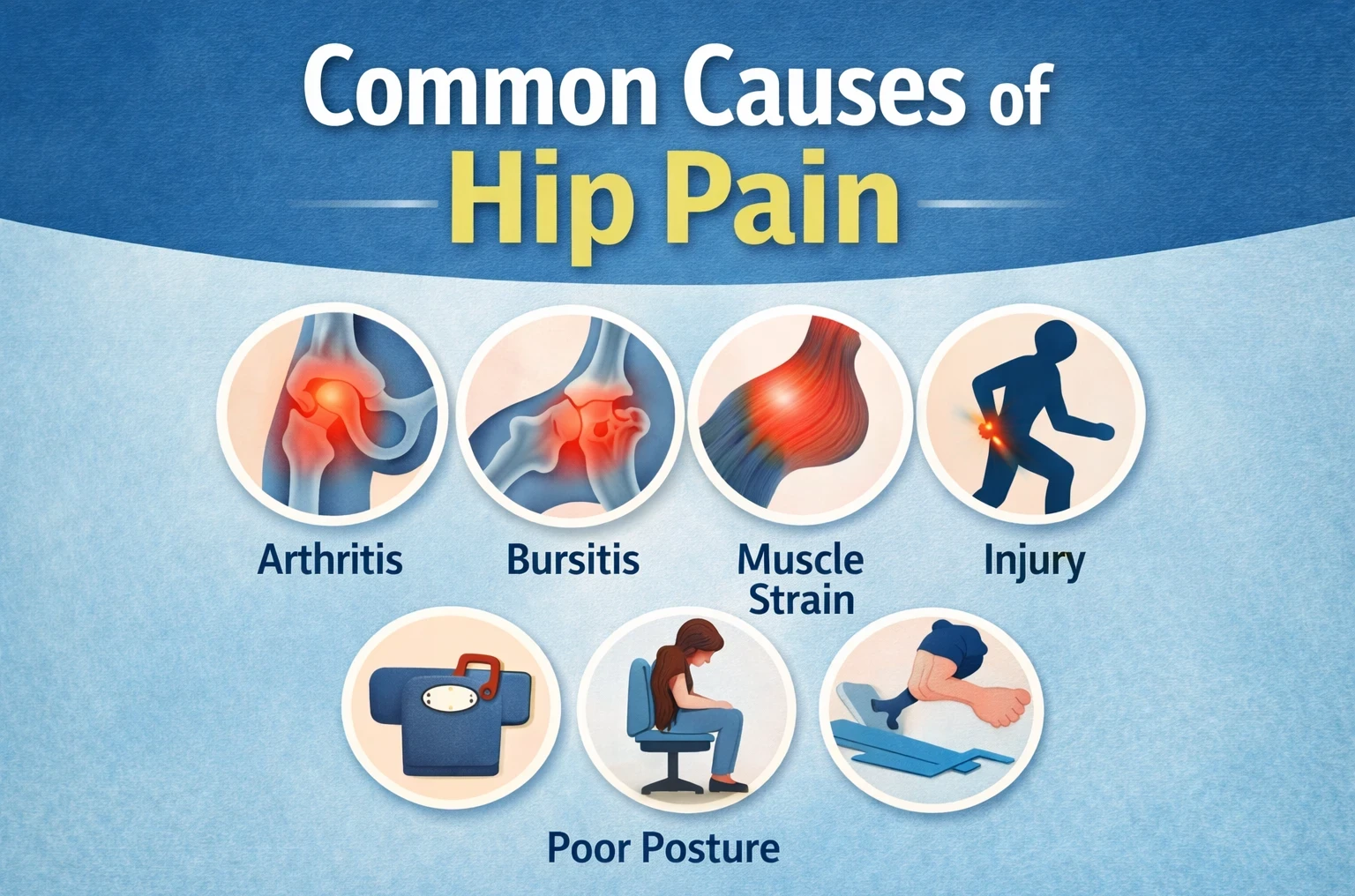
Common causes of hip pain include
• muscle strain or overuse
• arthritis affecting the joint
• bursitis around the hip joint
• reduced movement or prolonged sitting
• sports injuries
• posture or biomechanical issues
When these issues develop gradually, many people begin searching for hip pain relief as stiffness and discomfort starts interfering with everyday activities.
For a broader overview of symptoms and causes, see hip pain symptoms and causes and treatment options.
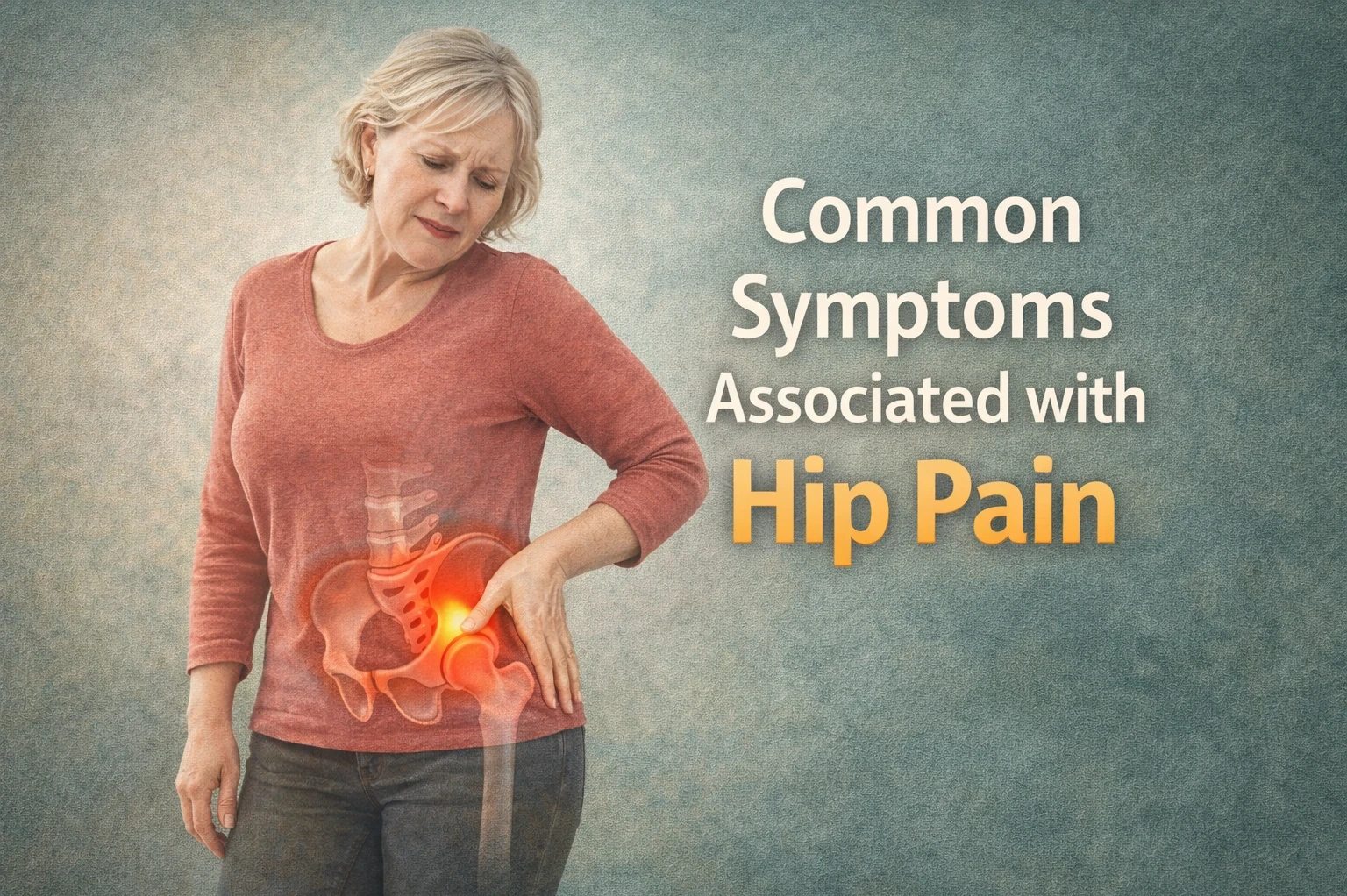
Common Symptoms Associated With Hip Pain
Symptoms can vary depending on the underlying cause, but several patterns appear frequently.
Typical symptoms include:
• aching in the outer hip or groin
• stiffness after sitting for long periods
• reduced range of movement
• discomfort when walking or climbing stairs
• pain spreading toward the thigh or lower back
Some people notice pain improves once the body begins moving, while others experience discomfort after prolonged activity.
Recognising these patterns can help identify when hip pain relief strategies may be useful.
Hip Bursitis: A Common Cause of Hip Pain
One of the most frequent causes of outer hip discomfort is hip bursitis, often referred to as trochanteric bursitis.
This condition occurs when the small fluid-filled sacs known as bursae become irritated or inflamed.
Bursae normally act as cushions between muscles, tendons, and the hip bone.
When inflammation develops, friction increases around the joint, which can trigger pain during everyday activities.
People with hip bursitis often notice:
• pain on the outer side of the hip
• tenderness around the bony part of the hip
• discomfort when lying on the affected side
• pain when climbing stairs or walking uphill
• stiffness after long periods of sitting
Because bursitis involves inflammation around the joint, many people begin searching for hip pain relief strategies that reduce irritation and improve mobility.
Gentle movement, gradual strengthening exercises, and avoiding repetitive strain are commonly recommended approaches.
Some individuals also explore nutritional approaches that support joint comfort and inflammatory balance.
Our article on best supplements for hip bursitis natural products that may help explains several natural options that may support recovery.
Addressing bursitis early can often help prevent symptoms from worsening and support more comfortable movement.
How Movement Supports Hip Pain Relief
Gentle movement is one of the most commonly recommended approaches for supporting hip pain relief.
When joints remain inactive, surrounding muscles can become tight and weak.
Low-impact activities are often beneficial for maintaining joint mobility.
Examples include:
• walking
• swimming
• cycling
• gentle stretching
• mobility exercises
Movement encourages circulation and supports muscle function around the joint.
If you are interested in how activity influences sensitivity, our guide on movement and pain sensitivity explains the relationship between gradual activity and the nervous system.
Strengthening Muscles Around the Hip
Strong muscles help support the hip joint and distribute mechanical stress more evenly during movement.
Weak muscles may place additional strain on the joint itself, which can contribute to discomfort.
Exercises that support hip pain relief often target:
• glute muscles
• hip flexors
• core muscles
• lower back stabilisers
Common exercises include glute bridges, side-lying leg raises, and controlled body-weight movements.
Strengthening these muscles can improve joint stability and support smoother movement patterns.
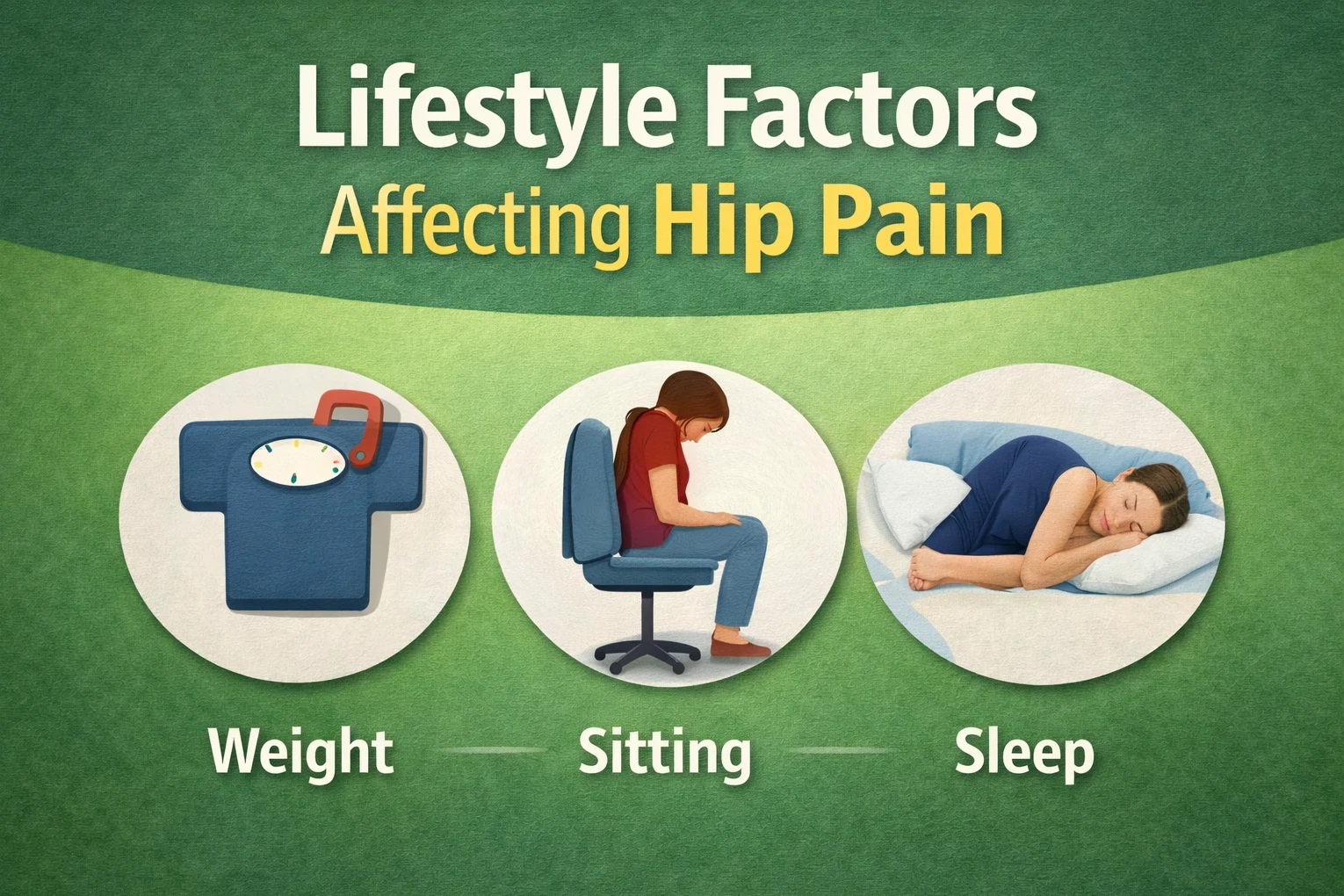
Lifestyle Factors That Influence Hip Pain
Several everyday habits can influence joint health and may affect long-term hip pain relief outcomes.
Sitting Posture
Prolonged sitting can tighten the hip flexor muscles. Standing up regularly and changing position may help reduce stiffness.
Body Weight
The hip joint supports much of the body’s weight during movement. Managing body weight may help reduce pressure on the joint.
Sleep Position
Some people experience increased hip discomfort at night. Using supportive pillows or adjusting sleep positions can sometimes help relieve pressure on the joint.
Lifestyle adjustments often work best when combined with movement and strengthening strategies.

Supportive Tools That May Help
Certain supportive tools may help people seeking hip pain relief, particularly when muscle tension or joint stress contributes to discomfort.
Examples include:
• ergonomic seat cushions
• supportive braces
• heat therapy pads
• foam rollers for muscle tension
These tools may help improve comfort during daily activities while underlying contributing factors are addressed.
The Brain’s Role in Hip Pain
Modern pain science shows that the brain and nervous system influence how pain signals are experienced.
In some situations, the nervous system may become more sensitive to movement or pressure.
Understanding this process can help people see why recovery often involves a combination of movement, gradual activity, and lifestyle adjustments.
Our article on brain and pain explores how the brain processes pain signals and why pain can sometimes persist even after tissues calm down.
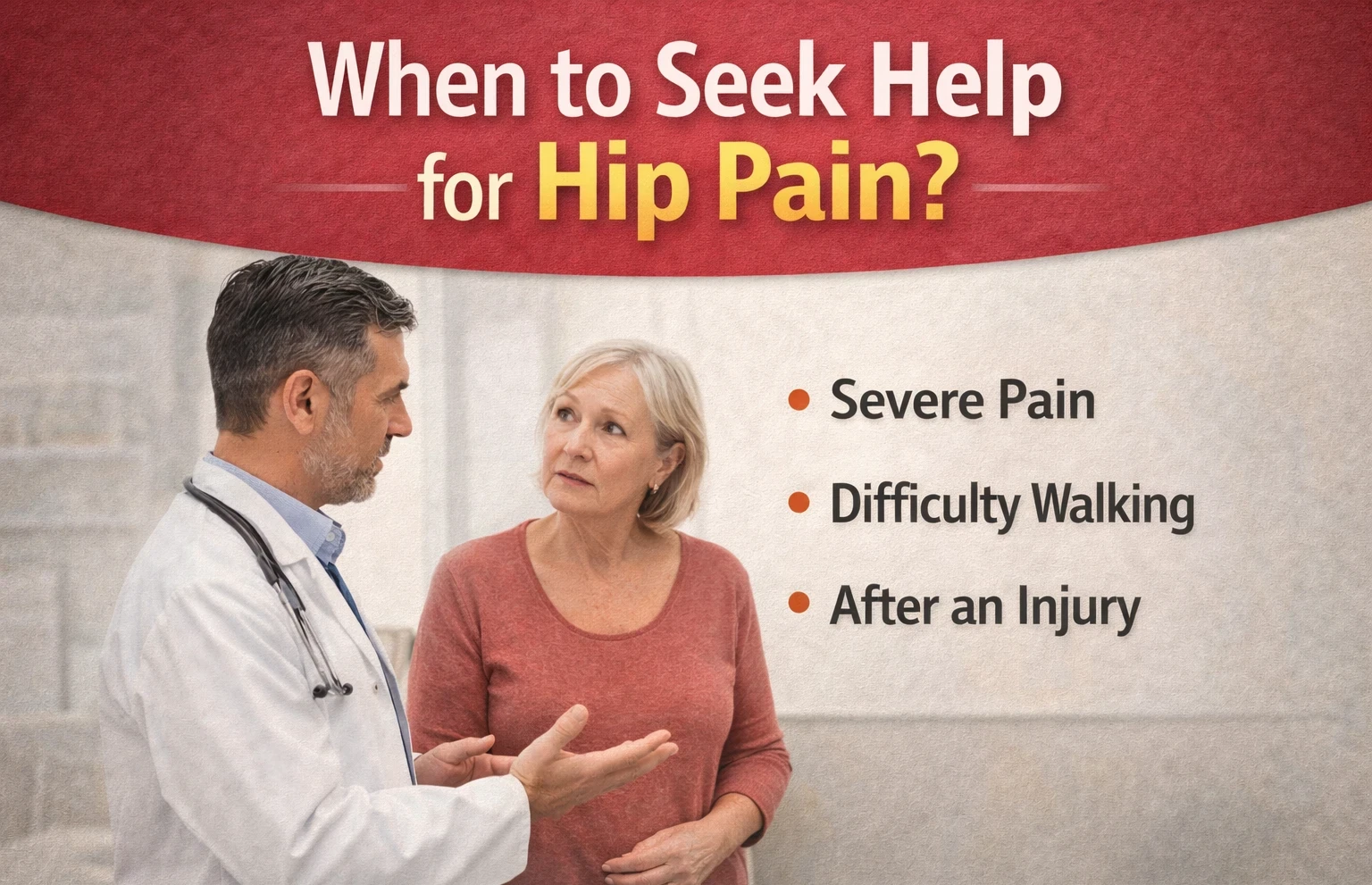
When to Seek Medical Advice
Although many cases of hip discomfort improve gradually, some symptoms should be evaluated by a healthcare professional.
Seek medical advice if you experience:
• severe or persistent hip pain
• sudden swelling or bruising
• difficulty walking or bearing weight
• pain after a fall or injury
Early evaluation can sometimes help identify underlying conditions and prevent symptoms from becoming longer-term problems.
Long-Term Hip Joint Health
Long-term hip pain relief usually involves a combination of strategies rather than one single solution.
Helpful habits include:
• regular physical activity
• strengthening muscles around the hip
• maintaining mobility and flexibility
• improving posture
• addressing lifestyle factors that influence joint health
When these approaches are applied consistently, many people notice gradual improvements in mobility and overall comfort.
Frequently Asked Questions
What is the most common cause of hip pain?
Common causes include arthritis, bursitis, muscle strain, and overuse injuries affecting the hip joint.
Can walking help hip pain?
Yes. Gentle walking can support circulation and mobility, which may assist with hip pain relief for many individuals.
What is hip bursitis?
Hip bursitis is inflammation of the small cushioning sacs around the hip joint, often causing pain on the outer side of the hip.
Can hip pain come from the lower back?
Yes. Nerve irritation or spinal issues in the lower back can sometimes cause pain that radiates toward the hip.
Scientific References
https://www.ncbi.nlm.nih.gov/books/NBK507858/
https://www.ncbi.nlm.nih.gov/pmc/articles/PMC4146908/