Alkaline Phosphatase Levels In Pregnancy What you need to know
Alkaline Phosphatase Levels in Pregnancy
Alkaline phosphatase levels in pregnancy naturally rise as the body adapts to support a growing baby.
Seeing this number increase on routine bloodwork can cause concern, especially if you’re comparing it to non-pregnant reference ranges.
However, in most cases, this elevation is completely normal.
Understanding why APL levels in pregnancy increase — and when they may need closer monitoring — helps reduce unnecessary worry.
What Is Alkaline Phosphatase?
Alkaline phosphatase (ALP) is an enzyme found mainly in the liver, bile ducts, bones, intestines, and placenta. It plays a role in bone formation, tissue growth, and nutrient transport.
If you’d like a deeper overview, see our guide to
alkaline phosphatase function in the body.
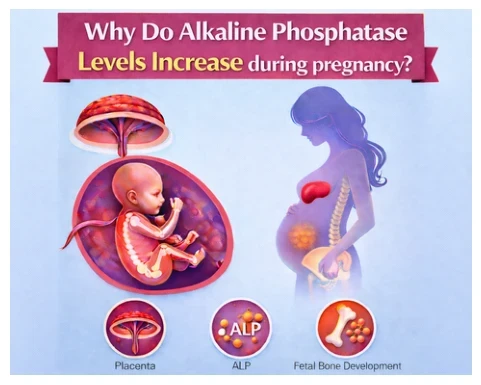
During pregnancy, the placenta becomes a significant source of this enzyme, which explains much of the rise in blood levels.
Why Do Alkaline Phosphatase Levels in Pregnancy Increase?
There are two primary reasons APL levels in pregnancy go up:
1. Placental Production
The placenta produces its own form of alkaline phosphatase. As it grows — especially in the third trimester — enzyme production increases.
2. Fetal Bone Development
ALP is essential for bone mineralisation. Because the baby’s skeleton develops rapidly, maternal enzyme levels reflect this heightened bone activity.
This means elevated alkaline phosphatase levels in pregnancy are often a sign of normal growth rather than disease.
What Is Considered Normal in Pregnancy?
In non-pregnant adults, ALP levels typically range between 30–120 IU/L (lab dependent). During pregnancy, values may:
Rise slightly in the first trimester
Increase more in the second trimester
Peak in the third trimester
Levels can reach two to three times the usual upper limit. Doctors interpret alkaline phosphatase levels in pregnancy based on gestational age and accompanying lab markers.
For more detail on general ALP reference ranges and causes of elevation, see
alkaline phosphatase blood test results: what they mean.
When Should You Be Concerned?
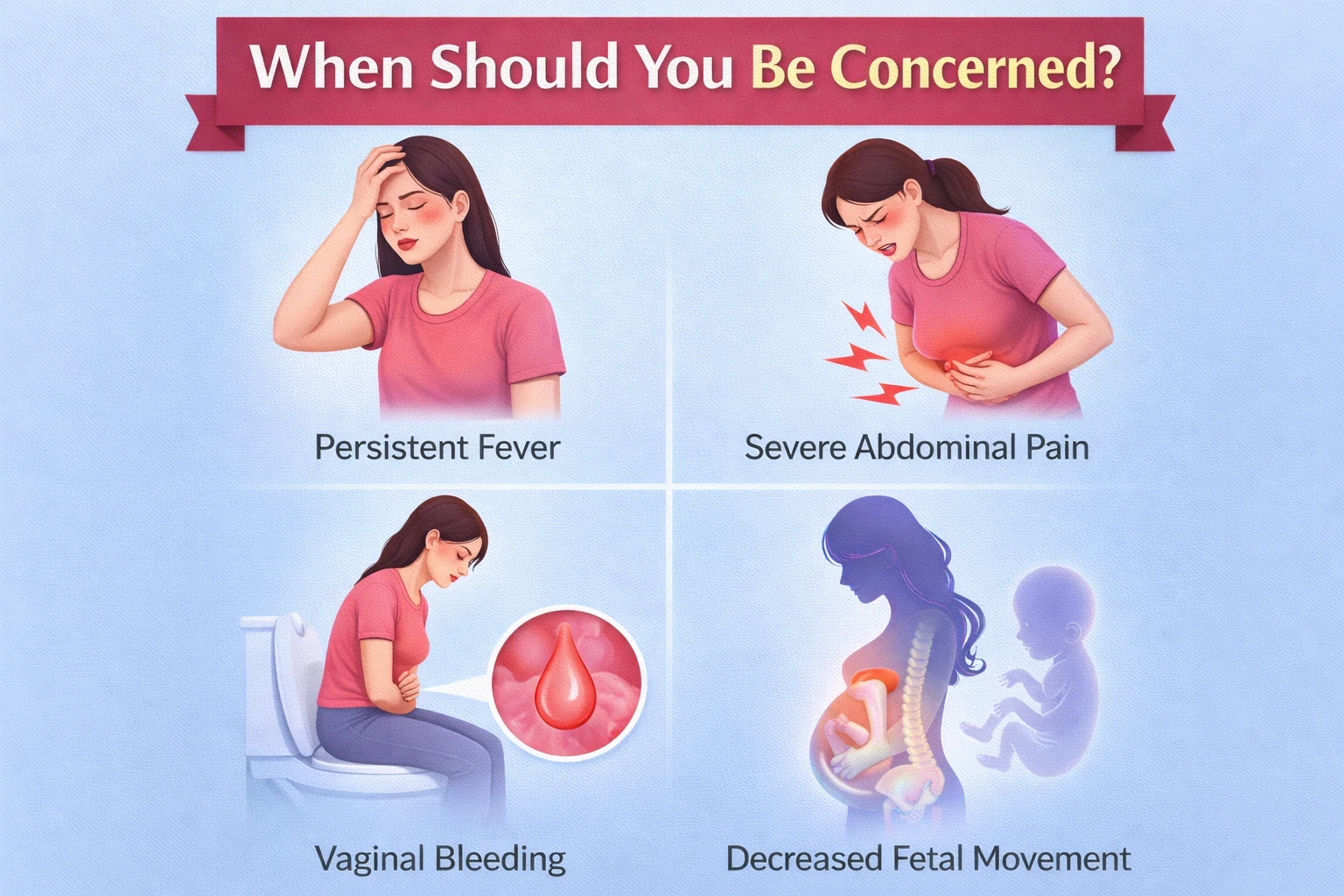
Although most rises are physiological, certain symptoms may require evaluation:
- Persistent itching (especially palms and soles)
- Yellowing of the eyes or skin
- Severe upper abdominal pain
- Dark urine or pale stools
Very high alkaline phosphatase levels in pregnancy combined with abnormal liver markers may suggest conditions such as intrahepatic cholestasis of pregnancy.
If you want a broader understanding of how enzyme patterns are interpreted, our page on
alkaline phosphatase enzymes and what they mean
explains how doctors assess the full picture.
How do doctors evaluate
When APL levels in pregnancy rise significantly above expected trimester ranges, clinicians may:
Review symptoms carefully
Check ALT, AST, bilirubin, and GGT
Measure bile acids
Order ultrasound imaging if needed
Importantly, ALP alone rarely tells the whole story. It must be interpreted alongside other markers.
If you’re new to this enzyme entirely, you may also find helpful background in
what is alkaline phosphatase?.
Nutrition and Bone Health in Pregnancy
Because alkaline phosphatase levels in pregnancy reflect bone and placental activity, nutrition plays a supportive role.
Key nutrients include:
Calcium
Vitamin D
Magnesium
Adequate protein
Pregnancy increases bone turnover. If dietary intake is insufficient, the body may draw from maternal stores.
Maintaining balanced nutrition supports both mother and baby during this high-demand phase.
Do High Levels Harm the Baby?
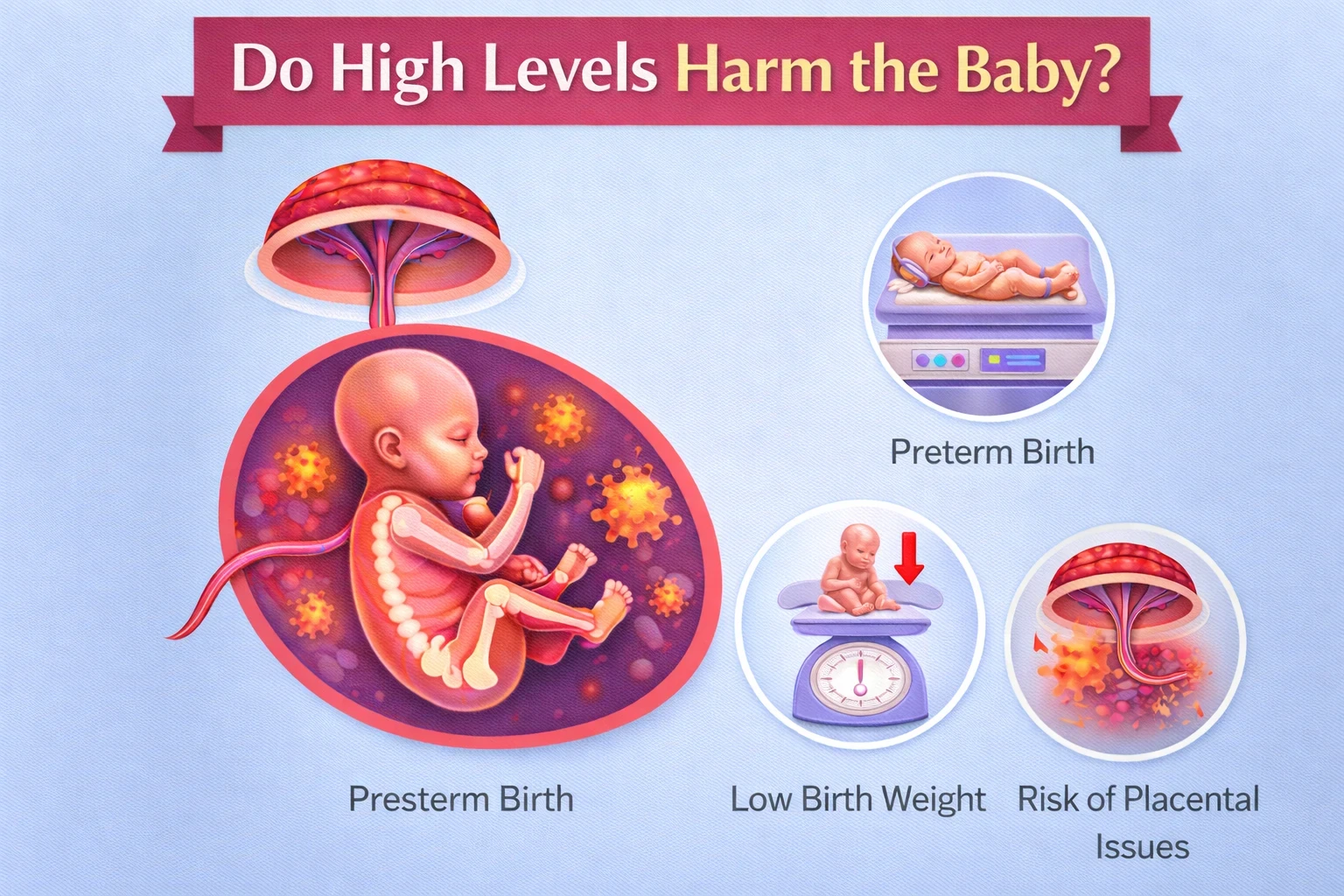
In the vast majority of cases, no.
Elevated alkaline phosphatase levels in pregnancy usually represent healthy placental development and fetal bone formation.
They are not harmful on their own.
Concern arises only when enzyme levels are accompanied by abnormal liver tests or clinical symptoms.
After Delivery
After childbirth, alkaline phosphatase levels in pregnancy gradually decline as placental production stops.
Levels typically return to pre-pregnancy ranges within several weeks.
If values remain high postpartum, follow-up testing may be recommended.
Balanced Perspective
Alkaline phosphatase levels in pregnancy are a classic example of a lab value that changes for normal physiological reasons.
The body is working intensely — forming new bone, supporting rapid tissue growth, and maintaining placental function.
A moderate rise is expected. Extremely high values with symptoms deserve medical review.
Otherwise, mild to moderate elevation late in pregnancy is usually temporary and part of the natural process.
Understanding this distinction helps you focus less on isolated numbers and more on overall maternal health.
Scientific Studies
https://pubmed.ncbi.nlm.nih.gov/18624631/
https://pubmed.ncbi.nlm.nih.gov/25017407/