Natural Remedies For Joint Pain Relief

Natural Remedies for Joint Pain Relief

Natural remedies for joint pain relief are increasingly explored by people looking to ease stiffness, reduce discomfort, and improve daily movement without relying solely on medication.

Joint pain can develop gradually with age, appear after injury, or persist long after tissues have healed, often affecting mobility, sleep, and overall quality of life.

Rather than masking symptoms, natural approaches aim to support joints, muscles, and the nervous system together, helping the body regain confidence in movement and function over time.

Natural remedies for joint pain relief image


Why Joint Pain Develops

Joint pain rarely has a single cause. It is commonly influenced by a combination of inflammation, reduced joint lubrication, muscle weakness or tension, previous injury, repetitive strain, and increased sensitivity within the nervous system.

When pain persists, protective behaviours such as avoiding movement can unintentionally increase stiffness and discomfort.

This is why natural remedies for joint pain relief tend to work best when multiple contributing factors are addressed together rather than focusing on one isolated issue.

Learn more about natural joint pain relief at Kerala Ayurvedic here.


Gentle Movement as a Foundation

Avoiding movement may feel protective when joints hurt, but prolonged rest often leads to increased stiffness and reduced tolerance to activity.

Gentle, regular movement helps by:

  • Improving circulation to joint tissues
  • Supporting cartilage nutrition
  • Maintaining joint range of motion
  • Reducing fear and guarding around movement

Low-impact activities such as walking, swimming, light mobility exercises, or chair-based movement are often well tolerated when introduced gradually.

This approach aligns closely with chronic pain treatment options, where pacing and consistency are prioritised over intensity.

Why joint pain develops image


The Role of the Nervous System

Joint pain is not only a structural issue. The nervous system plays a major role in how pain is perceived and maintained.

When pain has been present for a long time, the nervous system can become more reactive, amplifying pain signals even when joint damage is minimal. Supporting nervous system regulation can therefore be a key part of natural pain relief.

Helpful strategies include:

  • Slow, controlled breathing
  • Short, frequent movement sessions
  • Reducing stress and mental overload
  • Avoiding “all-or-nothing” activity patterns

This process is explored further in why nerve pain occurs, which explains how pain sensitivity can persist even after tissues have healed.


Heat, Cold, and Sensory Support

Simple sensory input can have a meaningful impact on pain perception.

Heat therapy may help relax tight muscles and ease stiffness, particularly in the morning.

Cold therapy can be useful after activity to calm irritation or swelling.

Some people prefer one method consistently, while others alternate depending on symptoms.

These approaches are commonly used as part of broader pain relief without medications strategies that focus on calming the system rather than suppressing pain signals.

Natural topical options for joint pain relief image

Learn more about natural joint pain relief at Keralya Ayurvedic here.


Natural Topical Options

Topical products are widely used because they act locally and avoid whole-body side effects.

Common natural topical options include:

  • Magnesium sprays or creams
  • Herbal or menthol-based gels
  • Gentle massage oils

While topical remedies do not repair joint structures, they may temporarily reduce muscle tension and discomfort, making movement and rest more comfortable.


Nutrition and Joint Comfort

Diet alone is unlikely to eliminate joint pain, but it can influence inflammation and tissue health over time.

Supportive nutrition habits often include:

  • Adequate protein intake to support tissue repair
  • Omega-3-rich foods
  • Limiting highly processed foods
  • Staying well hydrated

Nutritional strategies tend to be most effective when combined with movement and load management rather than used in isolation.


Load Management and Daily Joint Stress

Joint pain is strongly influenced by how much stress a joint experiences throughout the day.

Helpful adjustments may include:

  • Breaking long periods of standing or walking into shorter blocks
  • Wearing supportive footwear
  • Strengthening muscles around affected joints
  • Modifying activities during flare-ups

This load-management approach is a core part of the education found in comprehensive information on pain, where gradual adaptation is prioritised over avoidance.

What to expect realistically from natural joint pain relief image


What to Expect Realistically

Natural remedies for joint pain relief are not instant solutions.

Improvements are usually gradual and may fluctuate from day to day.

Many people notice reduced stiffness and improved movement confidence before pain levels change significantly.

Consistency, patience, and realistic expectations are key.

Learn more about natural joint pain relief at Kerala Ayurvedic here.


Final Thoughts

Natural remedies for joint pain relief work best when joints, muscles, and the nervous system are supported together.

Gentle movement, sensory comfort, pacing, and lifestyle adjustments can lead to meaningful improvements in daily comfort and function over time, without relying solely on medication.


Scientific Studies


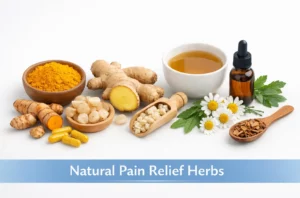
Natural Pain Relief Herbs

Natural Pain Relief Herbs

Natural pain relief herbs are often used as supportive options when you’re trying to calm everyday aches, stiffness, or flare-ups—especially when you also focus on movement, sleep, and stress regulation.

Before we get into specific herbs, one helpful baseline is understanding that pain is not always a direct “damage report.”

It’s a protective output shaped by the brain, nerves, context, and past experience. If you want a clear, calming explanation, read why pain exists even when nothing is wrong.

Natural Pain Relief Herbs image

A quick safety note (important)

Herbs can be powerful. They can also interact with medications and health conditions.

Be extra cautious (and check with a pharmacist/GP) if you:

  • Take blood thinners, diabetes meds, blood pressure meds, SSRIs/SNRIs, or anti-seizure meds
  • Are pregnant or breastfeeding
  • Have liver, kidney, or gallbladder issues
  • Have an upcoming surgery
  • Are managing autoimmune disease and take immunosuppressants

Also, “natural” doesn’t mean “risk-free.” Start low, track your response, and change only one thing at a time.

The whole systems approach makes herbs work better image

The “whole system” approach makes herbs work better

Natural pain relief herbs tend to help most when they’re part of a bigger plan—because pain sensitivity rises with poor sleep, stress load, and reduced movement.

If you’re building a strong base, these two pages are worth having in your toolkit:

Herbs don’t replace these foundations—but they can support them.

To find out more about natural pain relief products on HerbsPro go here.

10 natural pain relief herbs people commonly use (and what they may support)

1) Turmeric (Curcuma longa)

Turmeric is best known for curcumin, a compound studied for inflammation-related pain patterns (often discussed around joints and stiffness).

How people use it

  • With food daily (simple and gentle)
  • As standardized curcumin supplements (stronger, but more interaction risk)

Practical tip Curcumin supplements sometimes include absorption boosters.

Those can increase side effects or drug interactions for some people.

2) Ginger (Zingiber officinale)

Ginger is often used for soreness, stiffness, and general inflammatory “heaviness.”

Some people find it helps them feel looser and more comfortable after activity.

How people use it

  • Tea (fresh ginger slices)
  • Capsules (standardized extracts)
  • Added to meals

Watch-outs Ginger may not suit everyone if you’re prone to reflux, and it can interact with certain medications.

3) Boswellia (Boswellia serrata)

Boswellia is commonly used for joint discomfort and stiffness.

It’s often described as a “joint comfort” herb and is widely sold in standardized extracts.

How people use it

  • Daily capsules for several weeks
  • Often paired with turmeric in “joint formulas”

4) Willow bark (Salix species)

Willow bark is traditionally used for back pain and musculoskeletal flare-ups.

It contains salicin-like compounds (related, but not identical, to aspirin-type pathways).

Who should avoid it

  • Aspirin allergy
  • Stomach ulcer history
  • Blood thinners
  • Children/teens (same caution family as aspirin-related products)

To find out more about natural pain relief products on HerbsPro go here

10 commonly used pain relief herbs image

5) Devil’s claw (Harpagophytum procumbens)

Often used for back pain and joint stiffness. People usually trial it for a few weeks to see if it changes daily comfort.

6) Peppermint (Mentha piperita)

Peppermint is more about spasm, tension, and gut-related discomfort that can amplify pain.

For some people, calming digestion reduces “overall sensitivity.”

How people use it

  • Tea after meals
  • Topical blends (diluted properly)

7) Chamomile (Matricaria chamomilla)

Chamomile is less about “blocking pain” and more about supporting relaxation and sleep quality—two drivers of pain sensitivity.

If you’re trying to reduce reliance on meds overall, this page pairs well with the herb approach:

8) Lavender (Lavandula angustifolia)

Often used for sleep, anxiety, and stress downshifts. That matters because stress can turn the volume up on pain.

9) Cayenne / Capsaicin (Capsicum)

Capsaicin is more commonly used topically than as an herb you “take.”

It can be useful for certain localized pains, but it must be used carefully (it can burn).

10) Ashwagandha (Withania somnifera)

Not a “pain herb” in the direct sense, but sometimes used for stress and sleep support—two key pain amplifiers.

Caution Can interact with thyroid meds and sedatives; not ideal for everyone.

How to trial herbs in a way that’s actually useful

If you try five herbs at once, you won’t know what helped (or what caused side effects). A cleaner approach:

  1. Pick one goal (sleep support, joint stiffness, flare-up calming, etc.)
  2. Choose one herb that matches that goal
  3. Start low for 3–7 days
  4. Track 3 simple signals: pain intensity, stiffness, sleep quality (0–10 scale)
  5. Give it 2–4 weeks when it’s a daily-support herb (like turmeric/boswellia)
  6. Stop if you get concerning side effects (rash, swelling, breathing issues, dark urine, severe nausea, unusual bruising)

And if pain is nerve-driven (burning, tingling, electric shocks), you may also want an education-led approach to calm threat signals.

This article can help:

A quick safety note about herbs for pain relief image

What to expect (realistic outcomes)

Natural pain relief herbs rarely “erase” pain. More realistic wins look like:

  • A small decrease in daily pain intensity
  • Less stiffness on waking
  • Better tolerance to walking or gentle strengthening
  • Improved sleep (which often lowers pain sensitivity the next day)

Those improvements may sound modest, but they can compound—especially when you pair herbs with pacing, movement, and nervous system calming strategies.

To find out more about natural pain relief products on Amazon go here


Scientific Studies (external links)

https://pubmed.ncbi.nlm.nih.gov/27533649/
https://pubmed.ncbi.nlm.nih.gov/25300574/

Top Rated Hip Pain Relief Proven To Work

Top Rated Hip Pain Relief

Top rated hip pain relief comes in many forms.

Hip pain can significantly impact daily life — from walking and climbing stairs to simply sleeping comfortably.

Whether your pain is caused by osteoarthritis, bursitis, muscle strain, or age-related wear and tear, finding top rated hip pain relief solutions is essential.

In this guide, we cover science-backed methods, lifestyle tips, and supplements that may help you reduce hip pain naturally and regain mobility.

We also link to key deep-dive resources on Beyond Pain Relief to help you explore each topic further.

Top Rated hip pain relief image


Understanding Hip Pain: What’s Really Going On?

Hip pain isn’t just discomfort — it’s often a signal of underlying issues like inflammation, joint degeneration, reduced mobility, or poor biomechanics.

If you’re unsure what’s causing your pain, check out: 👉 https://beyond-pain-relief.com/how-pain-signals-are-generated/pain-causes-explained/

This resource explores how pain can become chronic when the nervous system becomes overly sensitive — a critical concept when managing musculoskeletal hip pain.


Lifestyle & Movement: Foundation of Lasting Relief

1. Movement & Load Management

Consistent, gentle movement is one of the most effective ways to reduce hip pain over time.

Movement helps lubricate the joint, strengthens supportive muscles, and improves balance.

Here’s where to start:

  • Short daily walks
  • Hip-focused stretching
  • Low-impact exercises like swimming or cycling

For a deeper look at movement’s role in pain relief: 👉 Movement, Load & Pain Sensitivity explains how gradual load adaptation eases pain.

2. Strength & Flexibility

Tight hip flexors, weak glutes, or imbalanced muscles can place extra stress on the hip joint.

Focus on:

  • Glute strengthening exercises
  • Hip external rotation stretches
  • Core stability work

These movements improve joint alignment and reduce compensatory pain patterns.

Top Supplements for Hip Pain Relief image


Top Supplements for Hip Pain Relief (with Evidence)

🌿 1. Rosehip Extract — A Natural Anti-Inflammatory

Rosehip supplements have gained attention for their ability to reduce joint pain and improve mobility.

Research suggests that rosehip’s bioactive compounds — especially polyphenols — can help reduce inflammation and oxidative stress in joints.

Customers often choose standardized rosehip powder or capsules for:

  • Morning stiffness
  • Reduced use of NSAIDs
  • Joint comfort over time

Tip: Look for high-quality, standardized rosehip extract to ensure consistent levels of active compounds.


🦴 2. Omega-3 Fatty Acids

Omega-3s, primarily from fish oil, are well-known for anti-inflammatory properties.

Benefits include:

  • Lower cytokine-mediated inflammation
  • Reduced joint tenderness
  • Enhanced mobility

Daily doses of EPA and DHA (commonly found in fish oil supplements) support a balanced inflammatory response — especially beneficial for hip pain linked to arthritis.


💊 3. Turmeric / Curcumin

Turmeric’s active compound, curcumin, blocks inflammatory pathways that contribute to joint discomfort.

For best results:

  • Choose curcumin with bioavailability enhancers (like black pepper extract)
  • Pair with healthy fats for absorption
  • Use consistently for several weeks

💪 4. Collagen & Hyaluronic Acid

Joint cartilage needs building blocks like collagen and hyaluronic acid to maintain integrity and cushion movement.

Supplementing with:

  • Type II collagen
  • Hyaluronic acid can support cartilage health and joint lubrication.

These are especially popular among people with osteoarthritis or age-related hip pain.

Supplements for Hip Pain image


Topical Options & Tools

While supplements work from the inside out, topical strategies provide local relief.

CBD Creams & Balms

  • Target area-specific pain
  • May reduce localized inflammation
  • Provide short-term comfort before/after movement

You can explore effective topical options here: 👉 CBD Products for Pain Relief

Heat & Cold Therapy

  • Ice during acute inflammation or post-exercise soreness
  • Heat to relax muscles and improve blood flow

Personalized Pain Management: What Works Best?

Everyone’s journey with hip pain is unique.

Some people respond best to targeted exercise, others to natural supplements, and many find a combination approach most effective.

Here’s a simple plan to test what works for you:

  1. Daily movement — 15–30 min walk or gentle stretching
  2. Supplement routine — Choose 2 from rosehip, omega-3, and curcumin
  3. Topical relief — Pre- or post-activity CBD balm or heat pack
  4. Track progress — Keep a pain journal to notice patterns

When to See a Professional

If hip pain:

  • Persists beyond 6–8 weeks
  • Limits your ability to walk or function
  • Causes sharp, sudden pain

…consider a professional assessment such as a physical therapist or medical evaluation.

For deeper education on pain mechanisms and recovery science, check: 👉 Chronic Pain Health Conditions & Management


Real Science Behind Hip Pain Relief

Here are two key studies supporting the strategies and supplements discussed:

🔗 1. Rosehip for Joint Pain

Scientific studies

https://pubmed.ncbi.nlm.nih.gov/22009159

🔗 2. Omega-3s and Inflammation

Scientific Studies

https://pubmed.ncbi.nlm.nih.gov/19943997

Bottom Line

If you’re searching for top rated hip pain relief, combining gentle movement, dietary supplements like rosehip extract, omega-3s, and curcumin, along with topical therapies, gives you a science-backed foundation for reducing discomfort and improving life quality.

Explore the links above to dive deeper into pain science, supplement guides, and daily routines that can make a real difference — without relying solely on painkillers.


Best Sciatica Pain Relief Products People Searching For The Best

Best Sciatica Pain Relief Products

People searching for the best sciatica pain relief products are usually trying to manage daily pain without relying long-term on medication.

Sciatica is rarely just a simple back issue. It is often influenced by nerve sensitivity, movement habits, stress levels, and sleep quality.
https://beyond-pain-relief.com/why-nerve-pain-occurs/

Sciatic pain commonly travels from the lower back or buttock down the leg and can feel sharp, burning, electric, or aching.

Products do not cure the underlying cause, but the right tools can reduce symptoms enough to improve sleep, movement, and quality of life.

Best Sciatica Pain Relief Products image

Why People Use Sciatica Pain Relief Products

Many people exploring sciatica pain relief options are looking to avoid long-term reliance on medication and instead use supportive, non-drug strategies.
https://beyond-pain-relief.com/pain-relief-without-medication/

Products are most helpful when they:

  • Calm irritated nerves
  • Reduce muscle guarding
  • Improve sitting and sleep tolerance
  • Support daily movement

TENS Units and Low-Frequency Therapy Devices

TENS units are among the most popular products for sciatica pain relief.

They work by sending low-level electrical signals through the skin to help calm irritated nerves and reduce pain signalling.
https://beyond-pain-relief.com/supporting-the-nervous-system/

Many people choose portable nerve-calming devices available on Carex when they want flexible, at-home symptom support.
👉 https://tidd.ly/4kUZLEE


Heat Therapy Products and Heated Back Wraps

Heat therapy remains one of the most widely used non-drug approaches for sciatica flare-ups.
https://beyond-pain-relief.com/non-pharmaceutical-pain-relief-methods/

Heated wraps and belts sold online are commonly used in the evening or during stiffness-related flare-ups to support comfort and mobility.
👉 https://tidd.ly/4kUZLEE


Massage Guns and Muscle-Focused Devices

Tight muscles around the hips, glutes, and lower back can increase sciatic nerve sensitivity.
https://beyond-pain-relief.com/movement-load-and-pain-sensitivity/

Some people use Carex-listed massage and muscle-relief toolsto gently target surrounding tension rather than the nerve itself.
👉 https://tidd.ly/4kUZLEE


Lumbar Support Pillows and Sitting Aids

Prolonged sitting is one of the most common triggers for sciatica symptoms.
https://beyond-pain-relief.com/ergonomic-office-chairs-for-back-pain-relief/

Lumbar support cushions can help reduce sustained pressure during desk work or long drives.


Back Braces and Support Belts

Back braces and lumbar support belts can provide short-term relief during flare-ups but should not replace long-term movement strategies.
https://beyond-pain-relief.com/how-to-manage-chronic-pain-without-medication/


Heat and Vibration Massage Mats

Whole-body heat and vibration mats are commonly used in the evening to promote relaxation. Poor sleep can significantly amplify pain sensitivity.
https://beyond-pain-relief.com/sleep-and-pain-sensitivity/


Choosing the Right Product for Your Sciatica

Products work best when matched to your main trigger and combined with education, gentle movement, and nervous system support.
https://beyond-pain-relief.com/comprehensive-information-on-pain/


Scientific Studies & External References

https://bmjopen.bmj.com/content/12/2/e051073
https://pmc.ncbi.nlm.nih.gov/articles/PMC8401625/
https://pmc.ncbi.nlm.nih.gov/articles/PMC10069390/
https://pmc.ncbi.nlm.nih.gov/articles/PMC3766244/
https://www.ncbi.nlm.nih.gov/pmc/articles/PMC5579396/


Affiliate disclosure

Some links in this articleare affiliate links. This means we may earn a small commission at no extra cost to you.


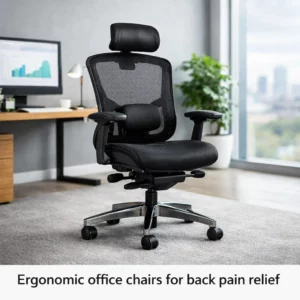
Ergonomic Office Chairs For Back Pain Relief

Ergonomic office chairs for back pain relief

Ergonomic office chairs for back pain relief are increasingly important in modern work environments where long hours of sitting have become the norm.

Back pain rarely develops from a single cause.

Instead, it is influenced by posture, sustained loading, stress, movement habits, and how the nervous system adapts over time.

An ergonomic chair cannot solve back pain on its own, but it can play a valuable supportive role when chosen and used correctly.

Learn more here.

Ergonomic office chairs for back pain relief image

Prolonged sitting

Prolonged sitting places continuous pressure on the spine, particularly the lower back.

When a chair does not support the natural curves of the spine, surrounding muscles must work harder to stabilise the body.

Over time, this can lead to fatigue, stiffness, and increased pain sensitivity.

Ergonomic office chairs for back pain relief are designed to reduce unnecessary strain by supporting posture while still allowing subtle movement.

One of the most important features of an ergonomic chair is adjustable lumbar support.

The lumbar spine naturally curves inward, and flattening this curve through poor seating increases disc and tissue stress.

Chairs that allow lumbar height and depth adjustment accommodate individual body shapes rather than forcing users into a fixed position.

This personalised support aligns with the broader education-based approach promoted throughout https://beyond-pain-relief.com, where one-size-fits-all solutions are discouraged.

Ergonomic office chairs for back pain relief at Amazon imagehttps://amzn.to/3LU9I8a

Seat height and seat depth

Seat height and seat depth also influence spinal comfort.

When feet cannot rest flat on the floor, or when the seat edge presses into the thighs, posture and circulation are compromised.

A properly adjusted ergonomic chair allows the hips to sit slightly higher than the knees, supporting a more neutral pelvic position.

This reduces excessive spinal flexion and can ease lower back strain during prolonged sitting.

Many people notice that ergonomic office chairs for back pain relief help reduce daily discomfort by supporting the spine more effectively during long periods of seated work.

Office person suffering from back pain in the office chair image

Backcrest

Backrest design plays a crucial role as well.

Chairs that allow controlled recline and dynamic movement help distribute load across different tissues instead of concentrating stress in one area.

Static sitting, even with “good posture,” can still aggravate pain if movement is restricted.

This principle reflects concepts discussed in chronic pain treatment options, where variability and gentle movement are encouraged rather than rigid positioning.

More on this approach can be found at https://beyond-pain-relief.com/chronic-pain-treatment-options/.

Armrests are often overlooked but significantly affect upper-body tension.

Poorly positioned armrests increase shoulder loading and promote slouching.

Adjustable armrests that support the forearms without lifting the shoulders help reduce neck and upper-back strain, which often contributes to or coexists with lower back discomfort.

Material choice

Material choice and cushioning also matter.

Very soft chairs may feel comfortable initially but allow excessive sinking, reducing spinal support over time.

Firmer, breathable materials maintain structure while improving comfort during longer work sessions.

Thermal comfort is another subtle factor, as discomfort can increase muscle tension and pain sensitivity.

It is important to emphasise that ergonomic office chairs for back pain relief work best when combined with regular movement.

No chair can counteract the effects of sitting without breaks.

Ergonomic office chairs work best with regular movement image

Standing,Stretching Walking

Standing, stretching, and gentle walking help restore circulation and reduce nervous system sensitivity.

Educational content on movement and pain sensitivity throughout https://beyond-pain-relief.com reinforces this principle.

Desk setup should also be considered. Monitor height, keyboard position, and desk height all influence how effectively a chair supports the body.

An ergonomic chair used at a poorly configured workstation will still place the spine at a disadvantage.

Viewing the chair as part of a complete workstation system leads to better long-term outcomes.

For people already experiencing persistent back pain, expectations should remain realistic.

An ergonomic chair can reduce aggravating factors but does not “fix” pain on its own.

Pain is influenced by sleep quality, stress, beliefs, and previous experiences.

This broader understanding is central to pain relief strategies beyond medication, explored further at https://beyond-pain-relief.com.

When choosing a chair, trialling different models is ideal.

Features such as adjustable lumbar support, seat depth, recline tension, and armrest positioning should be prioritised over appearance.

Individual comfort and fit are more important than brand reputation alone.

Supportive tools can also complement education and lifestyle changes.

A curated overview of helpful products, including seating supports and related tools, is available at https://beyond-pain-relief.com/products-related-to-chronic-pain-relief-that-are-available-on-these-trusted-websites/.

Summary

In summary, ergonomic office chairs for back pain relief are a valuable component of a supportive pain management strategy.

By reducing unnecessary strain, encouraging movement, and fitting the individual, they can make daily work more comfortable.

When combined with regular movement, education, and realistic expectations, ergonomic office chairs for back pain relief can play a meaningful supportive role in long-term comfort at work.


Scientific Studies

  1. Brewer, S., et al. (2006).
    Workplace interventions to prevent musculoskeletal disorders.
    Ergonomics, 49(2), 190–201.
    https://pubmed.ncbi.nlm.nih.gov/16484039/
  2. Lis, A. M., et al. (2007).
    Association between sitting and occupational low back pain.
    European Spine Journal, 16(2), 283–298.
    https://pubmed.ncbi.nlm.nih.gov/17036293/


Natural Remedies For Back Pain

Natural remedies for back pain

Natural remedies for back pain are often explored by people who want relief that supports the body rather than overriding it.

Back pain can affect work, sleep, confidence, and daily movement, and for many people it becomes a long-term companion rather than a short-term problem.

Understanding supportive, natural options can help you make calmer, more informed choices.

Back pain is rarely caused by a single issue. It is usually influenced by movement habits, muscle tension, stress levels, sleep quality, and how sensitive the nervous system has become over time.

This is why natural remedies for back pain tend to work best when they are combined, consistent, and realistic rather than quick fixes.

Natural remedies for back pain image

Gentle movement and mobility

One of the most reliable natural supports for back discomfort is gentle, regular movement. Prolonged rest can actually increase stiffness and sensitivity.

Walking, light stretching, and slow mobility exercises help keep tissues nourished and signal safety to the nervous system.

Many people benefit from learning about movement-based pain relief and how to reintroduce activity gradually.

You can explore this further through chronic pain treatment options at
https://beyond-pain-relief.com/chronic-pain-treatment-options/

Heat and cold therapy

Heat and cold therapy products can relax tight muscles, improve circulation, and help calm irritated tissues after flare-ups.

Heat is often more helpful for long-standing stiffness, whereas cold may be useful after sudden strain.

Used appropriately, these approaches are simple natural remedies for back pain that can reduce discomfort without medication.

Stress, tension, and the nervous system

Stress does not cause back pain, but it can amplify it. Ongoing tension keeps the nervous system on high alert, making pain signals stronger.

Breathing exercises, short relaxation practices, and gentle mindfulness can help calm this sensitivity.

Understanding the link between stress and pain is an important part of recovery.

Gentle regular movement image

Sleep and recovery

Poor sleep can significantly worsen back pain. During sleep, tissues repair and the nervous system resets.

Simple changes such as improving sleep posture, maintaining consistent bedtimes, and reducing screen exposure at night can support healing.

When sleep improves, many people find their pain becomes easier to manage.

This is why sleep support is commonly included in natural remedies for back pain plans.

Topical and physical supports

Some people find temporary comfort using topical options such as heat creams, magnesium sprays, or gentle massage oils. These approaches do not cure back pain, but they can reduce discomfort enough to allow movement and relaxation.

Supportive cushions or ergonomic seating may also reduce daily strain.

Nutrition and inflammation

Diet may influence pain sensitivity in some individuals. Eating whole foods, staying hydrated, and ensuring adequate protein intake can support muscle and tissue health.

While nutrition alone is not a solution, it can complement other natural remedies for back pain when used consistently.

Education and reassurance

Learning how pain works can reduce fear, and fear often intensifies pain. Education helps people move with confidence rather than avoidance.

For broader education-led strategies, explore pain relief without drugs at
https://beyond-pain-relief.com/pain-relief-without-drugs/

Combining approaches

The most effective natural remedies for back pain are rarely singular. Gentle movement, stress regulation, sleep improvement, and education work best together.

Small, consistent steps usually deliver better results than aggressive short-term solutions.

When to seek guidance

If back pain is worsening, spreading, or affecting bladder or bowel function, medical assessment is essential.

Natural approaches are supportive tools and should not replace professional evaluation when needed.


Scientific Studies

  1. Geneen LJ et al. (2017). Physical activity and exercise for chronic pain in adults: an overview of Cochrane Reviews. Cochrane Database of Systematic Reviews.
    https://www.cochranelibrary.com/cdsr/doi/10.1002/14651858.CD011279.pub3/full
  2. Hartvigsen J et al. (2018). What low back pain is and why we need to pay attention. The Lancet.
    https://www.thelancet.com/journals/lancet/article/PIIS0140-6736(18)30480-X/fulltext


Affordable Back Pain Relief Products That Support Everyday Comfort

Affordable Back Pain Relief Products

Affordable back pain relief products is something that you can explore in detail in this article

Back pain is one of the most common reasons people struggle with daily comfort, sleep quality, and mobility.

It can build slowly from long periods of sitting, repetitive movement, poor posture, or ongoing stress.

While persistent or severe pain should always be discussed with a healthcare professional.

Many people find meaningful day-to-day support by using affordable back pain relief products alongside sensible lifestyle habits.

This article explores practical, non-invasive options that focus on comfort, posture, and muscle relaxation rather than quick fixes.

These tools are widely accessible, easy to use, and suitable for people who want to support their back without overcomplicating their routine.

Affordable Back Pain Relief Products image

Why affordable tools are often enough

Back discomfort is rarely caused by one single issue. It usually reflects a combination of muscle tension, reduced movement, fatigue, and nervous system sensitivity.

Because of this, simple tools that gently reduce strain or encourage relaxation can make a noticeable difference.

Choosing affordable back pain relief products allows people to build a small toolkit they can actually use consistently.

Many of these helpful tools are available through this Carex link:

https://amzn.to/3NL5yjq

which makes it easier to compare sizes, features, and user feedback without pressure.

Support and posture-focused options

Postural strain plays a major role in back discomfort. Soft lumbar supports or adjustable back braces help encourage more neutral alignment during sitting or standing.

They are especially useful for desk work, commuting, or light physical tasks.

When used intermittently rather than constantly, they can reduce fatigue without weakening muscles.

Poor posture is also closely linked with broader pain sensitivity, something explored further in this guide on chronic pain treatment options:

https://beyond-pain-relief.com/chronic-pain-treatment-options/

Heat and cold therapy for muscle comfort

Heat therapy is commonly used to relax tight muscles and increase local circulation.

Heating pads or wrap-style heat belts can be used for short periods in the evening or before gentle stretching.

Cold therapy, on the other hand, is often preferred when discomfort feels sharp or inflamed, such as after physical exertion.

These approaches are widely recognised as supportive strategies rather than treatments, and they form the foundation of many affordable back pain relief products used at home.

Back pain image

Stretching and decompression tools

Back stretchers and gentle decompression aids are designed to counteract the compression that builds up from prolonged sitting.

Used carefully, they may help reduce stiffness and improve flexibility.

These tools work best when combined with slow breathing and relaxed positioning rather than forceful stretching.

Movement-based approaches like this align with the broader philosophy explained in Beyond Pain Relief’s comprehensive information on pain section:

https://beyond-pain-relief.com/category/comprehensive-information-on-pain/

Sleep-related supports

Sleep quality has a direct impact on how sensitive the body feels the following day.

Mattress toppers, ergonomic pillows, and supportive cushions can help maintain spinal alignment overnight. Improving the sleep environment is often one of the most overlooked yet effective uses of affordable back pain relief products, especially for morning stiffness.

Go to this website for quality assured pain relief products.

Manual tools for muscle tension

Handheld massage tools, gentle cupping sets, or scraping tools are sometimes used to release muscle tightness and improve circulation.

These tools are generally inexpensive and easy to use at home. They are most effective when used gently and consistently rather than aggressively.

Many people browse these options alongside other tools through curated listings such as

https://amzn.to/3NL5yjq

to see what feels appropriate for their comfort level.

A quiet note on supplements

Some people also choose to include back pain supplements as a background form of support.

These are not a replacement for physical strategies, but rather something used alongside movement, posture support, and rest.

They are typically viewed as long-term lifestyle support rather than immediate relief, and their effects can vary between individuals.

Using tools together sensibly

The most helpful routines tend to be simple:

  • Light posture support during long sitting
  • Heat or gentle massage in the evening
  • Cold therapy during short flare-ups
  • Comfortable sleep positioning overnight

This layered approach helps reduce reliance on any single method while keeping daily effort manageable.

It is also where affordable back pain relief products tend to fit best — as part of a routine, not a standalone solution.

A note on safety and expectations

These products are designed to support comfort, not diagnose or treat medical conditions.

If pain is worsening, persistent, or accompanied by neurological symptoms, professional assessment is essential.

The key to better health is to carefully listen to what your body is telling you.

Then make the necessary adjustments that will help.

When exploring options, many people find it useful to review a broad range of tools in one place, such as

https://amzn.to/3NL5yjq

before deciding what suits their needs and space.

Final thoughts

Living with back discomfort does not automatically require expensive equipment or extreme interventions.

With thoughtful use, affordable back pain relief products can help reduce strain, improve comfort, and support everyday movement.

When combined with gentle activity, posture awareness, and adequate rest, these tools often play a meaningful role in long-term back care.

CBD Products For Pain Relief

CBD Products for Pain Relief

CBD products for pain relief are becoming a popular option for people who want support without relying heavily on medication.

Many people living with ongoing pain feel stuck between discomfort and side effects. CBD is often explored as a gentler, supportive option rather than a cure.

Pain can affect sleep.
It can affect mood.
It can affect confidence and daily life.

CBD products for pain relief are usually chosen by people who want to support their body rather than suppress symptoms.

This matters. Pain is complex. It is influenced by the nervous system, stress, sleep, and past experiences.

CBD is not about numbing pain.
It is about calming sensitivity.

Go to the experts for quality assured CBD oil products for pain relief.

CBD Products for Pain Relief image


Go to the experts for quality assured CBD oil products for pain relief

What Is CBD?

CBD stands for cannabidiol.
It is a natural compound found in hemp plants.

CBD does not cause a high.
It does not impair thinking.
It does not act like THC.

Instead, CBD interacts with systems in the body involved in balance and regulation.

This includes systems related to pain, inflammation, stress, and sleep.

If you want a broader explanation of how pain works in the body, this page explains it clearly:
how pain signals are generated


How CBD Products for Pain Relief May Help

CBD products for pain relief are thought to work by influencing pain sensitivity rather than blocking pain completely.

Pain is not always damage.
Pain is often protection.

CBD may help by:

  • Supporting nervous system calm
  • Reducing pain amplification
  • Supporting better sleep quality
  • Helping the body recover from stress

Many people notice their pain feels less intense or less threatening.

This can change how they move, rest, and think about their body.

Movement confidence often improves when fear reduces.
This relationship is explained in more detail here:
movement, load, and pain sensitivity


Types of CBD Products for Pain Relief

CBD products for pain relief come in different forms. Each works slightly differently.

CBD Oils and Drops

These are taken under the tongue.
They act systemically.
They are often used for widespread pain or sleep issues.

CBD Topicals

CBD products encompass balms, creams and gels, all are directly applied to the skin.

They are often used for joints, muscles, or local discomfort.
Many people prefer these for targeted relief.

CBD Capsules

Capsules provide consistent dosing.
They are slower to act.
They are often chosen for daily routine support.

CBD products are not one-size-fits-all. Some people respond quickly. Others notice gradual changes over weeks.

For a wider look at supportive options, explore:
pain relief products and therapies


CBD and Chronic Pain Conditions

CBD products for pain relief are often explored by people with long-term pain conditions.

This includes back pain, joint pain, nerve pain, and fibromyalgia-type symptoms.

Chronic pain is not just physical.
It involves the brain and nervous system.

CBD may help reduce ongoing nervous system alertness. This matters because a calmer system often means lower pain sensitivity.

If you want to understand chronic pain more clearly, this page explains it simply:
chronic pain health conditions


CBD is not a standalone solution image

CBD Is Not a Standalone Solution

CBD products for pain relief work best when combined with other supportive strategies.

This often includes:

  • Gentle movement
  • Better sleep habits
  • Stress regulation
  • Education about pain

Understanding pain reduces fear.
Fear increases pain.

CBD can support this process, but it does not replace it. A broader lifestyle approach often works best.

This philosophy is explained here:
pain relief strategies beyond medication


Safety and Expectations

CBD products are generally well tolerated. However, quality matters.

Always:

  • Choose reputable brands
  • Start with low doses
  • Give it time

CBD is not instant for everyone. Many people notice subtle improvements rather than dramatic changes.

It is also important to remember that CBD is a support, not a medical treatment. Individual responses vary.

Go to the experts for quality assured CBD oil products for pain relief

For a balanced overview of non-drug options, visit:
pain relief without drugs


Final Thoughts

CBD products for pain relief are not about fixing the body.
They are about supporting it.

For many people, CBD becomes part of a wider pain understanding journey.

When fear reduces, movement improves. When sleep improves, pain often softens.

CBD works best when paired with knowledge, patience, and self-compassion.

Pain is real.
Support should be gentle.

Go to the experts for quality assured CBD oil products for pain relief


The best DMSO Gel for inflammation image

The Best DMSO Gel For Inflammation

The best DMSO Gel For Inflammation:

The best DMSO Gel For Inflammation is often searched for by people dealing with ongoing swelling, joint stiffness, or muscle discomfort who want supportive topical options beyond prescription medication.

Inflammation can be complex and long-lasting, and many people exploring natural or supportive approaches want to understand why inflammation persists before choosing products to manage it.

If you are new to this topic, it can be helpful to first understand the basics of pain and inflammation.

This guide on pain causes explained provides a clear overview of how inflammation develops and why it may linger: 👉 https://beyond-pain-relief.com/pain-causes-explained/

To find out what are the best DMSO Gel sellers on Amazon Marketplace go here.

The best DMSO Gel for inflammation

What Is DMSO Gel?

DMSO (Dimethyl Sulfoxide) is a sulfur-based compound originally derived from wood pulp.

What makes DMSO unique is its exceptional ability to penetrate the skin barrier, allowing it to reach deeper tissues more efficiently than many conventional topical creams.

There are many reasons to look for the best DMSO gel for inflammation.

Because of this penetration ability, DMSO has been studied as both a standalone compound and as a carrier that helps other substances move through the skin.

This characteristic is often discussed in relation to how pain signals are generated and amplified in the body, especially when inflammation becomes persistent: 👉 https://beyond-pain-relief.com/how-pain-signals-are-generated/

Why People Use DMSO Gel for Inflammation

Inflammation commonly shows up as swelling, stiffness, warmth, and reduced movement.

Many people turn to topical options like DMSO gel as part of a broader strategy to support comfort and function.

Users often explore DMSO gel because it may help with:

  • Local inflammatory discomfort
  • Joint or muscle stiffness
  • Areas affected by long-term pain sensitivity

For people living with persistent symptoms, understanding the difference between tissue damage and pain sensitivity can be important.

This page explains why pain can continue even when scans appear normal: 👉 https://beyond-pain-relief.com/why-pain-exists-even-when-nothing-is-wrong/

What to Look for in the Best DMSO Gel For Inflammation

When choosing a DMSO gel, it helps to keep a few key points in mind:

1. Concentration

DMSO gels range from low concentrations (around 15%) to very high purity (up to 99%). Higher concentrations may increase penetration but can also increase skin sensitivity.

2. Supporting Ingredients

Some gels include aloe vera or calming botanical ingredients. These can be useful for people with sensitive skin or those managing inflammation alongside irritation.

3. Application Style

Gels absorb quickly and feel lighter on the skin, while creams may feel more soothing for dry or sensitive areas.

These choices are often best made alongside broader pain relief strategies beyond medication, rather than relying on any single product: 👉 https://beyond-pain-relief.com/pain-relief-strategies-beyond-medication/

The best DMSO Gel for inflammation image

Popular Top-Selling DMSO Gels on Carex Marketplace

Many people exploring the best DMSO gel for inflammation choose to start with well-reviewed, top-selling products available on Catex. These typically include:

  • Mid-strength DMSO gels (50–70%) for balanced use
  • High-purity gels for experienced users
  • Lower-strength options for first-time or sensitive users

👉 View current top sellers here on Carex Marketplace.

These products are commonly used as part of a wider approach that may also include movement, sleep support, and lifestyle adjustments.

How to Use DMSO Gel Safely

Because DMSO penetrates the skin so effectively, careful use matters:

  • Apply only to clean, dry skin
  • Avoid mixing with other topical products
  • Do not apply to broken or irritated skin
  • Start with a small test area

People managing inflammation often benefit from combining topical approaches with gentle movement and load management, which can help calm the nervous system over time: 👉 https://beyond-pain-relief.com/movement-load-pain-sensitivity/

Important Safety Notes

DMSO is not approved as a general over-the-counter medication in many regions. Anyone who is pregnant, breastfeeding, or taking prescription medications should speak with a healthcare professional before use.

This article is educational only and does not replace medical advice.

What Does Science Say About DMSO and Inflammation?

Research into DMSO has produced mixed but informative results.

Study 1

A randomized clinical study published in Osteoarthritis and Cartilage examined a topical anti-inflammatory medication delivered using a DMSO carrier.

Participants experienced improved pain relief and joint function compared to placebo, highlighting DMSO’s role in enhancing topical absorption.

Study 2

A review in Inflammation Research explored DMSO’s biological activity and reported that it may influence inflammatory pathways by reducing oxidative stress and inflammatory mediators under controlled conditions.

Final Thoughts

Choosing the best DMSO Gel For Inflammation works best when it is part of a broader understanding of pain, inflammation, and nervous system sensitivity.

Many people find greater long-term benefit when topical products are combined with education, gentle movement, and lifestyle support.

If you want to explore well-reviewed options, you can view current Carex Health Products Marketplace best sellers here:

Affiliate disclosure 

Some pages may contain affiliate links. If you click an affiliate link and make a purchase, BeyondPainRelief.com may earn a small commission at no additional cost to you.
Affiliate partners may use cookies or tracking technologies governed by their own privacy policies.


The best DMSO Gel for inflammation image

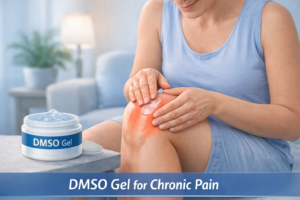
DMSO Gel for chronic pain image 2

DMSO Gel For Chronic Pain

DMSO Gel for Chronic Pain:

DMSO gel for chronic pain is is a science drive post to help with understanding chronic pain and your options.

Chronic pain affects millions worldwide, often leading sufferers to search for alternatives beyond traditional pharmaceuticals.

One compound gaining attention in the natural health community is DMSO gel, a topical formulation derived from dimethyl sulfoxide.

Originally used as an industrial solvent, DMSO has unique biological properties that make it a compelling option for people living with persistent pain.

But what exactly is DMSO gel, how does it work, and what does the science say about its effectiveness for chronic pain?

This post will break down the evidence and explain how this topical treatment may help you find relief.

To learn more about DMSO Gel and what is available to you go here to the Amazon marketplace.

DMSO gel for chronic pain image 1


What Is DMSO Gel?

DMSO (dimethyl sulfoxide) is a small organic molecule that can easily penetrate biological membranes.

In gel form, it’s applied topically to the skin, where it’s absorbed rapidly and can carry other compounds with it.

This “carrying” ability is one of the reasons DMSO is so interesting to researchers and clinicians: it may enhance the penetration of beneficial substances into target tissues.

Topical gels are often preferred over creams or liquids because they stay in place longer and allow for controlled absorption where you need it most.


How DMSO Gel May Help Chronic Pain

Here’s a breakdown of the potential mechanisms through which DMSO gel might relieve chronic pain:

1. Anti-Inflammatory Effects

Inflammation is a hallmark of many chronic pain conditions, including arthritis, tendonitis, and back pain.

Some studies suggest that DMSO may reduce inflammation by scavenging free radicals and moderating inflammatory pathways.

2. Enhanced Tissue Penetration

Because DMSO easily crosses cell membranes, it can help other analgesic ingredients penetrate deeper into the muscle and joint structures.

When paired with complementary compounds like pain-reducing herbs or NSAIDs, DMSO gel may improve delivery and effectiveness.

3. Local Analgesic Action

Many users report that DMSO has a soothing, cooling sensation upon application.

While subjective, this effect can help distract from pain and improve comfort, especially when applied to areas affected by chronic stiffness or soreness.

To learn more about DMSO Gel and what is available to you go here to the Amazon marketplace.


Real World Uses of DMSO Gel

People use DMSO gel for a variety of chronic conditions, including:

  • Osteoarthritis – particularly in knees, hips, and hands
  • Lower back pain – muscular and joint-related
  • Tendon and ligament pain – such as tennis elbow or Achilles tendinopathy
  • Fibromyalgia flare-ups – as a complementary topical option
  • Post-exercise soreness – to aid recovery

Individual results vary, but many users appreciate that topical DMSO gel can be applied directly to the painful area, without systemic side effects often seen with oral pain relievers.

DMSO Gel for chronic pain image 2


How to Use DMSO Gel Safely

When using DMSO gel, keep these tips in mind:

  1. Clean the skin thoroughly before application. Because DMSO enhances absorption, you don’t want contaminants or dirt entering the bloodstream.
  2. Apply a thin layer to the affected area once or twice daily, or as directed by a healthcare provider.
  3. Start with a patch test to ensure you don’t have an adverse reaction.
  4. Avoid mixing with other topical medications unless recommended by a professional.

Some formulations combine DMSO with complementary natural extracts.

For example, you might try a DMSO pain relief gel like this one on Amazon: Topical DMSO Gel with Soothing Support for targeted chronic discomfort.


What Does the Research Say?

While research on DMSO is still evolving, a few studies support its potential for chronic pain and inflammation:

🧪 Key Studies

  • Dimethyl sulfoxide (DMSO) has been investigated for its anti-inflammatory and analgesic properties, with some clinical evidence suggesting benefit in reducing pain and swelling in musculoskeletal disorders. (e.g., studies in Journal of Rheumatology)
  • DMSO was shown to facilitate the delivery of co-administered drugs through skin and tissues, which might improve therapeutic results when paired with other pain-relief agents. (Dermatology Research publications)
  • Topical DMSO may reduce markers of inflammation and oxidative stress in animal models, indicating potential pathways for human benefit. (Inflammation journal articles)

These studies don’t guarantee results for every individual, but they do provide a basis for continued exploration of DMSO gel in chronic pain management.


Conclusion: A Promising Tool for Chronic Pain

Chronic pain is complex and often requires a multi-modal approach to treatment. While DMSO gel is not a miracle cure, it represents a science-informed, natural, and user-directed option that many people find helpful when incorporated into a balanced pain care plan.

If you’re curious to experiment with a topical option, consider trying a quality DMSO gel formula like this one: DMSO Gel for Targeted Pain Support and see how your body responds.


References & Science-Backed Studies

  1. Journal of Rheumatology – Anti-inflammatory effects of dimethyl sulfoxide in musculoskeletal conditions.
  2. Dermatology Research – Transdermal drug delivery enhancement by DMSO.
  3. Inflammation Journal – Effects of DMSO on oxidative stress and inflammation in experimental models.
DMSO Gel for chronic pain image 2