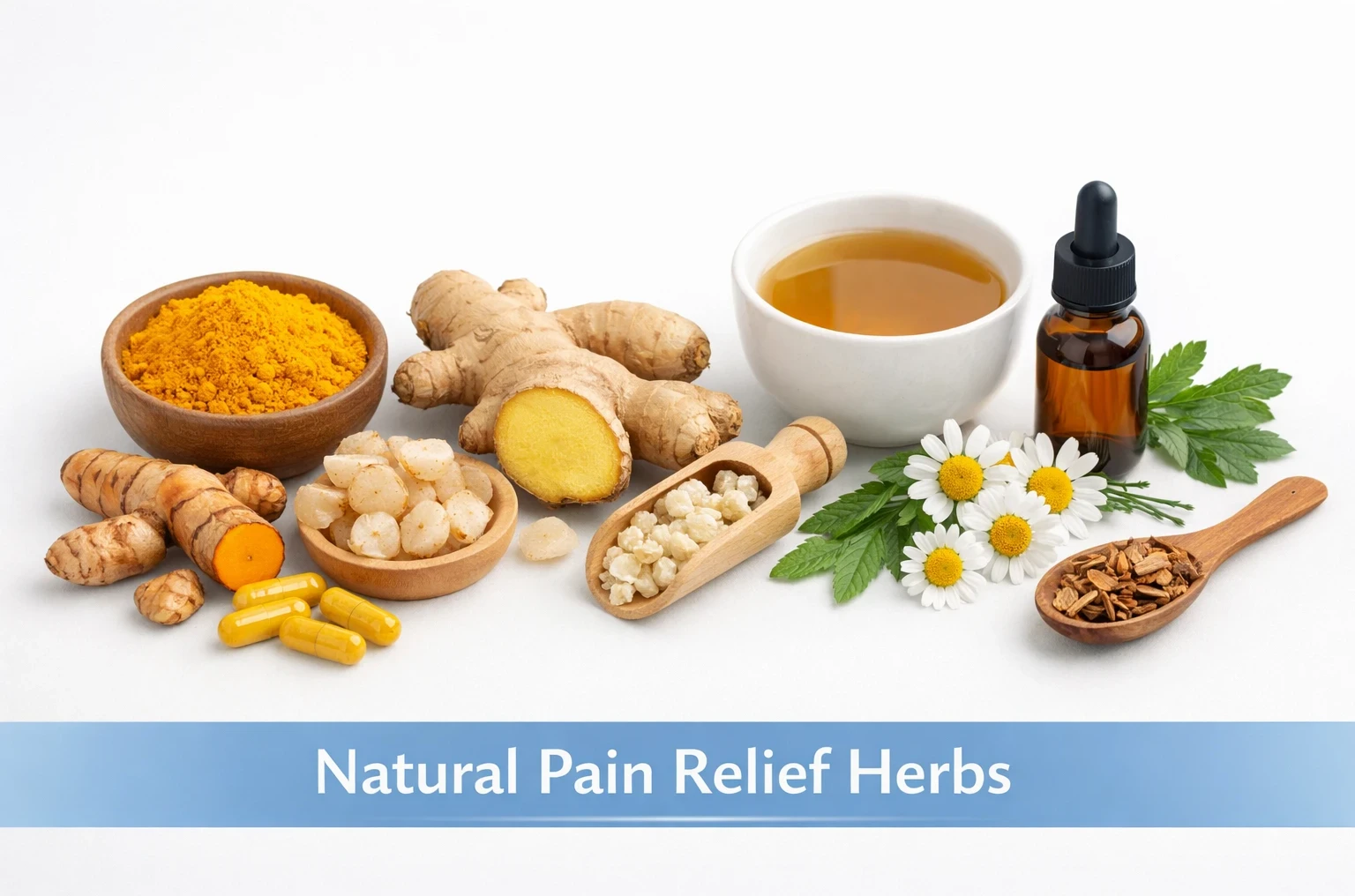
Natural Pain Relief Herbs
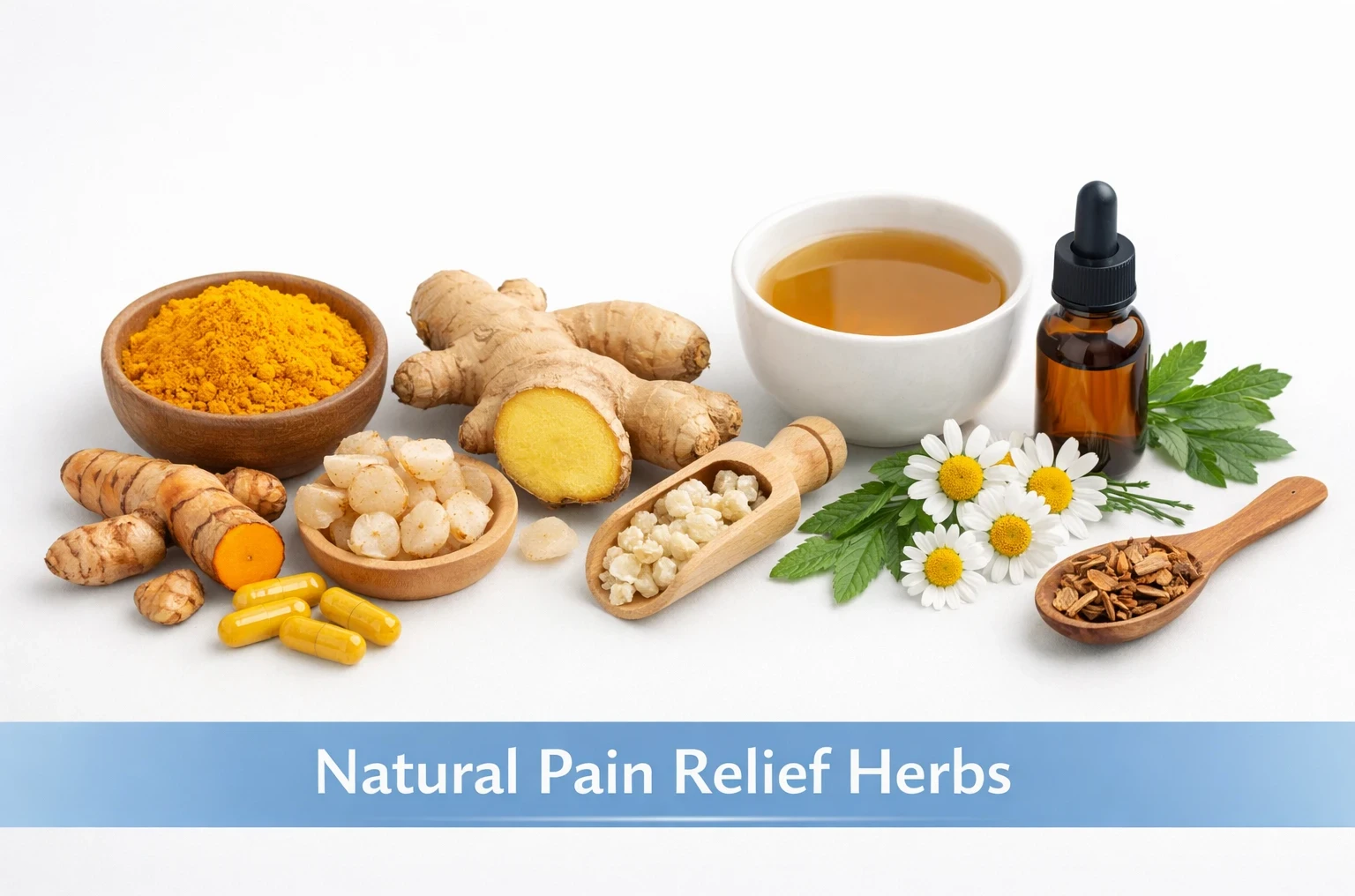
Natural Pain Relief Herbs
Natural pain relief herbs are often used as supportive options when you’re trying to calm everyday aches, stiffness, or flare-ups—especially when you also focus on movement, sleep, and stress regulation.
Before we get into specific herbs, one helpful baseline is understanding that pain is not always a direct “damage report.”
It’s a protective output shaped by the brain, nerves, context, and past experience. If you want a clear, calming explanation, read why pain exists even when nothing is wrong.
A quick safety note (important)
Herbs can be powerful. They can also interact with medications and health conditions.
Be extra cautious (and check with a pharmacist/GP) if you:
- Take blood thinners, diabetes meds, blood pressure meds, SSRIs/SNRIs, or anti-seizure meds
- Are pregnant or breastfeeding
- Have liver, kidney, or gallbladder issues
- Have an upcoming surgery
- Are managing autoimmune disease and take immunosuppressants
Also, “natural” doesn’t mean “risk-free.” Start low, track your response, and change only one thing at a time.

The “whole system” approach makes herbs work better
Natural pain relief herbs tend to help most when they’re part of a bigger plan—because pain sensitivity rises with poor sleep, stress load, and reduced movement.
If you’re building a strong base, these two pages are worth having in your toolkit:
- chronic pain treatment options (sleep, pacing, nervous system support)
- movement, load, and pain sensitivity (why gentle movement reduces sensitivity over time)
Herbs don’t replace these foundations—but they can support them.
To find out more about natural pain relief products on HerbsPro go here.
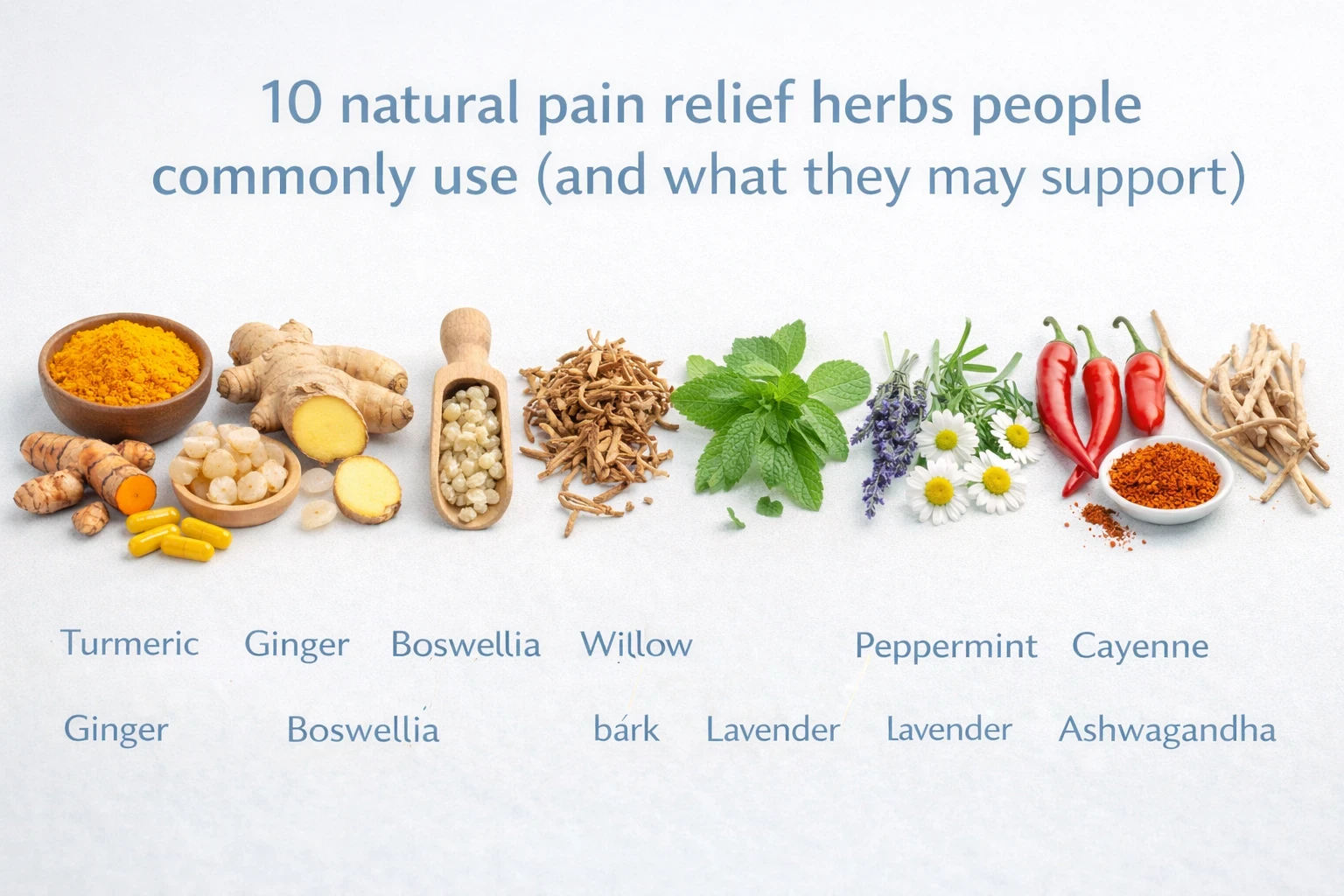
10 natural pain relief herbs people commonly use (and what they may support)
1) Turmeric (Curcuma longa)
Turmeric is best known for curcumin, a compound studied for inflammation-related pain patterns (often discussed around joints and stiffness).
How people use it
- With food daily (simple and gentle)
- As standardized curcumin supplements (stronger, but more interaction risk)
Practical tip Curcumin supplements sometimes include absorption boosters.
Those can increase side effects or drug interactions for some people.
2) Ginger (Zingiber officinale)
Ginger is often used for soreness, stiffness, and general inflammatory “heaviness.”
Some people find it helps them feel looser and more comfortable after activity.
How people use it
- Tea (fresh ginger slices)
- Capsules (standardized extracts)
- Added to meals
Watch-outs Ginger may not suit everyone if you’re prone to reflux, and it can interact with certain medications.
3) Boswellia (Boswellia serrata)
Boswellia is commonly used for joint discomfort and stiffness.
It’s often described as a “joint comfort” herb and is widely sold in standardized extracts.
How people use it
- Daily capsules for several weeks
- Often paired with turmeric in “joint formulas”
4) Willow bark (Salix species)
Willow bark is traditionally used for back pain and musculoskeletal flare-ups.
It contains salicin-like compounds (related, but not identical, to aspirin-type pathways).
Who should avoid it
- Aspirin allergy
- Stomach ulcer history
- Blood thinners
- Children/teens (same caution family as aspirin-related products)
To find out more about natural pain relief products on HerbsPro go here
5) Devil’s claw (Harpagophytum procumbens)
Often used for back pain and joint stiffness. People usually trial it for a few weeks to see if it changes daily comfort.
6) Peppermint (Mentha piperita)
Peppermint is more about spasm, tension, and gut-related discomfort that can amplify pain.
For some people, calming digestion reduces “overall sensitivity.”
How people use it
- Tea after meals
- Topical blends (diluted properly)
7) Chamomile (Matricaria chamomilla)
Chamomile is less about “blocking pain” and more about supporting relaxation and sleep quality—two drivers of pain sensitivity.
If you’re trying to reduce reliance on meds overall, this page pairs well with the herb approach:
8) Lavender (Lavandula angustifolia)
Often used for sleep, anxiety, and stress downshifts. That matters because stress can turn the volume up on pain.
9) Cayenne / Capsaicin (Capsicum)
Capsaicin is more commonly used topically than as an herb you “take.”
It can be useful for certain localized pains, but it must be used carefully (it can burn).
10) Ashwagandha (Withania somnifera)
Not a “pain herb” in the direct sense, but sometimes used for stress and sleep support—two key pain amplifiers.
Caution Can interact with thyroid meds and sedatives; not ideal for everyone.
How to trial herbs in a way that’s actually useful
If you try five herbs at once, you won’t know what helped (or what caused side effects). A cleaner approach:
- Pick one goal (sleep support, joint stiffness, flare-up calming, etc.)
- Choose one herb that matches that goal
- Start low for 3–7 days
- Track 3 simple signals: pain intensity, stiffness, sleep quality (0–10 scale)
- Give it 2–4 weeks when it’s a daily-support herb (like turmeric/boswellia)
- Stop if you get concerning side effects (rash, swelling, breathing issues, dark urine, severe nausea, unusual bruising)
And if pain is nerve-driven (burning, tingling, electric shocks), you may also want an education-led approach to calm threat signals.
This article can help:

What to expect (realistic outcomes)
Natural pain relief herbs rarely “erase” pain. More realistic wins look like:
- A small decrease in daily pain intensity
- Less stiffness on waking
- Better tolerance to walking or gentle strengthening
- Improved sleep (which often lowers pain sensitivity the next day)
Those improvements may sound modest, but they can compound—especially when you pair herbs with pacing, movement, and nervous system calming strategies.
To find out more about natural pain relief products on Amazon go here
Scientific Studies (external links)
https://pubmed.ncbi.nlm.nih.gov/27533649/
https://pubmed.ncbi.nlm.nih.gov/25300574/