Best Sleeping Positions For Back Pain Back Pain These Can Help
Best Sleeping Positions for Back Pain
Best sleeping positions for back pain are simple but effrctive.
Back pain can make getting a good night’s sleep difficult. However, best sleeping positions for back pain can reduce strain on the spine, relax surrounding muscles, and improve overnight recovery.
Because the body repairs tissues during sleep, choosing a supportive position may help decrease stiffness and morning discomfort. Many people focus on medication or treatments during the day, yet the way the body rests at night plays an equally important role in long-term back health.
Small adjustments to sleep posture, pillow placement, and mattress support may significantly reduce pressure on sensitive areas of the back.

What Happens to the Spine During Sleep
The spine naturally has three gentle curves in the neck, mid-back, and lower back.
Ideally, sleep posture should maintain these curves while minimizing unnecessary pressure on discs and joints.
When the spine is twisted, flattened, or overextended for hours during sleep, surrounding muscles may tighten to protect the area.
This protective response often contributes to stiffness and pain the following morning.
Understanding best sleeping positions for back pain therefore starts with keeping the spine aligned and supported throughout the night.
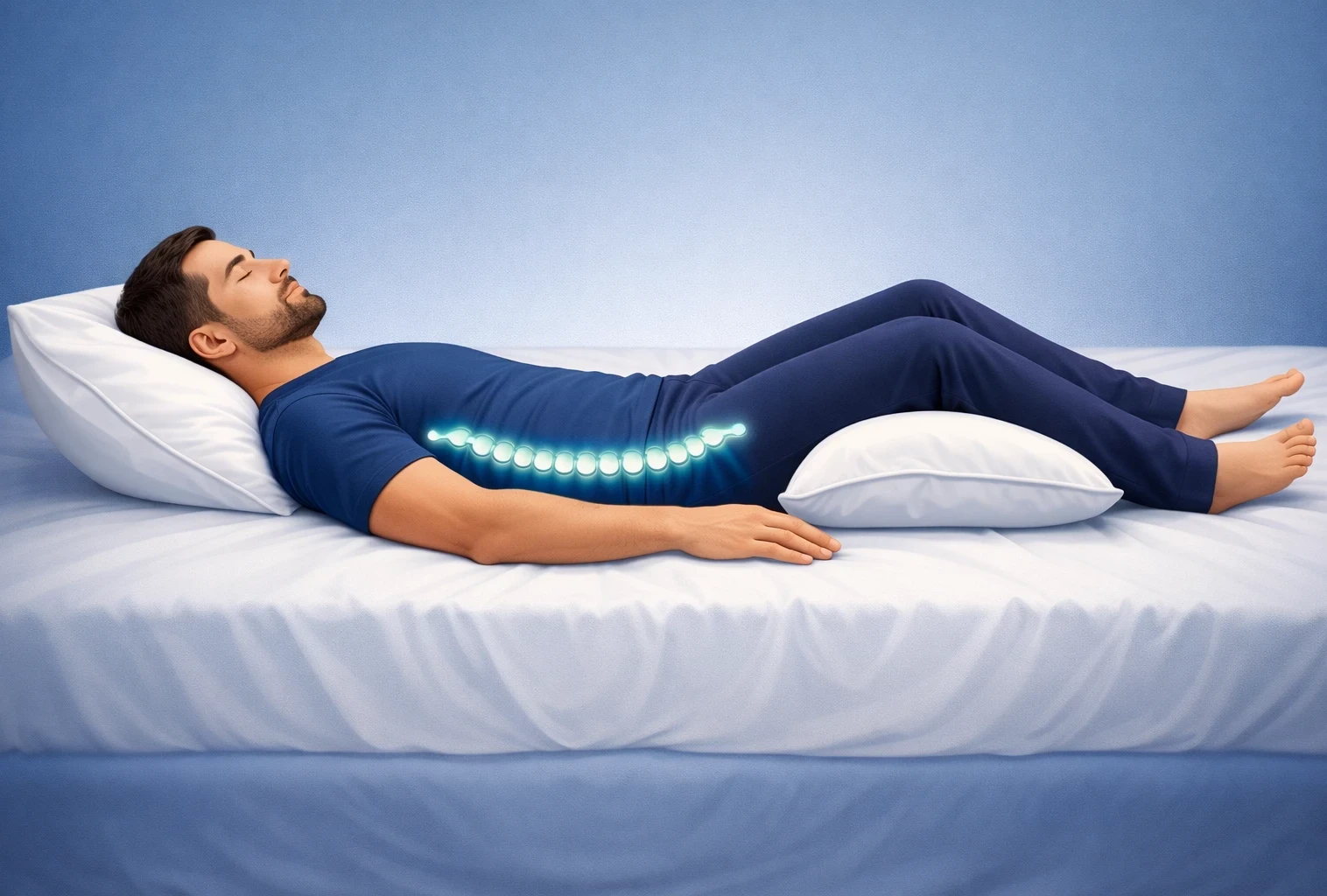
Sleeping on Your Back with Knee Support
Sleeping on the back is often considered one of the most supportive positions for people experiencing back discomfort.
This position allows body weight to distribute evenly across the mattress.
Placing a pillow under the knees can further reduce pressure on the lower back.
The pillow slightly bends the hips and relaxes the lumbar spine, helping maintain its natural curve.
Benefits of this position may include:
• Reduced spinal compression • Improved weight distribution
• Relaxed lower back muscles • Less pressure on the hips
Many sleep specialists recommend this posture because it keeps the head, neck, and spine aligned.
However, people with sleep apnea or heavy snoring sometimes find back sleeping uncomfortable.
In those situations, side sleeping may be a better option.

Side Sleeping with a Pillow Between the Knees
Side sleeping is another commonly recommended option when exploring best sleeping positions for back pain.
This position can be especially helpful for people who experience pressure in the lower back or hips.
Placing a firm pillow between the knees keeps the hips, pelvis, and spine aligned.
Without this support, the upper leg may rotate forward during sleep, which can twist the spine.
To improve side sleeping comfort:
• Keep knees slightly bent
• Use a pillow that fills the gap between the neck and mattress
• Avoid curling too tightly into a fetal position
• Keep shoulders relaxed
People with conditions such as sciatica or hip discomfort may benefit particularly from this posture.
More strategies for addressing underlying causes of back pain are explained in this comprehensive back pain treatment guide, which explores conservative therapies and lifestyle approaches.
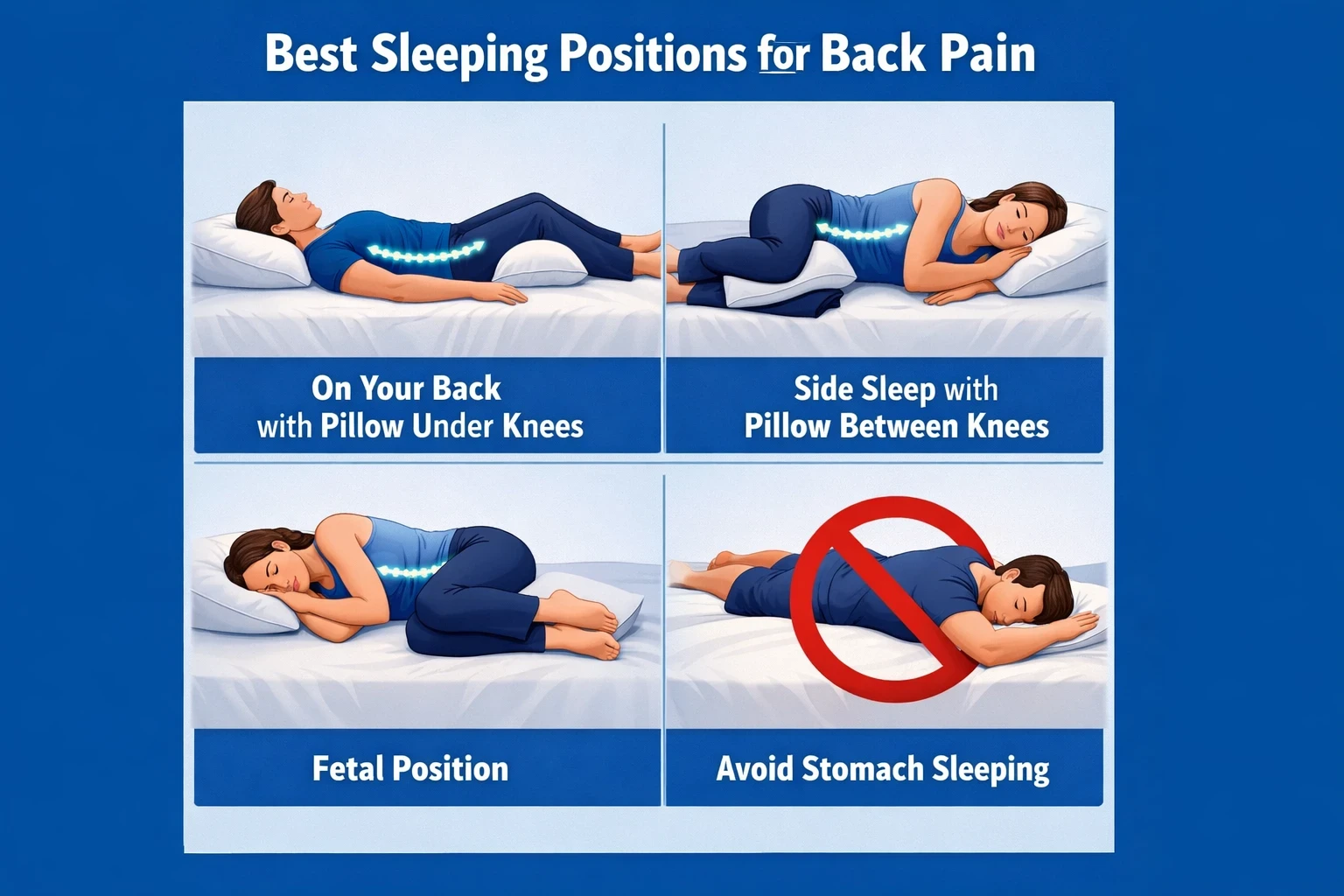
The Fetal Position for Disc Relief
The fetal position is a variation of side sleeping where the knees are gently drawn toward the chest.
This posture can reduce pressure on spinal discs by opening spaces between vertebrae.
For individuals with herniated or bulging discs, this position may sometimes reduce nerve irritation overnight.
However, it is important not to curl the body excessively. Extreme bending can strain the neck and shoulders.
A moderate curl combined with a supportive pillow between the knees can help maintain comfort and alignment.
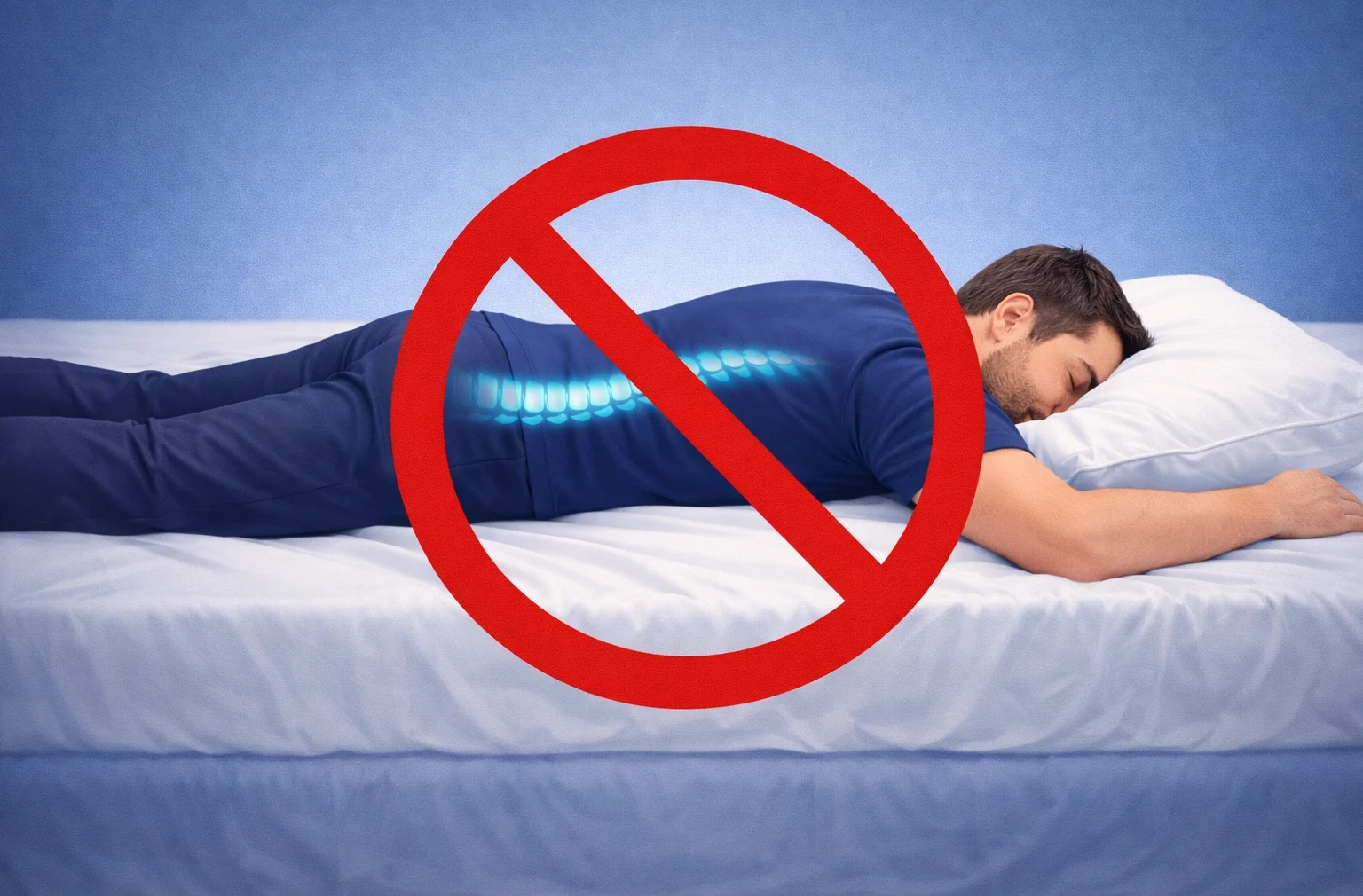
Sleeping on the Stomach Usually Not Recommended
Stomach sleeping is generally considered one of the least supportive positions for spinal health.
This position often forces the neck to rotate to one side while flattening the natural curve of the lower back.
Over time, this may increase muscular tension and irritation around the spine.
If stomach sleeping feels unavoidable, certain adjustments may help reduce strain:
• Place a thin pillow under the hips
• Use a very flat pillow for the head
• Try gradually transitioning to side sleeping
While occasional stomach sleeping may not cause serious issues, consistently using more supportive sleep positions may help improve overall comfort.

Mattress and Pillow Support Matters
Even the best sleeping positions for back pain may not provide relief without proper mattress and pillow support.
A mattress that is too soft may allow the body to sink, which can misalign the spine.
On the other hand, a mattress that is too firm may create pressure points.
Many experts suggest a medium-firm mattress because it balances support and comfort.
Pillows also play an important role.
The goal is to keep the neck aligned with the rest of the spine rather than tilted upward or downward.
Supportive pillows, braces, and ergonomic tools can sometimes complement posture improvements.
Some examples are explored in this guide to affordable back pain relief products that support everyday comfort.
Morning Movement
Helps Reset the Spine
Even with the best sleeping positions for back pain, the body may still feel stiff after several hours of rest.
Gentle movement shortly after waking can help restore flexibility.
Helpful morning habits may include:
• Light stretching
• Short walks
• Gentle spinal mobility exercises
• Controlled breathing
Movement helps improve circulation and signals the nervous system that the body is safe to move again.
For individuals exploring broader lifestyle approaches, these natural remedies for back pain discuss additional ways nutrition, activity, and recovery strategies may support back health.
When Night Pain Should Be Evaluated
Although posture changes can help many people, persistent nighttime pain may sometimes signal an underlying condition that requires further evaluation. Possible causes include:
• Disc injuries
• Joint inflammation
• Muscle strain
• Nerve irritation •
Degenerative spinal changes If pain consistently wakes you from sleep, worsens at night, or is accompanied by numbness or weakness, professional assessment may be appropriate.
A Balanced Approach to Better Sleep
Finding the best sleeping positions for back pain often involves small adjustments rather than dramatic changes.
Back sleeping with knee support and side sleeping with a pillow between the knees are typically the most comfortable options for many people.
Combining supportive sleep posture with daytime movement, proper mattress support, and healthy recovery habits may gradually reduce strain on the spine.
Over time, these small adjustments may help improve sleep quality while supporting long-term back comfort.
Scientific Studies https://pubmed.ncbi.nlm.nih.gov/20536867/ https://pubmed.ncbi.nlm.nih.gov/26289568/0