Chronic Pain After Injury
Chronic pain after injury is a common experience for many people recovering from accidents, sports injuries, or surgery.
While most injuries heal within weeks or months, some individuals continue to feel discomfort long after the tissues appear to have recovered.
Understanding chronic pain after injury can help people take practical steps toward better recovery and long-term comfort.
Pain is not always a simple signal of damage. Instead, it is a complex interaction between the body, nervous system, and brain.
When an injury occurs, these systems work together to protect the body.
However, in some situations the pain system can remain sensitive even after the original injury has healed.
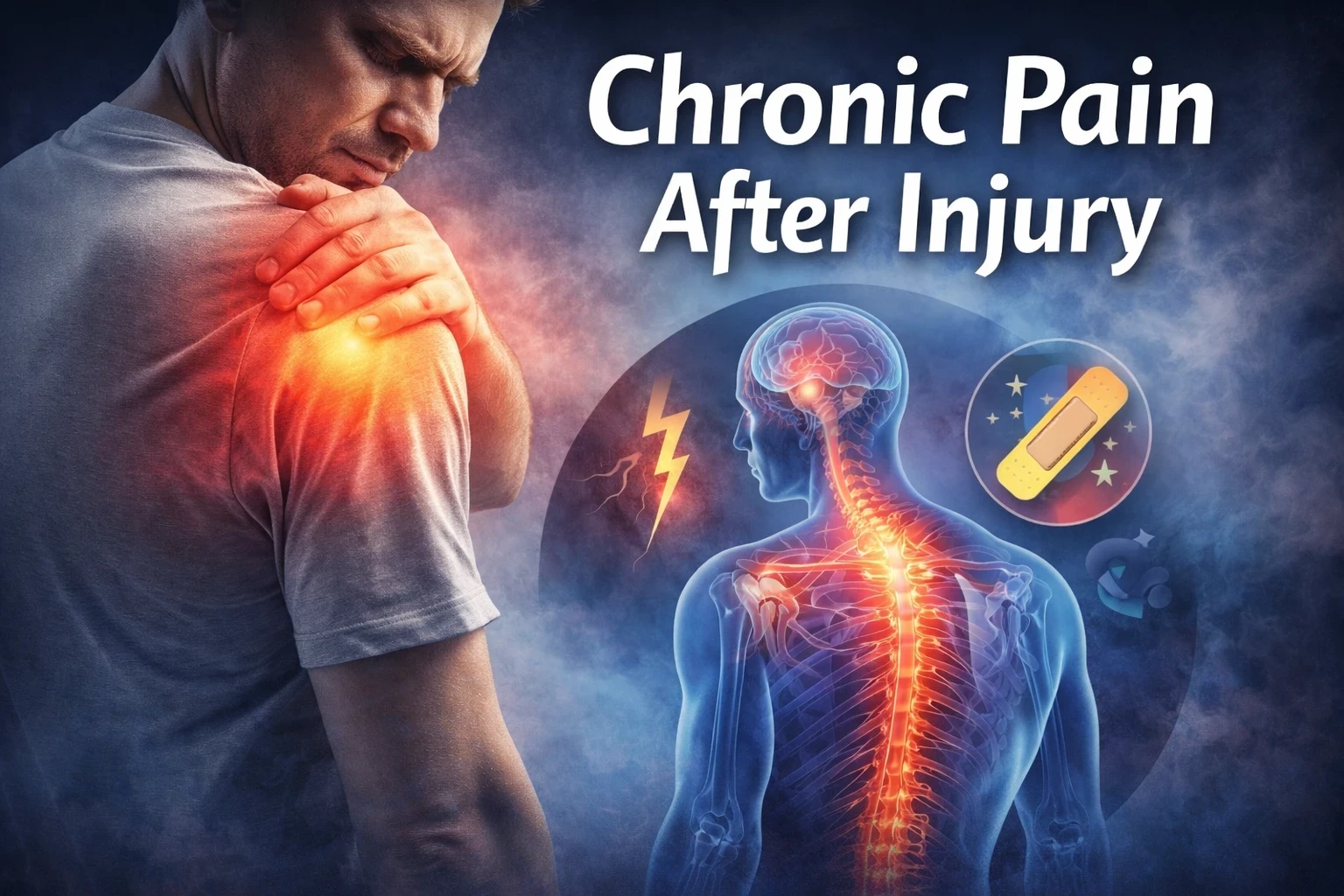
What Is Chronic Pain After Injury?
Chronic pain after injury refers to pain that continues for longer than three months following physical trauma.
This may include injuries such as muscle strains, fractures, ligament damage, or surgical procedures.
During normal healing, inflammation and tissue repair gradually reduce pain signals.
However, with chronic pain after injury, the nervous system may remain overactive.
As a result, people may experience ongoing symptoms such as aching, stiffness, burning sensations, or sharp pain.
To understand the science behind persistent pain signals, read more about how pain mechanisms work in the body.
Why Pain Can Continue After an Injury Heals
There are several reasons why chronic pain after injury may develop.
Nervous System Sensitization
When an injury occurs, the nervous system increases sensitivity to protect the injured area.
Sometimes this sensitivity remains even after healing.
This process is often called central sensitization.
The brain becomes more responsive to pain signals, meaning that normal movements or light pressure may feel uncomfortable.
You can explore this further in this guide explaining pain mechanisms.
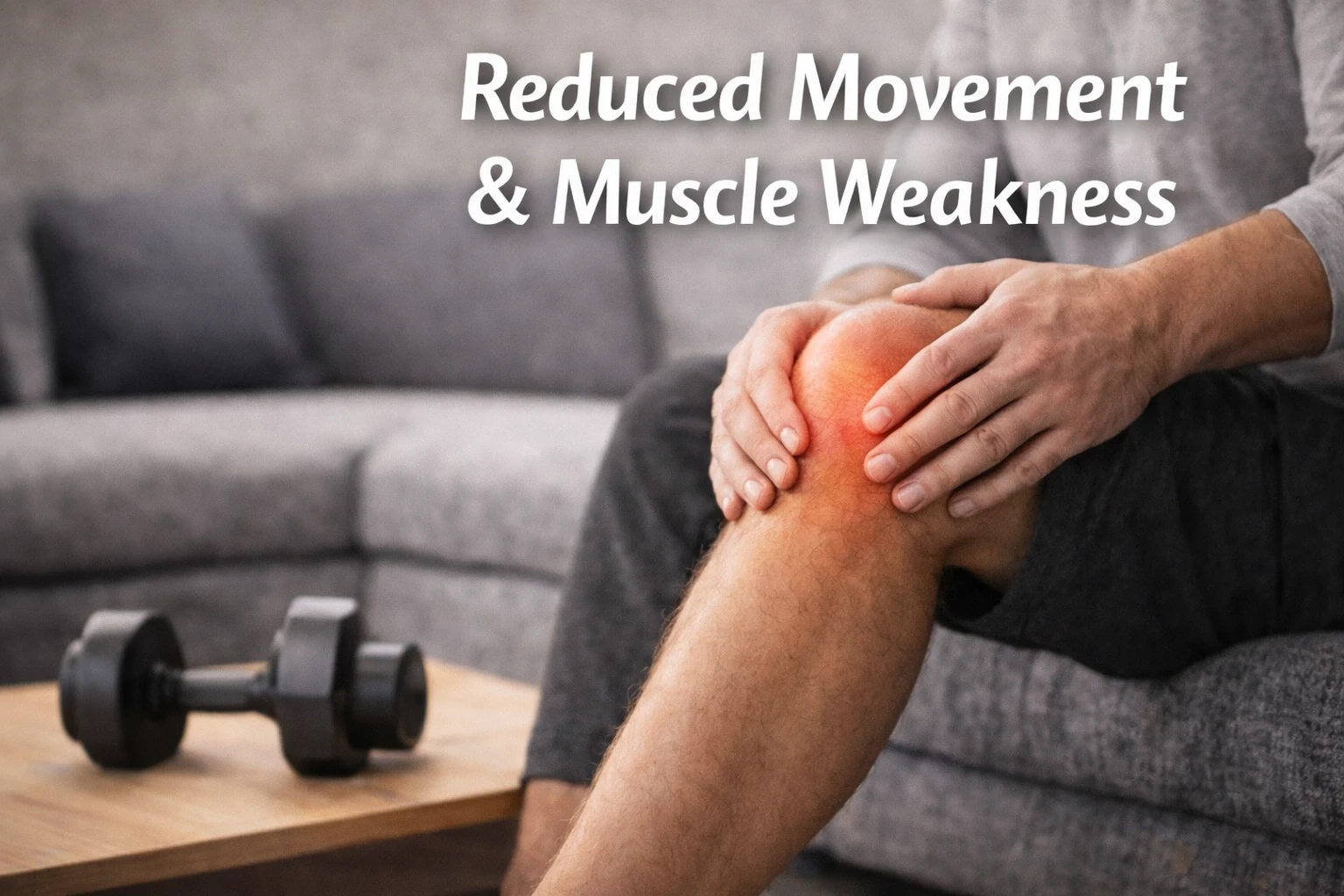
Reduced Movement and Muscle Weakness
After an injury, many people avoid movement due to fear of pain or reinjury.
While this response is understandable, prolonged inactivity can weaken muscles and reduce joint stability.
Over time, this may contribute to chronic pain after injury, particularly in areas such as the back, hips, and knees.
A helpful starting point is learning about gentle exercises that support back pain recovery.

Scar Tissue and Tissue Changes
In some injuries, scar tissue forms during healing.
While scar tissue is a normal part of recovery, it can sometimes limit mobility or place tension on nearby structures.
This may contribute to ongoing discomfort or stiffness months after the original injury.
Emotional and Psychological Factors
Pain is influenced by more than physical damage.
Stress, anxiety, and poor sleep can all amplify pain signals.
When these factors are present, they may increase the likelihood of chronic pain after injury.
Common Injuries That May Lead to Chronic Pain
Several types of injuries are more likely to lead to long-term discomfort.
Common examples include:
• back injuries
• whiplash injuries
• ligament tears
• fractures
• joint injuries
• nerve injuries
Some people also develop persistent pain following surgery. In these cases, nerve sensitivity or changes in pain processing may be involved.
For example, nerve irritation may contribute to ongoing discomfort, which is discussed in treatment approaches for nerve pain.
Symptoms of Chronic Pain After Injury
The symptoms of chronic pain after injury can vary widely depending on the original injury and individual factors.
Common symptoms may include:
• persistent aching or soreness
• stiffness around the injured area
• burning or tingling sensations
• reduced mobility
• muscle weakness
• increased pain with activity
Some people may also notice pain spreading to nearby areas due to changes in movement patterns.

Strategies That May Help Recovery
Although chronic pain after injury can be frustrating, several strategies may support recovery and improve daily comfort.
Gradual Movement and Exercise
Gentle movement is often one of the most effective approaches for persistent pain.
Controlled exercise helps restore strength, flexibility, and confidence in movement.
Activities such as walking, stretching, and strengthening exercises may gradually reduce pain sensitivity.
You can explore practical routines in these recovery exercises for back pain.
Pain Education
Understanding how pain works can significantly reduce fear and anxiety around movement.
Pain education helps people recognize that ongoing discomfort does not always mean ongoing injury.
Learning about pain science may support better recovery outcomes. A helpful resource explains how the nervous system processes pain.
Physical Therapy
Physical therapists often use targeted exercises, manual therapy, and movement retraining to support recovery from injuries.
These treatments may improve mobility and reduce symptoms associated with chronic pain after injury.
Lifestyle Factors That Influence Pain
Several everyday habits can affect pain sensitivity and recovery.
Important factors include:
• sleep quality
• stress management
• balanced nutrition
• regular physical activity
Improving these areas may help calm the nervous system and support long-term healing.
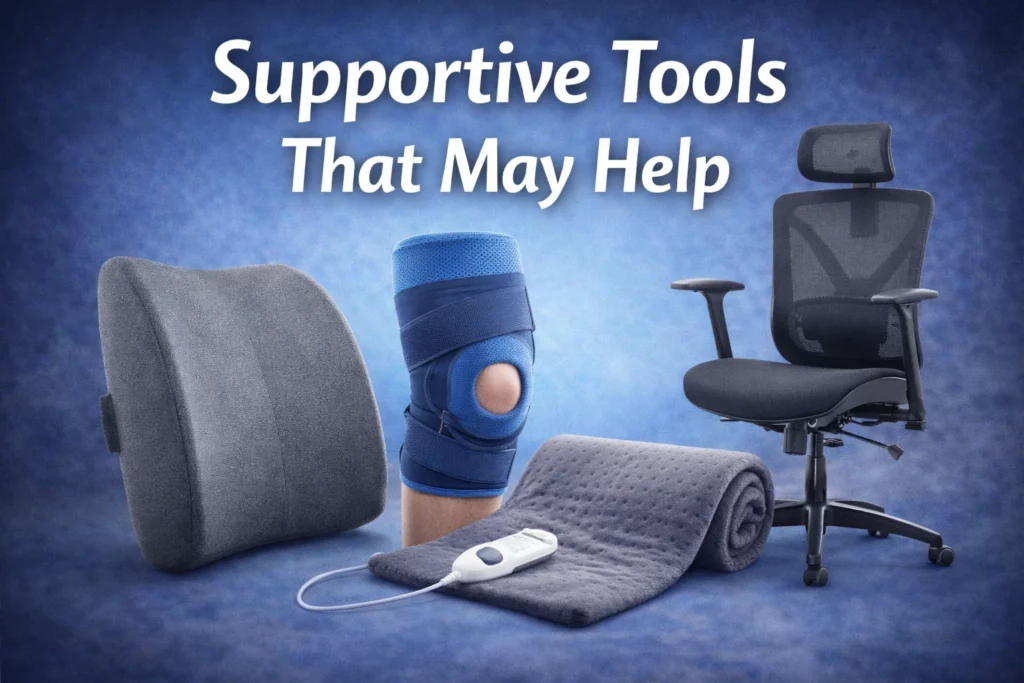
Supportive Tools That May Help
Some individuals find additional relief using supportive tools designed to reduce strain on injured areas.
Examples may include:
• ergonomic supports
• compression braces
• heat therapy pads
• posture-support devices
These tools may complement movement and rehabilitation strategies.
You can explore options such as supportive tools that may help with back pain.
When to Seek Medical Advice
While many cases of chronic pain after injury improve gradually, medical evaluation may be necessary in some situations.
Consider seeking professional advice if you experience:
• worsening pain over time
• numbness or weakness
• unexplained swelling
• severe mobility limitations
• symptoms affecting daily life
Healthcare professionals can assess whether additional treatments or investigations are needed.
A Balanced Perspective
Living with chronic pain after injury can be challenging, but many people experience improvement over time with the right approach.
Understanding how pain works, staying active within safe limits, and addressing lifestyle factors can all contribute to better outcomes.
Recovery is rarely linear.
Some days may feel better than others, but gradual progress is often possible when the nervous system is supported through movement, education, and healthy habits.
Learning more about pain science and rehabilitation strategies can empower individuals to take an active role in their recovery journey.
Scientific Study Links
Central Sensitization in Chronic Pain
Mechanisms of Persistent Pain After Injury