Brain Fog Recovery Strategies That Help
Brain Fog Recovery Strategies
Brain fog recovery strategies are essential for improving focus, memory, and mental clarity, especially when symptoms are linked to ongoing discomfort or fatigue.
Many people experience periods where thinking feels slow or unclear, but with the right approach, cognitive function can improve steadily over time.
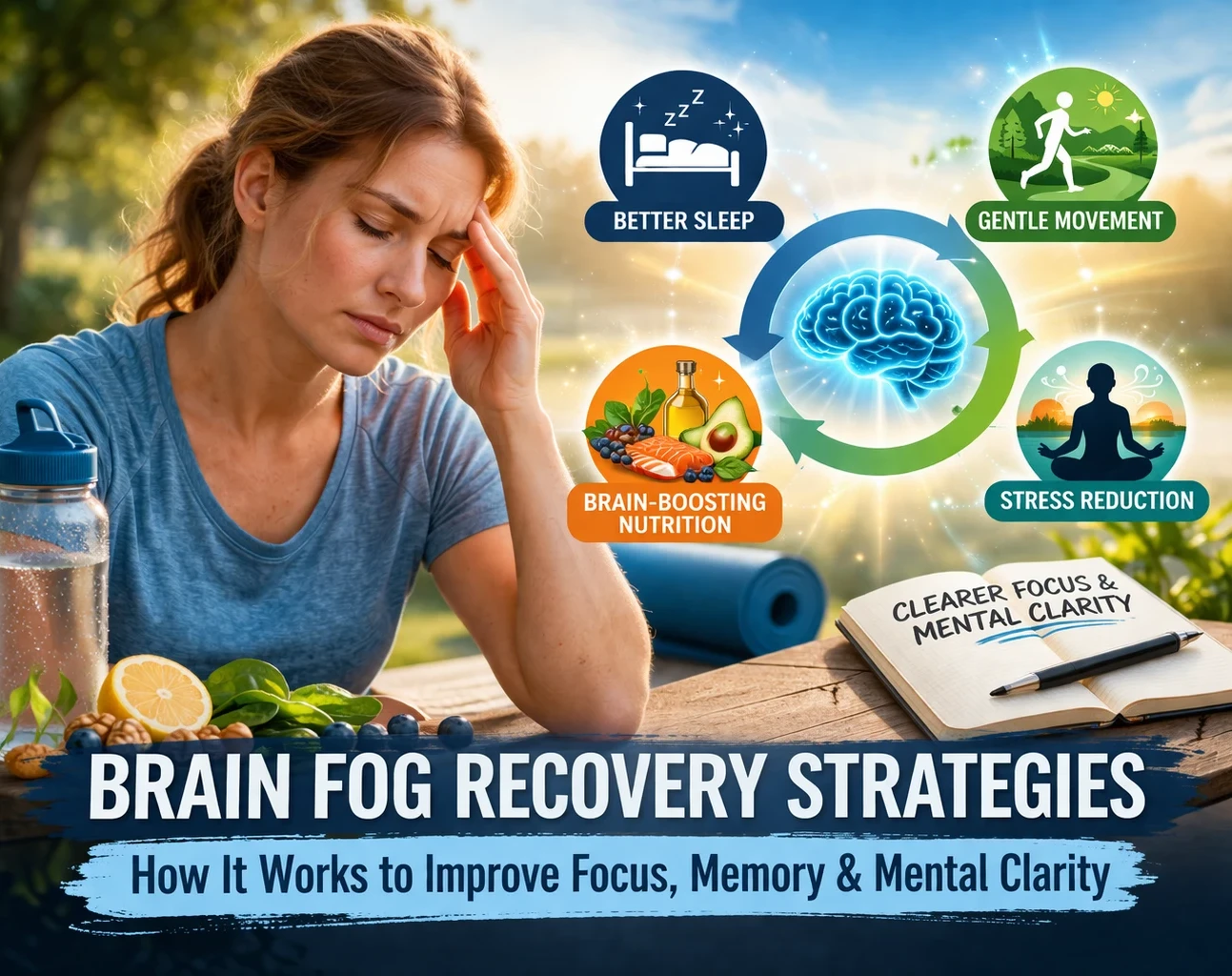
What Causes Brain Fog?
Brain fog is often triggered by a combination of physical and mental factors.
For example, chronic pain, stress, poor sleep, and inflammation all place extra pressure on the nervous system.
As a result, the brain struggles to process information efficiently.
In addition, lifestyle habits play a role. Irregular sleep patterns, dehydration, and nutritional gaps can all contribute to reduced mental clarity.
Therefore, identifying these underlying causes is the first step in applying effective brain fog recovery strategies.
How Brain Fog Recovery Strategies Work
Effective brain fog recovery strategies focus on restoring balance within the body and nervous system.
Instead of looking for a quick fix, the goal is to create consistent improvements over time.
These strategies typically work by:
- Supporting brain energy production
- Improving blood flow and oxygen delivery
- Reducing inflammation and stress
- Enhancing sleep quality
When combined, these effects help the brain function more efficiently and reduce mental fatigue.
Improve Sleep Quality First
Sleep is one of the most powerful tools for recovery. During deep sleep, the brain clears waste products and resets cognitive processes.
Without proper sleep, even the best brain fog recovery strategies will have limited impact. Therefore, prioritising sleep is essential.
Simple improvements include:
- Going to bed at the same time each night
- Reducing screen exposure before sleep
- Creating a calm, dark sleep environment
Over time, better sleep leads to noticeable improvements in focus and clarity.

Nutrition and Hydration Matter
The brain relies heavily on nutrients and hydration to function properly. Even mild dehydration can reduce concentration and increase fatigue.
Key nutritional strategies include:
- Eating whole, unprocessed foods
- Including healthy fats for brain support
- Maintaining steady blood sugar levels
- Drinking enough water throughout the day
As a result, proper nutrition strengthens the effectiveness of all brain fog recovery strategies.
Gentle Movement and Circulation
Physical activity plays an important role in brain health. Movement increases blood flow, which delivers oxygen and nutrients to the brain.
You do not need intense exercise. In fact, gentle activities are often more effective when dealing with fatigue or pain.
Examples include:
- Walking
- Stretching
- Light mobility exercises
These simple actions help reduce stiffness while improving mental clarity.

Reduce Mental Overload
Modern life often places constant demands on attention. Multitasking, screen exposure, and stress can overwhelm the brain.
One of the most overlooked brain fog recovery strategies is reducing cognitive overload.
Helpful techniques include:
- Breaking tasks into smaller steps
- Taking regular breaks
- Limiting unnecessary distractions
- Focusing on one task at a time
This allows the brain to recover and function more efficiently.
Stress and Nervous System Balance
Chronic stress keeps the body in a heightened state, which directly affects brain function. Over time, this reduces focus, memory, and mental energy.
Therefore, calming the nervous system is essential.
Simple approaches include:
- Deep breathing exercises
- Spending time outdoors
- Practising mindfulness
- Slowing down daily routines
When stress levels decrease, the brain can shift back into a more balanced and productive state.
How This Connects to Pain
Brain fog is often closely linked to physical discomfort. Pain signals demand attention, which reduces the brain’s ability to focus on other tasks.
This is why combining cognitive and physical approaches is important. For a broader understanding of how these interact, explore
brain fog and pain management.
Daily Routine for Better Results
Consistency is what makes brain fog recovery strategies effective. A simple daily structure can improve both mental clarity and energy levels.
A basic routine might include:
- Morning hydration
- Light movement
- Regular meal timing
- Scheduled breaks
- Evening wind-down
Over time, these habits reinforce each other and support long-term improvement.
You could take a quick look at my top 3 supplements for brain fog.
Limitations and Expectations
It is important to understand that recovery takes time. There is no instant solution, and progress may vary from person to person.
However, consistent application of brain fog recovery strategies usually leads to gradual improvements in focus, memory, and overall wellbeing.
FAQ: Brain Fog Recovery Strategies
What is the fastest way to improve brain fog?
Improving sleep and hydration often produces the quickest noticeable results.
Can brain fog go away completely?
In many cases, yes. Addressing the underlying causes can significantly reduce or eliminate symptoms.
How long does recovery take?
It depends on the cause, but many people notice improvements within a few weeks of consistent changes.
Does stress make brain fog worse?
Yes. High stress levels reduce mental clarity and increase fatigue.