Back Pain Recovery Exercises: Safe Movement That Supports Healing
Back Pain Recovery Exercises
Back pain recovery exercises are often recommended as part of a gradual approach to restoring strength, flexibility, and confidence in everyday movement.
While rest can help during the early stages of injury, prolonged inactivity may sometimes slow recovery.
Carefully selected back pain recovery exercises may help improve circulation, support muscle stability, and encourage the body’s natural healing processes.
Many modern pain specialists emphasize movement as a key component of long-term back health.
Gentle exercise can help reduce stiffness, restore function, and improve resilience in the muscles that support the spine.
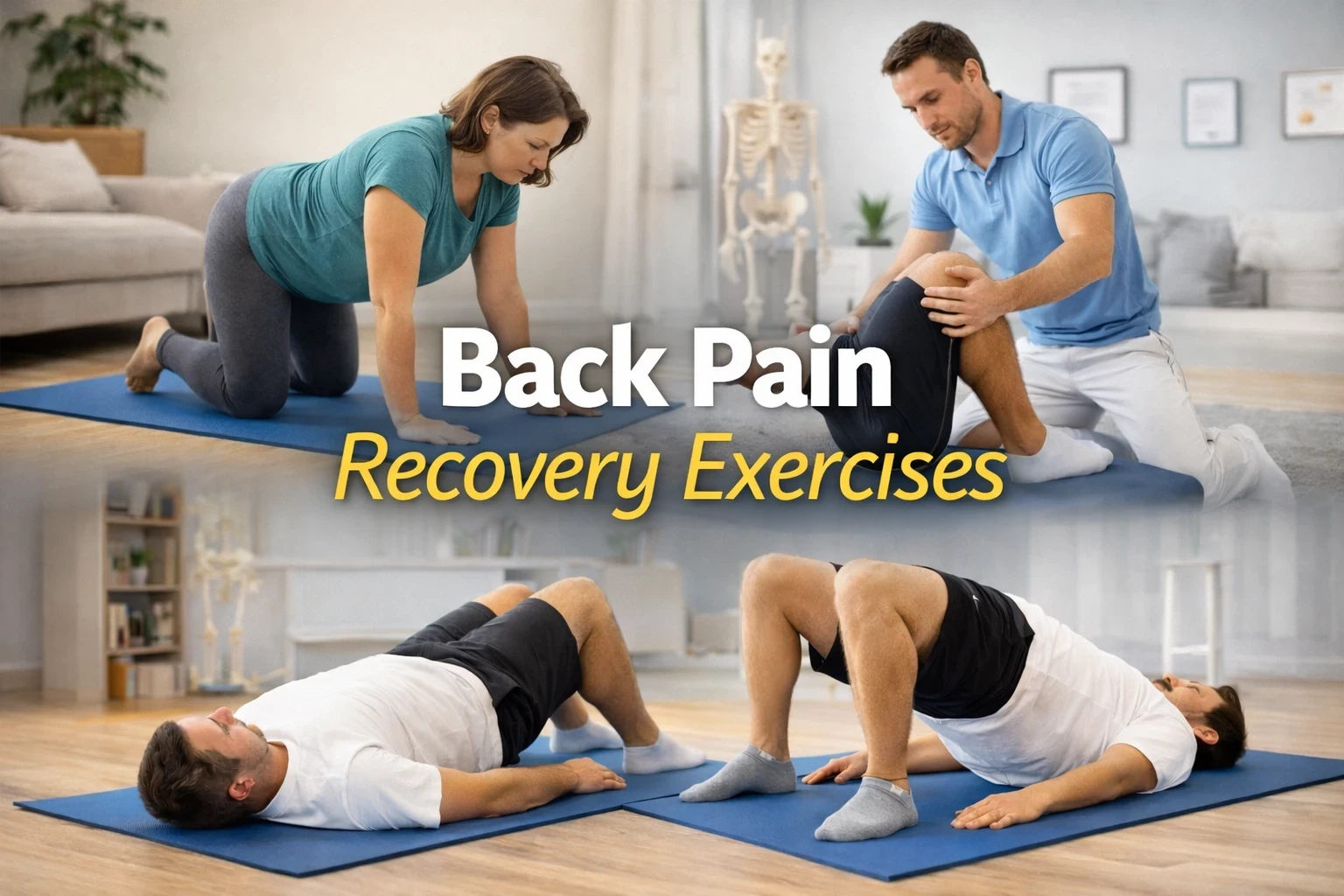
Understanding the Role of Back Pain Recovery Exercises
The spine is supported by a complex system of muscles, ligaments, and joints.
When these structures become irritated or weakened, discomfort may develop.
Back pain recovery exercises aim to gradually rebuild support around the spine.
Research suggests that controlled movement may:
• Improve spinal stability
• Increase blood flow to injured tissues
• Reduce muscle stiffness
• Support long-term mobility
These exercises are often part of conservative approaches described in the Back Pain Treatment: Science-Backed Human Guide, which explains why movement and strengthening are commonly recommended in recovery plans.
Importantly, exercises should be introduced gradually.
Sudden or intense movements may worsen symptoms in some cases.

Why Gentle Movement Helps
Recovery for many people, and the natural response to back pain is to avoid movement completely.
However, prolonged rest may lead to stiffness and muscle weakness. Instead, controlled movement can help restore normal function.
When performed correctly, back pain recovery exercises may:
• Re-activate stabilizing muscles
• Improve joint mobility
• Reduce protective muscle guarding
• Encourage confidence in movement
Movement can also influence the nervous system.
As the body becomes comfortable with motion again, pain sensitivity may gradually decrease.
This concept is explored further in the article on Movement, Load, and Pain Sensitivity, which explains how progressive activity can help the body adapt.

Gentle Stretching Exercises for Early Recovery
Stretching exercises are often introduced during the early stages of rehabilitation.
These movements aim to reduce tension in muscles surrounding the lower back and hips.
Common stretching exercises include:
Knee-to-Chest Stretch
This exercise gently stretches the lower back muscles.
1. Lie on your back with knees bent.
2. Slowly pull one knee toward your chest.
3. Hold for 15–20 seconds.
4. Repeat with the other leg.

Cat-Cow Stretch
Often used in physiotherapy and yoga, this movement encourages spinal mobility.
1. Start on hands and knees.
2. Slowly arch the back upward.
3. Then gently lower the stomach while lifting the head.
4. Move slowly between positions.
These early back pain recovery exercises are designed to be comfortable and controlled rather than intense.
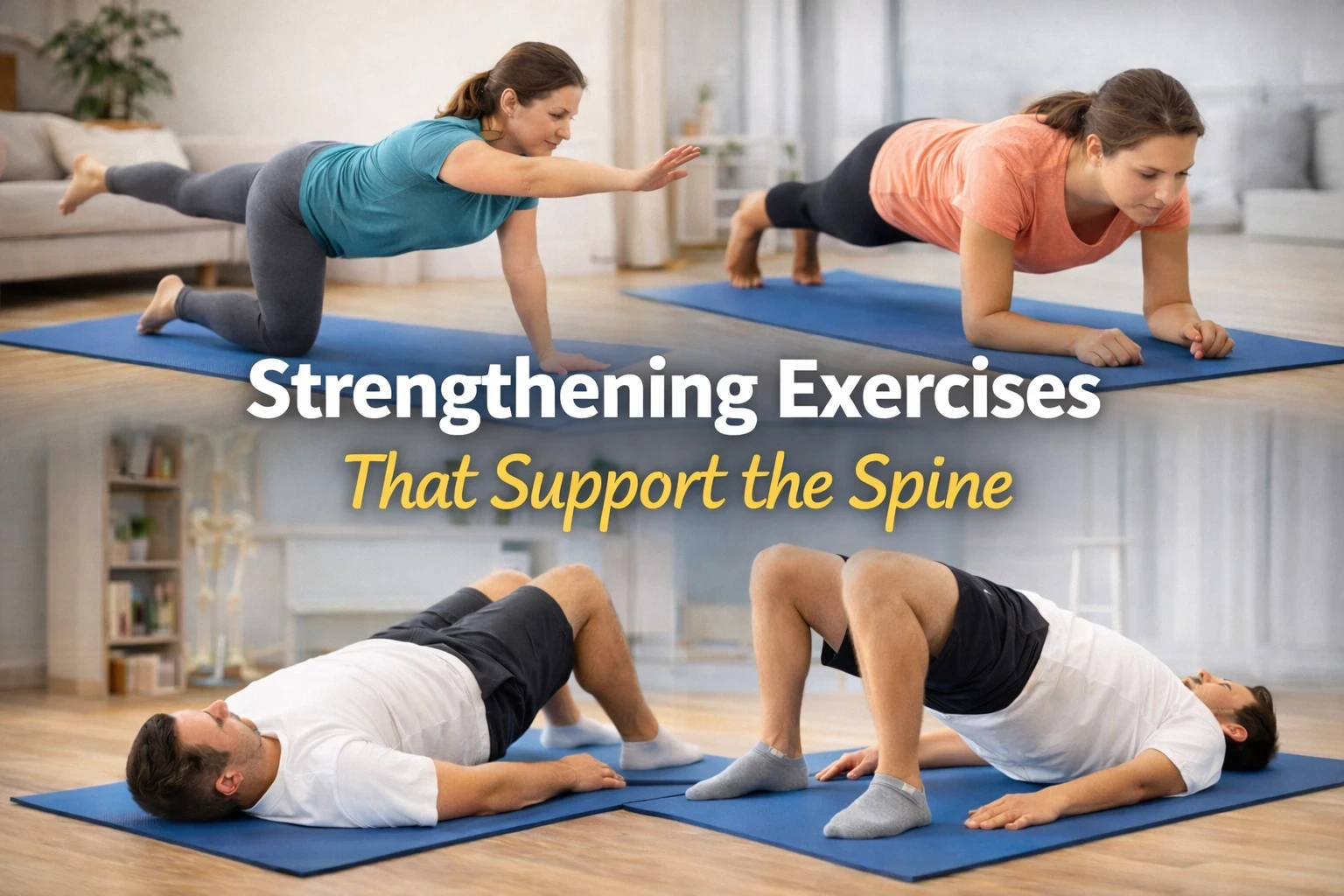
Strengthening Exercises That Support the Spine
Once pain levels begin to improve, strengthening exercises may help restore stability.
The muscles around the abdomen, hips, and lower back work together to support the spine.
Strengthening back pain recovery exercises may include:
Glute Bridges
1. Lie on your back with knees bent.
2. Lift the hips slowly off the floor.
3. Hold for a few seconds before lowering.
This exercise activates the glute muscles, which play an important role in spinal support.
Bird Dog Exercise
1. Begin on hands and knees.
2. Extend one arm forward and the opposite leg backward.
3. Hold briefly while keeping the spine neutral.
4. Switch sides.
This movement helps train balance and core stability.
Many rehabilitation programs combine strengthening with mobility work.
Similar strategies are discussed in Natural Remedies for Back Pain, where exercise is often recommended alongside lifestyle changes.
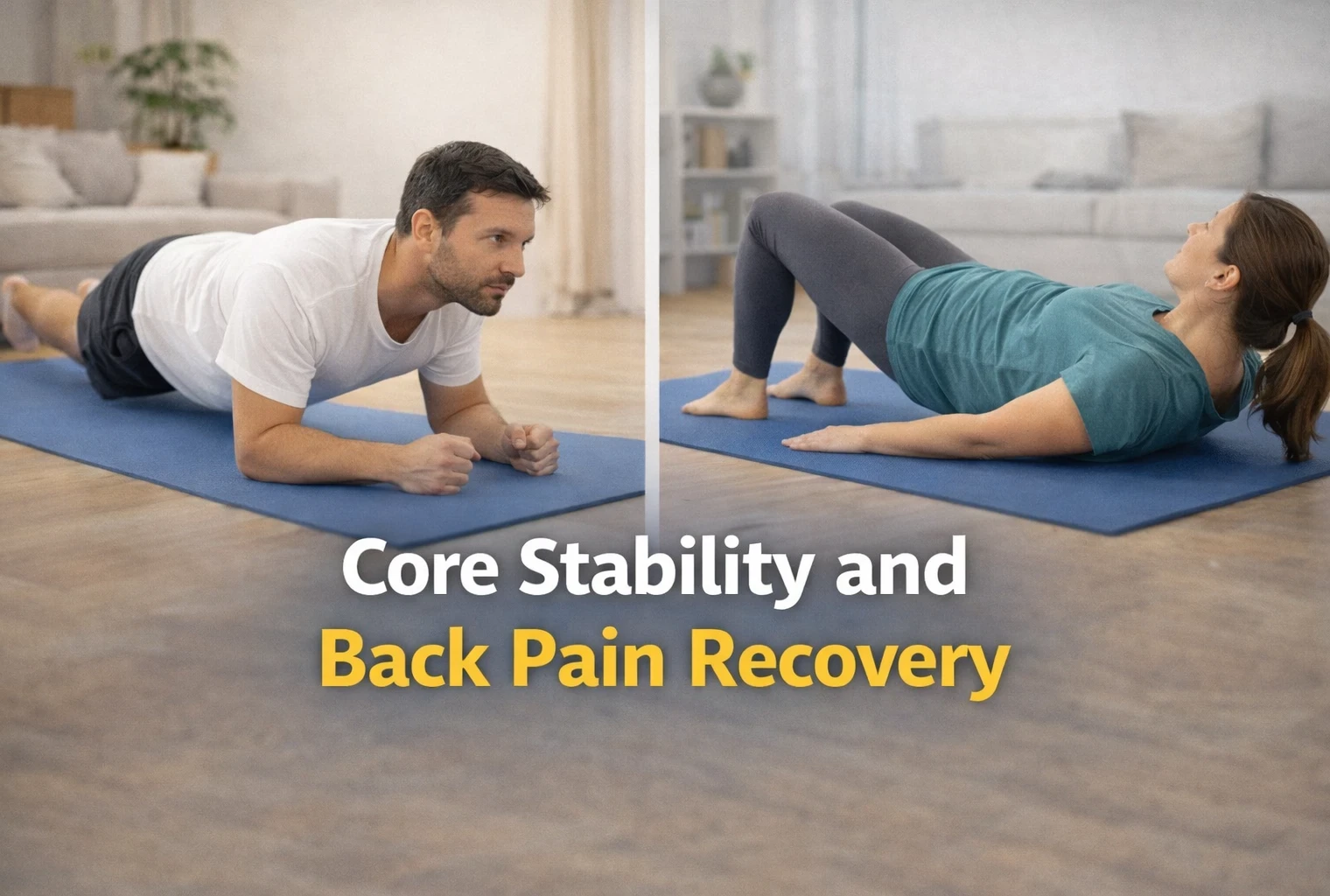
Core Stability and Back Pain Recovery
The “core” includes muscles of the abdomen, lower back, and pelvis.
These muscles act like a support system for the spine.
Weak core muscles can sometimes contribute to spinal strain during daily activities such as lifting or bending.
Core-focused back pain recovery exercises often include:
• Modified planks
• Pelvic tilts
• Dead bug exercises
• Controlled abdominal activation
Improving core strength may reduce excessive pressure on the spine and help improve posture during movement.
When combined with ergonomic adjustments and supportive tools, strengthening exercises may help prevent recurring pain episodes. Some individuals also explore supportive products described in Affordable Back Pain Relief Products That Support Everyday Comfort, which may complement exercise-based recovery.
Progressing Safely With Back Pain Recovery Exercises
Recovery from back pain is rarely linear.
Some days may feel better than others, and that is normal during rehabilitation.
A gradual approach to back pain recovery exercises is usually recommended:
• Start with gentle movements
• Increase repetitions slowly
• Focus on controlled form
• Stop if pain significantly increases
Consistency is often more important than intensity.
Short daily exercise sessions may provide better results than occasional long workouts.
Many physiotherapists recommend performing exercises at least three to five times per week for steady improvement.
Additional Strategies That Support Exercise Recovery
Exercise works best when combined with other supportive strategies.
These may include:
• Improving posture while sitting and standing
• Adjusting workstation ergonomics
• Managing stress and sleep quality
• Maintaining regular physical activity
Hydration, nutrition, and adequate sleep may also support tissue recovery and muscle health.
Over time, combining lifestyle adjustments with back pain recovery exercises may help build resilience and reduce the likelihood of recurring pain.

When Professional Guidance May Help
While many exercises are safe for general back discomfort, persistent or severe symptoms may require medical guidance.
You should consider professional evaluation if:
• Pain lasts longer than several weeks
• Symptoms radiate into the legs
• Numbness or weakness develops
• Daily activities become difficult
Physiotherapists and medical professionals can assess movement patterns and create personalized rehabilitation programs.
Structured rehabilitation plans often combine mobility work, strengthening, and education about pain management.
A Balanced Perspective on Recovery
Back pain can feel frustrating, especially when it interferes with work, sleep, or daily activities.
However, most people experience gradual improvement with the right combination of movement, support, and patience.
In many cases, back pain recovery exercises become a valuable part of long-term spinal health rather than just a short-term solution.
Developing strong, flexible muscles around the spine may help support everyday movement, improve confidence in physical activity, and encourage long-term back resilience. Scientific Studies https://pubmed.ncbi.nlm.nih.gov/28931406/ https://pubmed.ncbi.nlm.nih.gov/24662517/