Back Pain Relief Solutions Practical Strategies That May Help Back Pain
Back Pain Relief Solutions
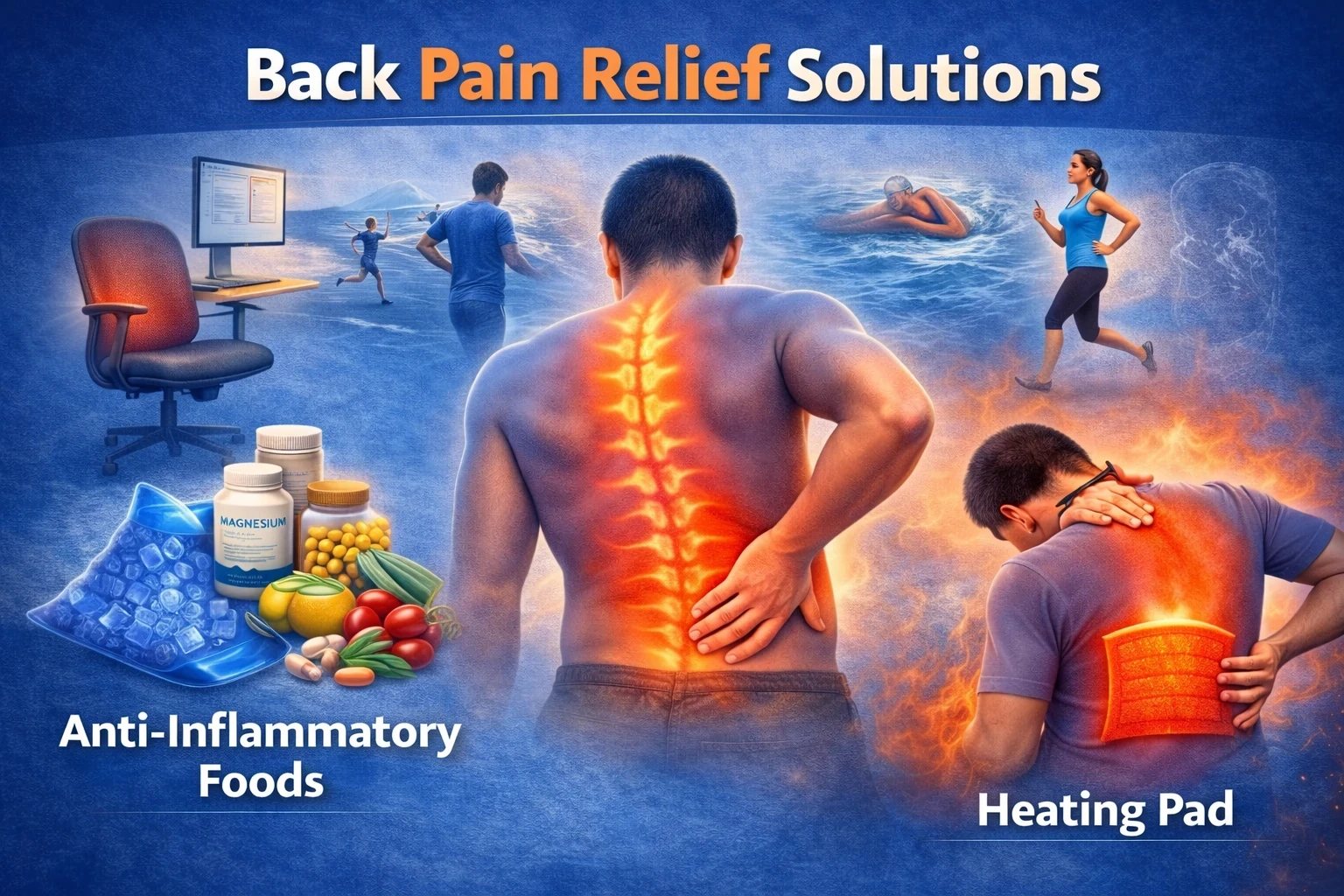
Back pain relief solutions are something millions of people search for when discomfort begins to interfere with everyday life.
Back pain can affect work, sleep, mobility, and overall wellbeing.
While the causes vary from person to person, research suggests that combining movement, lifestyle adjustments, and supportive treatments often provides the best long-term outcomes.
If you want a deeper understanding of how back pain develops and the treatment options commonly recommended, this science-based back pain treatment guide explains the condition in more detail.
What Is Back Pain?
Back pain refers to discomfort occurring anywhere along the spine, including the upper back, middle back, or lower back.
However, the lower back is the most commonly affected area because it supports body weight and allows movements such as bending, twisting, and lifting.
Back pain may appear suddenly after physical strain or develop gradually due to repetitive movements, prolonged sitting, or posture habits.
In many cases symptoms improve within a few weeks.
However, if pain continues for longer periods, it may require more structured management.
People experiencing ongoing discomfort may benefit from exploring chronic back pain treatment approaches, which often focus on rehabilitation, lifestyle adjustments, and gradual strengthening.
Why Back Pain Develops
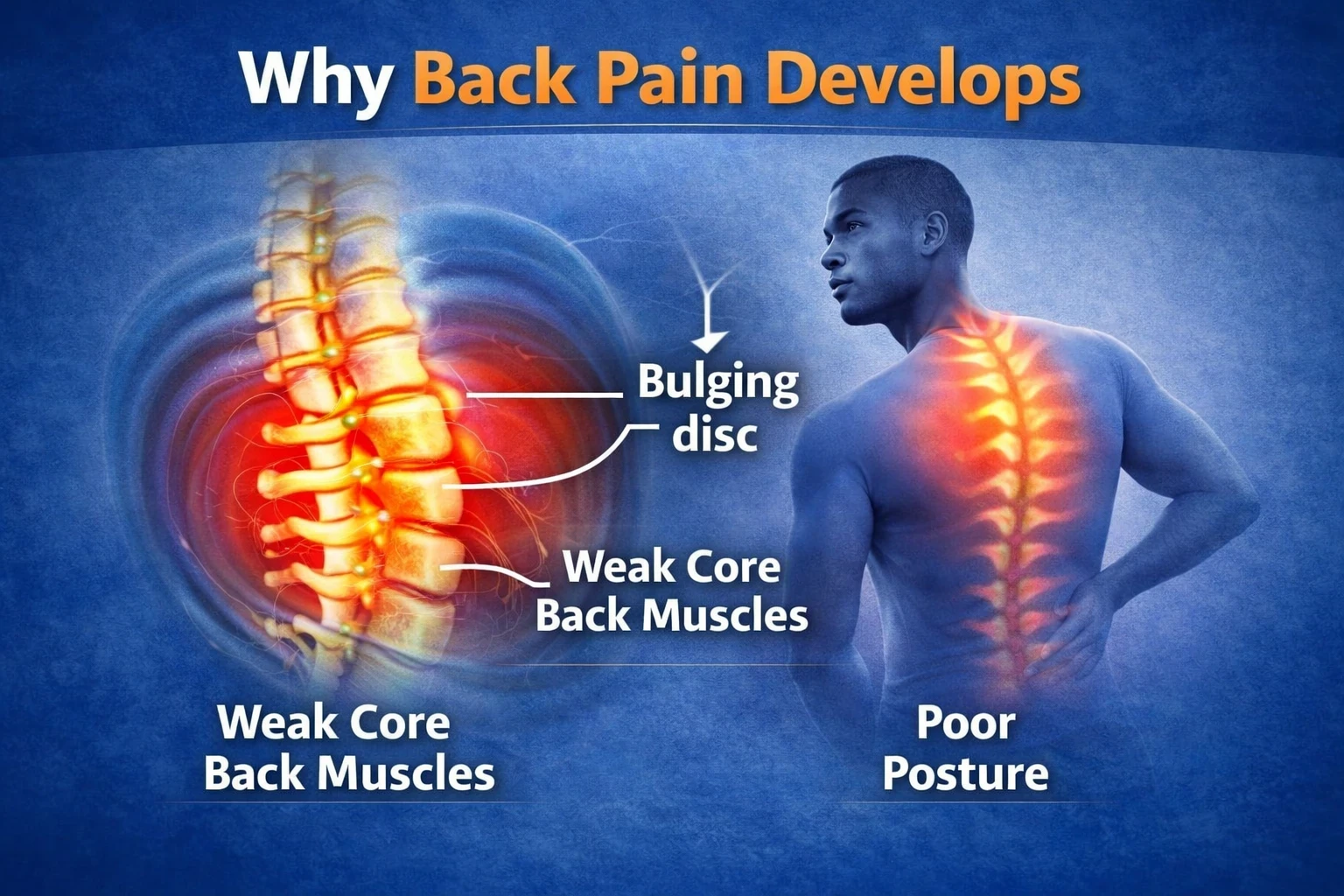
Understanding why back pain develops helps identify the most appropriate back pain relief solutions.
Common contributing factors include:
• muscle strain or ligament irritation
• weak core and spinal muscles
• prolonged sitting
• poor posture habits
• limited hip or spinal mobility
• repetitive lifting or bending
• stress and nervous system sensitivity
The spine is a complex structure made up of bones, discs, muscles, ligaments, and nerves.
When any of these structures become overloaded or irritated, pain may occur.
In many cases, back pain develops gradually rather than from a single injury.
Movement and Gentle Exercise
Movement is one of the most effective back pain relief solutions supported by modern research.
While rest was once recommended, experts now encourage gentle activity because it helps maintain mobility and circulation.
Examples of helpful activities include:
• walking
• swimming
• light stretching
• mobility exercises
• low-impact strengthening
Movement improves blood flow to spinal tissues and helps maintain flexibility. Over time, stronger muscles can support the spine more effectively.
Exercise is often recommended as part of evidence-based back pain treatment strategies that aim to restore confidence in movement and gradually rebuild strength.
Heat and Cold Therapy
Heat and cold therapy are widely used back pain relief solutions because they are simple and accessible.
Cold therapy may help reduce inflammation during the early stage of an injury.
Ice packs are typically applied for short periods to calm irritated tissues.
Heat therapy often works better when stiffness develops.
Heating pads and warm compresses increase circulation and relax tight muscles.
Some people alternate between heat and cold depending on how their back responds.
Improving Posture and Ergonomics
Posture plays a significant role in spinal health.
Spending long hours sitting with poor support places continuous stress on the lower back.
Simple ergonomic adjustments may reduce strain, particularly for people who work at desks.
Helpful changes include:
• using a supportive chair
• positioning screens at eye level
• keeping feet flat on the floor
• supporting the lower back
• taking regular movement breaks
Many people also find that supportive back pain relief products such as lumbar cushions or posture supports make everyday activities more comfortable.
Natural Approaches That May Help
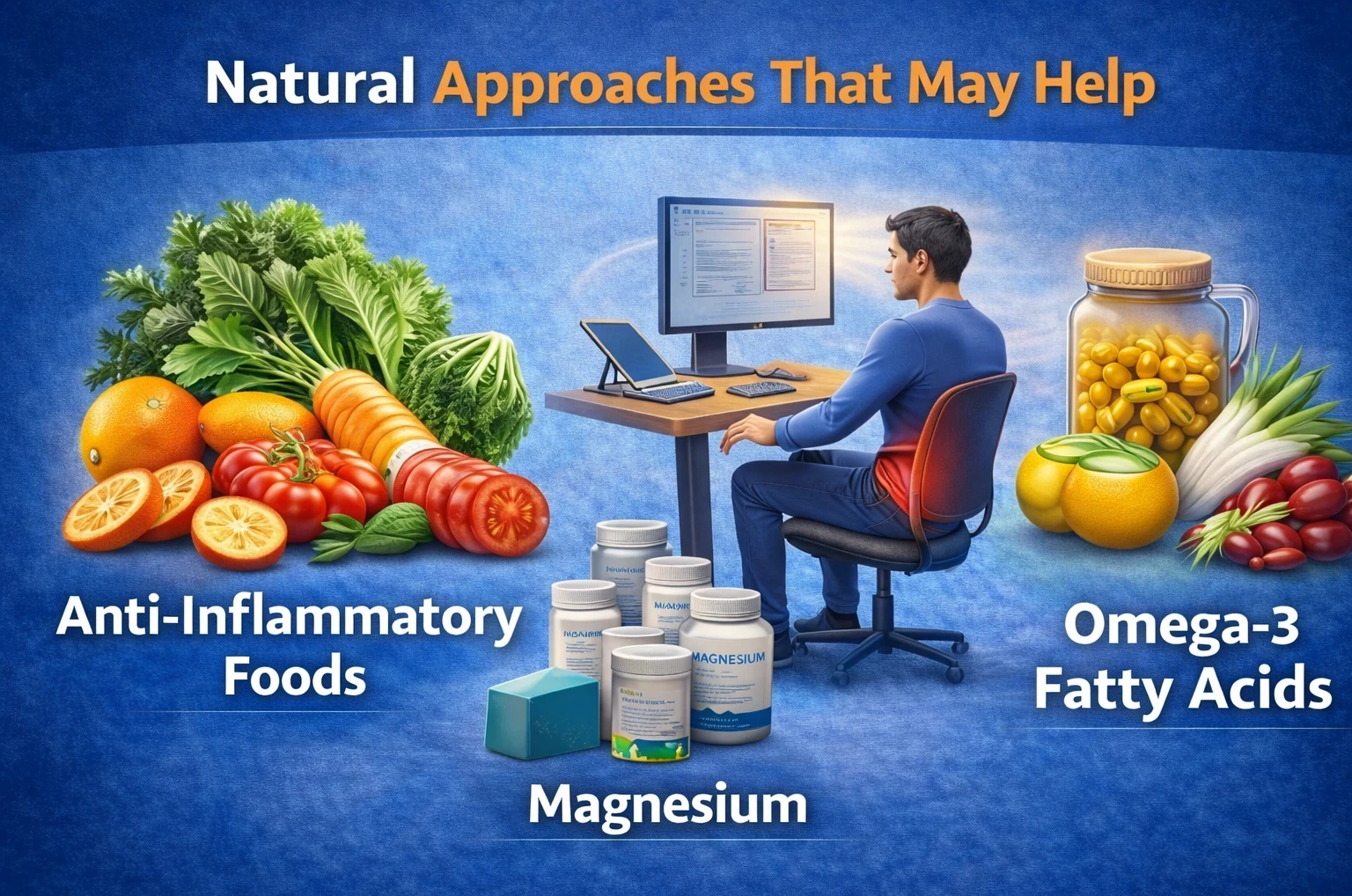
Natural strategies may complement other back pain relief solutions by supporting the body’s recovery processes.
Common approaches include:
• anti-inflammatory foods
• magnesium intake
• omega-3 fatty acids
• proper hydration
• stress management
Nutrition and lifestyle factors can influence inflammation and muscle tension, which may affect how pain is experienced.
People interested in non-pharmaceutical approaches may also explore natural remedies for back pain that combine dietary support with lifestyle adjustments.
Stress and Pain Sensitivity
Stress can influence how the body experiences pain.
When the nervous system remains under tension for extended periods, muscles may tighten and pain signals may become amplified.
This does not mean the pain is psychological. Instead, it reflects the close connection between the brain, nerves, and body tissues.
Strategies that calm the nervous system may help reduce muscle tension.
These can include breathing exercises, relaxation techniques, gentle yoga, and improved sleep habits.
Supportive Tools That May Help
Many people combine movement strategies with supportive tools designed to reduce strain during daily activities.
Examples include:
• lumbar support cushions
• posture braces
• heating pads
• ergonomic pillows
• standing desks
While these tools may not address the root cause of back pain, they can improve comfort while recovery strategies are implemented.
Go here for natural heat and cold therapy options.
When to Seek Medical Advice
Most cases of back pain improve with time and conservative care. However, medical evaluation is recommended if symptoms include:
• severe or worsening pain
• numbness or tingling in the legs
• weakness in the limbs
• loss of bladder or bowel control
• pain following a fall or accident
Healthcare professionals may recommend imaging tests, rehabilitation programs, or targeted therapies depending on the situation.
A Balanced Perspective
There is rarely a single solution that works for everyone.
The most effective back pain relief solutions usually involve combining movement, lifestyle changes, and supportive treatments.
Understanding how the spine works and gradually rebuilding strength and mobility can help many people regain confidence in normal movement.
With consistent care and the right strategies, long-term improvement is often possible.
Scientific Studies
https://pubmed.ncbi.nlm.nih.gov/27634058/
https://pubmed.ncbi.nlm.nih.gov/28192789/