CBD Regulation Europe – What I Learned As A Customer
CBD Regulation Europe –
CBD regulation Europe can be tricky to understand, so I’ve written this piece in plain English.
If you’ve ever tried buying CBD in Europe, you’ll know it’s not as simple as it should be. I went in thinking it would be straightforward—find a product, check reviews, and buy.
Instead, I quickly realised that CBD regulation Europe varies from country to country, and that can make things confusing if you just want something safe and legal.
This is my experience navigating it as a customer—and what I wish I knew before I started.
Why CBD Regulation Europe Feels Confusing
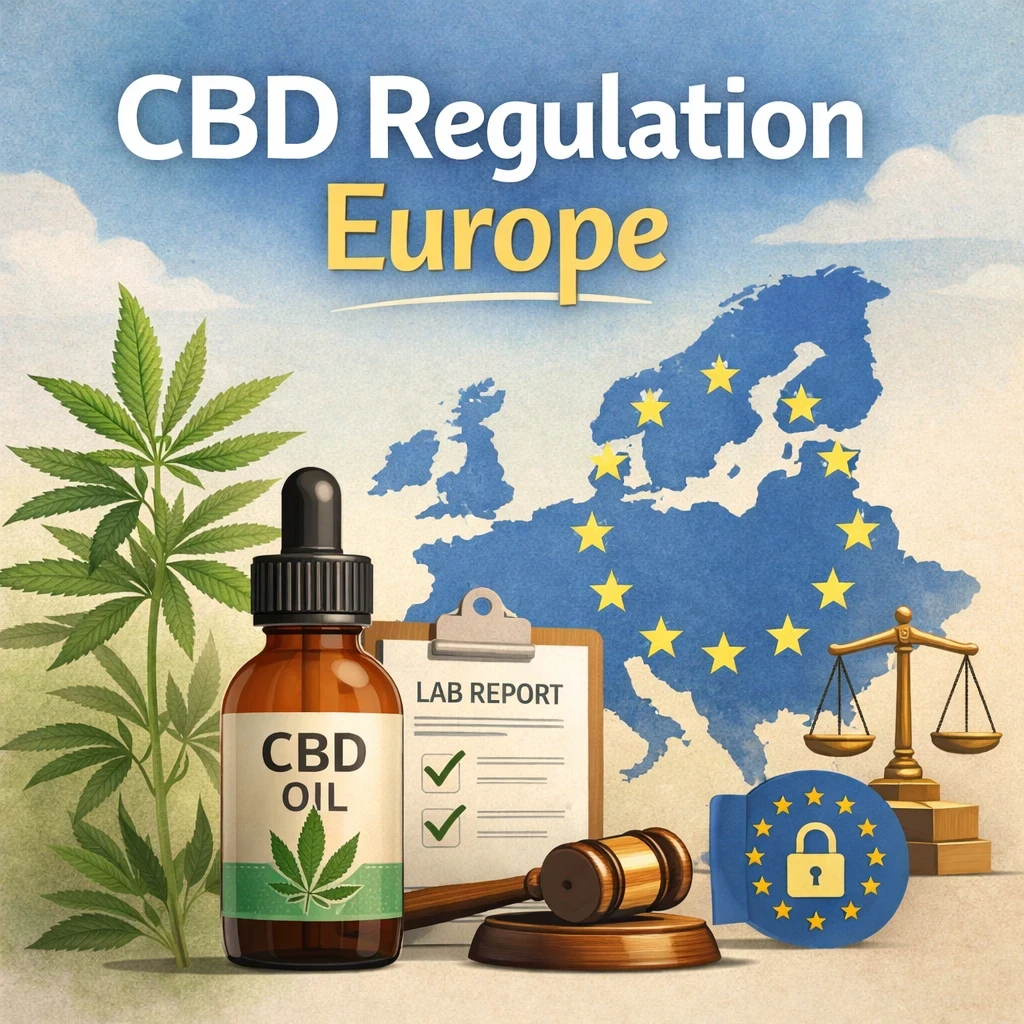
The first thing I noticed is that there isn’t one single rule across Europe. While the European Union sets general guidelines, each country still has its own interpretation.
That means:
CBD might be legal in one country but restricted in another
THC limits can vary slightly
Some products are allowed in certain forms but not others
From a customer point of view, this creates uncertainty. You’re not just buying a product—you’re trying to understand the law behind it.
What CBD Means Under European Law
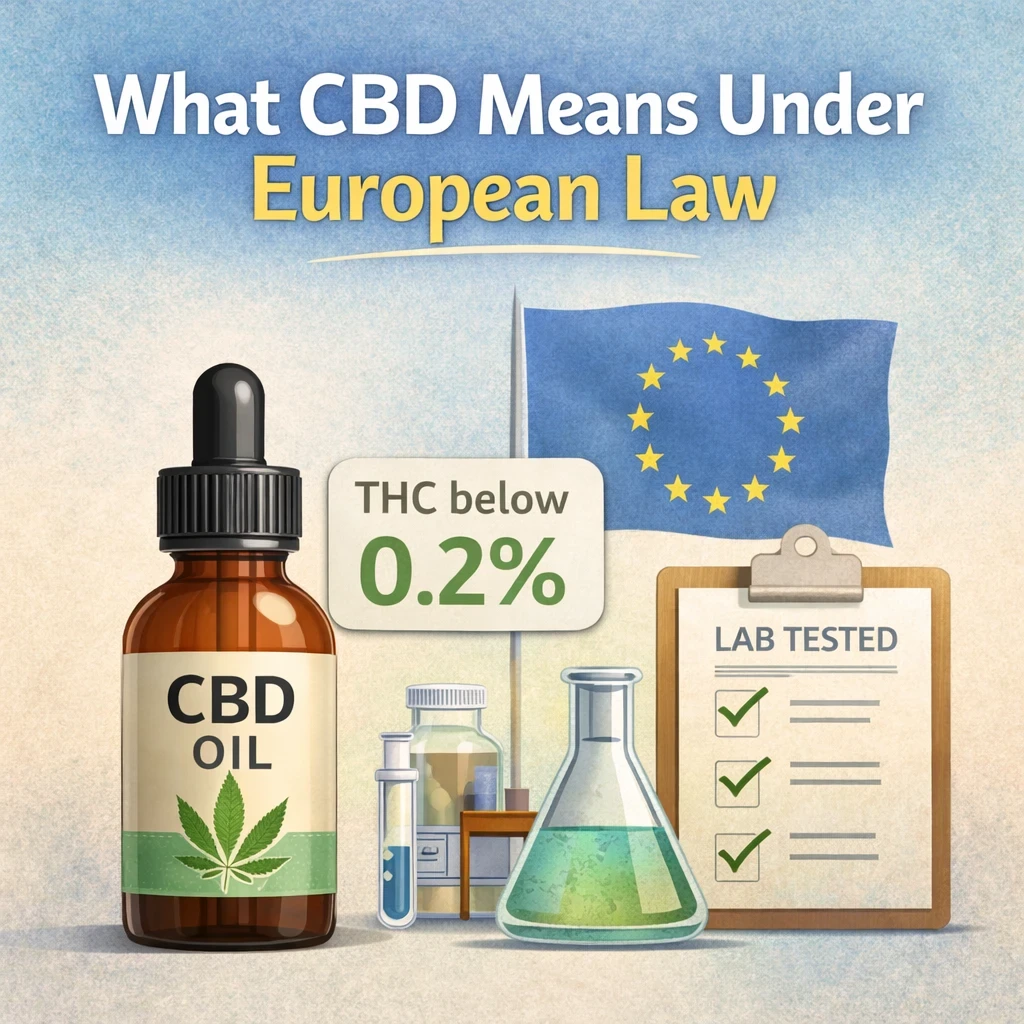
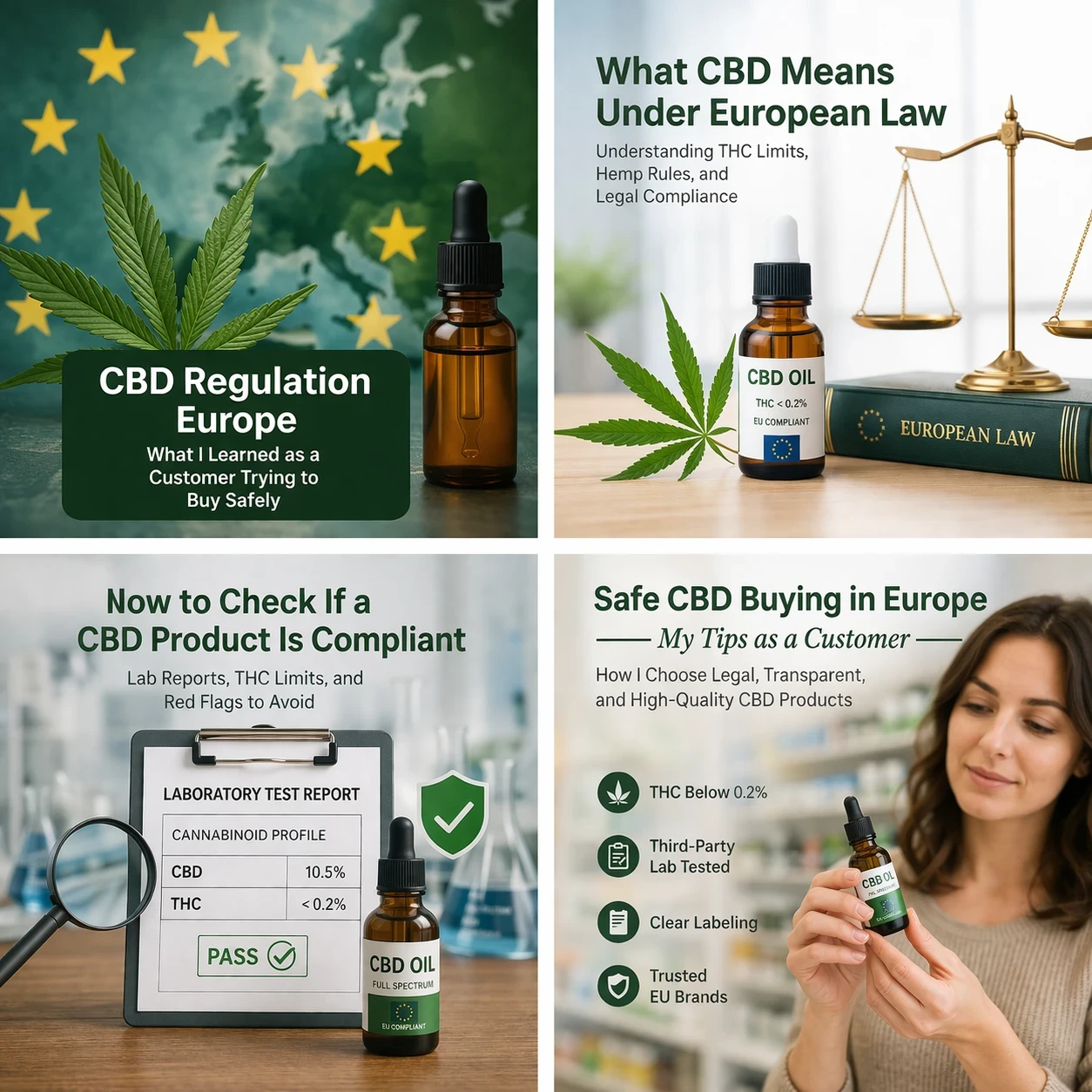
In simple terms, CBD (cannabidiol) is not considered a narcotic if it contains very low levels of THC. Across most of Europe, that limit sits at around 0.2% THC (though some countries allow 0.3%).
The key takeaway I learned:
CBD must be derived from approved hemp strains
THC content must stay within legal limits
Products must not make medical claims unless authorised
If you want a deeper breakdown of how this works in practice, I found this guide helpful while researching:
👉 CBD regulation in the UK – a clear guide for consumers
It helped me understand how regulations are applied in a real-world setting.
The “Novel Food” Rule – Something Most Customers Miss
One thing that caught me off guard was the idea of Novel Food approval.
CBD products intended for ingestion (like oils or gummies) must be authorised under rules set by the European Food Safety Authority.
What this means as a customer:
Not all CBD oils you see online are technically approved
Legitimate brands will reference Novel Food applications or compliance
Cheap products often skip this entirely
Once I understood this, I became much more selective about what I was buying.
My Biggest Concern – Is This Product Actually Legal?
This was probably the biggest question I kept asking myself.
Here’s what I now check every time:
1. THC Content
It should clearly state below 0.2% (or compliant with local law)
2. Third-Party Lab Reports
If there’s no lab test, I walk away
3. Country of Origin
Some countries have stricter production standards than others
4. Clear Labelling
If it feels vague, it usually is
These small checks made a big difference in avoiding low-quality or questionable products.
How Regulation Affects Real Use Cases
What surprised me most is how CBD regulation Europe impacts everyday use—not just legality.
For example, I originally looked into CBD for nerve-related discomfort. While researching, I came across:
👉 How effective is CBD for sciatica pain relief – added benefits
It gave me a better idea of how people are actually using CBD—but also reminded me that products cannot legally claim to treat conditions.
The same applies when exploring options like:
👉 CBD oil drops for fibromyalgia pain – introduction CBD oil drops
The information is there—but the products themselves must stay within strict marketing rules.
Why the Endocannabinoid System Gets Mentioned So Often
As I kept researching, I noticed nearly every CBD discussion mentions the body’s internal system.
That led me to this:
👉 CBD effects on endocannabinoid system – are explained
Understanding this helped me separate education from marketing claims.
And that’s important—because under CBD regulation Europe, companies can educate, but they can’t promise outcomes.
Country Differences I Didn’t Expect
Here’s something I didn’t realise at the start—rules can feel completely different depending on where you are:
Germany – Strict but structured, with9 strong compliance focus
France – Historically stricter, but evolving
Italy – More relaxed in some areas
Ireland – Legal but still cautious in enforcement
So even within Europe, your experience as a customer can change depending on location.
The Risk of Buying the Wrong Product
Before I understood CBD regulation Europe, I nearly bought products that:
Didn’t list THC levels
Had no traceable lab testing
Made unrealistic health claims
Looking back, those were clear red flags.
Regulation exists to protect customers—but only if you know what to look for.
External Resources That Helped Me Make Sense of It
These were genuinely useful when I was trying to understand things properly:
European Commission CBD guidance and Novel Food updates
European Monitoring Centre for Drugs and Drug Addiction overview of cannabis and CBD laws
Both helped me separate facts from marketing noise.
What I Do Differently Now
After going through all this, my approach is much simpler:
I only buy from brands that clearly explain compliance
I check lab reports before anything else
I avoid anything making bold health claims
I stick to sellers who understand European regulations
It’s not about finding the “strongest” product—it’s about finding one that’s safe, transparent, and legal.
A Balanced View as a Customer
CBD can be interesting, and a lot of people are exploring it for different reasons. But what stood out to me most is this:
CBD regulation Europe isn’t there to make things difficult—it’s there to protect you.
Once I understood the rules, buying CBD actually became easier—not harder.
You just need to know what to look for.
And if you’re like me—someone who just wants clarity before making a decision—that knowledge makes all the difference.
Scientific Studies
https://www.health.harvard.edu/blog/cannabidiol-cbd-what-we-know-and-what-we-dont-201808242496