CBD Regulation In The UK A Clear Guide For Consumers
CBD Regulation in the UK
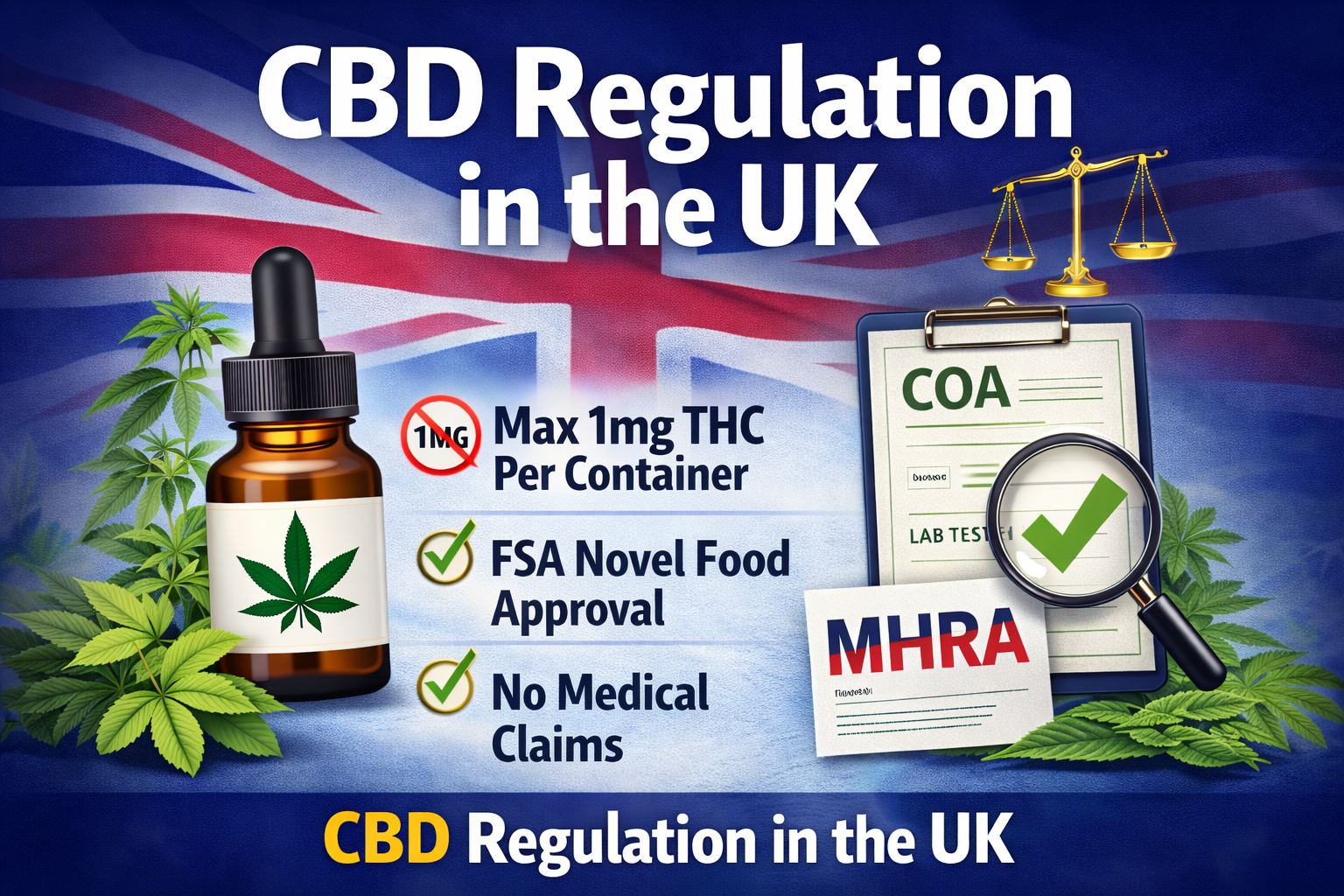
CBD regulation in the UK is evolving, but the core rules are now much clearer than they were a few years ago.
If you’re buying, using, or writing about CBD, understanding these regulations helps you stay compliant and avoid low-quality or misleading products.
What Is CBD and Is It Legal in the UK?
CBD (cannabidiol) is a non-psychoactive compound found in hemp. It does not produce a “high,” which is why it is treated differently from cannabis.
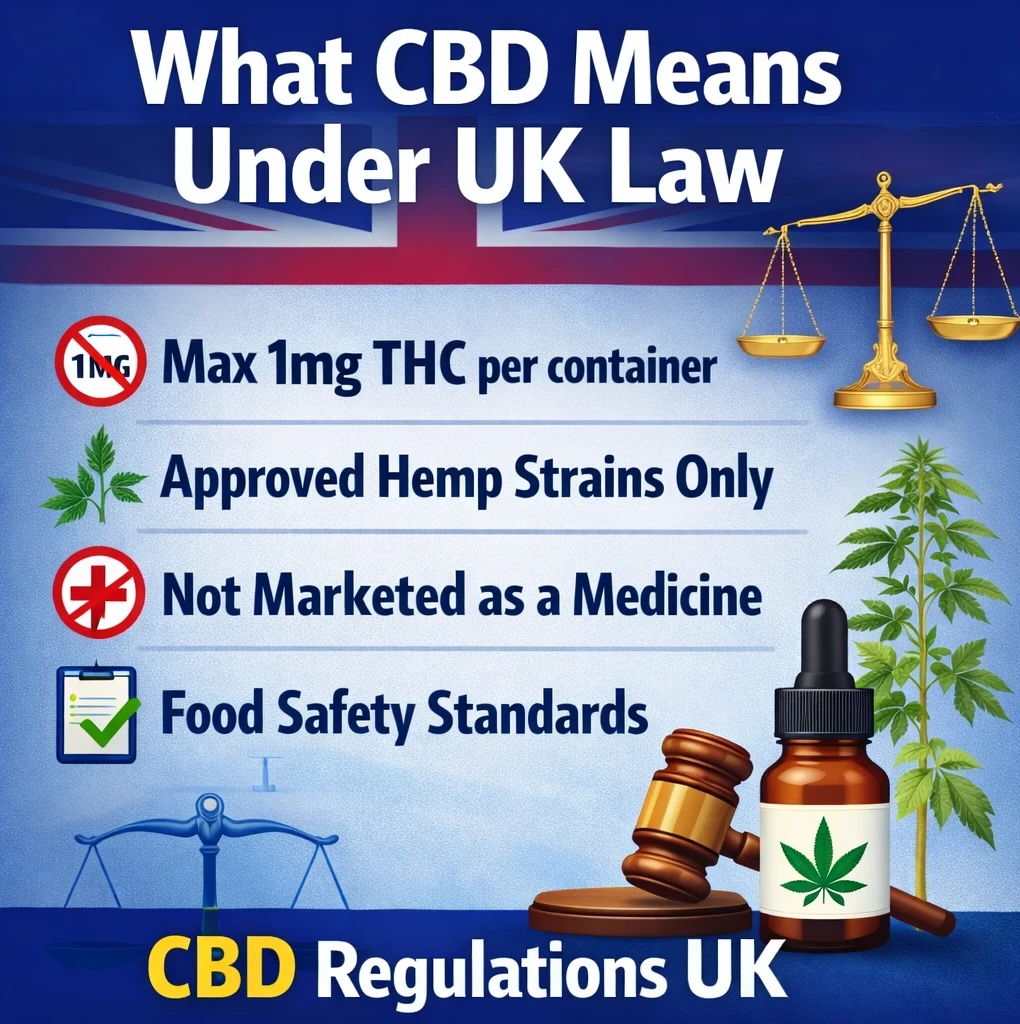
Under CBD regulation in the UK, CBD is legal if:
- It is derived from approved industrial hemp strains
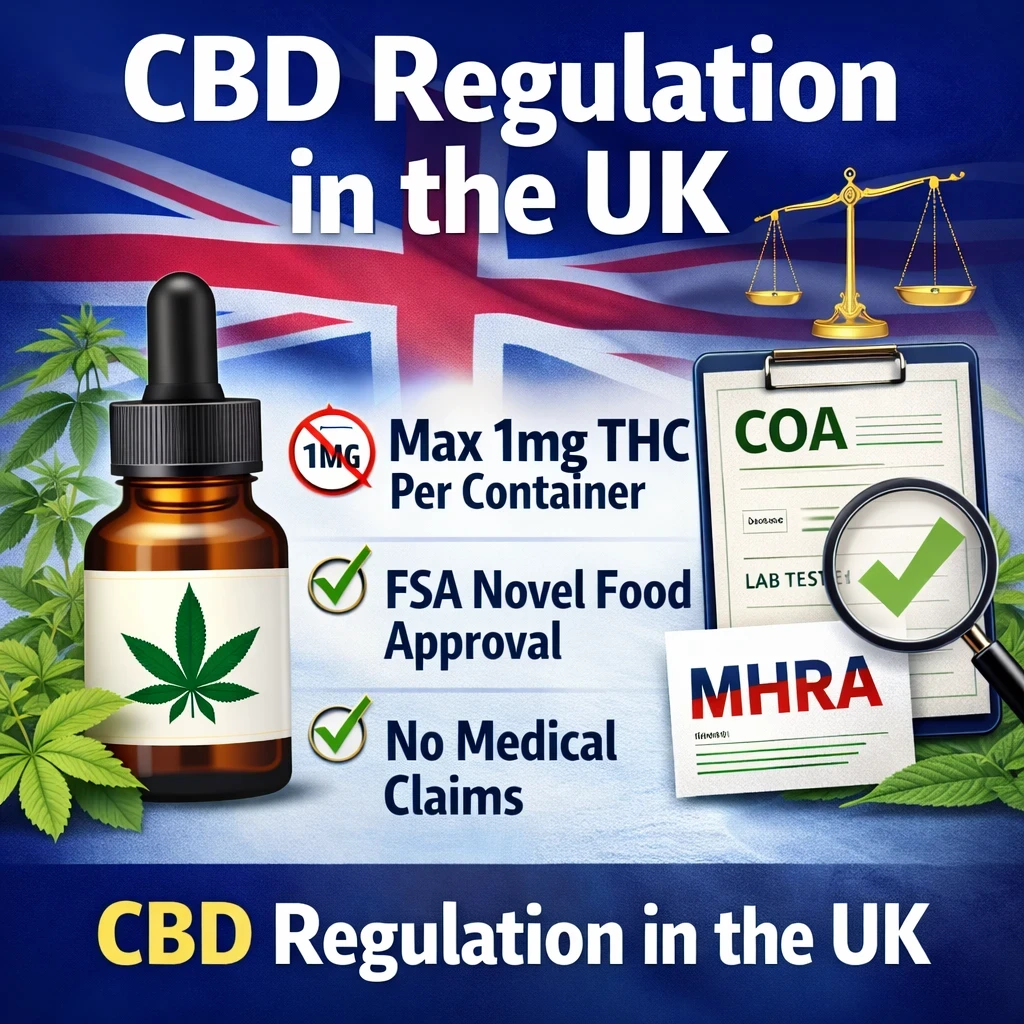
- It contains no more than 1mg THC per container
- It is not sold as a controlled substance
- It meets all relevant safety and labelling standards
CBD itself is legal—but only when these conditions are followed carefully.
The Role of the FSA
The (FSA) is responsible for regulating CBD products that are consumed, such as oils, capsules, and edibles.
CBD is classified as a novel food, which means:
- Products must go through an approval process
- Safety data must be submitted
- Only products linked to validated applications can remain on sale
This is one of the most important aspects of CBD regulation in the UK, as it ensures products are safe for consumers.
THC Limits and Legal Thresholds
THC (tetrahydrocannabinol) is the compound responsible for the psychoactive effects of cannabis.
Under CBD regulation in the UK:
- Products must contain no more than 1mg THC per container
- Even full-spectrum CBD must stay within this limit
- Products exceeding this threshold are illegal
This strict limit is a key part of maintaining legal compliance.
Medical Claims and the
CBD cannot legally be marketed as a medicine unless approved by the (MHRA).
This means:
- No claims to treat or cure conditions
- No medical language without licensing
- CBD must be marketed as a food supplement or cosmetic
This is a crucial distinction in CBD regulation in the UK, especially for businesses and content creators.
Cosmetic vs Consumable CBD Products
CBD products fall into different regulatory categories depending on how they are used.
Consumable CBD (oils, capsules, gummies):
- Regulated as novel foods
- Must comply with FSA rules
Topical CBD (creams, balms):
- Regulated under cosmetic safety laws
- Must meet ingredient and safety standards
Understanding this difference helps you stay aligned with CBD regulation in the UK when choosing or promoting products.
How to Check If a CBD Product Is Compliant
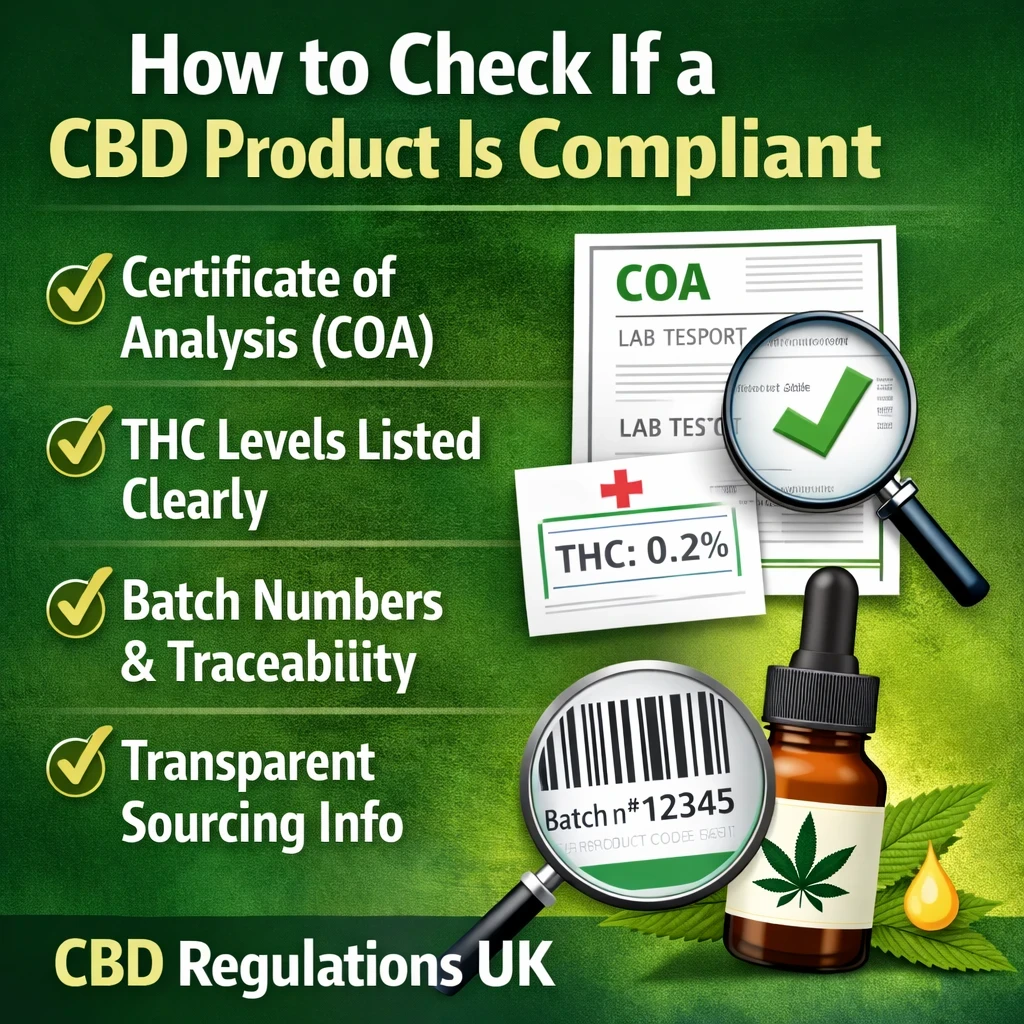
To make sure a product meets CBD regulation in the UK, look for:
- A Certificate of Analysis (COA) from a third-party lab
- Clearly listed THC content
- Batch numbers for traceability
- Transparent sourcing and ingredients
These are strong indicators of a compliant, safe for pain issues such as sciatica a trustworthy product.
Importing CBD into the UK
CBD products can be imported, but they must still follow UK rules.
- THC limits must be respected
- Products must meet labelling and safety standards
- Non-compliant imports can be seized or destroyed
Even if CBD is legal elsewhere, it must meet CBD regulation in the UK to be sold or used legally.
What This Means for Consumers
For everyday users, CBD regulation in the UK is designed to protect you.
It ensures:
- Products are properly tested
- THC levels are controlled
- Labels are accurate and not misleading
This creates a safer environment as the CBD market continues to grow.
A Balanced Perspective
CBD regulation in the UK is still developing, and not all products on the market fully meet the latest standards.
That’s why it helps to:
- Choose transparent, well-tested brands
- Avoid exaggerated claims
- Stay informed about regulatory updates
Understanding regulations in the UK gives you a clear advantage when navigating the CBD space with confidence.
Scientific and Regulatory References
- https://www.food.gov.uk/business-guidance/cannabidiol-cbd
- https://www.gov.uk/government/publications/cannabis-cbd-and-other-cannabinoids
- https://www.mhra.gov.uk/home