Chronic Back Pain Treatment Science Based Options
Chronic Back Pain Treatment
Chronic back pain treatment is an important topic for millions of people living with ongoing discomfort that affects movement, sleep, and overall quality of life.
Unlike short-term pain caused by a minor injury, chronic back pain usually lasts longer than three months and may involve complex physical, neurological, and lifestyle factors.

Understanding chronic back pain treatment options can help people explore strategies that may reduce symptoms, improve mobility, and support long-term spinal health.
In most cases, the best results come from combining several approaches such as exercise, posture correction, lifestyle adjustments, and targeted therapies.
Modern pain science also recognizes that chronic pain often involves both tissue sensitivity and nervous system changes.
As a result, chronic back pain treatment usually focuses on restoring movement, calming inflammation, and improving how the body processes pain signals.

What Is Chronic Back Pain?
Chronic back pain refers to persistent discomfort in the spine, muscles, or surrounding tissues that continues for more than twelve weeks.
Common symptoms include:
• Constant dull aching in the lower or middle back
• Stiffness after sitting or resting
• Sharp pain during movement or lifting
• Muscle tightness or spasms
• Pain that spreads to the hips or legs
In some people, chronic back pain develops gradually due to long-term strain or posture issues. In others, it may follow injuries such as a slipped disc, muscle tear, or joint irritation.
Because several structures can contribute to pain, chronic back pain treatment often focuses on improving function rather than trying to eliminate pain completely.
Why Chronic Back Pain Develops
Many different factors may contribute to chronic back pain.
Muscle and Ligament Strain
Repeated lifting, sudden twisting movements, or poor posture can strain the muscles that support the spine. If these tissues do not fully recover, pain may persist.
Degenerative Disc Changes
The discs between spinal vertebrae act as cushions. Over time they may lose hydration and flexibility, which can contribute to stiffness and discomfort.
Herniated or Bulging Discs
When a spinal disc protrudes outward it may press on nearby nerves, causing pain that radiates into the legs or hips.
Facet Joint Irritation
Small joints in the spine help control movement. Arthritis or repeated stress may inflame these joints and trigger ongoing pain.
Lifestyle factors such as sedentary behavior, poor ergonomics, or prolonged sitting may also contribute to chronic back pain.
Research shows that inactivity can worsen musculoskeletal pain and limit recovery.

Conservative Chronic Back Pain Treatment Options
Most healthcare providers recommend conservative approaches as the first step in chronic back pain treatment.
Physical Therapy
Physical therapy is considered one of the most effective treatment strategies for chronic back pain.
Programs often include:
• Core strengthening exercises
• Stretching routines
• Postural correction
• Movement retraining
Strengthening the muscles around the spine helps improve stability and reduce stress on joints and discs.
Exercise therapy has moderate evidence supporting its effectiveness for chronic low back pain and may improve pain levels compared with no treatment.
Gentle Exercise and Movement
Although resting may help during the early stages of injury, long periods of inactivity often worsen chronic pain.
Low-impact activities that may support recovery include:
• Walking
• Swimming
• Cycling
• Yoga
• Mobility exercises
Exercise improves circulation, strengthens muscles, and supports nervous system regulation.
Studies consistently show that physical activity can reduce pain and improve function in people with chronic back pain.

Heat and Cold Therapy
Natural Heat therapy may help relax tight muscles and increase blood flow to injured tissues.
Cold therapy may help reduce inflammation during pain flare-ups.
Many people alternate between heat and cold depending on their symptoms.
This family owned business are experts in heat and cold therapy products.
Posture and Ergonomic Improvements
Poor sitting posture can place significant stress on spinal structures.
Adjusting workspaces and daily habits may support long-term recovery.
Simple ergonomic changes include:
• Using supportive seating
• Adjusting desk and monitor height
• Taking regular movement breaks
• Using lumbar support cushions
Many people also explore supportive equipment such as affordable back pain relief products that support everyday comfort.
Natural and Lifestyle Approaches
Lifestyle changes can play an important role in chronic back pain treatment.
Anti-Inflammatory Nutrition
Certain foods may support healthy inflammatory balance. Diets rich in vegetables, fruits, omega-3 fats, and whole grains may support recovery and overall health.
People exploring holistic approaches often look into natural remedies for back pain as part of a broader strategy.
Weight Management
Excess body weight can increase pressure on spinal discs and joints. Maintaining a healthy weight may reduce strain on the lower back.
Sleep Optimization
Poor sleep can increase pain sensitivity. Supportive mattresses, proper sleep posture, and consistent sleep schedules may help improve recovery.
Stress Reduction
Chronic stress can increase muscle tension and amplify pain signals.
Relaxation techniques such as breathing exercises, meditation, and gentle stretching may help regulate the nervous system.
Targeted Therapies for Chronic Back Pain
If conservative approaches provide limited relief, additional therapies may be considered.
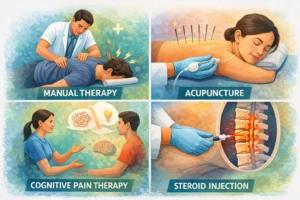
Manual Therapy
Manual therapy techniques such as chiropractic adjustments, osteopathy, and therapeutic massage may help improve joint mobility and reduce muscle tension.
Acupuncture
Acupuncture involves inserting fine needles into specific points on the body.
Some studies suggest it may help stimulate natural pain-relieving chemicals and influence nerve signaling.
Cognitive Pain Therapy
Chronic pain is influenced by emotional and neurological factors.
Cognitive behavioral therapy and pain education programs may help reduce fear of movement and improve coping strategies.
Research shows that treatment programs combining exercise, education, and psychological support often produce better outcomes than single interventions.
When Medical Treatments May Be Needed
In some cases, medical interventions may be required as part of chronic back pain treatment.
Prescription Medications
Doctors may prescribe medications such as:
• Anti-inflammatory drugs
• Muscle relaxants
• Nerve pain medications
These are usually recommended alongside physical therapy rather than used alone.
Steroid Injections
Epidural steroid injections may reduce inflammation around irritated spinal nerves.
These injections may provide temporary relief that allows people to participate more comfortably in rehabilitation programs.
Surgical Treatment
Surgery is generally considered only when other treatments fail and clear structural problems exist.
Examples include:
• Spinal decompression
• Disc removal
• Spinal fusion
Even after surgery, rehabilitation and exercise remain important parts of recovery.
Ergonomic Support Tools
Certain tools may complement chronic back pain treatment by improving posture and reducing mechanical strain.
Examples include:
• Lumbar support cushions
• Adjustable standing desks
• Back braces for temporary support
• Supportive office chairs
Many people working long hours at desks benefit from ergonomic office chairs for back pain relief, which help maintain proper spinal alignment during prolonged sitting.
When to Seek Medical Advice
Although many cases of chronic back pain improve with conservative care, medical evaluation is important if certain symptoms appear.
Seek medical advice if you experience:
• Severe or worsening pain
• Numbness or weakness in the legs
• Loss of bladder or bowel control
• Pain after a fall or injury
• Unexplained weight loss
These symptoms may indicate conditions that require prompt medical attention.
Limitations of Current Treatments
Despite advances in pain research, chronic back pain can be challenging to treat.
Studies suggest that many individual treatments produce only modest benefits when used alone, which is why comprehensive programs combining multiple strategies are often recommended.
Long-term improvement usually depends on strengthening supportive muscles, maintaining movement, and addressing lifestyle factors.
A Balanced Perspective on Chronic Back Pain Treatment
Chronic back pain treatment rarely relies on a single solution.
Instead, most people benefit from a combination of approaches tailored to their specific condition.
For some individuals, exercise and posture correction provide meaningful relief. Others may need targeted therapies or medical treatments depending on the cause of their pain.
Learning how pain works, staying active, and supporting spinal health through daily habits can significantly improve long-term outcomes.
Although chronic back pain can be frustrating, many people find that consistent small improvements in movement, strength, and lifestyle lead to lasting progress.
Scientific Studies
https://pubmed.ncbi.nlm.nih.gov/34580864/
https://pubmed.ncbi.nlm.nih.gov/36203645/
https://pubmed.ncbi.nlm.nih.gov/31009547/
Nice breakdown, love the pictures to follow along with, keep the material engaging and simple to understand. So much more to avoiding back pain and posture issues, especially as i spend more time at the computer. I do not have any problems yet and think that I am going to extra proactive to avoid any. Always have to remind myself to sit up straight and to take breaks to stretch or walk. Interested to see so many options and ideas of how to avoid or solve such issues.
Thanks John. All the best, Fintan
Such a clear and compassionate guide! I love how you broke down chronic back pain treatments in a way that feels both science‑based and genuinely hopeful. The mix of lifestyle strategies, physical therapy options, and evidence‑supported medical approaches gives people a much more realistic picture of what long‑term relief can look like. Your emphasis on understanding the cause of the pain rather than chasing quick fixes was especially powerful.
The way you explained the role of movement, posture, and strengthening was so grounding—small, consistent habits really do make a huge difference over time. And I appreciated how you highlighted when it’s important to involve a professional so people don’t feel like they have to navigate everything alone.
I’m curious—out of all the treatment options you covered, which one do you think people tend to overlook even though it could help them the most?
Hi Kiersti,
Thank you for reading this article, people with chronic back pain tend to overlook simple things that could help. For example movement, even though living with chronic back pain can mean mobility is not always possible some small movement on a daily basis can help.