Golfers Elbow Treatment Methods A Clear, Practical Easy To Follow Guide
Golfers Elbow Treatment Methods
Golfers Elbow Treatment Methods: A Clear, Easy to Follow Practical Guide to Recovery and Long-Term Relief
Golfers elbow treatment methods are essential if you’re dealing with inner elbow pain, stiffness, or weakness when gripping or lifting.
The good news is that most cases improve with the right combination of rest, movement, and targeted support.
This guide explains what golfers elbow is, why it happens, and the most effective elbow treatment methods you can start using today.
What Is Golfers Elbow?
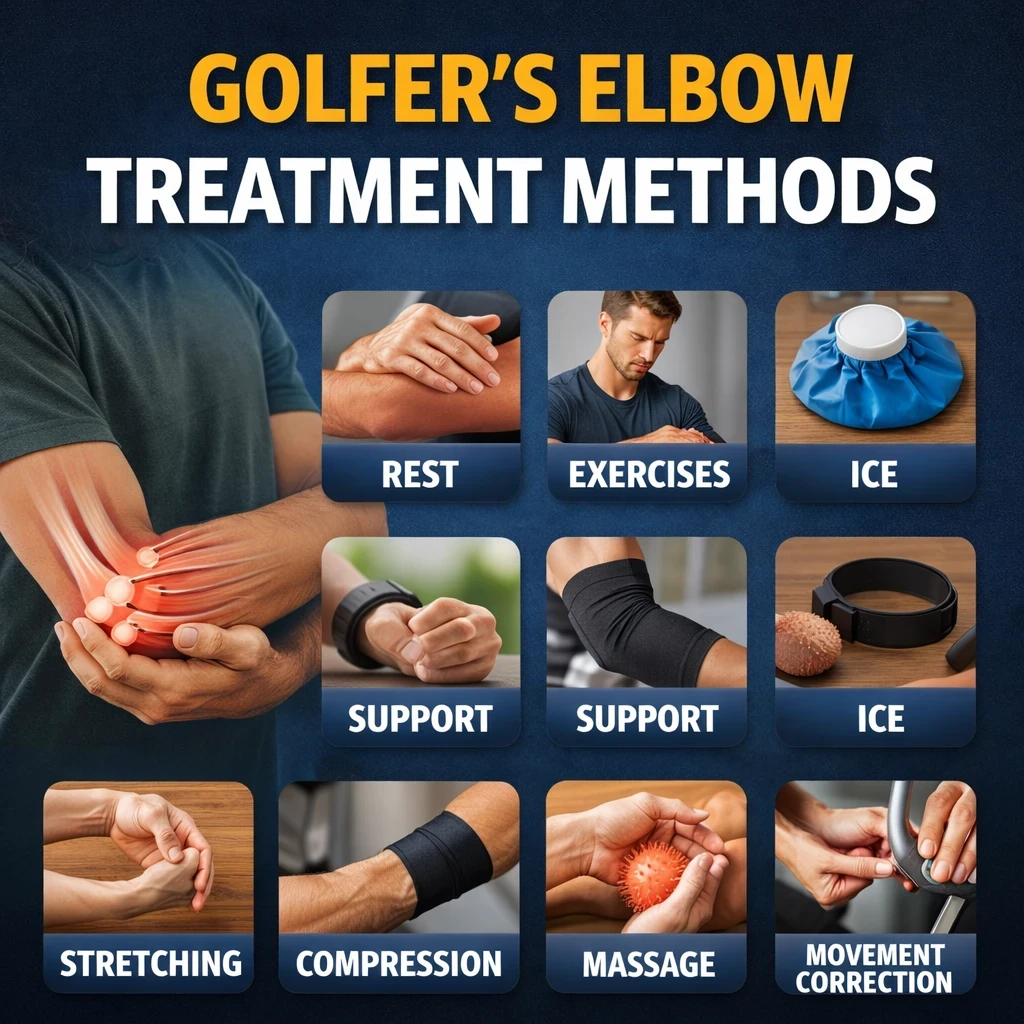
Golfers elbow, also called medial epicondylitis, affects the tendons on the inside of your elbow.
These tendons connect your forearm muscles to the bone and help control wrist and finger movement.
It is not limited to golfers. Repetitive gripping, lifting, or wrist flexion from gym training, manual work, racket sports, or daily tasks can irritate the tendon over time.
Why It Happens
Understanding the cause helps you choose the right treatment methods instead of simply masking symptoms.
Common triggers include:
Repetitive wrist flexion
Poor lifting or sports technique
Weak forearm muscles
A sudden increase in activity
Limited recovery time between sessions
Overload tends to build gradually. At first, you may notice mild discomfort. Later, gripping, lifting, or bending the elbow can become more painful.
Key Symptoms to Watch For
Early recognition often makes golfers elbow treatment methods more effective.
Pain on the inside of the elbow
Pain when flexing the fingers
Discomfort when bending the elbow
Weak grip strength
Morning stiffness
Tenderness around the inner elbow
Symptoms often worsen with activity and ease slightly with rest.
Golfers Elbow Treatment Methods That Work
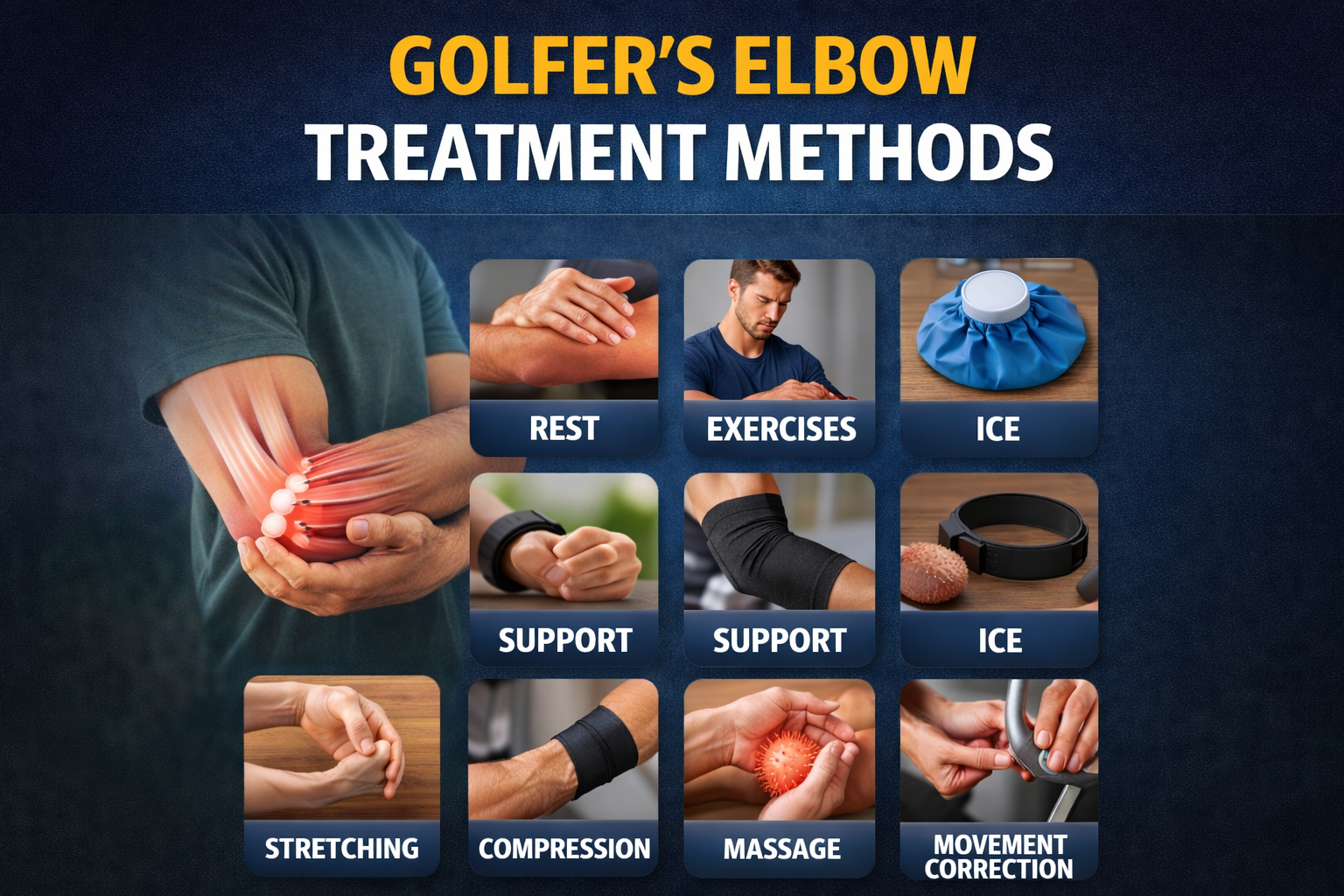
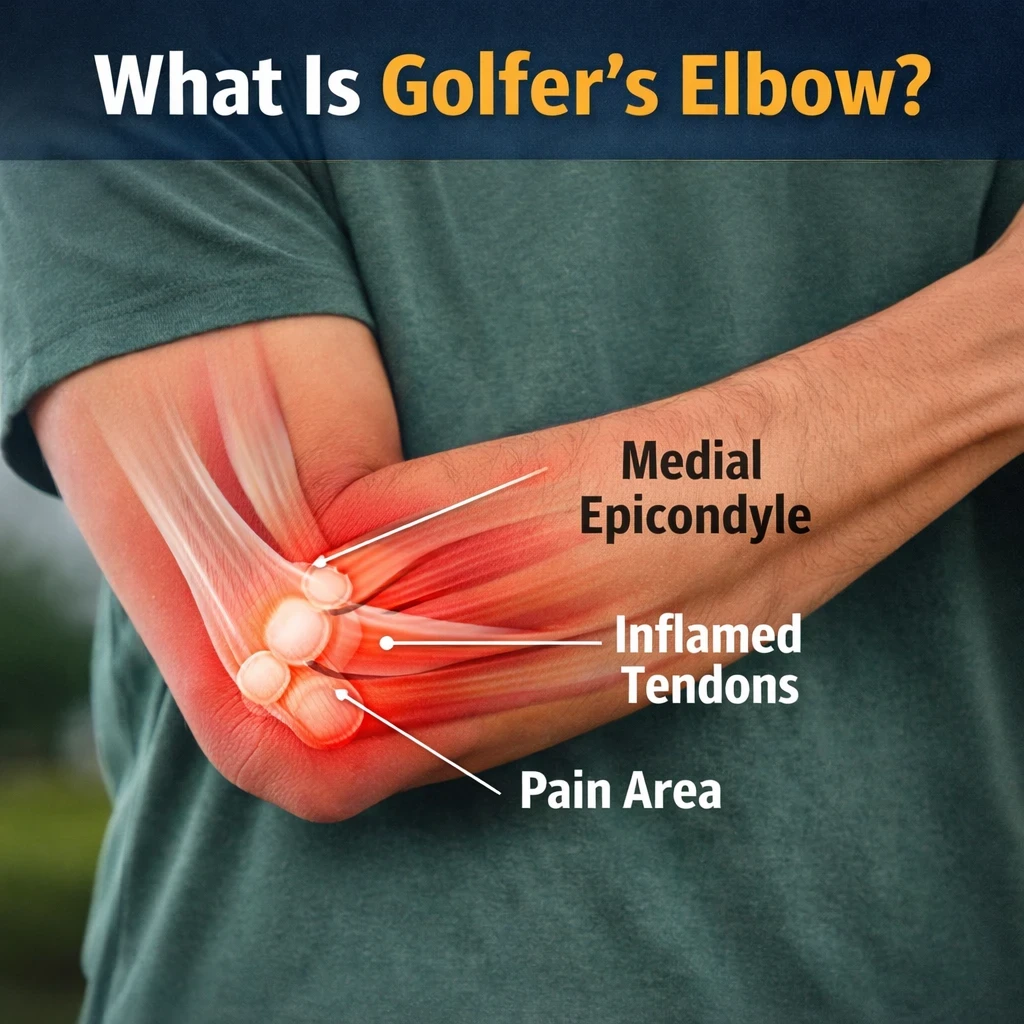
1. Relative Rest
Reduce painful movements while keeping the arm gently active. Avoid heavy gripping, reduce training load, and modify daily tasks where needed.
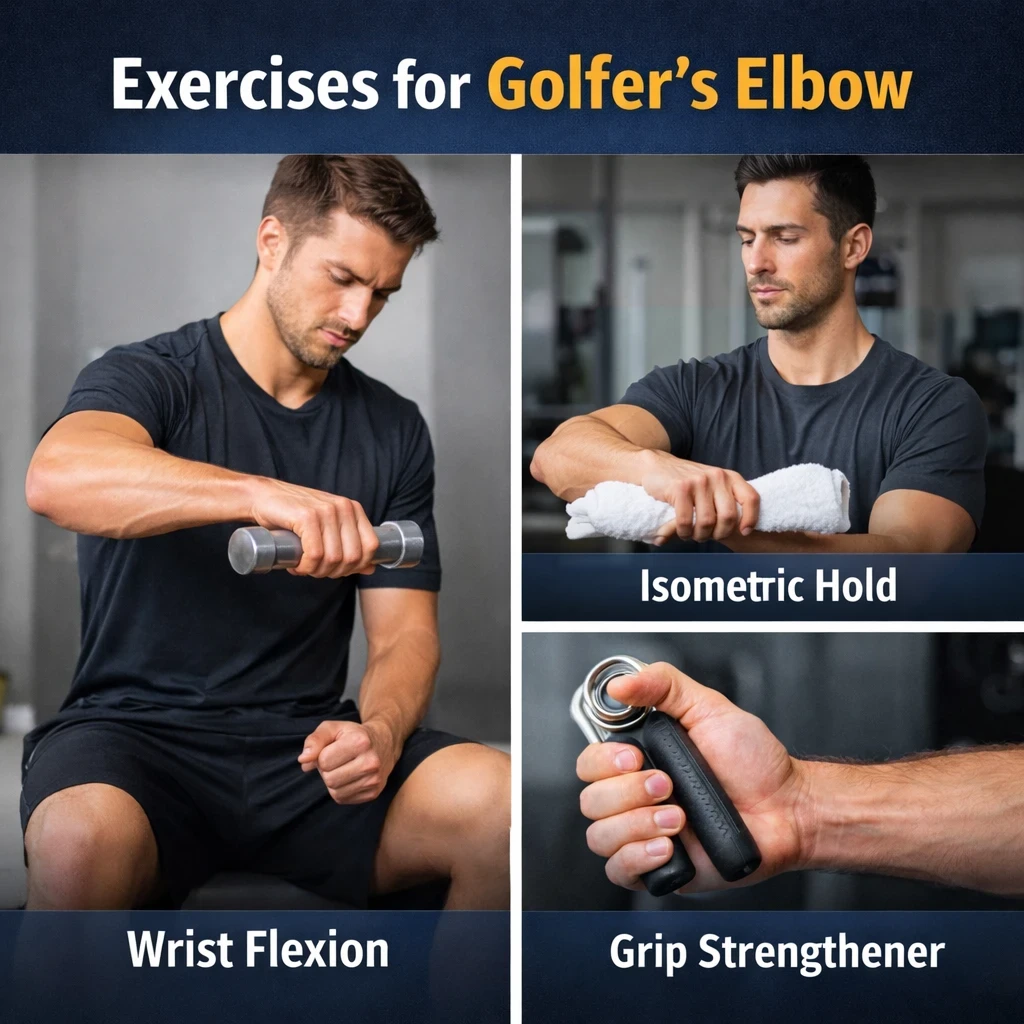
2. Gradual Loading and Exercise
Start with light wrist flexion exercises, isometric holds, and slow resistance training. Build strength gradually rather than pushing too hard too soon.
Forearm strengthening exercises for pain relief
https://beyond-pain-relief.com/forearm-strengthening-exercises-for-pain-relief/
3. Stretching the Forearm Muscles
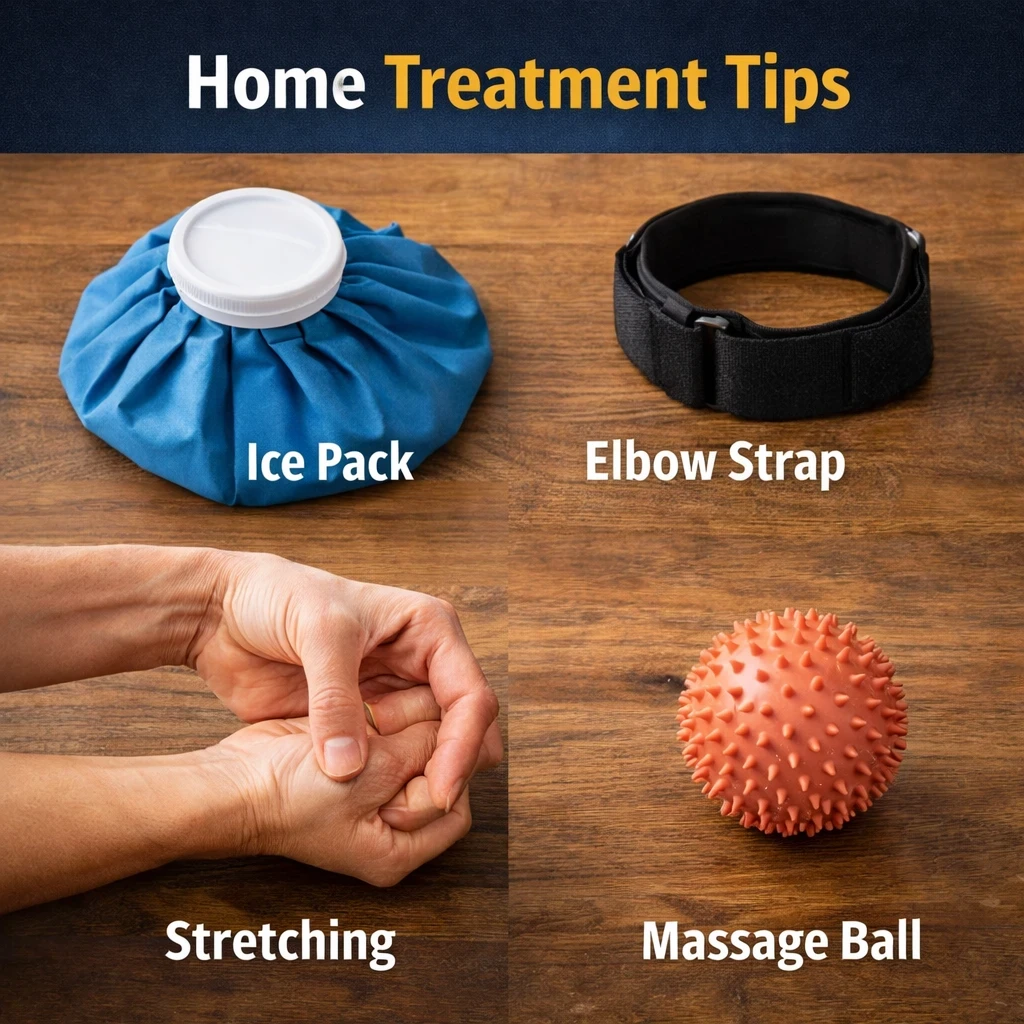
Use gentle wrist flexor and extensor stretches. Hold each stretch for 20 to 30 seconds without forcing the movement.
4. Ice and Pain Management
Apply ice for 10 to 15 minutes after activity to calm irritation.
Natural pain relief methods that work
https://beyond-pain-relief.com/natural-pain-relief-methods-that-work/
5. Compression and Support
Elbow straps
Compression sleeves
These can reduce strain during activity but should be used alongside exercise and recovery strategies.
Go to Vive Health for Golfers elbow products Here.
6. Technique and Movement Correction
Adjust grip, improve lifting mechanics, and reduce repetitive strain. Small changes can make a big difference.
7. Massage and Soft Tissue Work
Use light massage or a massage ball on the forearm muscles to reduce tension. Avoid pressing directly on the painful tendon.
8. Progressive Return to Activity
Gradually increase load and intensity. Monitor symptoms and adjust if pain increases.
Supportive Tools That May Help
Resistance bands
Grip trainers
Heat wraps
Elbow pain relief products that can help
https://beyond-pain-relief.com/elbow-pain-relief-products-that-can-help/
Long-Term Recovery Strategy
Build forearm strength gradually
Improve mobility and flexibility
Avoid sudden spikes in activity
Stay consistent with rehab
This helps reduce the risk of the condition returning.
When to Seek Professional Help
Pain lasting more than 6 to 8 weeks
Symptoms getting worse
Noticeable loss of strength
Difficulty with daily tasks
A physiotherapist can guide more advanced recovery strategies.
FAQ
What are the most effective golfers elbow treatment methods?
The most effective treatment methods include relative rest, gradual strengthening exercises, stretching, and activity modification.
Combining these approaches tends to deliver better results than relying on just one method alone.
How long do golfers elbow treatment methods take to work?
Most golfers elbow treatments start to show improvement within 2 to 6 weeks.
Full recovery can take longer depending on severity, consistency, and whether the underlying cause is addressed.
Should I rest completely or keep moving?
Complete rest is rarely recommended. The best golfers elbow treatment methods involve reducing painful activities while continuing gentle, controlled movement to maintain strength and flexibility.
Do braces or supports help golfers elbow?
Yes, braces can support recovery when used correctly.
While they don’t fix the issue on their own, they can reduce strain and complement other golfers elbow treatment methods like exercise and load management.
What exercises are best for golfers elbow?
The most effective exercises used in golfers elbow treatment methods include wrist flexion strengthening, isometric holds, and slow resistance training.
These help rebuild tendon strength over time.
Can golfers elbow heal on its own?
Mild cases may improve naturally, but without proper treatment methods, symptoms can persist or return. Active recovery is usually the most reliable path.
Final Thoughts
With the right golfers elbow treatment methods, most people recover well. Stay consistent, build strength gradually, and avoid rushing the process.
Scientific Study
https://pubmed.ncbi.nlm.nih.gov/27582998/