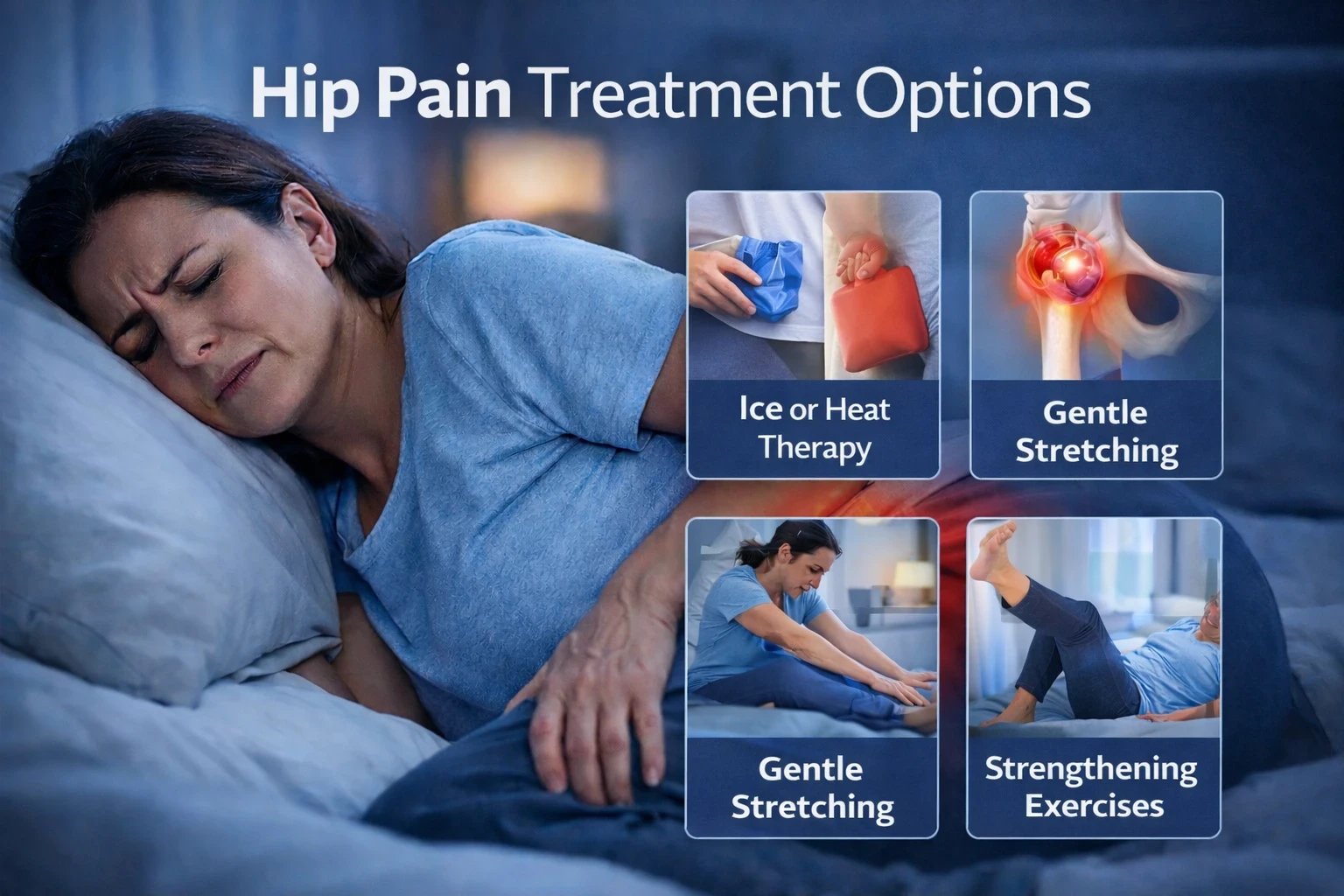
Hip Pain Treatment Options Vary Depending On
Hip Pain Treatment Options
Hip pain treatment options vary depending on the underlying cause, the severity of symptoms, and how long the pain has been present.
The hip joint carries much of the body’s weight and plays a central role in walking, bending, and stabilizing movement.
Because of this constant demand, irritation, inflammation, or structural strain can easily develop over time.
Understanding hip pain treatment options can help people choose practical strategies that support recovery while protecting long-term joint health.
What Causes Hip Pain?
Before exploring hip pain treatment options, it is helpful to understand what may trigger discomfort in the first place.
The hip joint is a ball-and-socket structure surrounded by muscles, tendons, ligaments, and cushioning bursae.
Hip pain can emenate from any of these areas.
Common causes include inflammation, muscle imbalance, repetitive strain, or age-related joint wear.
In some cases, injuries such as falls or sports overuse may also contribute.
Conditions frequently linked with hip pain include:
• Hip bursitis
• Tendon irritation around the hip joint
• Muscle tightness or weakness
• Osteoarthritis
• Lower back problems that refer pain to the hip
Some individuals also notice that discomfort increases at night.
You can learn more about this in the guide on hip pain when sleeping, where pressure and sleep position may aggravate symptoms.
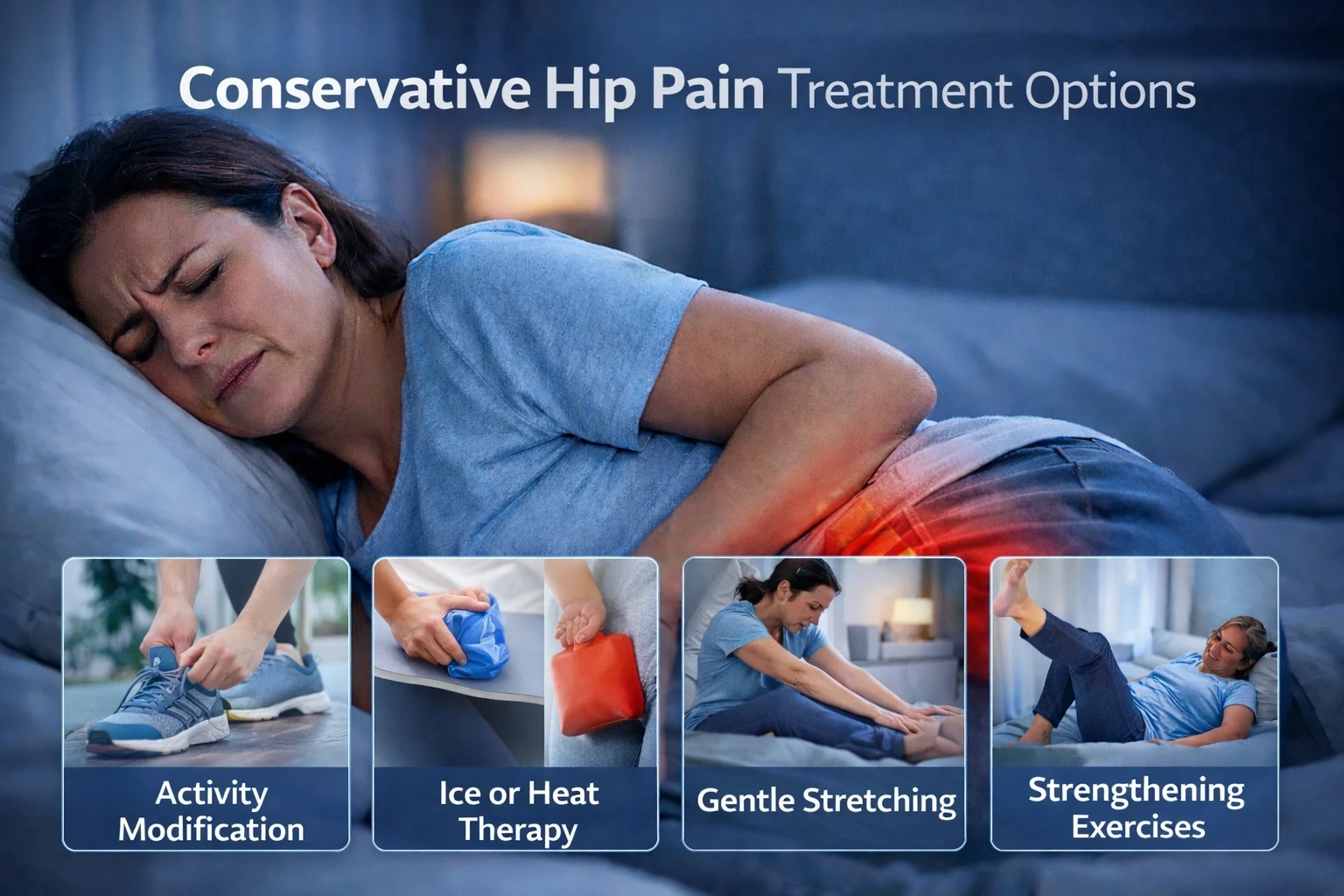
Conservative Hip Pain Treatment Options
For many people, the first line of hip pain treatment options focuses on conservative, non-surgical strategies.
These approaches aim to reduce inflammation, restore movement, and improve joint stability.
Activity Modification
Reducing activities that aggravate the hip can allow irritated tissues time to recover.
For example, limiting prolonged standing, high-impact exercise, or repetitive stair climbing may help reduce strain.
However, complete rest is rarely ideal. Gentle movement helps maintain joint mobility and circulation.
Ice or Heat Therapy
Cold packs may help reduce inflammation in the early stages of hip pain, particularly after activity.
Heat therapy may be more helpful for muscle tightness or stiffness.
Many people alternate between the two depending on their symptoms.
Go to this family owned business for more information
Gentle Stretching
Tight muscles around the hip can increase pressure on the joint. Stretching the hip flexors, glutes, and surrounding muscles may reduce tension and improve mobility.
Stretching programs similar to those discussed in hip bursitis stretching routines may help maintain flexibility while supporting recovery.
Strengthening Exercises
Strengthening the muscles that stabilize the hip joint can improve alignment and reduce stress on irritated tissues.
Gluteal strengthening, for example, helps distribute forces more evenly during walking and standing.
Over time, improved muscle support can reduce recurring pain episodes.
Addressing Inflammation Around the Hip
Inflammation is a common contributor to hip pain.
When soft tissues become irritated, the body responds by increasing blood flow and releasing inflammatory chemicals.
While this response is part of healing, excessive inflammation can prolong discomfort.
Anti-inflammatory strategies may help manage this process.
Nutritional Support
Certain nutrients and natural compounds may help support the body’s inflammatory balance.
Omega-3 fatty acids, turmeric, and other plant-based compounds are often discussed in this context.
Go to HerbsPro for more pain relief supplements information.
Some individuals also explore broader nutritional strategies discussed in the article on natural pain relief supplements.
Weight Management
Maintaining a healthy body weight may reduce pressure on weight-bearing joints such as the hips and knees.
Even modest weight reduction can significantly decrease joint load during daily movement.
Targeted Exercise and Rehabilitation
Exercise is often one of the most effective hip pain treatment options when applied carefully and progressively.
Physical therapy programs typically focus on restoring balanced muscle function around the hip and pelvis.
This may include strengthening the glutes, improving core stability, and correcting movement patterns that place excessive strain on the joint.
Recovery exercises can be particularly helpful for people dealing with inflammation around the hip bursae.
Many of these approaches are explored in hip bursitis recovery exercises for athletes.
Gradual progression is important. Exercises that are too intense or performed too quickly can worsen symptoms.
Supportive Tools and Lifestyle Adjustments
In addition to exercise and mobility work, certain lifestyle adjustments may help reduce ongoing hip strain.
Ergonomic Sleep Position
Because pressure on the hip during sleep may aggravate symptoms, adjusting sleep posture can sometimes provide relief.
Sleeping on the back or placing a pillow between the knees when side sleeping may help maintain hip alignment.
Supportive Footwear
Shoes that provide adequate cushioning and support may help absorb impact forces that travel through the hips during walking.
Poor footwear can contribute to biomechanical stress that eventually reaches the hip joint.
Gradual Return to Activity
When recovering from hip pain, returning slowly to normal activities helps prevent flare-ups. Gradual increases in walking distance or exercise intensity allow tissues time to adapt.
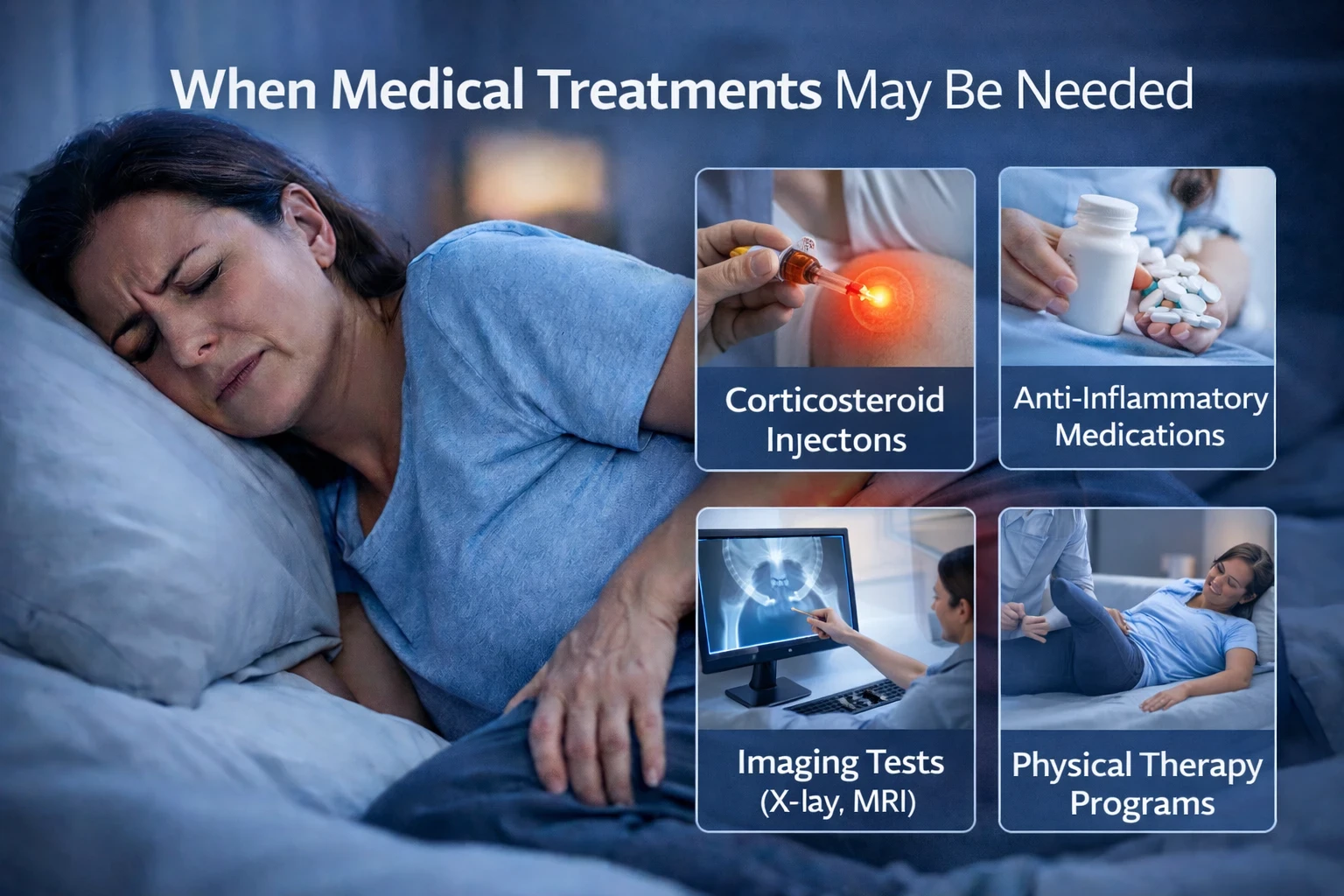
When Medical Treatments May Be Needed
While many cases of hip pain improve with conservative strategies, medical treatment may sometimes be required.
Healthcare providers may consider:
• Anti-inflammatory medications
• Corticosteroid injections for severe bursitis
• Physical therapy programs
• Imaging tests such as X-rays or MRI scans
In more advanced cases involving structural damage or severe arthritis, surgical options may occasionally be considered.
However, surgery is typically viewed as a last resort after other hip pain treatment options have been explored.
Secondary Benefits of Early Hip PainTreatment Options
Addressing hip pain early can help prevent the condition from becoming chronic.
When discomfort is ignored, people may unconsciously alter their walking patterns, which can lead to additional strain in the knees, lower back, or opposite hip.
By addressing hip pain treatment options early, individuals may maintain mobility, protect joint health, and reduce the risk of long-term complications.
Improved hip function also supports overall physical activity, which plays an important role in maintaining cardiovascular health, muscle strength, and general wellbeing.
Safety Considerations
Although many cases of hip pain improve with conservative care, certain symptoms should prompt medical evaluation.
Seek professional advice if hip pain:
• Follows a fall or traumatic injury
• Causes inability to bear weight
• Persists for several weeks despite self-care
• Is accompanied by severe swelling or redness
Early diagnosis can help identify underlying conditions and guide appropriate treatment.
A Balanced Perspective
Hip pain treatment options often begin with simple strategies such as improving movement, reducing inflammation, and strengthening the muscles that support the joint.
These approaches address many common causes of hip discomfort without requiring invasive treatment.
While recovery may take time, consistent self-care and gradual rehabilitation can significantly improve symptoms for many people.
Understanding hip pain treatment options allows individuals to take practical steps toward restoring comfort, mobility, and confidence in daily movement.
Scientific Studies
https://pubmed.ncbi.nlm.nih.gov/29069877/
https://pubmed.ncbi.nlm.nih.gov/30858750/