How Does CBD Oil Reduce Inflammation CBD oils work with the body to
How Does CBD Oil Reduce Inflammation
Understanding how does CBD oil reduce inflammation starts with looking at how the body naturally manages pain, swelling, and immune responses.
Inflammation is not always a bad thing. It is part of the body’s defense system.
However, when it becomes chronic, it can lead to ongoing discomfort, stiffness, and reduced quality of life.
CBD oil has gained attention as a supportive option for managing inflammation in a more balanced way.
Rather than masking symptoms, it works through internal systems that regulate how the body responds to stress and injury.
What Is Inflammation and Why It Matters
Inflammation occurs when the body detects injury, irritation, or infection. In the short term, this is helpful.
It brings immune cells to the affected area to support healing.
Problems arise when inflammation becomes long-term.
Chronic inflammation is often linked to joint pain, muscle soreness, and nerve irritation.
This is why many people begin exploring options like how CBD supports nerve pain naturally as part of a broader strategy.
How CBD Interacts with the Body
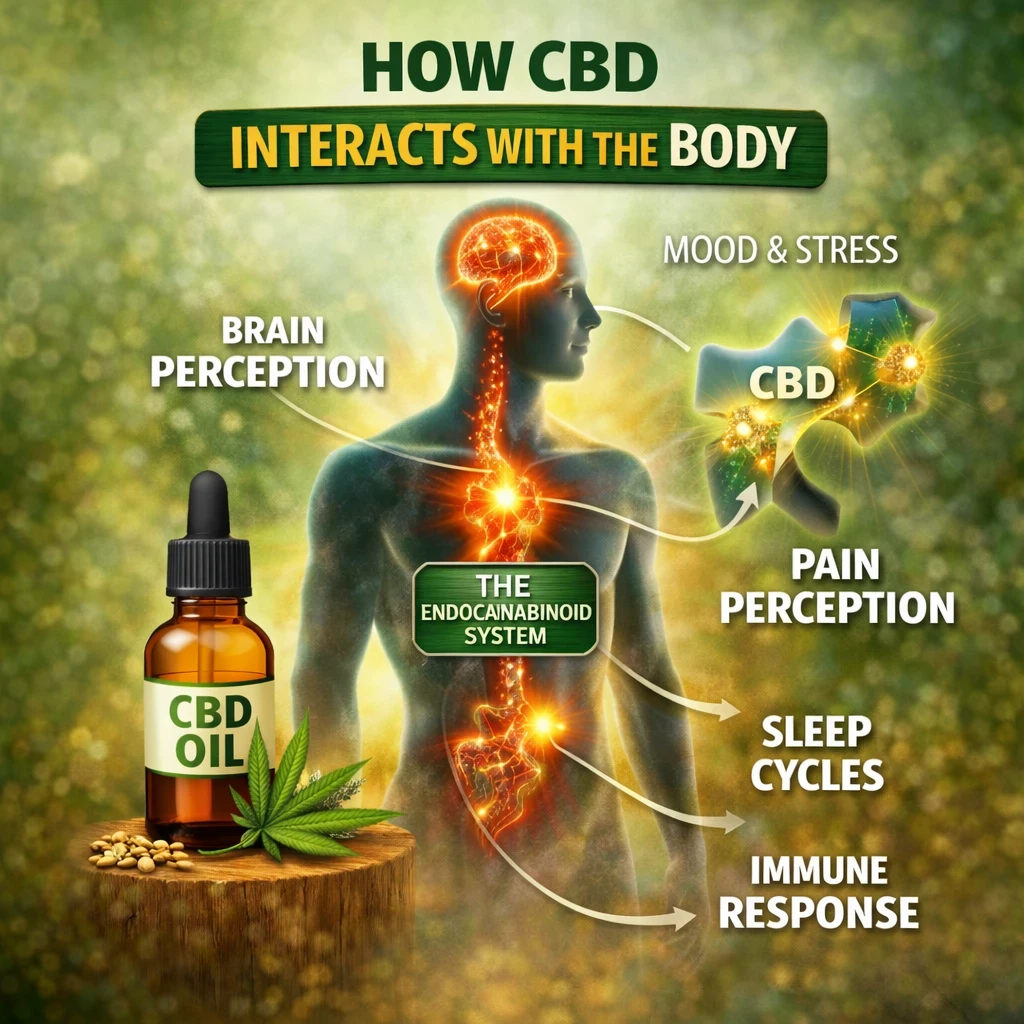
To fully understand how does CBD oil reduce inflammation, it helps to look at the endocannabinoid system (ECS). This system plays a key role in maintaining internal balance.
The ECS influences immune response, pain perception, and recovery processes. CBD supports this system rather than overpowering it, helping the body regulate inflammation more effectively over time.
The Key Mechanisms Behind CBD and Inflammation
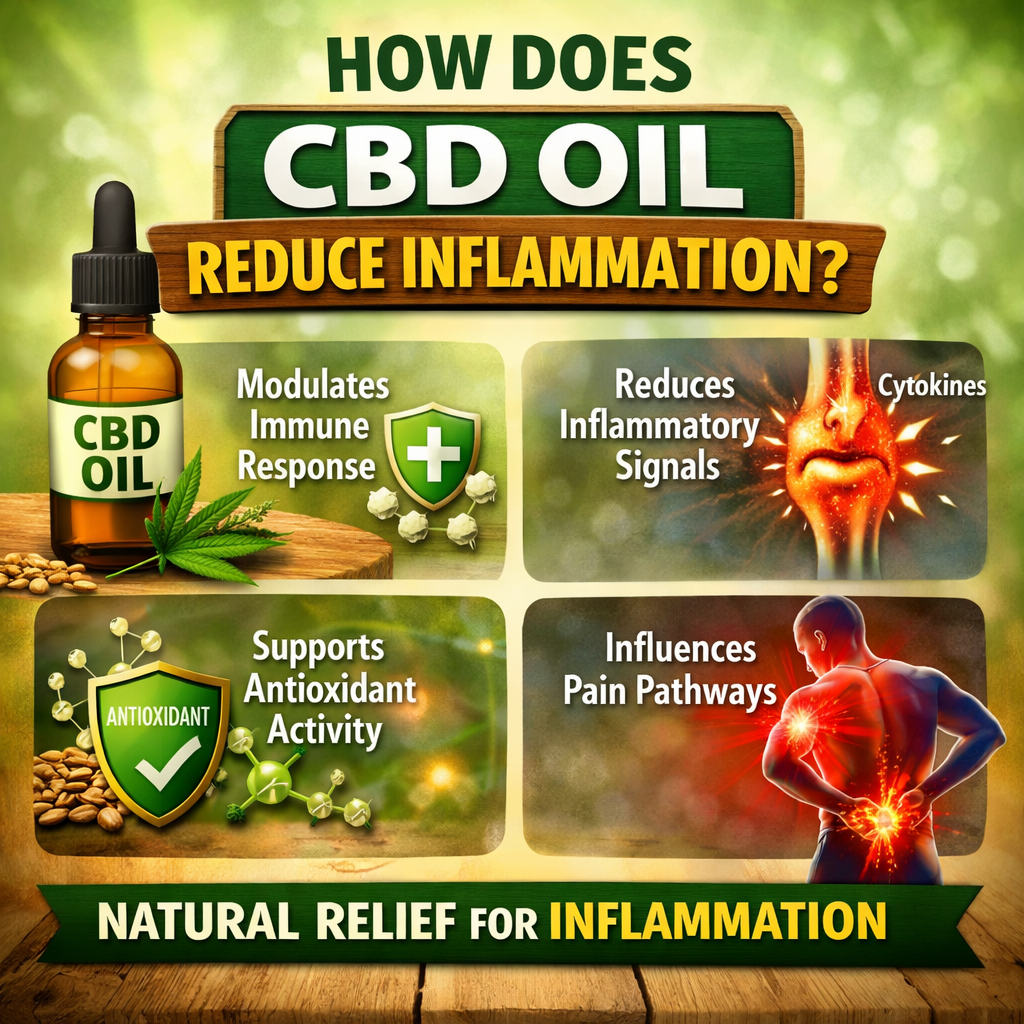
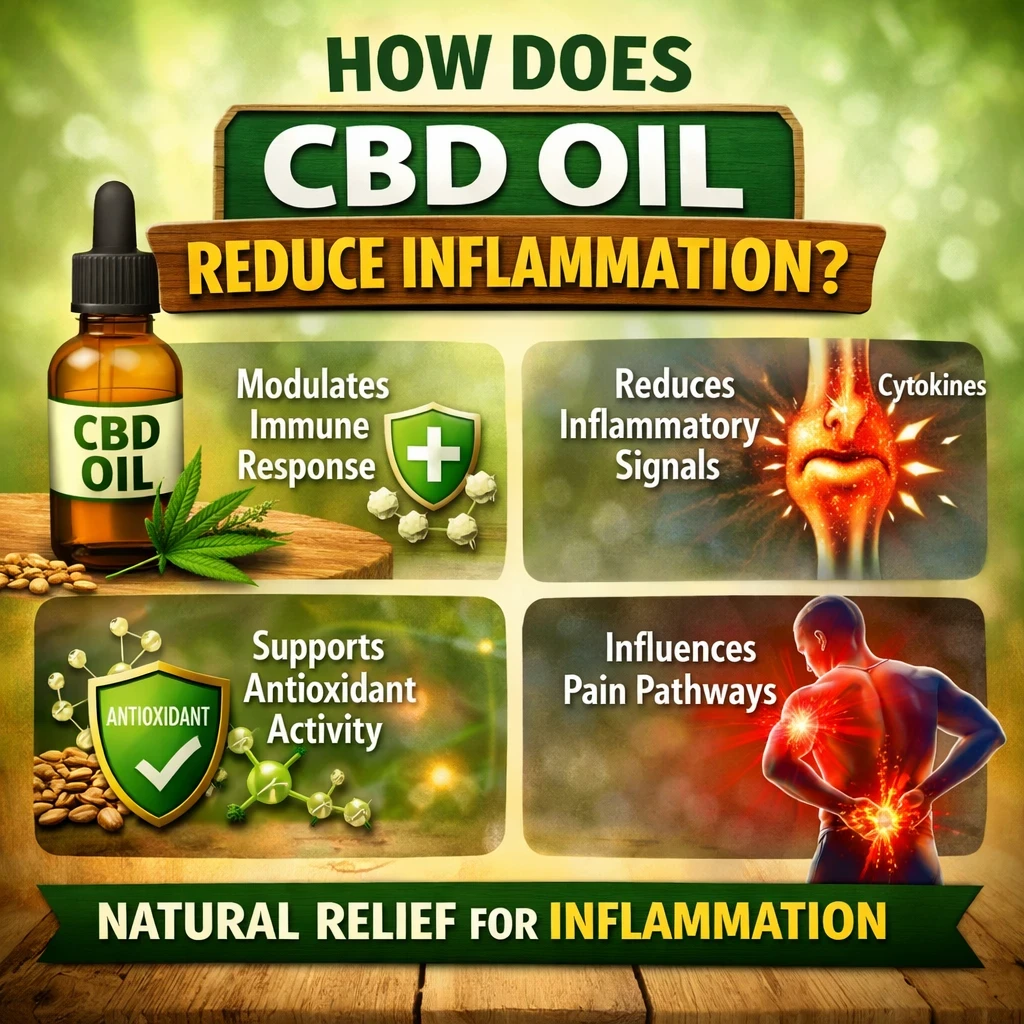
CBD oil may help reduce inflammation through several pathways.
1. Modulating Immune Response
CBD appears to influence immune cell behaviour, helping prevent overreaction.
This balanced response is central to how does CBD oil reduce inflammation in ongoing conditions.
2. Reducing Pro-Inflammatory Signals
Inflammation is driven by chemical messengers known as cytokines.
CBD may help reduce pro-inflammatory cytokines, which can lower overall inflammation levels.
3. Supporting Antioxidant Activity
Oxidative stress contributes to inflammation. CBD’s antioxidant properties may help reduce this stress, supporting recovery and tissue health.
4. Influencing Pain Pathways
CBD interacts with receptors linked to pain signalling. This may help reduce discomfort that often accompanies inflammation.
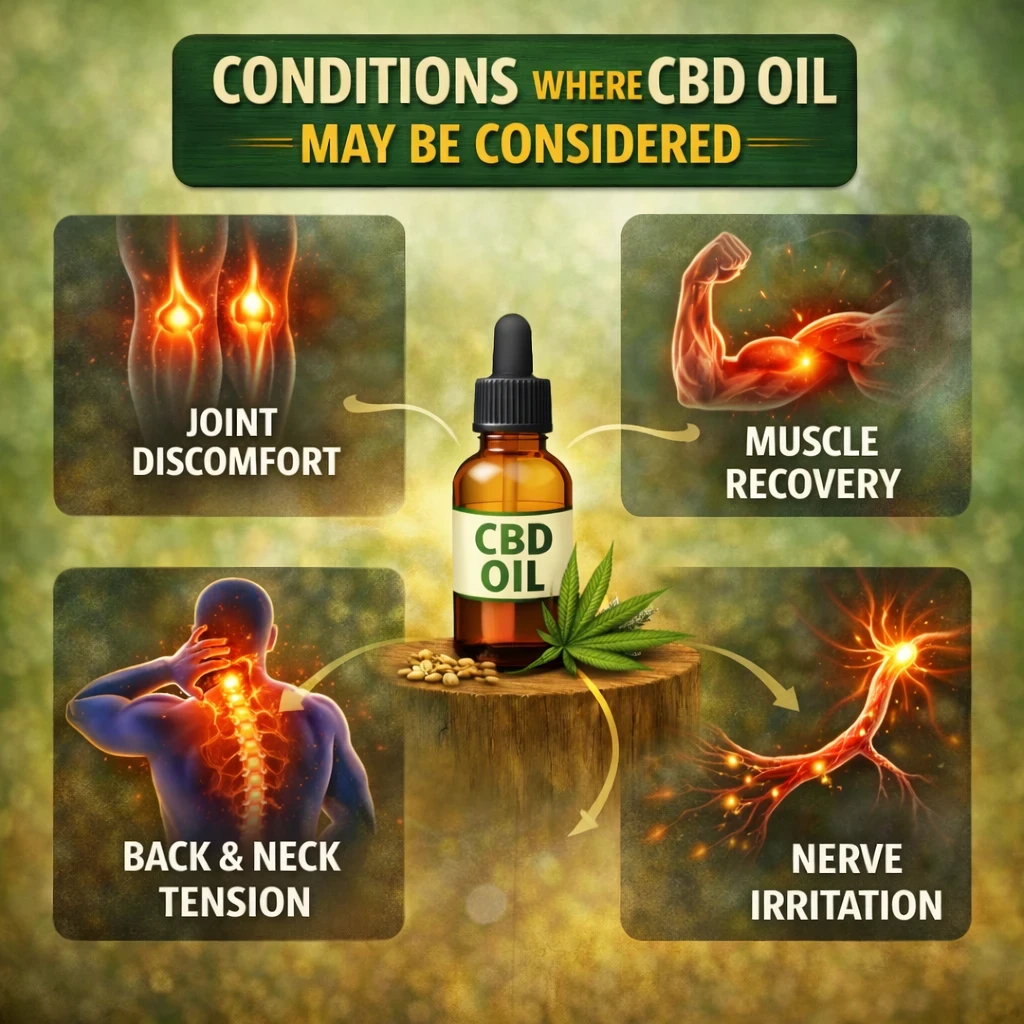
Conditions Where CBD Oil May Be Considered
People exploring how does CBD oil reduce inflammation often look at conditions such as:
Joint discomfort
Muscle recovery after exercise
Back and neck tension
Nerve-related irritation
For example, many people managing nerve or lower back issues also explore CBD oil for sciatica pain relief as part of their approach.
Shop for Quality Assured CBD Oils
Types of CBD Oil Available
Different types of CBD oil can influence how effective the results may be.
Full-Spectrum CBD Oil
Contains a wide range of cannabinoids and plant compounds that work together.
Broad-Spectrum CBD Oil
Offers multiple cannabinoids but without THC.
CBD Isolate
Pure CBD with no additional compounds.
When focusing on how does CBD oil reduce inflammation, full and broad-spectrum options are often preferred.
Quality Matters More Than You Think
Product quality plays a major role in results. Poor-quality CBD may not deliver the same benefits.
Look for:
Third-party lab testing
Clear ingredient transparency
Consistent potency
Supportive CBD Oil Options
Shop for Quality Assured CBD Oils
Choosing a reliable product is essential when using CBD consistently for inflammation support.
How to Use CBD Oil for Inflammation
CBD oil is typically taken under the tongue for faster absorption.
General guidance:
Start with a low dose
Increase gradually
Stay consistent daily
Those dealing with widespread discomfort may also explore broader uses such as CBD oil drops for fibromyalgia pain as part of a long-term routine.
What the Research Suggests
Research continues to explore how does CBD oil reduce inflammation, with early findings suggesting benefits in reducing inflammatory markers and supporting immune balance.
CBD is not a cure, but it may support the body’s natural regulation systems.
Secondary Benefits Beyond Inflammation
People who explore how does CBD oil reduce inflammation often report additional benefits:
Improved sleep
Reduced stress
Better recovery after activity
These factors can indirectly support lower inflammation levels over time.
Safety and Considerations
CBD is generally well tolerated, but it is important to:
Use trusted products
Monitor your response
Be aware of potential interactions
Consistency is key when evaluating results.
Limitations and Realistic Expectations
CBD oil works gradually. It is not an instant solution.
For best results, combine it with:
Regular movement
Balanced nutrition
Proper sleep
This supports the overall goal of how does CBD oil reduce inflammation effectively.
Balanced Perspective
CBD oil offers a supportive, natural approach to inflammation management. It works with the body’s systems rather than forcing change.
For many people, it becomes part of a broader routine that includes lifestyle adjustments and targeted support tools.
Shop for Quality Assured CBD Oils
Frequently Asked Questions
How long does CBD oil take to reduce inflammation?
It varies. Some people notice changes within days, while others may take a few weeks of consistent use.
Can CBD oil be used every day?
Yes, daily use is common when targeting ongoing inflammation.
What type of CBD oil is best?
Full-spectrum or broad-spectrum products are often preferred for inflammation support.
Does CBD oil work for chronic conditions?
It may help manage symptoms, but results differ between individuals.
Is CBD oil safe long term?
Most evidence suggests it is safe when used responsibly with high-quality products.
External Research Study
https://www.ncbi.nlm.nih.gov/pmc/articles/PMC7023045/