
Infrared Therapy For Pain Relief How It Works
Infrared Therapy for Pain Relief
Infrared therapy for pain relief is becoming one of the most talked-about natural approaches for managing discomfort without relying heavily on medication.
What makes it appealing is simple—it’s non-invasive, easy to use at home, and supports the body’s own healing processes rather than just masking symptoms.
If you’re dealing with ongoing muscle tension, joint pain, or recovery issues, this guide will walk you through exactly how it works and what to realistically expect.
What Is Infrared Therapy?
Infrared therapy uses light wavelengths that penetrate beneath the skin to reach deeper layers of muscle and tissue.
Unlike traditional heat therapy, which mainly affects the surface, infrared light can reach muscles and joints, improve circulation at a deeper level, and stimulate cellular repair.
This is why infrared therapy for pain relief is often used for more persistent or recurring pain issues.

How Infrared Therapy Works (The Mechanism)
At a cellular level, infrared light interacts with mitochondria—the part of your cells responsible for producing energy.
It helps increase ATP (cellular energy production), improve blood flow, reduce inflammation, and support tissue repair.
For a deeper breakdown of the science, see infrared therapy benefits explained in detail https://beyond-pain-relief.com/infrared-therapy-benefits-what-it-is-how-it-works/
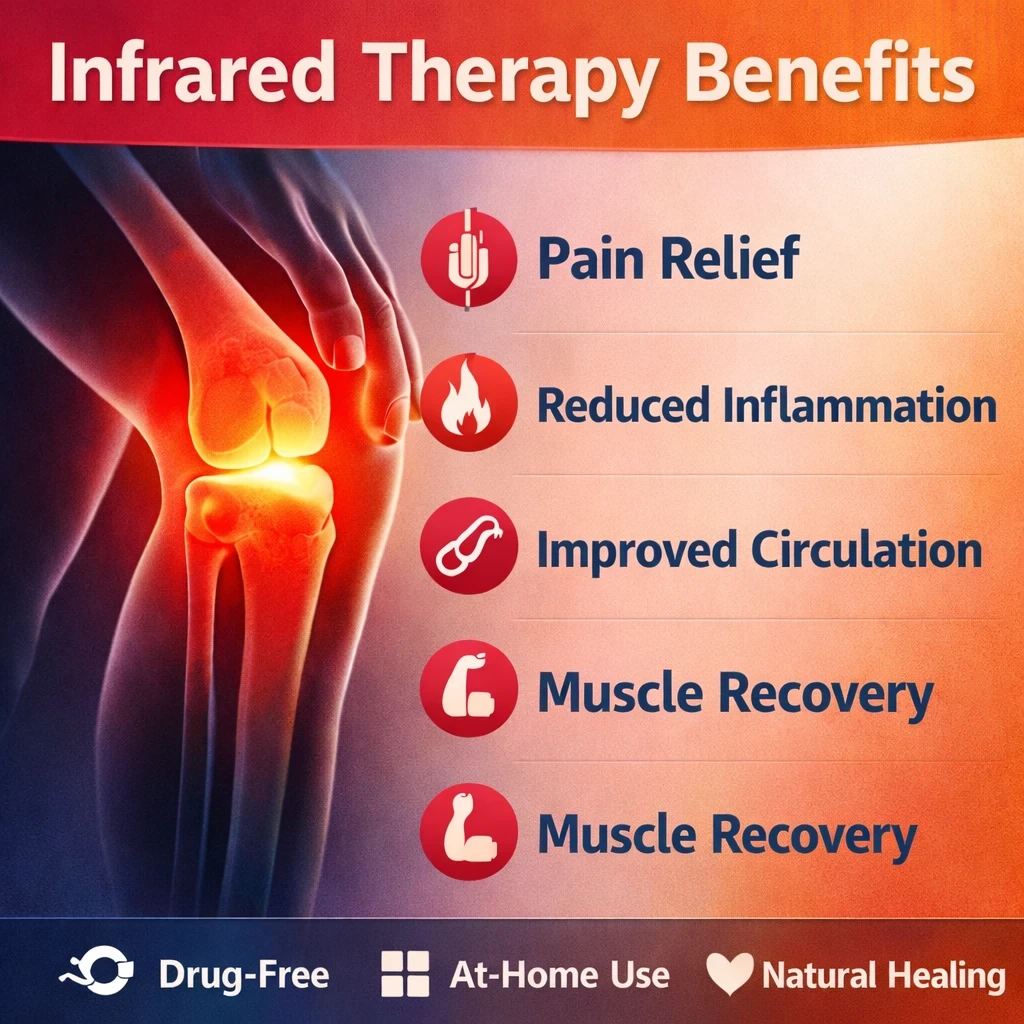
Key Benefits of Infrared Therapy for Pain Relief
1. Natural Pain Reduction
One of the main reasons people turn to infrared therapy for pain relief is to avoid over-reliance on medication.
It may help with back pain, joint discomfort, muscle tightness, and tendon irritation.
The gentle heat combined with improved circulation can reduce stiffness and ease tension.
2. Reduced Inflammation
Inflammation is often the root cause of ongoing pain. Infrared therapy helps by increasing oxygen delivery, supporting lymphatic drainage, and reducing pressure in tissues.
For a broader understanding of pain, see chronic pain treatment complete guide https://beyond-pain-relief.com/chronic-pain-treatment-complete-guide-to-relief-recovery-and-long-term-management/
3. Improved Circulation
Better circulation plays a key role in recovery.
With consistent use, infrared therapy for pain relief may deliver nutrients more efficiently, remove waste products from tissues, and support faster healing.

4. Faster Muscle Recovery
Infrared therapy is commonly used in recovery routines.
It may help reduce post-exercise soreness, improve flexibility, and support muscle repair.
Combining this with movement strategies such as sciatica pain exercises for relief https://beyond-pain-relief.com/sciatica-pain-exercises-for-relief-try-these/ can enhance results.
5. Joint Mobility and Flexibility
Stiff joints can make everyday movement uncomfortable. Infrared therapy may help loosen tight connective tissue, improve range of motion, and reduce joint discomfort.
6. Relaxation and Nervous
System Support
Not all benefits are physical.
Many people report reduced stress, better sleep, and improved overall recovery.
Who Can Benefit Most?
Infrared therapy for pain relief may be helpful for people with chronic pain, athletes or active individuals, office workers with posture-related pain, and anyone dealing with muscle or joint stiffness.
The key factor is consistency rather than occasional use.
Top quality assured Infrared Therapy Products Go Here.
Types of Infrared Therapy Devices
Handheld Devices
Best for targeted pain (elbow, knee, shoulder).
Easy to use daily.
Pads and Wraps
Ideal for back and larger muscle groups.
Hands-free use.
Panels or Full Coverage Devices
Suitable for broader recovery and regular use.
How to Use Infrared Therapy Effectively
To get the most from infrared therapy for pain relief, use 3–5 times per week, keep sessions between 10–20 minutes, apply directly to the affected area, and stay hydrated.
Consistency is more important than intensity.
Limitations (Important to Understand)
Infrared therapy does not cure underlying structural problems, may take time to show noticeable results, and works best as part of a broader approach.
It’s a supportive tool—not a complete solution.
Go here to find out more.
A Balanced Perspective
So, is infrared therapy for pain relief worth trying?
For many people, yes—especially if you’re looking for a natural, drug-free option that supports recovery at home.
The real value comes from using it consistently alongside other strategies.
Frequently Asked Questions
How quickly does infrared therapy work?
Some people notice relief after a few sessions, but consistent use over several weeks provides better results.
Is infrared therapy safe?
Yes, when used properly and within recommended time limits.
Can I use infrared therapy every day?
Many devices allow regular use, but always follow product guidelines.
What type of pain responds best?
Muscle pain, joint stiffness, and inflammation-related discomfort tend to respond well.
Does infrared therapy replace medical treatment?
No, it should be used as a supportive tool alongside appropriate care.
Scientific Reference https://www.ncbi.nlm.nih.gov/pmc/articles/PMC3699878/
