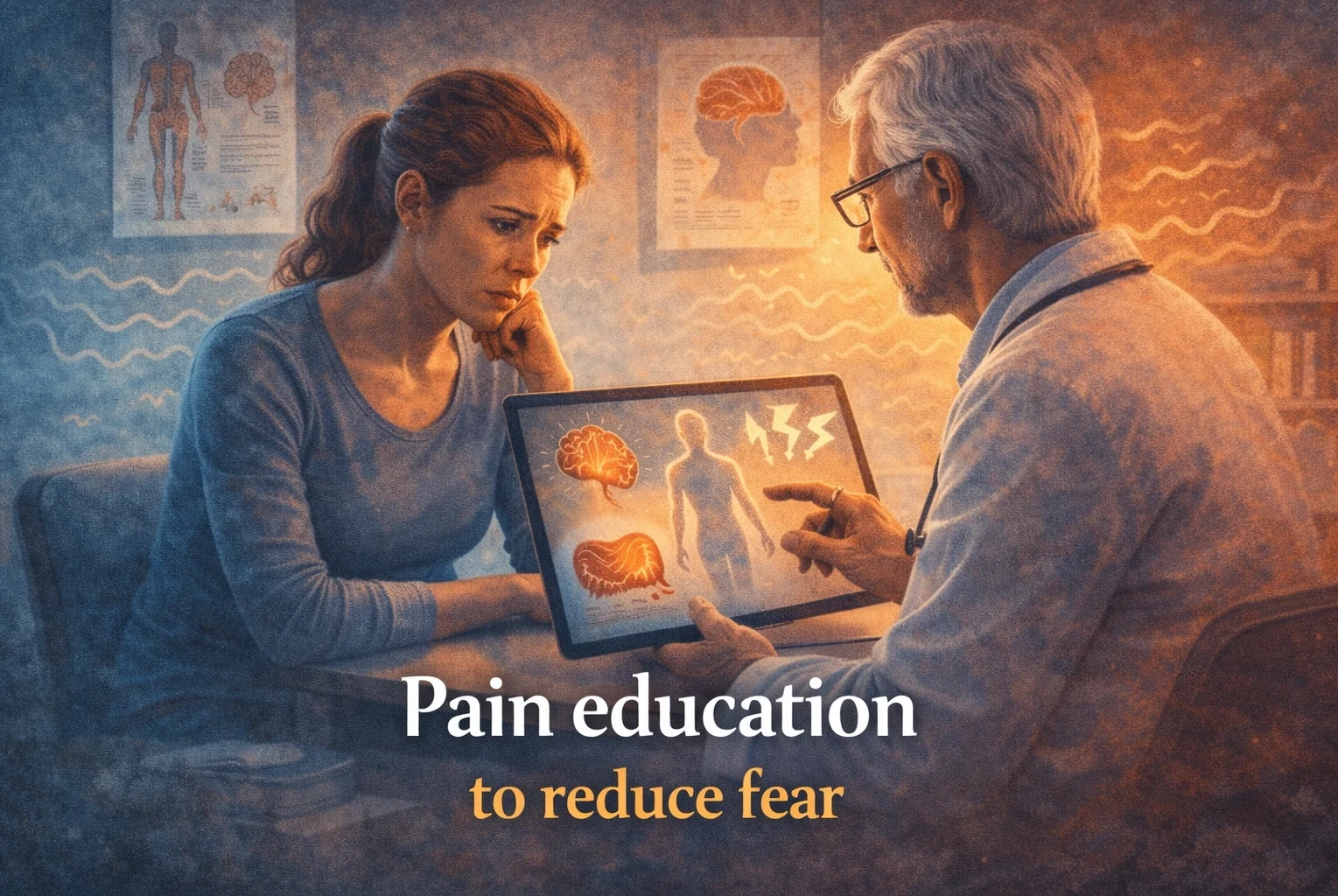
Pain Education Understanding How Pain Works In The Human Body
Pain Education
Pain education is an important part of modern health care.
For many years people believed pain always meant injury or damage in the body.
However, research over the past few decades shows that pain is far more complex.
Pain is created by the brain as a protective signal.
It warns us that something may be wrong and encourages us to protect injured tissues. In most situations this system works well.
When you touch something hot or twist an ankle, pain helps prevent further injury.
However, pain can sometimes persist even after tissues have healed.
Understanding how pain works can help people respond more effectively to symptoms and make better decisions about chronic pain treatment strategies and recovery approaches.
Pain education helps explain why pain occurs, why it sometimes continues, and how different treatments may help reduce symptoms.
What Is Pain?
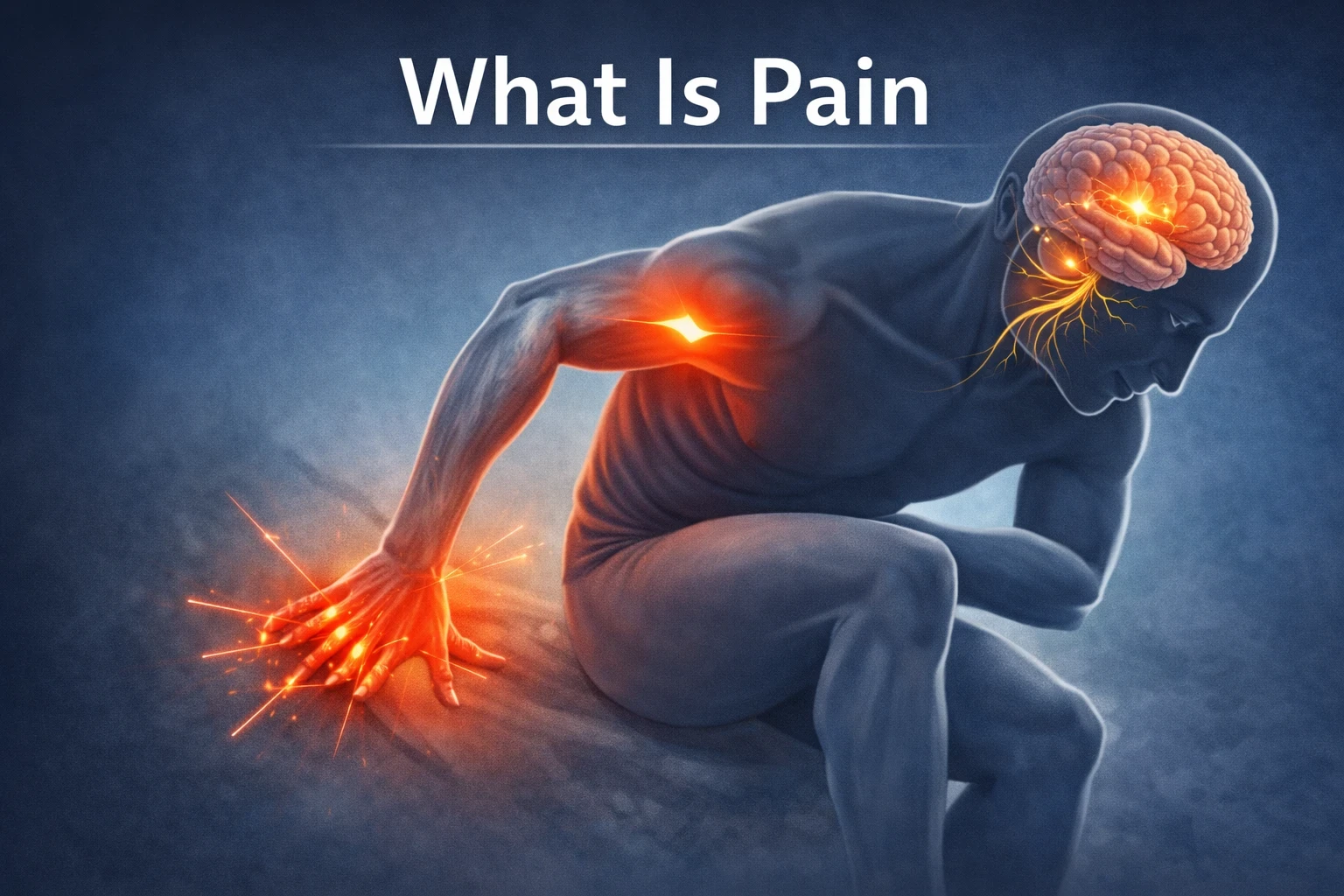
Pain is defined by researchers as an unpleasant sensory and emotional experience associated with actual or potential tissue damage.
This definition highlights an important point.
Pain is not only a physical sensation. It also involves emotional and psychological factors.
Pain signals begin when specialised nerve endings called nociceptors detect potential danger in the body.
These receptors send signals through the spinal cord to the brain.
The brain then interprets those signals and decides whether pain should be produced.
Because the brain is responsible for generating pain, many different factors can influence how pain is experienced.
Acute Pain vs Chronic Pain
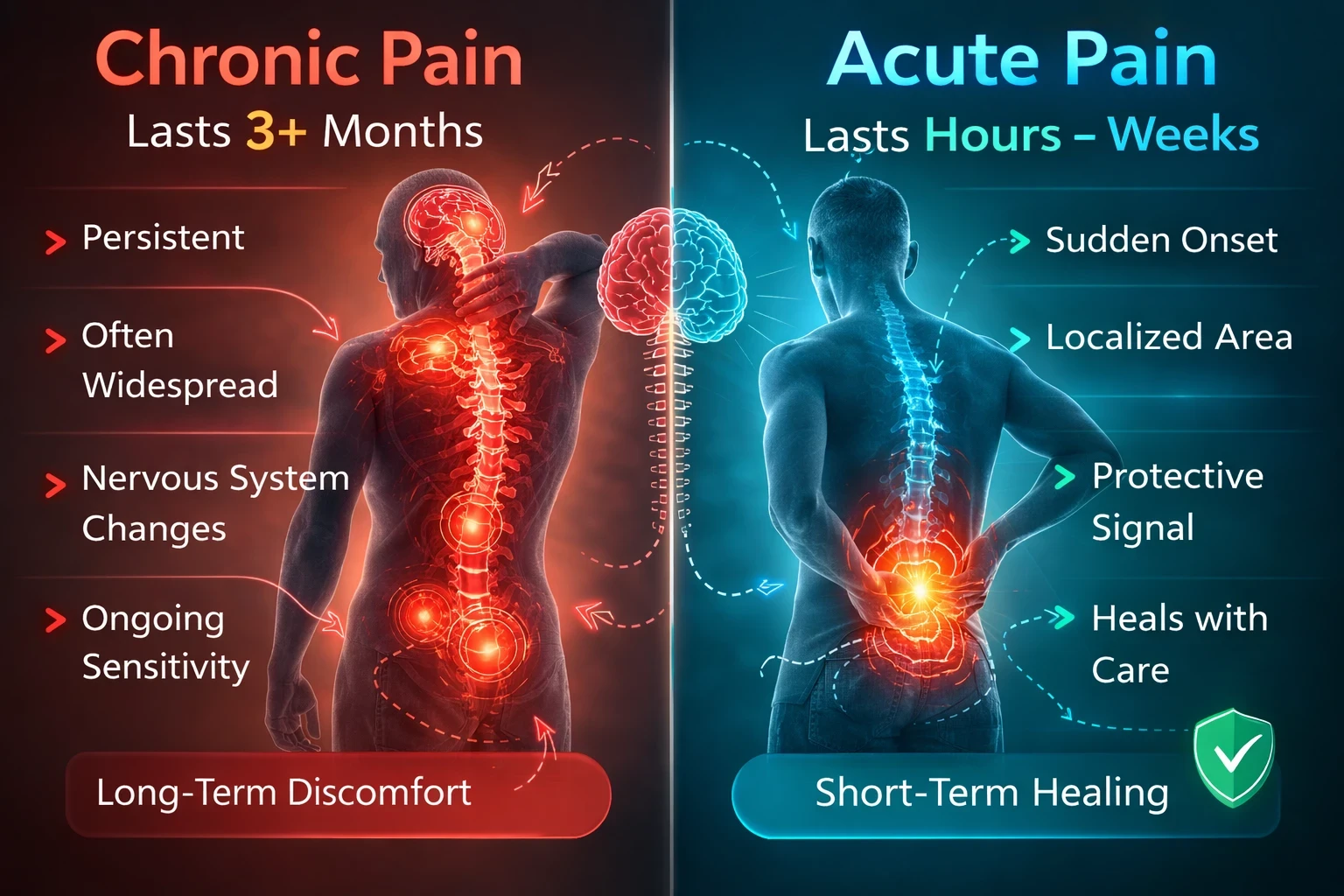
Pain is usually classified into two main types.
Acute Pain
Acute pain occurs suddenly and is usually linked to injury or illness.
Examples include:
• a muscle strain
• a burn
• a sprained ankle
• a dental infection
Acute pain usually improves as tissues heal.
Chronic Pain
Chronic pain lasts longer than three months and may continue even after tissues appear to have recovered.
Conditions commonly associated with chronic pain include:
• back pain
• fibromyalgia
• arthritis
• nerve pain
• hip bursitis
Many of these conditions are discussed further in the guide to back pain treatment, which explores common causes and recovery strategies.
How the Nervous System Processes Pain
The nervous system plays a central role in pain.
Pain signals travel through three main stages.
Detection
Specialised nerve receptors detect pressure, heat, or inflammation.
Transmission
Signals travel through peripheral nerves into the spinal cord.
Interpretation
The brain evaluates these signals and determines whether pain should be produced.
Interestingly, the brain can increase or decrease pain signals depending on the situation.
For example, athletes sometimes continue playing with injuries because the brain temporarily suppresses pain signals.
Understanding these mechanisms is an important part of modern chronic pain treatment approaches.
Why Pain Sometimes Persists
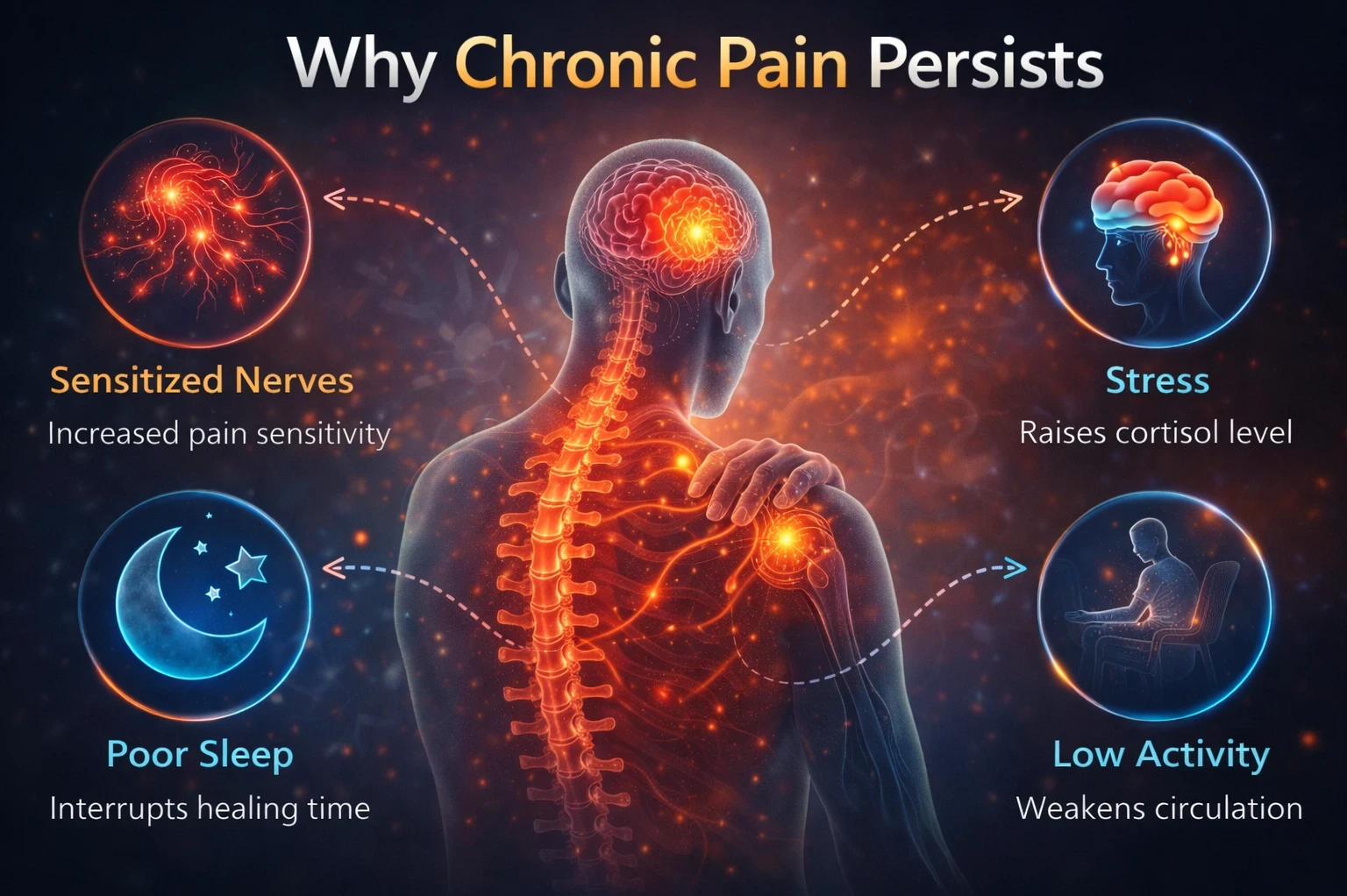
In some cases, pain continues long after an injury has healed. Modern pain science suggests several reasons why this may happen.
Nervous System Sensitisation
Repeated pain signals can make nerve pathways more sensitive. This process is sometimes called central sensitisation.
As a result:
• small movements may feel painful
• pain spreads beyond the original injury site
• symptoms fluctuate unpredictably
Reduced Movement
When people avoid movement due to fear of pain, muscles and joints may become weaker. This can increase sensitivity and stiffness.
Stress and Emotional Factors
Stress activates the nervous system and can amplify pain signals.
Anxiety, sleep disruption, and fatigue may also contribute to persistent symptoms.
Lifestyle strategies discussed in natural remedies for back pain may sometimes help support recovery and reduce inflammation.
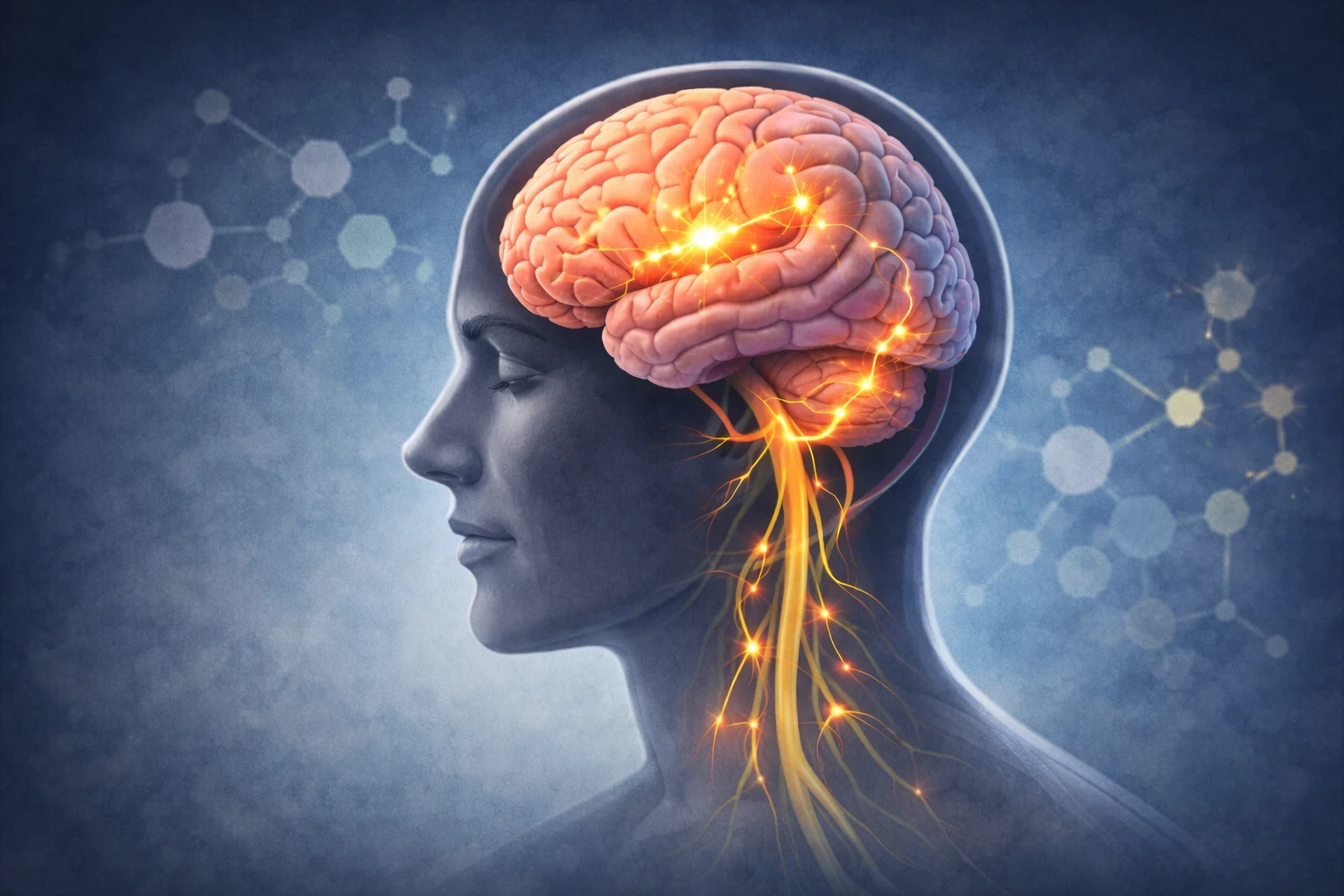
The Role of the Brain in Pain
Pain is sometimes misunderstood as simply a signal from injured tissues. In reality, the brain constantly evaluates information from the body and the environment.
Factors that may influence pain perception include:
• previous injuries
• stress levels
• emotional state
• sleep quality
• overall health
This does not mean that pain is imaginary.
Instead, it shows that pain is influenced by many biological and psychological factors.
Pain education helps people understand these influences and reduce fear associated with persistent symptoms.
Movement and Pain Recovery
Gentle movement is one of the most effective ways to support recovery from many pain conditions.
Appropriate activity may help:
• improve circulation
• strengthen muscles
• maintain joint mobility
• reduce nervous system sensitivity
Examples of helpful activities include:
• walking
• swimming
• yoga
• light strength training
Movement should usually be introduced gradually to avoid flare-ups.
Lifestyle Factors That Influence Pain
Several lifestyle habits may affect pain levels.
Sleep
Poor sleep can increase pain sensitivity and slow recovery.
Stress
Chronic stress keeps the nervous system in a heightened state of alertness, which may amplify pain signals.
Nutrition
An anti-inflammatory diet may help support overall health and pain management. Some people also explore herbal supplements for chronic pain as part of a broader wellness strategy.
Physical Activity
Regular movement supports joint health and nervous system balance.
When combined, these factors form the foundation of long-term pain management.
Modern Approaches to Pain Management
Modern pain treatment often uses a multidisciplinary approach.
Instead of focusing on a single therapy, doctors and therapists combine several strategies.
Common approaches include:
• physical therapy
• gradual exercise programs
• pain education
• psychological support
• nutritional strategies
• medications when necessary
Some individuals also explore natural pain relief approaches such as herbal remedies or anti-inflammatory supplements.
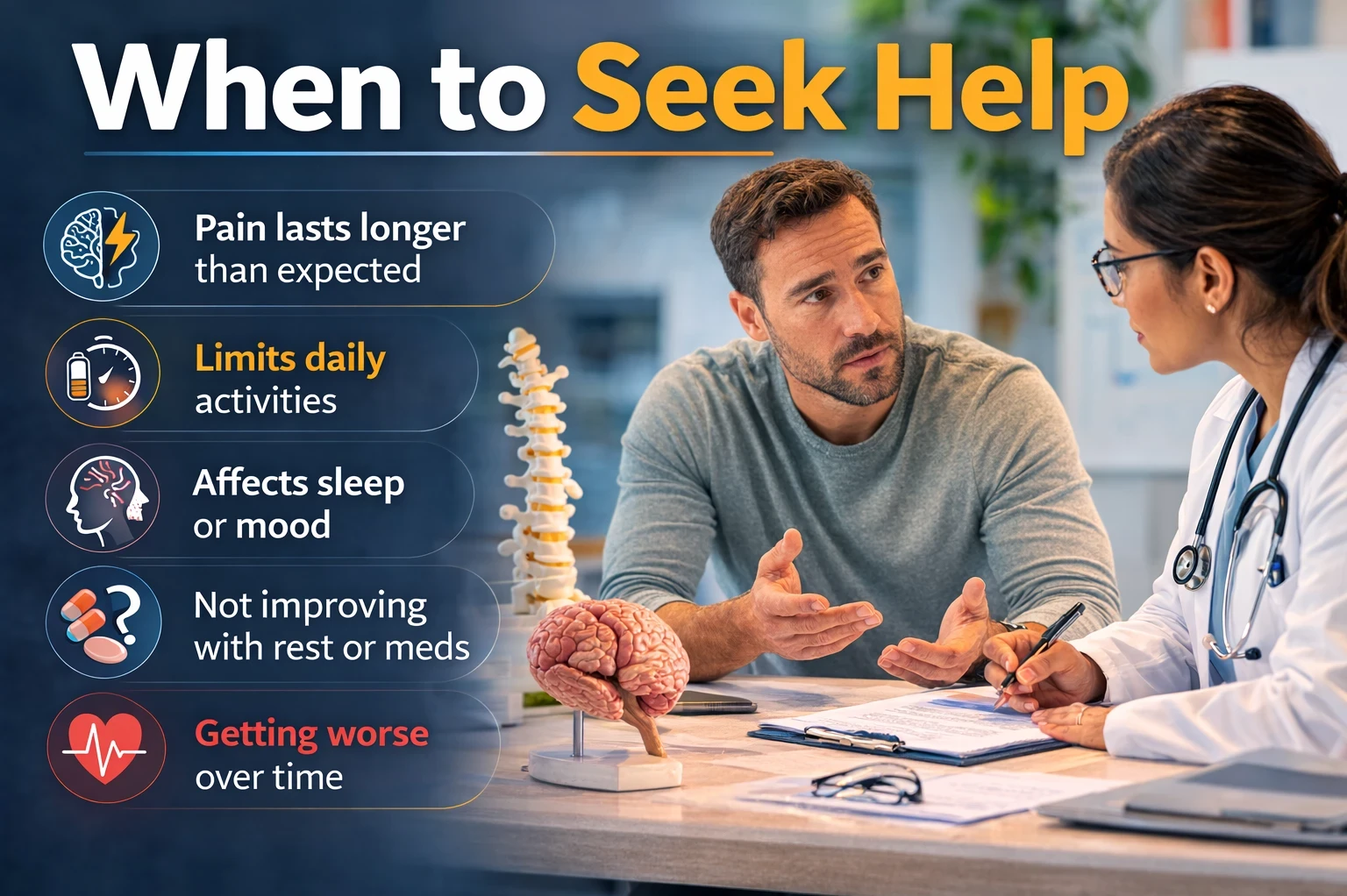
When to Seek Professional Advice
Although many pain conditions improve with self-care strategies, medical evaluation may be necessary if:
• pain persists longer than several weeks
• symptoms become progressively worse
• numbness or weakness develops
• sleep and daily function are severely affected
Healthcare professionals can help identify underlying causes and recommend appropriate treatment strategies.
Frequently Asked Questions About Pain Education
What is pain education?
Pain education is the process of learning how pain works in the body. It explains how the brain, nerves, and spinal cord interact to produce pain signals.
Understanding these mechanisms can help people manage symptoms more effectively and reduce fear associated with persistent pain.
Why is pain education important for chronic pain?
Pain education helps people understand that persistent pain is not always caused by ongoing tissue damage.
Learning how the nervous system processes pain can make it easier to adopt effective chronic pain treatment strategies and gradually return to normal activities.
Can understanding pain actually reduce symptoms?
Research suggests that understanding pain mechanisms can reduce fear and improve confidence when moving or exercising.
This may help calm the nervous system and reduce pain sensitivity over time.
What causes chronic pain to continue after an injury heals?
In some cases, the nervous system becomes more sensitive after repeated pain signals.
This process, often called central sensitisation, can cause the brain to continue producing pain even after tissues have recovered.
Can lifestyle habits influence pain levels?
Yes. Several lifestyle factors can influence how pain is experienced, including sleep quality, stress levels, nutrition, and physical activity.
Healthy habits may help support the body’s natural recovery processes.
When should someone seek professional advice for pain?
Medical advice should be sought if pain persists for several weeks, worsens over time, or is accompanied by symptoms such as numbness, weakness, or severe sleep disruption.
Scientific Studies
Central Sensitization in Chronic Pain
Pain Neuroscience Education and Chronic Pain
Exercise Therapy for Chronic Pain
Neurobiology of Pain Perception