The Brain And Pain: How The Brain Processes Pain And Influences Recovery
The Brain and Pain
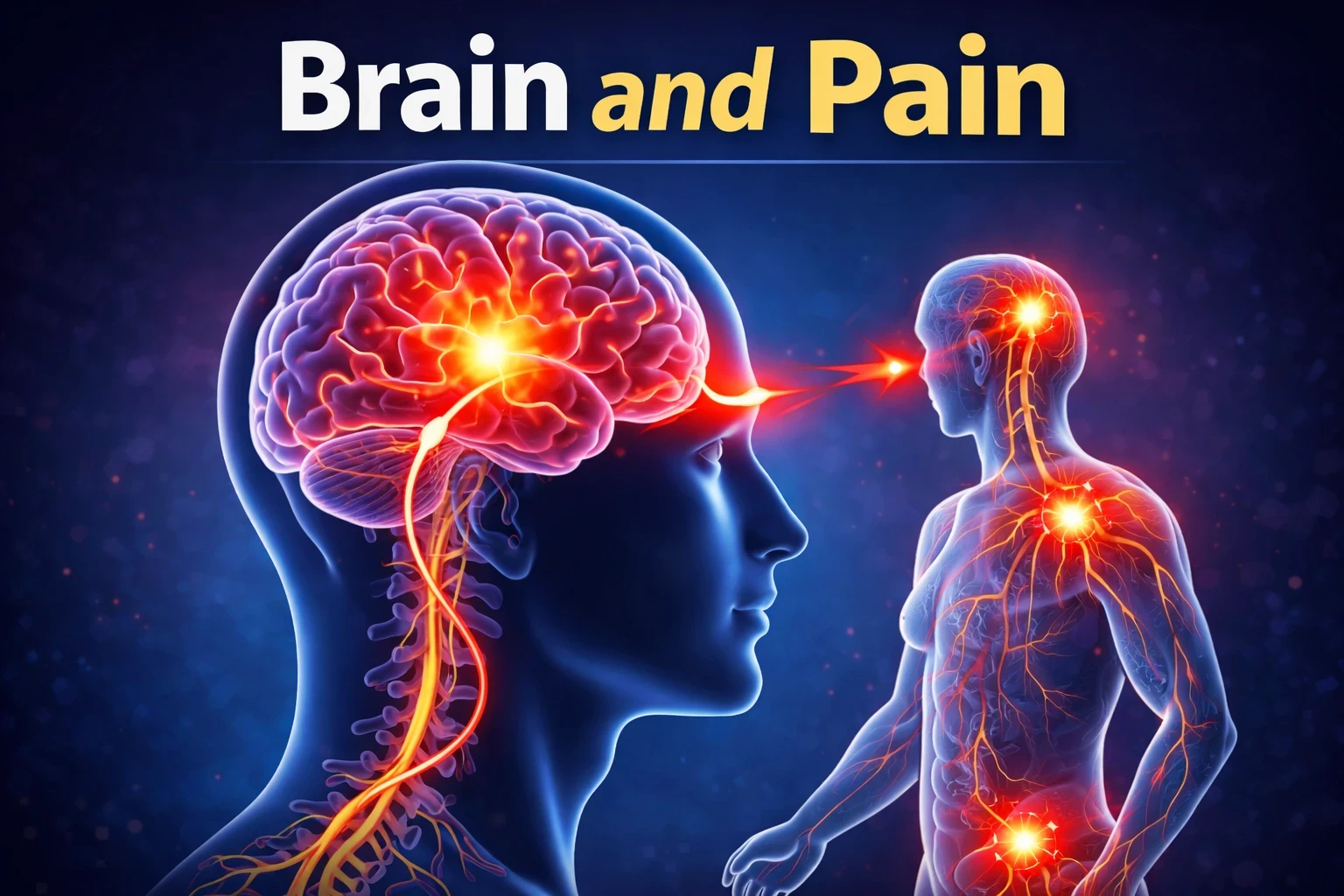
The relationship between the brain and pain is one of the most important discoveries in modern pain science.
While pain may begin with signals from injured tissues, the brain ultimately decides whether those signals are interpreted as pain.
Understanding how the brain processes pain helps explain why symptoms sometimes continue even after tissues have healed.
Pain is a protective mechanism designed to keep us safe.
It alerts the body to potential danger and encourages behaviours that protect injured areas.
However, the brain does much more than simply receive signals from the body. It constantly evaluates information from many different sources before producing the experience of pain.
These sources include physical sensations, emotional states, stress levels, past experiences, and environmental cues.
Because of this complex interaction, pain is not always a direct reflection of tissue damage.
Learning how the brain processes pain can help people better understand their symptoms and take practical steps toward recovery.
What Is Pain and Why the Brain Matters
Pain begins when specialised nerve endings detect potential threats such as injury, inflammation, or excessive strain.
These receptors send signals through the spinal cord toward the brain.
However, the brain does not simply accept these signals automatically.
Instead, it evaluates them carefully using information from multiple areas of the nervous system.
The brain asks questions such as:
• Is this signal dangerous?
• Has this situation caused injury before?
• Should protective pain be created?
Only after analysing this information does the brain generate the experience of pain.
If you would like to explore this process further, the guide to understanding pain mechanisms explains how pain signals travel through the nervous system.
How the Brain Processes Pain Signals
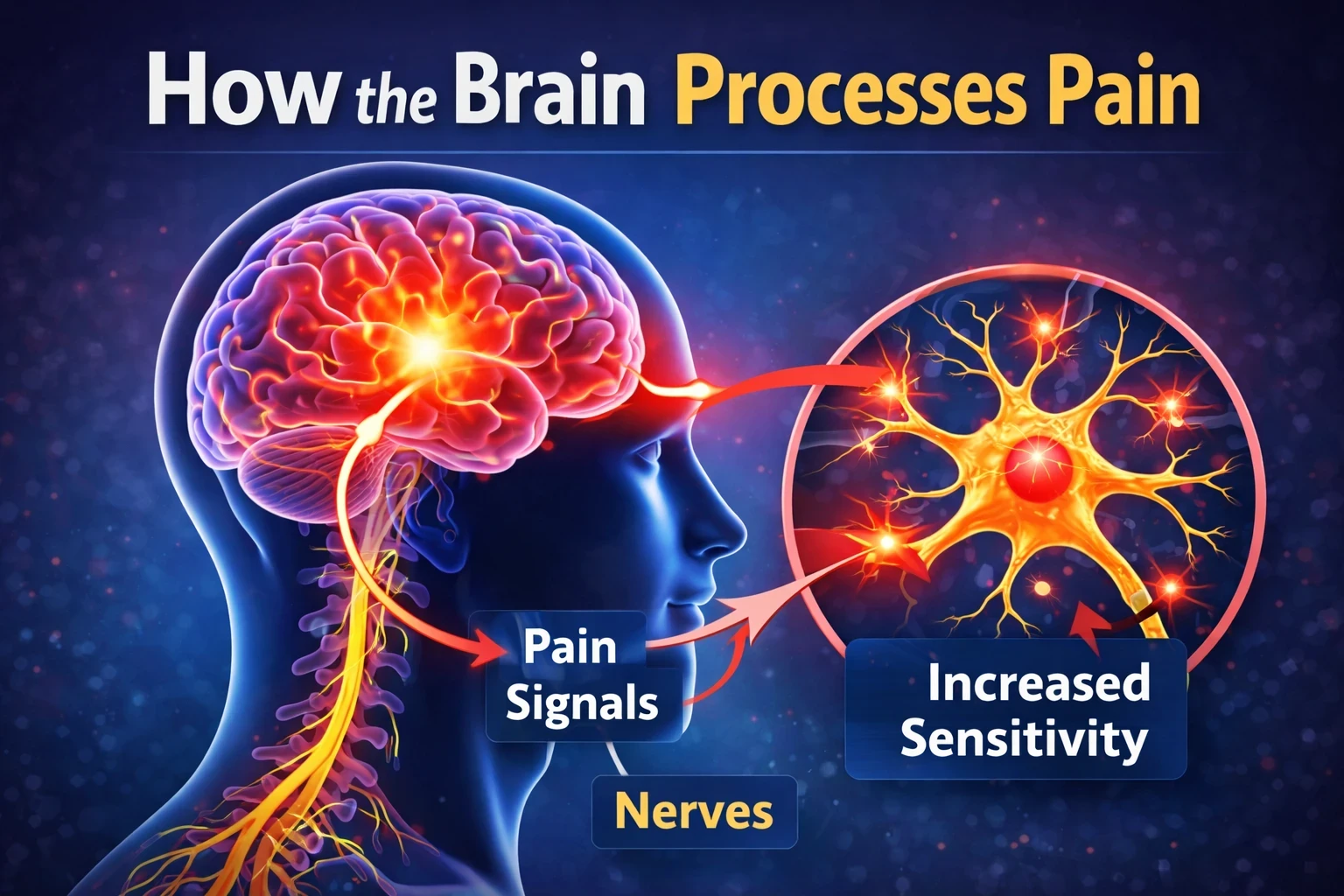
Once nerve signals reach the brain, several regions work together to interpret them.
Each area contributes a different part of the pain experience.
For example:
• The sensory cortex helps determine where pain is located
• The limbic system influences emotional responses to pain
• The prefrontal cortex evaluates the meaning of the signal
Because multiple brain regions are involved, pain is influenced by far more than just physical injury.
This explains why two people with similar injuries may experience very different levels of discomfort.
Factors such as stress, fatigue, and expectations can all influence how the brain interprets pain signals.
Nervous System Sensitisation
The nervous system constantly adapts and learns from experience.
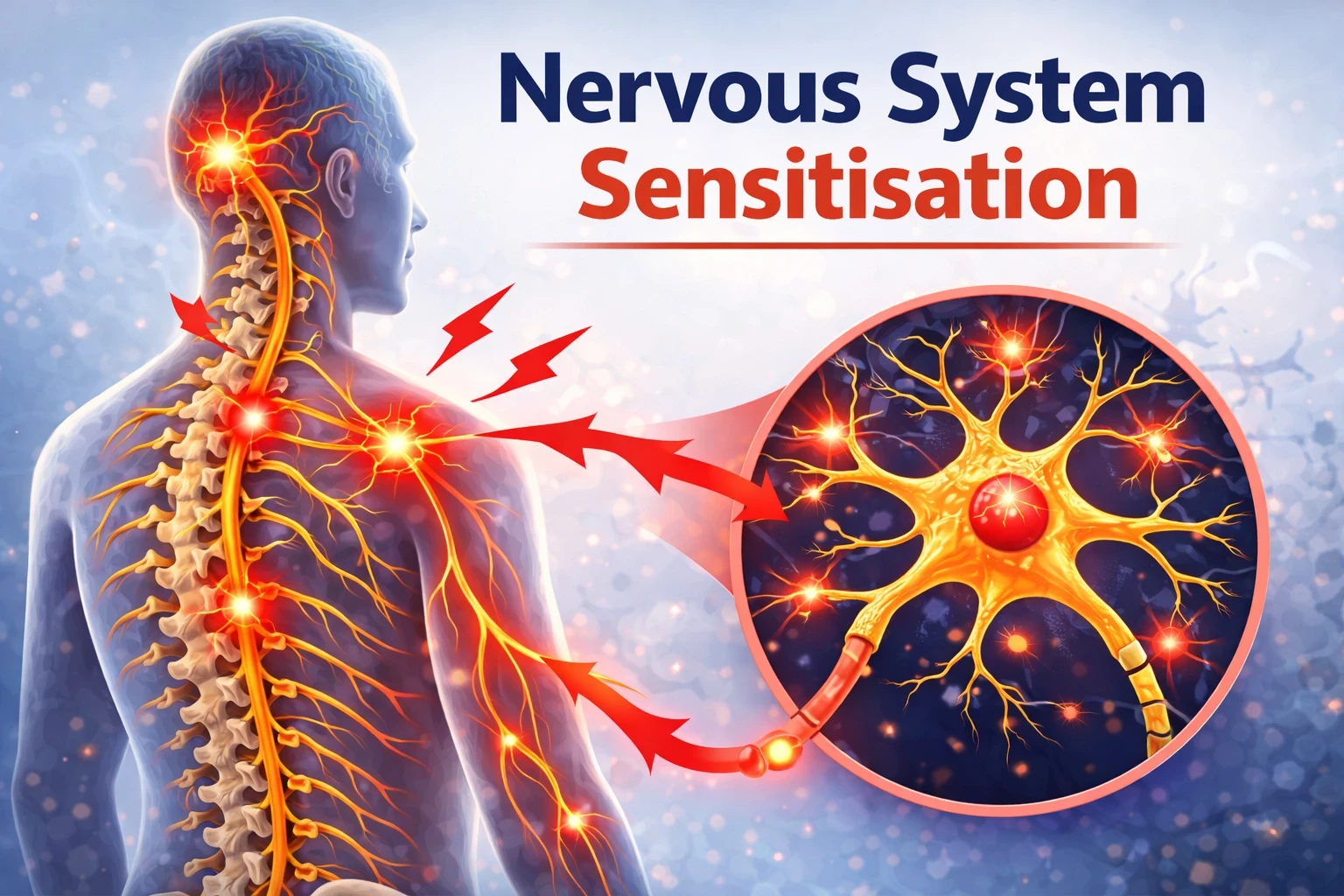
Sometimes repeated pain signals can cause the system to become more sensitive over time.
This process is often called sensitisation.
When sensitisation occurs, the brain becomes more alert to signals that previously would not have caused discomfort.
As a result, everyday movements such as sitting, bending, or walking may trigger pain.
Sensitisation is one reason persistent pain can develop even after the original injury has improved.
You can learn more about this process in the article on movement load and pain sensitivity.
Why Pain Can Persist After Injury
One of the most confusing aspects of pain is that it can sometimes continue long after the original injury has healed.
This happens because the brain may continue interpreting certain movements or situations as potentially threatening.
The nervous system remembers past injuries and may respond by producing protective pain signals.
Over time, the brain can strengthen neural pathways associated with pain.
This makes the nervous system more efficient at producing protective responses.
Understanding this process helps explain why recovery from persistent pain often requires gradual retraining of the nervous system rather than focusing only on the injured area.
The Brain’s Role in Chronic Pain
Chronic pain is usually defined as pain lasting longer than three months. During this time, the nervous system may become more sensitive to incoming signals.
Research shows that repeated pain experiences can change how certain areas of the brain respond to sensory input.
These changes do not mean the pain is imagined. Instead, they reflect how the brain adapts and learns over time.
Because of this, many modern pain management strategies focus on calming the nervous system and gradually restoring normal movement.
Emotional and Psychological Influences on Pain
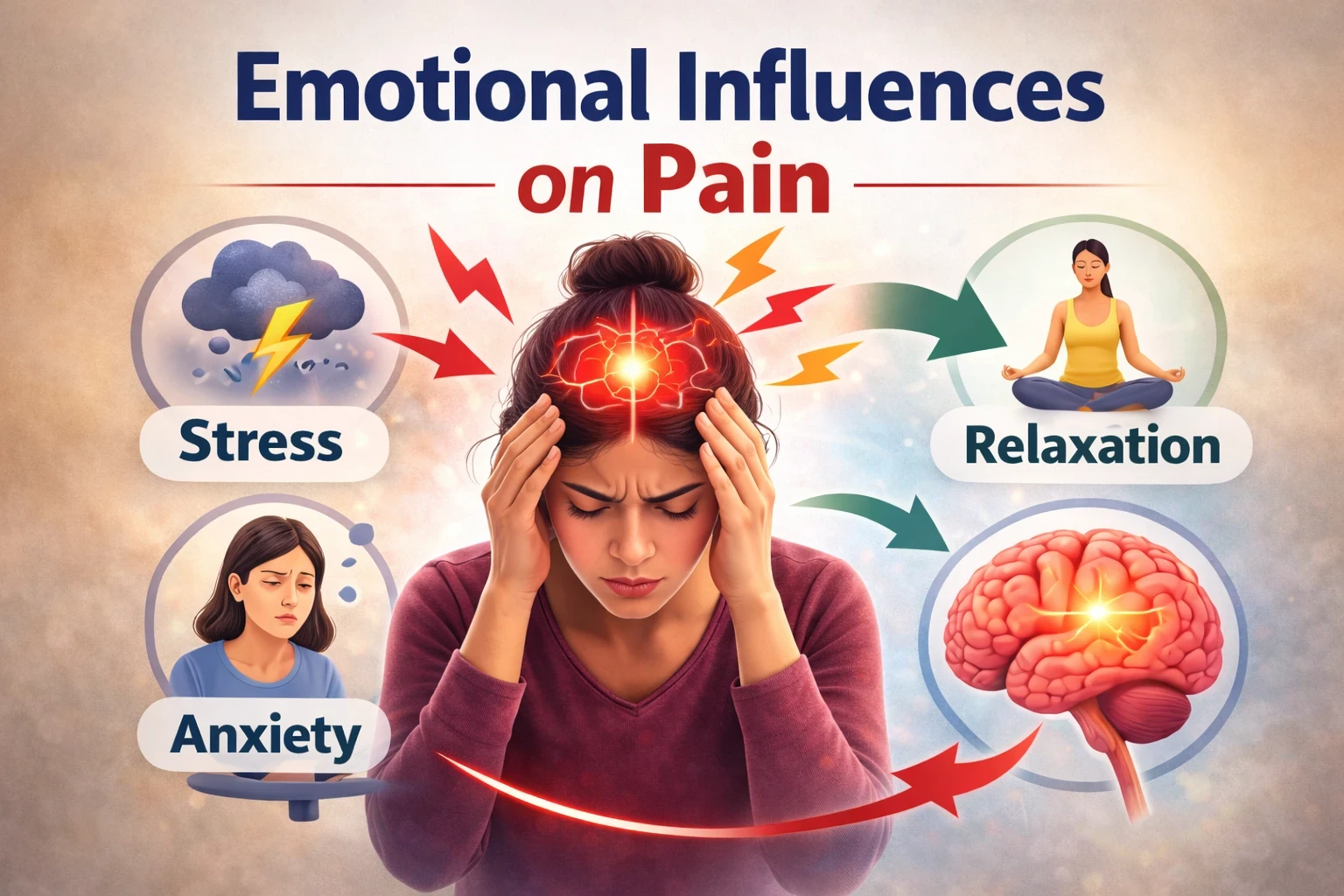
Pain is closely connected to emotional and psychological factors.
Stress, anxiety, and fear can increase the brain’s perception of danger.
When the brain senses greater threat, pain signals may become stronger.
On the other hand, feelings of safety and relaxation can reduce the intensity of pain signals.
Some people also notice that their symptoms can change location or fluctuate depending on stress levels. This pattern is discussed in the article on pain symptoms that shift locations.
Movement, Learning and Pain Recovery
Movement plays an important role in helping the brain recalibrate its interpretation of pain signals.
Gentle movement sends new information to the nervous system showing that certain activities are safe.
Over time, this can help reduce excessive sensitivity.
Gradual exercise programs are commonly used to restore strength, mobility, and confidence in movement.
For example, structured routines such as back pain recovery exercises can help rebuild normal movement patterns while supporting recovery.

Lifestyle Factors That Influence Pain Processing
Several lifestyle factors influence how the brain processes pain signals.
These include:
• sleep quality
• physical activity
• stress levels
• nutrition
• social support
Poor sleep and chronic stress can increase nervous system sensitivity.
Healthy lifestyle habits, on the other hand, help the brain regulate pain signals more effectively.
Many people notice that symptoms become worse during the night when fatigue and reduced movement influence pain processing.
This topic is explored further in why pain gets worse at night.
Modern Approaches to Pain Management
Modern pain management often combines several strategies designed to support both the body and the nervous system.
These approaches may include:
• education about pain science
• gradual physical activity and exercise
• stress management strategies
• improving sleep habits
• supportive tools such as braces or ergonomic equipment
Understanding the role of the brain in pain helps people approach recovery with greater confidence and less fear of movement.
When to Seek Medical Advice
Although many pain conditions improve over time, certain symptoms require medical evaluation.
You should seek professional advice if pain:
• persists for several months without improvement
• is accompanied by unexplained weight loss or fever
• causes significant weakness or numbness
• interferes severely with daily activities
A healthcare professional can help identify possible causes and recommend appropriate treatment options.
Frequently Asked Questions
Does pain come from the brain or the body?
Pain signals originate in the body, but the brain interprets these signals and produces the experience of pain.
Why can pain continue after an injury heals?
The nervous system may remain sensitive after injury, causing the brain to continue producing protective pain signals.
Can the brain reduce pain signals?
Yes. The brain can reduce pain sensitivity through movement, relaxation, improved sleep, and gradual recovery strategies.
Does stress affect pain levels?
Stress can increase the brain’s perception of threat, which may amplify pain signals.
Can learning about pain help recovery?
Pain education can help people understand how the nervous system works and reduce fear associated with movement.
Scientific Studies
Neuroscience of pain perception and modulation
Central sensitization in chronic pain
Pain processing in the human brain
