Understanding Pain Persistence
Understanding Pain Persistence
Understanding pain persistence is important for anyone experiencing ongoing discomfort.
Many people expect pain to disappear once an injury heals, yet this is not always the case.
Understanding pain persistence helps explain why pain sometimes continues even after tissues appear to recover.
Modern pain science shows that persistent pain is often linked to changes in the nervous system, movement patterns, lifestyle factors, and brain processing rather than ongoing tissue damage alone. Learning how these mechanisms work can help people approach recovery with greater confidence.
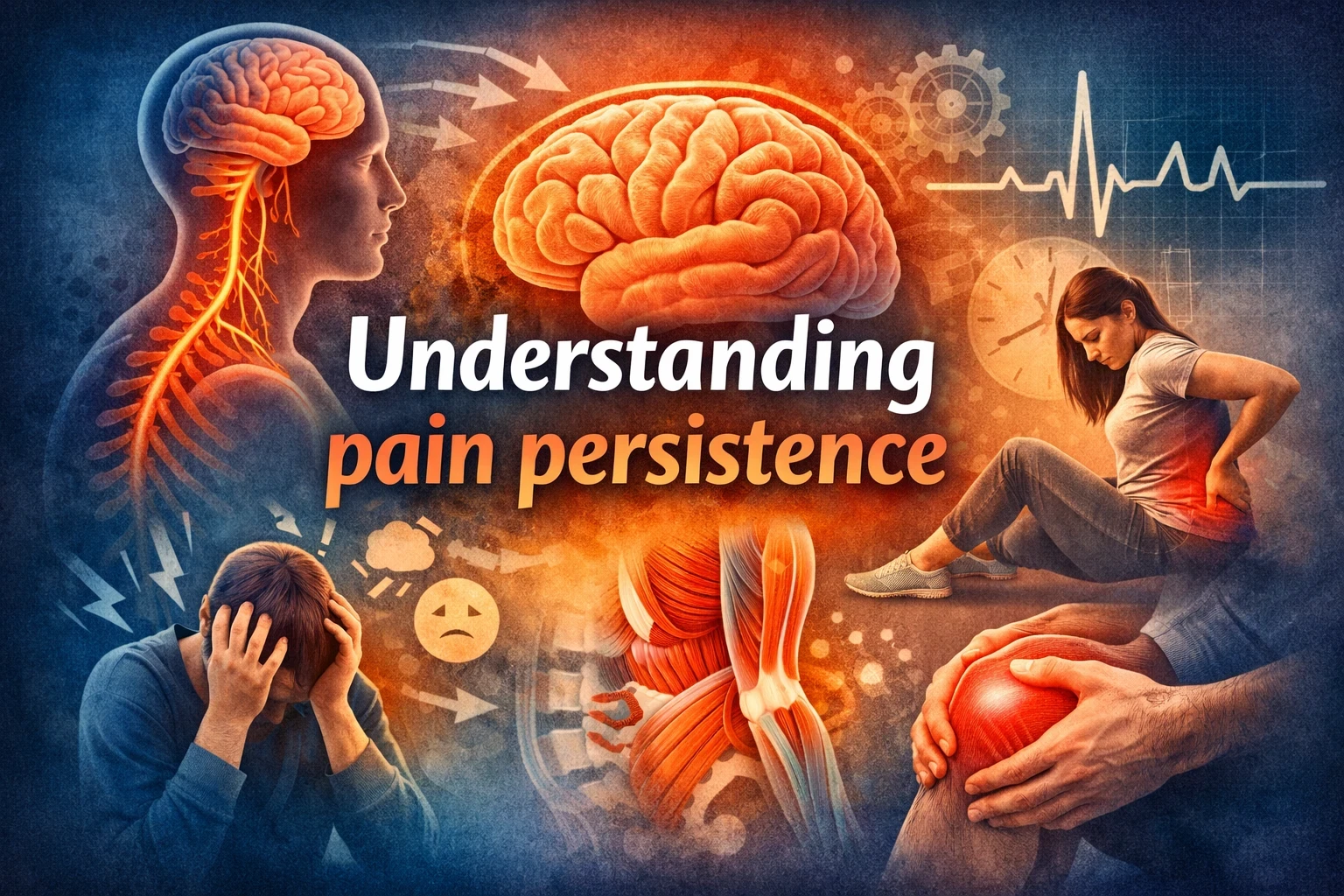
What Is Pain Persistence?
Pain persistence describes a situation where pain continues even after an injury has healed.
Research shows that ongoing pain is often linked to nervous system sensitivity, brain processing changes, reduced movement, and lifestyle factors rather than ongoing physical damage.
Understanding pain persistence allows people to recognise that pain signals are influenced by many systems in the body, including the brain, spinal cord, muscles, and emotional responses.
For a deeper look at how pain signals are produced, see this guide on understanding pain mechanisms.
Key Points About Pain Persistence
• Persistent pain can continue even after tissues heal.
• The nervous system can become more sensitive over time.
• Emotional and lifestyle factors influence pain signals.
• Gradual movement and rehabilitation often support recovery.
• Learning about pain mechanisms can reduce fear and improve confidence.
Nervous System Sensitisation
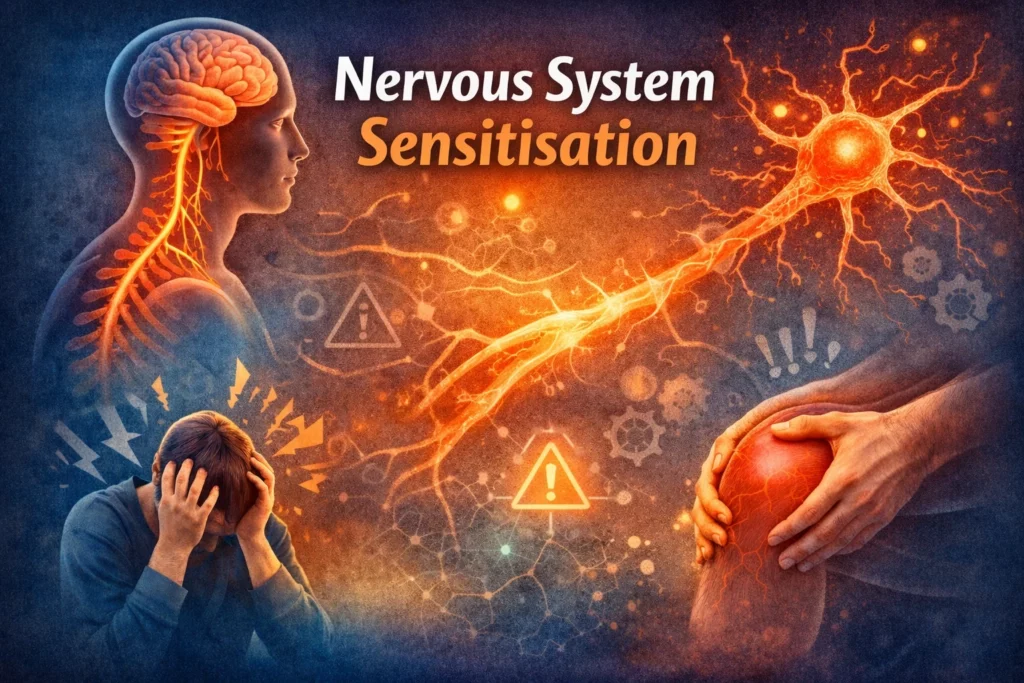
One of the most important ideas in understanding pain persistence is nervous system sensitisation.
When injury or inflammation occurs, pain signals travel repeatedly through nerve pathways.
Over time, these pathways may become more sensitive and easier to activate.
This means sensations that were once comfortable may begin to trigger pain signals. Importantly, this does not mean the pain is imagined. Instead, it reflects how adaptable and protective the nervous system can become.
Nervous system sensitisation is commonly seen in long-term pain conditions.
If you want to explore this further, this article on chronic pain explained provides a broader overview.
The Brain’s Role in Persistent Pain
Another key element of understanding pain persistence involves the brain.
The brain constantly evaluates signals coming from the body and determines when to produce pain as a protective response.
When pain has been present for a long time, the brain can become more alert to potential threats.
This heightened awareness may amplify signals from muscles, joints, or nerves.
This is one reason why fatigue, stress, or emotional strain can make persistent pain feel more intense.
Movement and Deconditioning
Reduced movement is another important factor linked to understanding pain persistence.
When people experience pain, it is natural to avoid activities that might worsen symptoms.
However, long periods of inactivity can lead to muscle weakness, joint stiffness, and reduced mobility.
This process, known as deconditioning, can make everyday activities feel more difficult and sometimes more painful.
Gradual movement and strengthening exercises can help rebuild physical capacity and retrain the nervous system.
Practical examples can be found in this guide on back pain recovery exercises.
Emotional and Psychological Influences
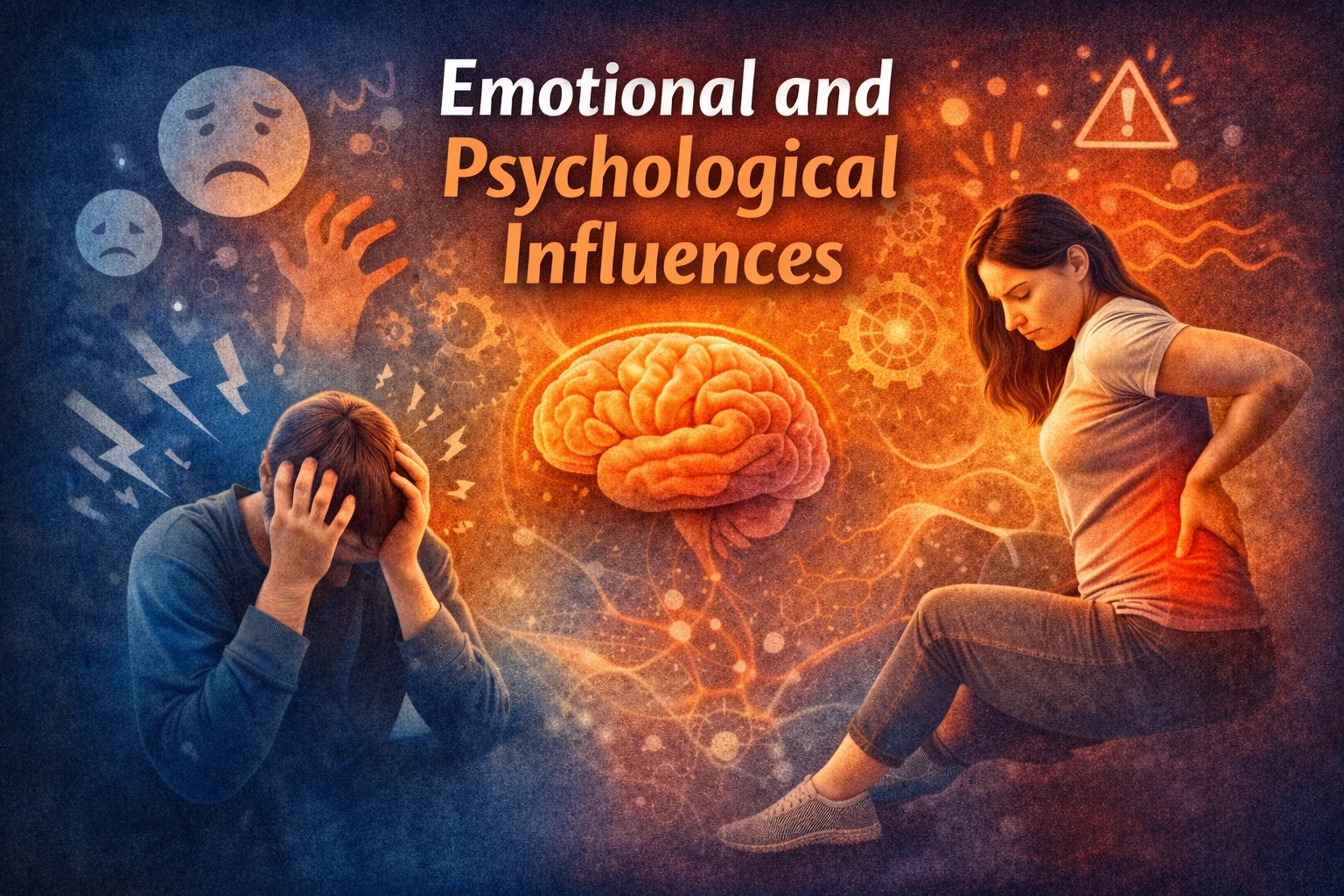
Emotions and psychological experiences also influence pain signals.
Fear of movement, anxiety about injury, and stress can increase the sensitivity of the nervous system.
As a result, the brain may interpret normal sensations as potential threats.
Understanding pain persistence includes recognising that emotional health and physical health are closely connected.
Strategies such as stress management, improved sleep, and relaxation techniques may help calm the nervous system over time.
Lifestyle Factors That Affect Pain
Daily habits can also influence understanding pain persistence.
Several lifestyle factors may increase pain sensitivity:
• Poor sleep quality
• High stress levels
• Limited physical activity
• Prolonged sitting
• Inflammatory dietary patterns
Small improvements in these areas can reduce the overall load on the nervous system.
For example, improving posture, introducing regular movement breaks, and maintaining joint mobility may help reduce discomfort. This guide on back pain relief solutions explores practical strategies.

Gradual Recovery and Nervous System Retraining
A key concept in understanding pain persistence is that recovery often involves retraining the nervous system rather than simply repairing damaged tissue.
Modern rehabilitation approaches frequently focus on:
• gradual movement and exercise
• restoring confidence in the body
• improving body awareness
• strengthening muscles and joints
Over time, these strategies can help reduce nervous system sensitivity and support long-term improvement.
Because persistent pain usually develops gradually, recovery also tends to happen gradually.
When Professional Help May Be Needed
While learning about understanding pain persistence can be helpful, professional guidance may sometimes be needed.
Healthcare professionals such as physiotherapists, rehabilitation specialists, or pain clinicians can help assess underlying causes and design personalised recovery plans.
Medical advice is particularly important if pain:
• lasts for several months
• interferes with daily activities
• becomes progressively worse
• is accompanied by numbness or neurological symptoms
A Balanced Perspective
Understanding pain persistence reminds us that pain does not always indicate ongoing damage.
Persistent pain often reflects changes in the nervous system, movement patterns, lifestyle factors, and emotional health.
With appropriate education, gradual activity, and supportive strategies, many people experience meaningful improvements in long-term pain.
Learning about pain science is often the first step toward reducing fear and rebuilding confidence in movement.
Frequently Asked Questions
Why does pain continue after an injury heals?
Pain may persist because the nervous system becomes more sensitive after injury. This means the brain can continue producing pain signals even when tissues have recovered.
Can persistent pain improve?
Yes. Many people experience improvement through gradual movement, rehabilitation exercises, improved sleep, and lifestyle adjustments.
Is persistent pain always caused by damage?
No. Research shows that persistent pain is often related to nervous system sensitivity rather than ongoing tissue injury.
Scientific Study
https://pubmed.ncbi.nlm.nih.gov/28135271/