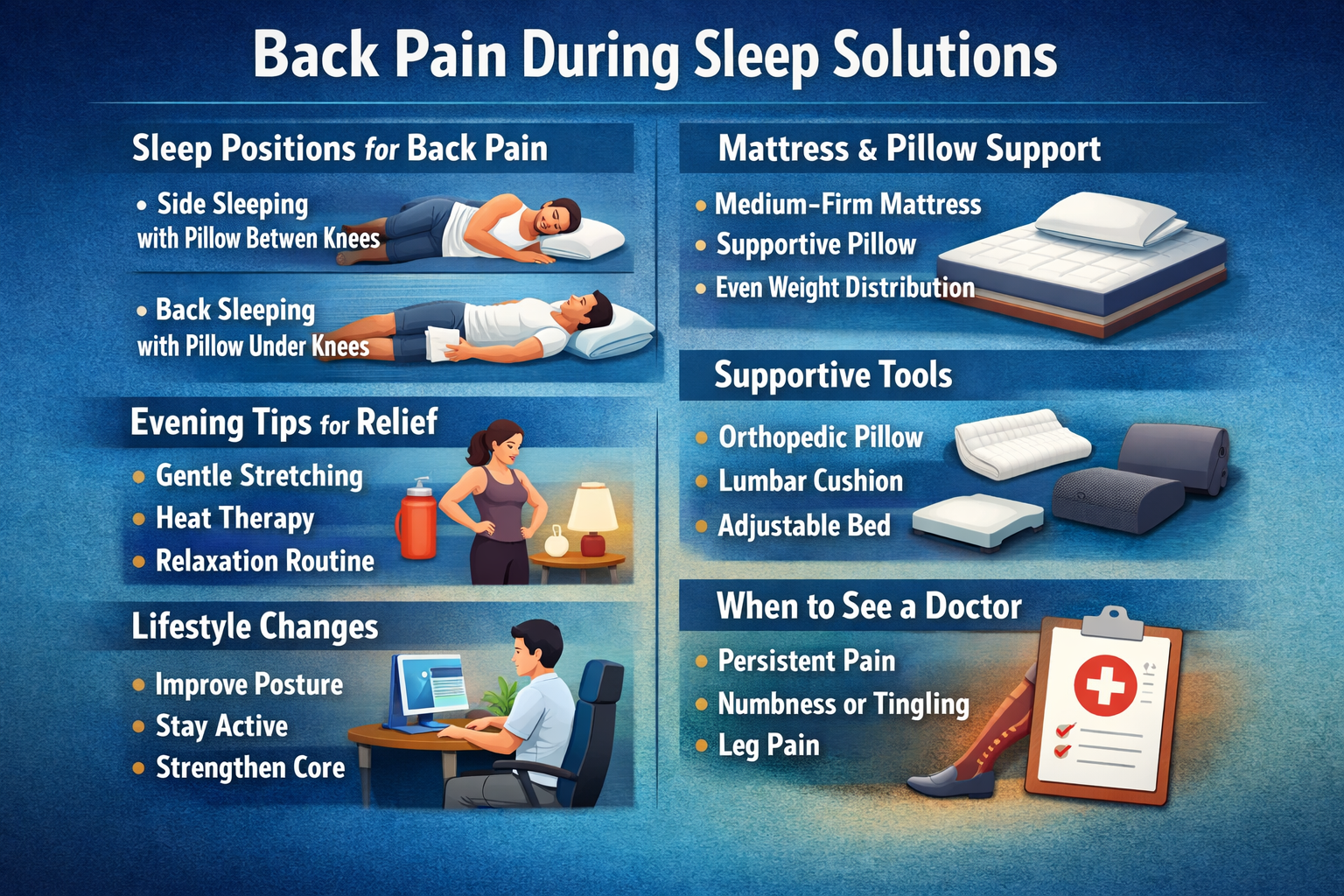
Back Pain During Sleep Solutions Science-Backed Options
Back Pain During Sleep Solutions
Back pain during sleep solutions are often overlooked, yet nighttime discomfort is one of the most common reasons people wake feeling stiff, sore, or fatigued.
While sleep is meant to restore the body, certain positions, mattress issues, or underlying musculoskeletal problems can actually aggravate the spine during the night.
Understanding practical back pain during sleep solutions can help reduce strain on spinal structures, support muscle recovery, and improve overall sleep quality.
Small adjustments in posture, bedding, and daily habits often make a meaningful difference.
Why Back Pain Can Worsen During Sleep
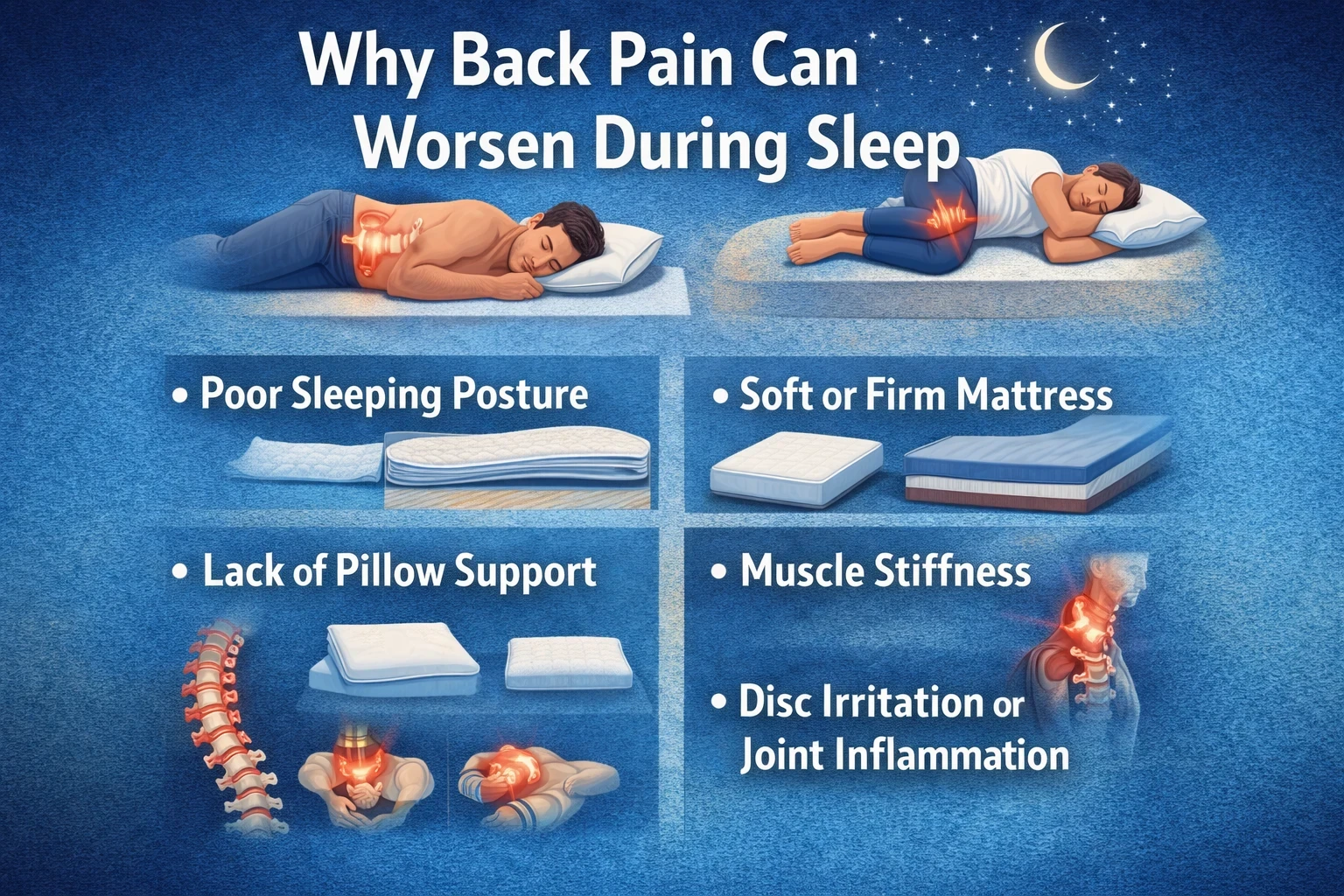
Nighttime back pain often occurs because the body remains in one position for several hours.
When the spine lacks proper support, muscles and ligaments may remain under tension throughout the night.
Several factors may contribute to this problem:
• Poor sleeping posture
• Mattresses that are too soft or too firm
• Lack of pillow support
• Muscle stiffness from inactivity
• Underlying conditions such as disc irritation or joint inflammation
Pain can sometimes intensify during the early morning hours when muscles cool down and joints become stiff.
Learning simple back pain during sleep solutions often starts with improving sleep posture and spinal alignment.
For a deeper understanding of how spinal structures contribute to discomfort, see this guide on understanding pain mechanisms.
Sleeping Positions That May Reduce Back Pain
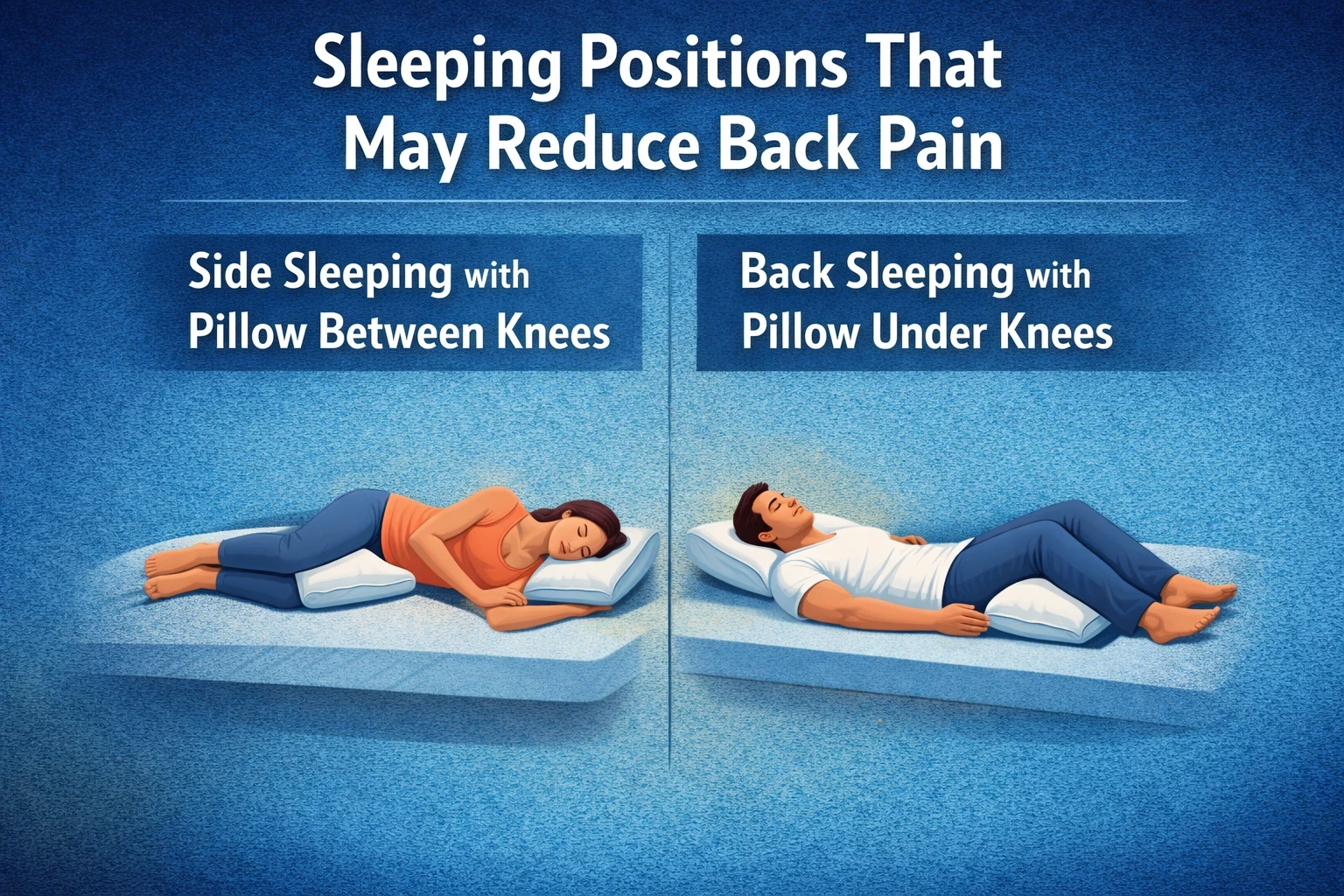
One of the most effective back pain during sleep solutions is improving sleep posture.
The position of the spine during sleep plays a major role in whether muscles remain relaxed or become strained.
Side Sleeping With Pillow Support
Side sleeping is widely considered one of the most supportive positions for the spine.
Placing a pillow between the knees can help keep the hips aligned and reduce twisting forces on the lower back.
Benefits include:
• Reduced spinal rotation
• Better hip alignment
• Less pressure on lumbar joints
This position is especially helpful for people experiencing lower back discomfort.
Sleeping on the Back With Knee Support
Another useful strategy among back pain during sleep solutions is lying on the back while placing a pillow beneath the knees.
This small adjustment reduces pressure on the lower spine and helps maintain the natural curve of the lumbar region.
Many physiotherapists recommend this posture because it distributes body weight evenly across the mattress.
Avoid Sleeping on the Stomach
Stomach sleeping can increase strain on the spine because the neck and lower back remain extended for long periods.
Over time, this posture may contribute to stiffness or nerve irritation.
If stomach sleeping feels unavoidable, placing a thin pillow beneath the pelvis may help reduce lower-back strain.
Mattress and Pillow Support
Mattress quality is one of the most overlooked back pain during sleep solutions.
A mattress that lacks proper support may allow the hips or shoulders to sink too deeply, creating uneven spinal alignment.
Research suggests that medium-firm mattresses often provide the best balance between comfort and spinal support.
When choosing a mattress, consider:
• Support for the natural curve of the spine
• Even distribution of body weight
• Pressure relief for hips and shoulders
Pillow height also matters. A pillow that is too thick or too thin can alter neck alignment and place additional stress on the upper back.
You can explore more supportive strategies in this article about best sleeping positions for back pain.
Evening Habits That Support Better Sleep
Certain habits before bedtime can influence whether the body relaxes or remains tense throughout the night.
Some back pain during sleep solutions focus on preparing the muscles and joints for rest.
Helpful strategies may include:
• Gentle stretching before bed
• Light evening walks
• Applying heat to tight muscles
• Maintaining a consistent sleep schedule
These small habits encourage circulation and reduce stiffness that might otherwise develop overnight.
For example, gentle movement routines described in this guide on back pain recovery exercises may support flexibility and spinal stability.
Supportive Tools That May Help
Some people benefit from supportive products designed to improve sleep posture and reduce pressure on the spine.
These tools can complement other back pain during sleep solutions.
Common options include:
• Orthopedic pillows
• Lumbar support cushions
• Mattress toppers
• Adjustable beds
Go to OBER HEALTH For a full range of back pain relief solutions.
These products aim to maintain better spinal alignment while reducing stress on muscles and joints.
Additional supportive products are discussed in this guide to supportive back pain relief tools.
Lifestyle Factors That Influence Nighttime Back Pain
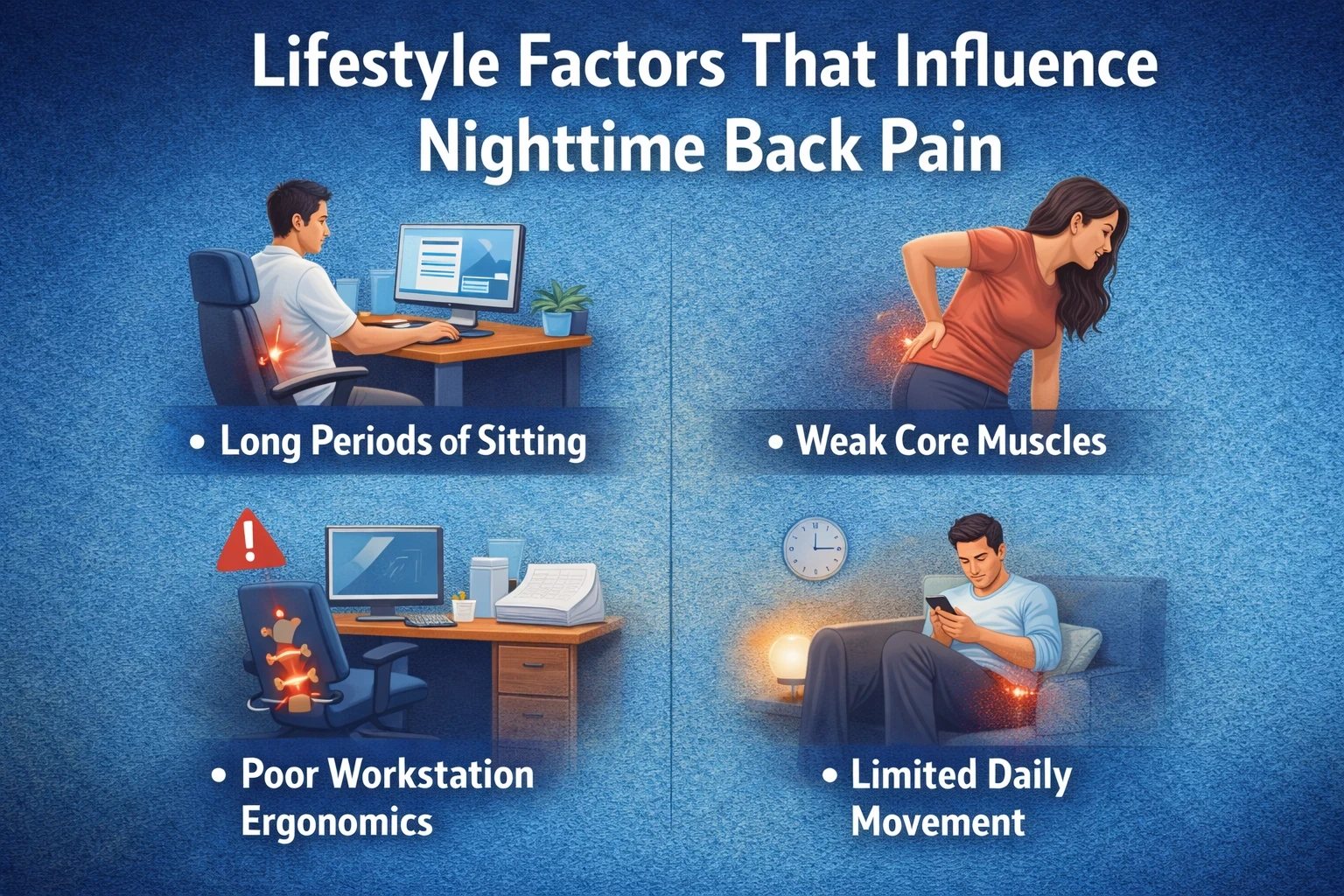
Back pain rarely results from a single cause. Instead, it often develops due to a combination of movement patterns, posture, stress, and physical conditioning.
Lifestyle factors that may influence nighttime discomfort include:
• Long periods of sitting
• Weak core muscles
• Poor workstation ergonomics
• Limited daily movement
Addressing these factors during the day often improves nighttime comfort as well.
When to Seek Professional Help
Although many back pain during sleep solutions are simple lifestyle adjustments, persistent or severe pain may require medical evaluation.
You may want to seek professional guidance if:
• Pain lasts longer than several weeks
• Numbness or tingling develops
• Pain spreads down the legs
• Sleep disruption becomes severe
Healthcare professionals may recommend physiotherapy, diagnostic imaging, or targeted treatment strategies depending on the cause.
The Bottom Line
Finding effective back pain during sleep solutions often involves small adjustments that improve spinal alignment and reduce muscular tension overnight.
Simple strategies such as improving sleep posture, choosing supportive bedding, and maintaining healthy movement habits can significantly reduce nighttime discomfort.
Better sleep posture not only supports spinal health but may also improve overall recovery, energy levels, and daily comfort.
With consistent adjustments and awareness of body mechanics, many people find that restful sleep and reduced back pain can go hand in hand.
Scientific Studies
https://pubmed.ncbi.nlm.nih.gov/19708745/
https://pubmed.ncbi.nlm.nih.gov/30104751/