Pinched Nerve Treatment: Causes, Symptoms, And Effective Ways To Relieve
Pinched Nerve Treatment
Pinched nerve treatment focuses on relieving pressure placed on a nerve by surrounding tissues such as bones, discs, muscles, or ligaments.
When nerve becomes compressed, the signals traveling between the brain and body can become disrupted.
As a result, people may experience pain, tingling, numbness, or weakness. Pinched nerves are common in the neck, lower back, wrists, and shoulders.
While many cases improve with conservative care, understanding the causes and treatment options can help prevent symptoms from becoming long-term.
Learning how nerves become irritated is an important first step.
The guide on why nerve pain occurs explains the biological processes that cause nerve compression and sensitivity.
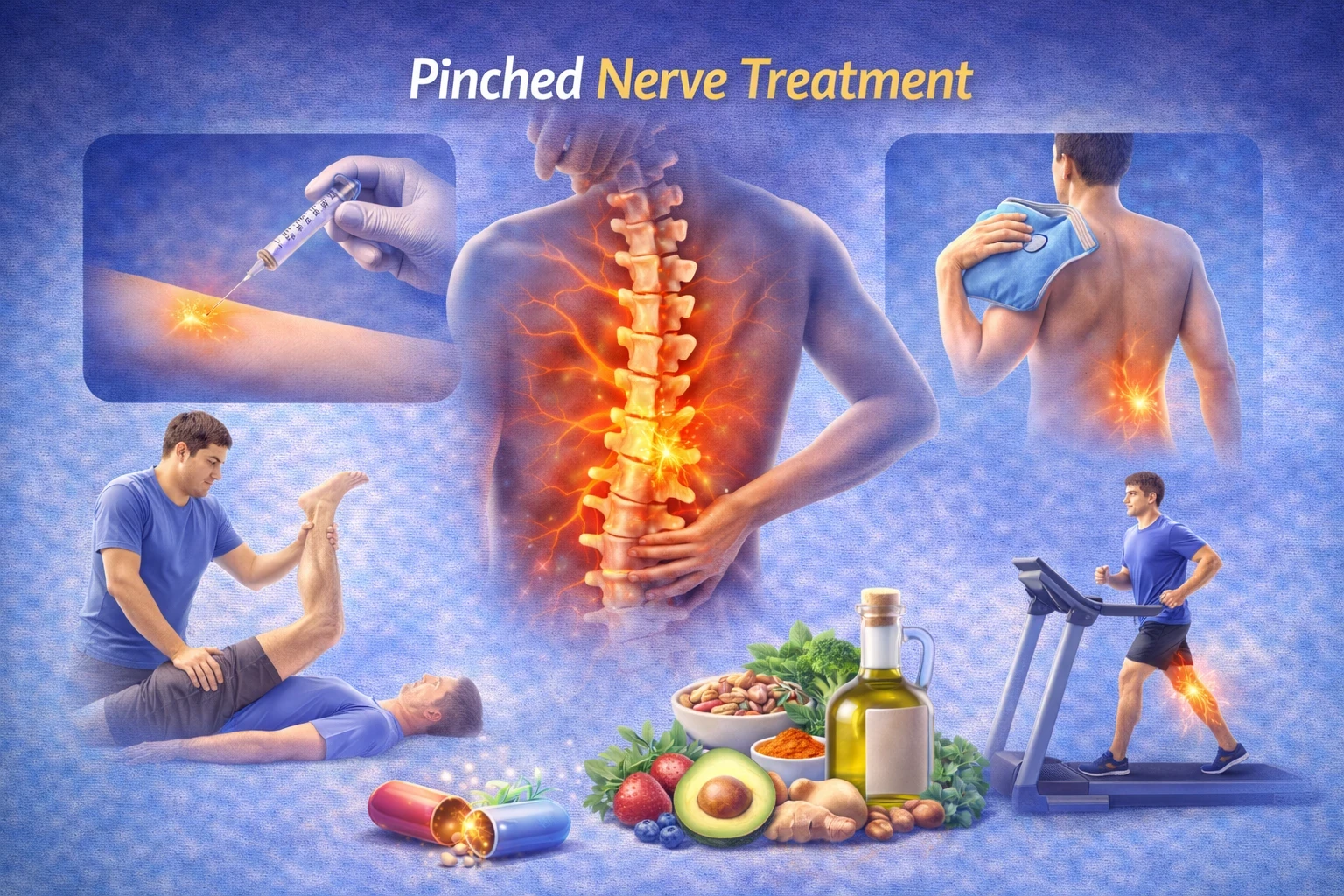
What Is a Pinched Nerve?
A pinched nerve occurs when surrounding structures place pressure on a nerve. This pressure disrupts the nerve’s ability to send normal signals through the nervous system.
Because nerves function like electrical cables, compression may interfere with the messages sent between the brain and different parts of the body.
Symptoms often develop gradually and may worsen if the pressure on the nerve continues.
Understanding how the nervous system processes pain signals can help explain why these symptoms occur.
The article on understanding pain mechanisms explains how nerve signals travel and how the brain interprets them.
Common Causes of a Pinched Nerve
Several factors may lead to nerve compression.
Herniated Disc
Spinal discs act as cushions between vertebrae.
When a disc bulges or ruptures, it may press against nearby nerves.
This is one of the most common causes of nerve pain in the neck and lower back.
Repetitive Movements
Repetitive motions can place stress on joints and tissues.
Over time, this stress may cause swelling that compresses nearby nerves.
Carpal tunnel syndrome in the wrist is a common example.
Poor Posture
Poor posture can place uneven pressure on the spine and surrounding tissues.
Over time, this may irritate spinal nerves.
Arthritis Joint degeneration may narrow the spaces where nerves pass through the spine.
This narrowing can compress nerves and cause pain.
Injury Falls, sports injuries, and accidents may damage tissues around nerves, leading to swelling and compression.
Understanding the biological mechanisms behind these causes is explained further in the guide on pain education and how pain works in the human body.

Symptoms of a Pinched Nerve
Symptoms vary depending on which nerve is affected. Common symptoms include:
• sharp or burning pain
• tingling sensations
• numbness • muscle weakness
• pain that travels down an arm or leg
• increased sensitivity to touch
When a spinal nerve becomes compressed, pain may radiate along the entire nerve pathway.
For example, a pinched nerve in the lower back may produce pain that travels down the leg, commonly known as sciatica.
These symptoms often guide the diagnosis and determine the most appropriate pinched nerve treatment plan.
Conservative Pinched Nerve Treatment Options
Many people recover from a pinched nerve without surgery.
Conservative treatments often aim to reduce pressure on the nerve and allow tissues to heal.
Rest and Activity Modification
Reducing activities that aggravate symptoms may allow inflamed tissues to recover.
Short periods of rest can help reduce irritation around the nerve.
Gentle Movement
Although rest may help initially, gentle movement is important for recovery.
Movement improves circulation and helps maintain flexibility in surrounding tissues.
Gradual activity may also help the nervous system become less sensitive to pain signals.
Physical Therapy
Physical therapy can play an important role in pinched nerve treatment.
Therapists may recommend exercises that strengthen supporting muscles, improve posture, and reduce nerve compression.
Stretching exercises may also help restore mobility and reduce pressure on the affected nerve.
Posture and Ergonomics
Improving posture can significantly reduce stress on spinal nerves.
Ergonomic workstations, supportive chairs, and proper lifting techniques may help prevent nerve compression.
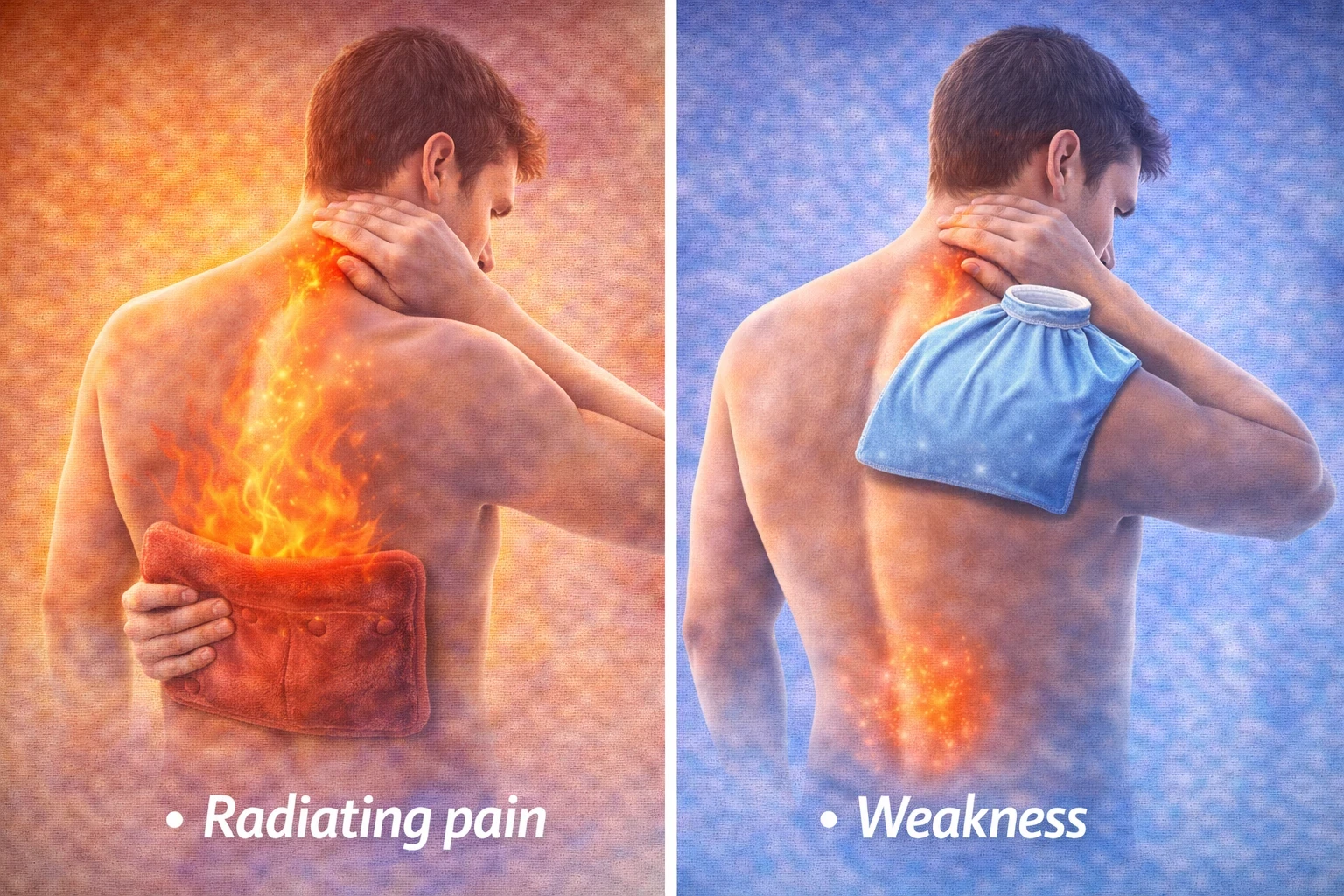
Heat and Cold Therapy
Cold therapy may reduce inflammation during acute irritation.
Heat therapy may relax surrounding muscles and improve circulation.
Go to Nature Creation for natural heat and cold therapy products.
These simple approaches may temporarily relieve discomfort while other treatments address the underlying cause.
Medical Treatments for Pinched Nerves
If conservative treatments do not relieve symptoms, medical treatment may be recommended.
Doctors may consider several options.
Anti-Inflammatory Medications
These medications may reduce swelling around nerves.
Lower inflammation may relieve pressure and reduce pain.
Nerve Pain Medications
Certain medications target abnormal nerve signaling.
These medications may help stabilize nerve activity and reduce pain.
Steroid Injections
Corticosteroid injections may reduce inflammation around compressed nerves.
In some cases, this treatment can provide significant relief.
Surgical Treatment
Surgery is typically considered only when severe nerve compression causes persistent pain, weakness, or loss of function.
Procedures may involve removing structures that press on the nerve.
Lifestyle Strategies That May Help
Lifestyle habits may also influence nerve irritation.
Maintain Healthy Movement
Regular movement helps maintain joint flexibility and circulation around nerves.
Reduce Inflammation
An anti-inflammatory diet rich in fruits, vegetables, and healthy fats may support recovery.
Improve Sleep Sleep supports nervous system recovery and tissue repair.
Poor sleep may increase pain sensitivity.
These strategies may complement a broader pinched nerve treatment plan.
When to Seek Medical Advice
While many cases improve with conservative care, medical evaluation is important if symptoms include:
• persistent numbness
• muscle weakness • worsening pain
• loss of coordination
• bowel or bladder changes
These symptoms may indicate significant nerve compression requiring professional evaluation.
Long-Term Prevention
Preventing future nerve compression often involves maintaining healthy movement patterns and posture. Helpful strategies include:
• strengthening core muscles • maintaining good posture
• avoiding repetitive strain
• taking movement breaks during sedentary work
Understanding how nerves function and how pain signals are processed can help individuals manage symptoms more effectively.
Modern pain science shows that combining movement, lifestyle strategies, and medical care often provides the most effective long-term approach to pinched nerve treatment.
Scientific Studies https://pubmed.ncbi.nlm.nih.gov/20345238/ https://pubmed.ncbi.nlm.nih.gov/24789306/ https://pubmed.ncbi.nlm.nih.gov/30888504/