
Brain Fog And Pain Management Find Effective Long-term Relief
Brain Fog and Pain Management
Brain fog and pain management is becoming an important topic for people dealing with chronic discomfort, fatigue, and reduced mental clarity.
When pain persists, it doesn’t just affect the body—it also impacts focus, memory, and overall cognitive performance.
Therefore, understanding how these two issues connect is key to finding effective, long-term relief.

Why Does Brain Fog Happen?
Brain fog is not a medical diagnosis. Instead, it describes symptoms like poor concentration, forgetfulness, mental fatigue, and slow thinking.
In simple terms, it feels like your mind is clouded or less sharp than usual.
When pain becomes chronic, the nervous system stays on high alert.
As a result, this constant stress interferes with how the brain processes information.
Consequently, people dealing with ongoing pain often experience mental fatigue alongside physical discomfort.
For a deeper understanding, explore chronic pain treatment: complete guide to relief, recovery and long-term management.
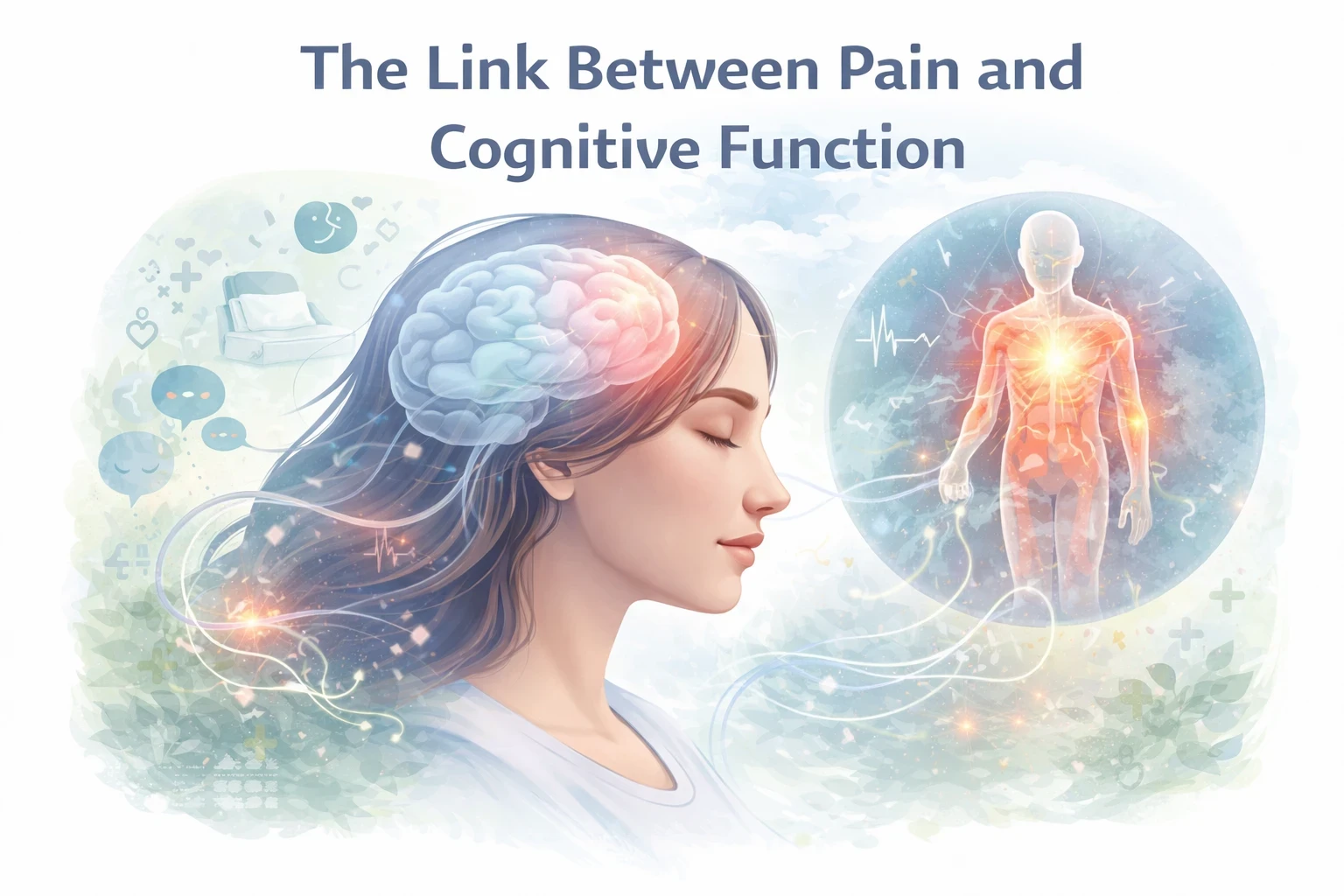
The Link Between Pain and Cognitive Function
The connection between pain and mental clarity is stronger than many realise.
For example, pain signals compete for attention in the brain, making it harder to focus on daily tasks.
In addition, poor sleep—often caused by pain—plays a major role.
When sleep quality drops, cognitive performance follows.
Therefore, a cycle develops where pain disrupts sleep, poor sleep worsens brain fog, and brain fog reduces your ability to manage pain effectively.
Because of this, brain fog and pain management should always be approached together rather than treated separately.
How the Body Contributes to Brain Fog
Several physical factors can worsen brain fog when pain is present. For instance:
- Inflammation affecting brain signalling
- Hormonal imbalances linked to stress
- Reduced activity lowering circulation
- Nutritional deficiencies impacting brain performance
In addition, nutritional issues can play a role.
You may benefit from reading folic acid deficiency symptoms and how they affect energy levels, as low nutrient levels can contribute to fatigue and poor focus.
Conditions Commonly Linked to Brain Fog and Pain
Certain conditions are known for causing both pain and cognitive symptoms. These include:
- Fibromyalgia
- Chronic fatigue syndrome
- Arthritis
- Nerve pain conditions
- Long-term stress-related disorders
For example, many people exploring fibromyalgia pain relief strategies that actually work report improvements in both pain and mental clarity when using combined approaches.
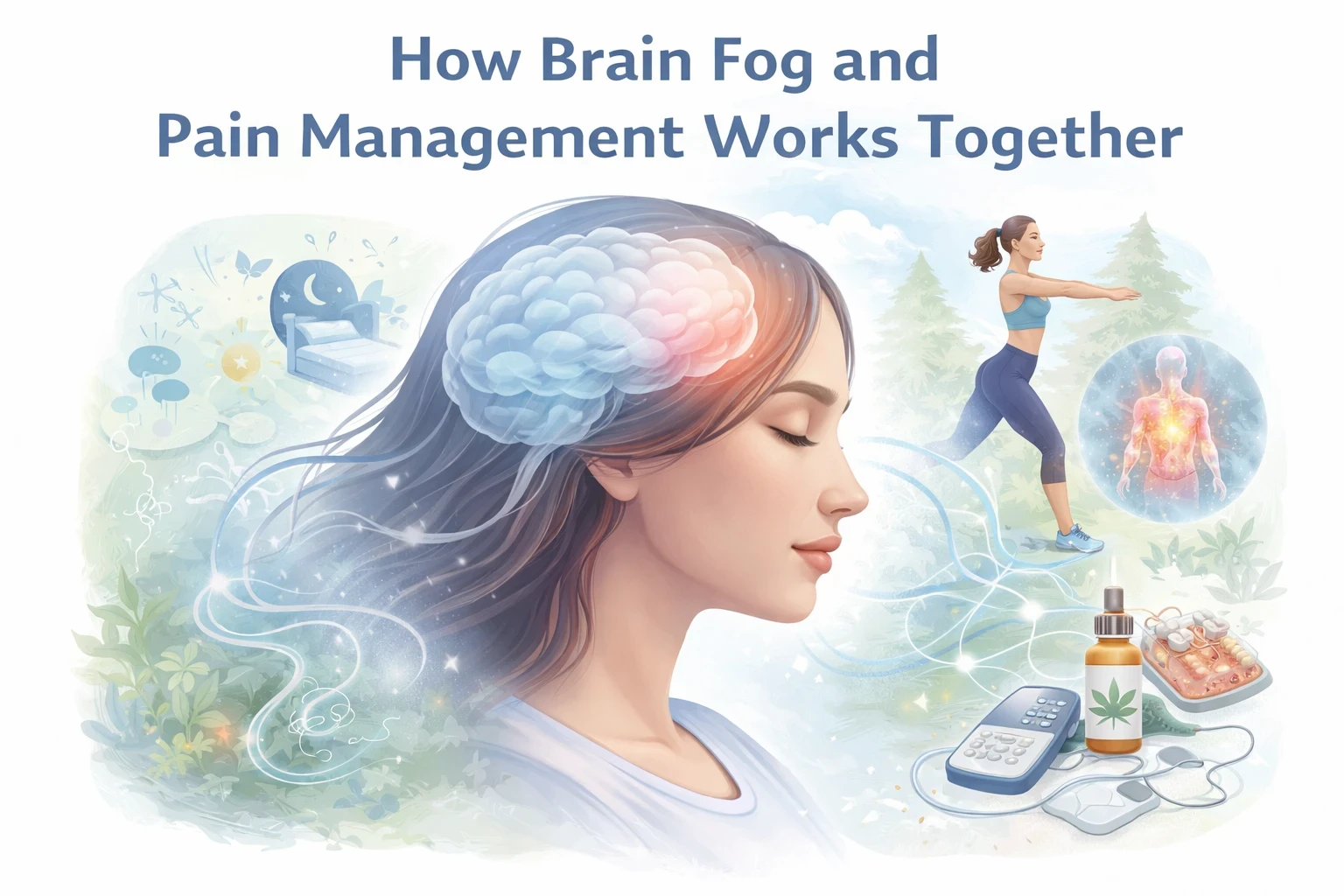
How Brain Fog and Pain Management Works Together
Effective brain fog and pain management focuses on calming the nervous system while supporting brain function. In most cases, combining multiple strategies delivers the best results.
Improve Sleep Quality
Firstly, sleep restores both body and mind. Better sleep reduces pain sensitivity and improves concentration.
Gentle Movement
Secondly, light exercise increases blood flow and supports brain health while reducing stiffness.
For guidance, see best exercises for pain relief and mobility improvement.
Reduce Inflammation
Additionally, whole foods, hydration, and balanced nutrition help support both brain and body.
Manage Stress
Finally, breathing exercises, mindfulness, and relaxation techniques help regulate the nervous system.

Supportive Options That May Help
Supportive tools can complement lifestyle changes in brain fog and pain management. For example:
- Heat therapy for muscle relaxation
- TENS therapy for pain signal control
- Nutritional support for energy and recovery
For Heat Therapy Go Here
For TENS Therapy Go Here
For Nutritional Support Go Here
In some cases, individuals also explore CBD. While evidence is still developing, it may support relaxation.
Learn more in CBD oil benefits for chronic pain and inflammation support.
Daily Habits That Improve Mental Clarity
In brain fog and pain management, small daily habits can make a significant difference over time. For instance:
- Stay hydrated
- Break tasks into smaller steps
- Take regular movement breaks
- Spend time outdoors
- Maintain a consistent routine
As a result, these habits support both cognitive function and pain reduction.
Brain Fog Recovery Strategies (Cluster Support)
If you want to go deeper into improving focus and mental clarity, explore brain fog recovery strategies that support mental clarity and energy.
This cluster topic expands on practical ways to improve cognitive performance, including nutrition, sleep optimisation, and daily routines that directly support brain fog and pain management.
Limitations and Expectations
It is important to understand that there is no instant fix for brain fog and pain management. Instead, progress takes time and consistency.
However, small improvements build over time and often lead to noticeable long-term benefits.
Some people find relief from Brain Fog by using top quality supplements.
Balanced Perspective
Brain fog can feel frustrating, especially when combined with ongoing pain.
However, it is usually a sign of overload in the nervous system rather than permanent damage.
With the right approach to brain fog and pain management, many people improve both clarity and comfort over time.
FAQ: Brain Fog and Pain Management
What is brain fog and pain management?
Brain fog and pain management refers to addressing both mental clarity and physical pain together to improve overall wellbeing.
Can chronic pain cause brain fog?
Yes. Ongoing pain affects brain processing, attention, and memory. As a result, it often leads to mental fatigue.
How long does brain fog last?
It varies. Some people experience short-term symptoms, while others may have longer-lasting effects depending on the underlying cause.
Does sleep affect brain fog and pain?
Yes. Poor sleep increases pain sensitivity and reduces cognitive function.
Can exercise help improve symptoms?
Yes. Gentle exercise improves circulation, supports brain function, and helps regulate pain signals.
Are supplements useful?
They may help if deficiencies exist. However, they work best alongside lifestyle changes.
Is brain fog permanent?
In most cases, no. When underlying causes are addressed, symptoms often improve gradually.
What is the first step to improve symptoms?
Start with sleep, stress reduction, and gentle movement. These create a strong foundation for recovery.
Scientific Studies
https://pubmed.ncbi.nlm.nih.gov/31452104/
https://www.ncbi.nlm.nih.gov/pmc/articles/PMC6027920/