Folic Acid Deficiency Symptoms Early Signs You Shouldn’t Ignore
Folic Acid Deficiency Symptoms
Folic acid deficiency symptoms can begin quietly and gradually worsen if left unaddressed.
Folic acid, also known as vitamin B9, is essential for red blood cell production, DNA synthesis, and healthy cell division.
When levels drop, the body cannot function optimally, and symptoms begin to appear.
Understanding folic acid deficiency symptoms early allows for simple correction before more serious complications develop.
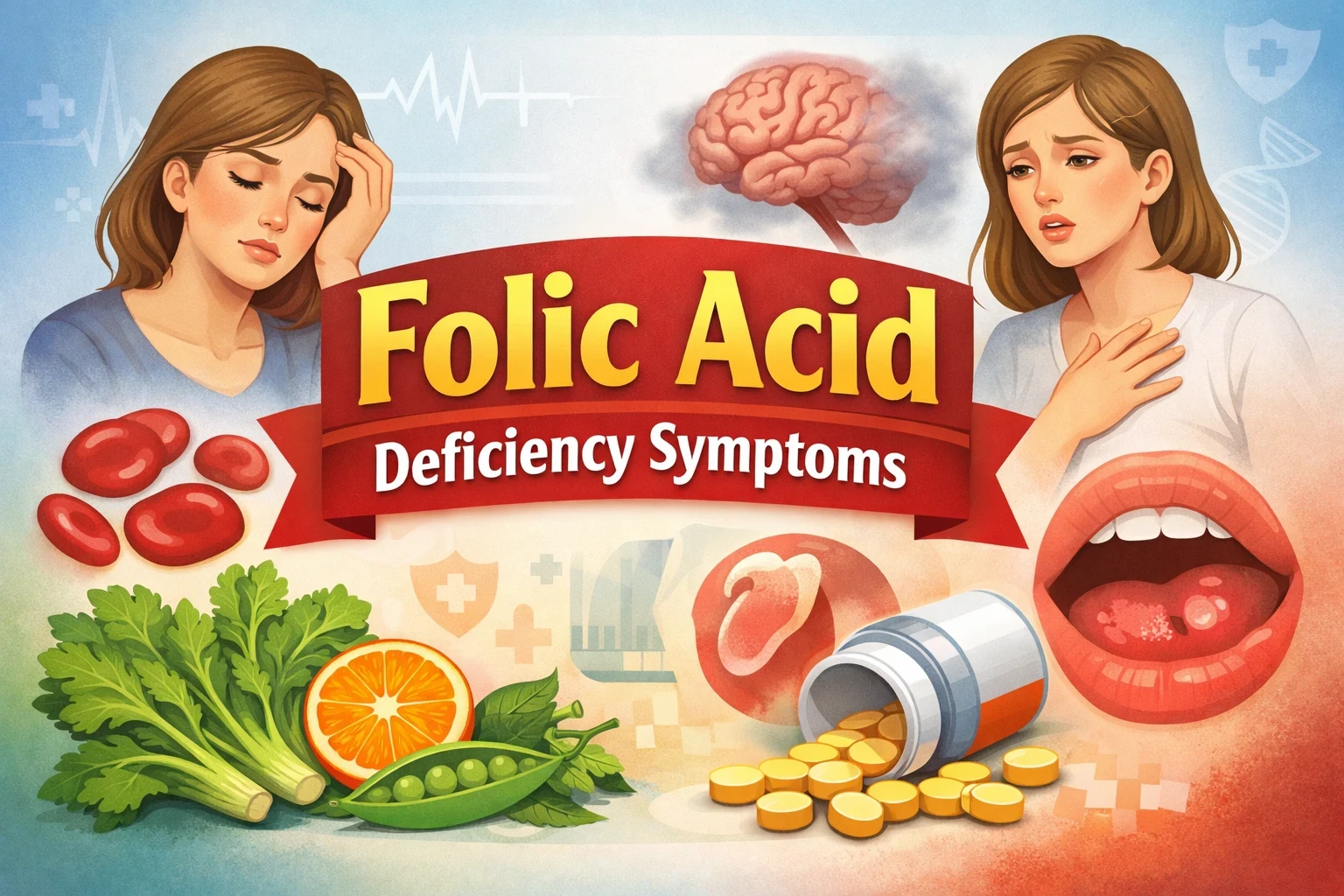
Why Folic Acid Matters in the Body
Folic acid plays a foundational role in:
• Producing healthy red blood cells
• Supporting oxygen transport
• Assisting DNA replication
• Supporting nervous system balance
When folate levels are insufficient, the body produces abnormally large red blood cells that do not carry oxygen efficiently.
This condition, known as megaloblastic anemia, is responsible for many of the physical signs associated with deficiency.
Reduced oxygen delivery explains why energy levels are often the first thing affected.
If you’re unsure how nutrients influence fatigue patterns more broadly, you may also find this helpful:
https://beyond-pain-relief.com/benefits-of-magnesium/
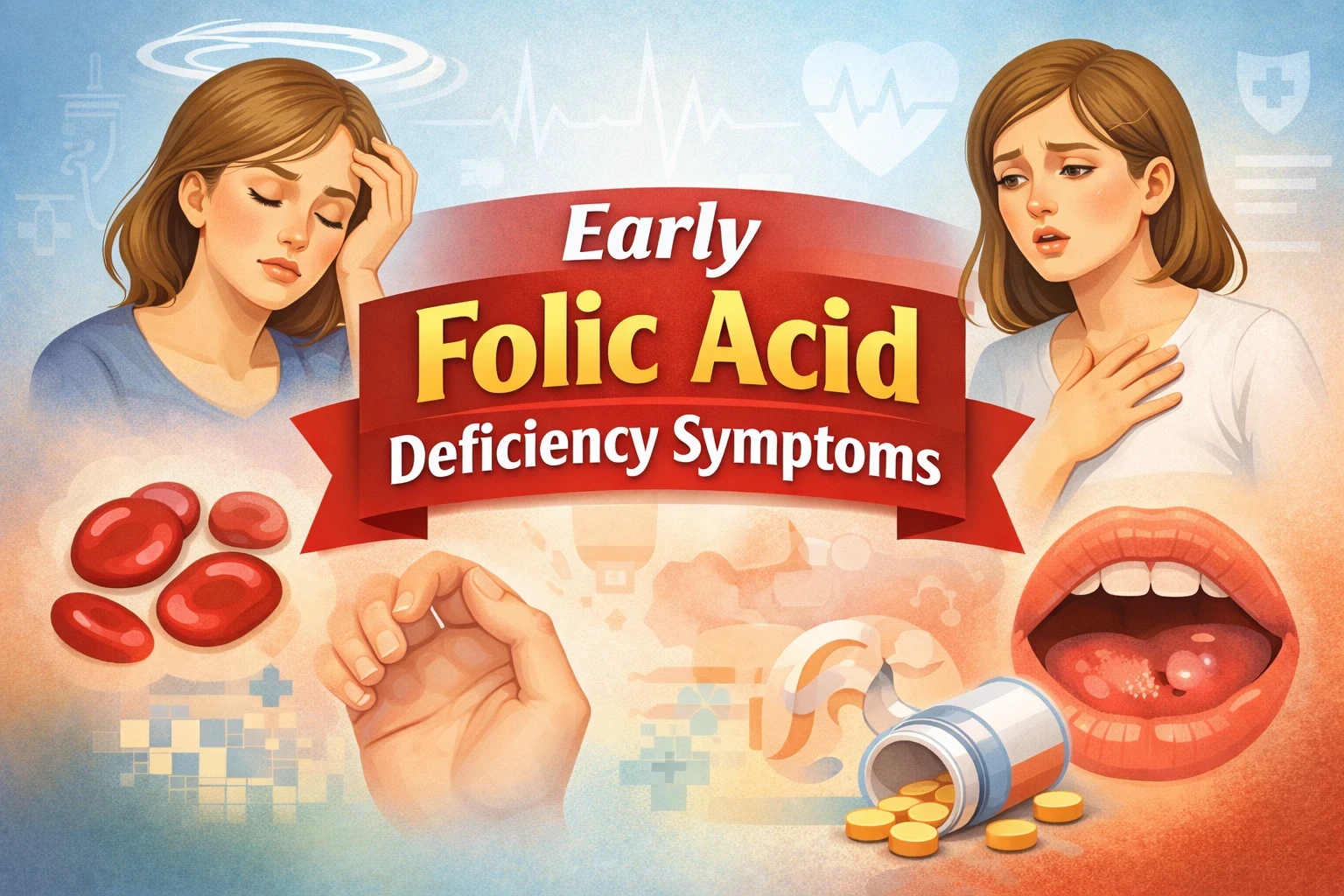
Early Folic Acid Deficiency Symptoms
In the early stages, folic acid deficiency symptoms may be subtle and easy to dismiss.
Common early signs include:
- Persistent fatigue
- Low energ
- Weakness
- Pale skin
- Shortness of breath during normal activity
- Lightheadedness
Because these symptoms overlap with stress, poor sleep, or iron deficiency, they are frequently overlooked.
Some women also report brain fog or difficulty concentrating.
Since folate supports neurological function, low levels can affect mental clarity before more obvious physical symptoms develop.
If you have had a folic acid diagnosis go to Universal Herbs for quality assured Folic Acid Supplementation.
Moderate and Progressive Symptoms
If the deficiency continues, symptoms tend to become more noticeable.
Moderate folic acid deficiency symptoms may include:
- Headaches
- Irritability
- Mood changes
- Mouth ulcers
- A swollen or smooth tongue
- Heart palpitations
Digestive disturbances such as mild nausea or reduced appetite can also occur.
As anemia worsens, daily tasks may feel exhausting.
Climbing stairs or light exercise may cause unusual breathlessness.
These functional limitations often prompt medical evaluation.
Emotional and Cognitive Effects
Folate is involved in neurotransmitter production, meaning deficiency can influence mood and emotional regulation.
Some individuals experience:
- Low mood
Increased anxiety - Poor concentration
- Memory lapses
Nutrient-related mood changes are often overlooked.
If you’re exploring how physical imbalances influence perception and mental state, this article expands on that connection:
https://beyond-pain-relief.com/how-anxiety-affects-perception/
When folic acid deficiency symptoms affect both energy and mood, overall quality of life can decline significantly.
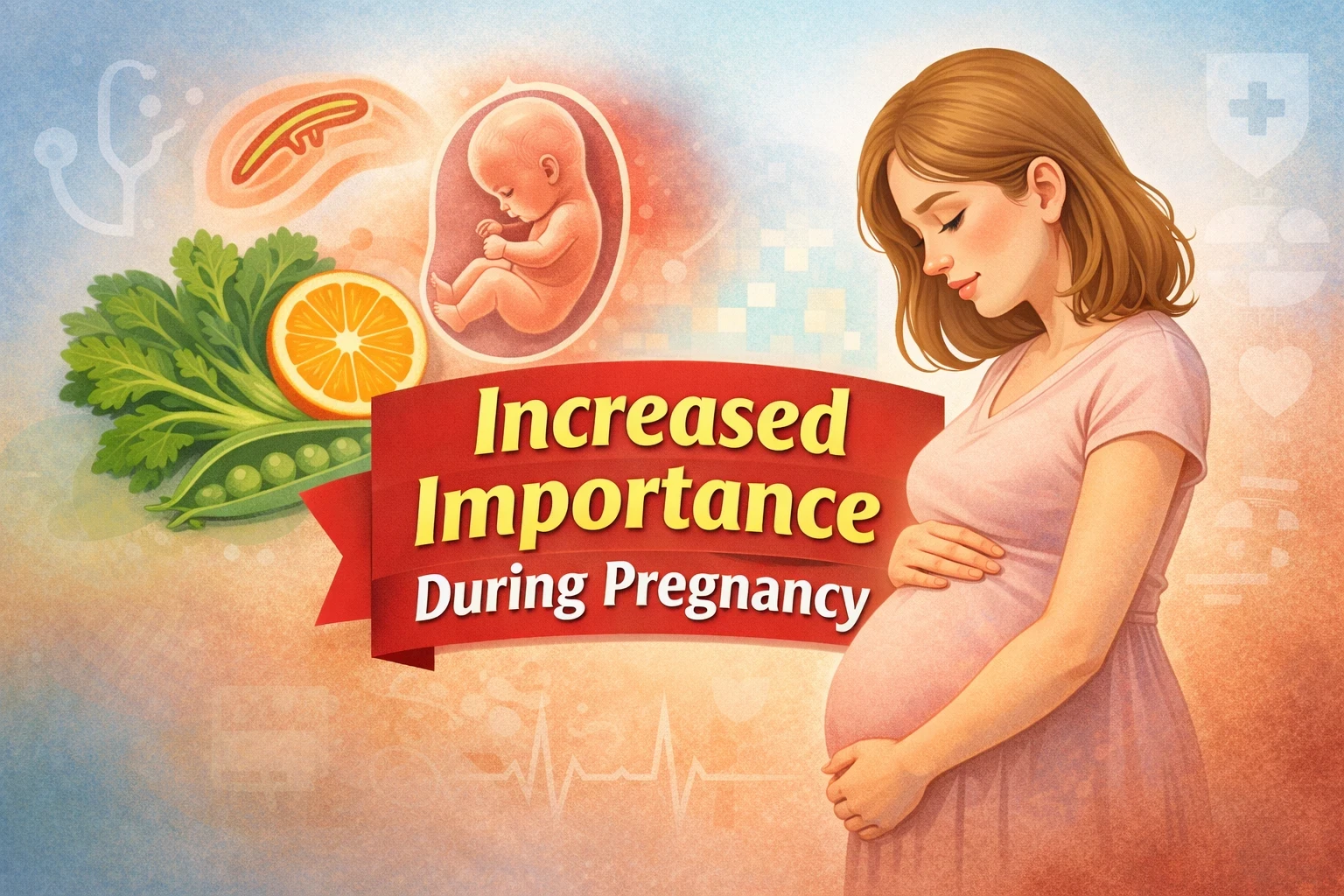
Increased Importance During Pregnancy
Folate is particularly critical during pregnancy because it supports early neural tube development in the fetus.
Inadequate levels increase the risk of neural tube defects.
Women of reproductive age are often advised to maintain sufficient intake even before conception occurs.
During pregnancy, folic acid deficiency symptoms may intensify due to increased nutritional demands.
Maintaining healthy folate levels supports both maternal wellbeing and fetal development.
If you have had a folic acid diagnosis go to Universal Herbs for quality assured Folic Acid Supplementation
Who Is at Higher Risk?
Certain groups are more vulnerable to deficiency, including:
Women with heavy menstrual cycles
Pregnant or breastfeeding women
Individuals with digestive disorders that impair absorption
Those who consume excessive alcohol
People following restrictive diets
Individuals taking medications that interfere with folate metabolism
Even with a balanced diet, absorption problems can lead to low levels.
Leafy green vegetables, legumes, citrus fruits, and fortified grains are natural dietary sources, but intake alone may not always prevent deficiency.
When to Seek Medical Testing
If fatigue, dizziness, pale skin, or cognitive changes persist for several weeks, testing may be appropriate.
A simple blood test can confirm low folate levels.
It is important not to self-diagnose, as folate deficiency can mask vitamin B12 deficiency, which requires a different treatment approach.
Ignoring ongoing folic acid deficiency symptoms can allow anemia to progress and recovery to take longer.
If you have had a folic acid diagnosis head over to Universal Herbs for quality assured supplements.
Supportive Strategies (When Appropriate)
When confirmed, management may involve:
Dietary improvements
Folic acid supplementation under medical guidance
- Addressing underlying digestive conditions
- Reducing alcohol intake
- Reviewing medications with a healthcare provider
Energy levels often improve within weeks of correcting deficiency.
However, consistency is essential to prevent recurrence.
Supplementation should be used thoughtfully and ideally based on lab confirmation rather than assumption.
Scientific Insight
Research continues to support the role of folate in red blood cell formation and neurological health.
For deeper clinical insight into folate deficiency and megaloblastic anemia, see:
https://pubmed.ncbi.nlm.nih.gov/21884143/
The Bigger Picture
Folic acid deficiency symptoms often begin quietly but can gradually impact energy, mood, and cognitive performance.
Persistent fatigue, pale appearance, mouth changes, and mental fog deserve attention rather than dismissal.
Early recognition and proper testing allow for straightforward treatment.
Maintaining adequate folate levels is a simple but powerful step in supporting long-term health, particularly for women during their reproductive years.
I didn’t realize how subtle the symptoms of folic acid deficiency can be at first. Things like fatigue, brain fog, or lightheadedness are so easy to dismiss as stress or lack of sleep. The connection between folate and red blood cell production and oxygen transport makes it clear why energy levels drop so quickly when folate is low.
I also found the part about mood and cognitive effects interesting, since it shows how deficiency can impact both body and mind. It makes me think about how often nutrient-related issues get overlooked in favor of other explanations.
Do you think most people can manage folic acid deficiency through diet alone (like leafy greens and legumes), or is supplementation usually necessary once symptoms appear?
Hi Alice,
Thank you for your comments, a balanced diet combining leafy greens, legumes backed up by folic acid supplement should do the trick.
All the best,
Fintan
This was such a helpful and eye‑opening read. I really appreciate how clearly you explained the symptoms of folic acid deficiency without making it feel overwhelming or scary. The way you broke down the physical signs, the cognitive changes, and the importance of early awareness made everything so much easier to understand. It’s amazing how often these symptoms get overlooked or mistaken for something else. This guide really encourages people to pay attention to their bodies and seek support when something feels off. Thank you for creating such a clear, empowering resource.
Hi Kiersti,
I’m glad that you enjoyed reading the article. All the best, Fintan