Chronic Pain Treatment Options
Chronic Pain Conditions Treatment Options
Chronic pain conditions treatment options are often misunderstood. Many people believe pain only comes from injury or damage. This is not always true.
Chronic pain can continue even after the body has healed. Scans may look normal. Tests may show nothing serious. Yet the pain is real and ongoing.
Chronic pain conditions treatment options focus on understanding pain first. When pain is understood, it becomes easier to manage. Fear reduces. Confidence improves.
This article explains the most common chronic pain conditions treatment options in a clear and simple way.
What Is Chronic Pain?
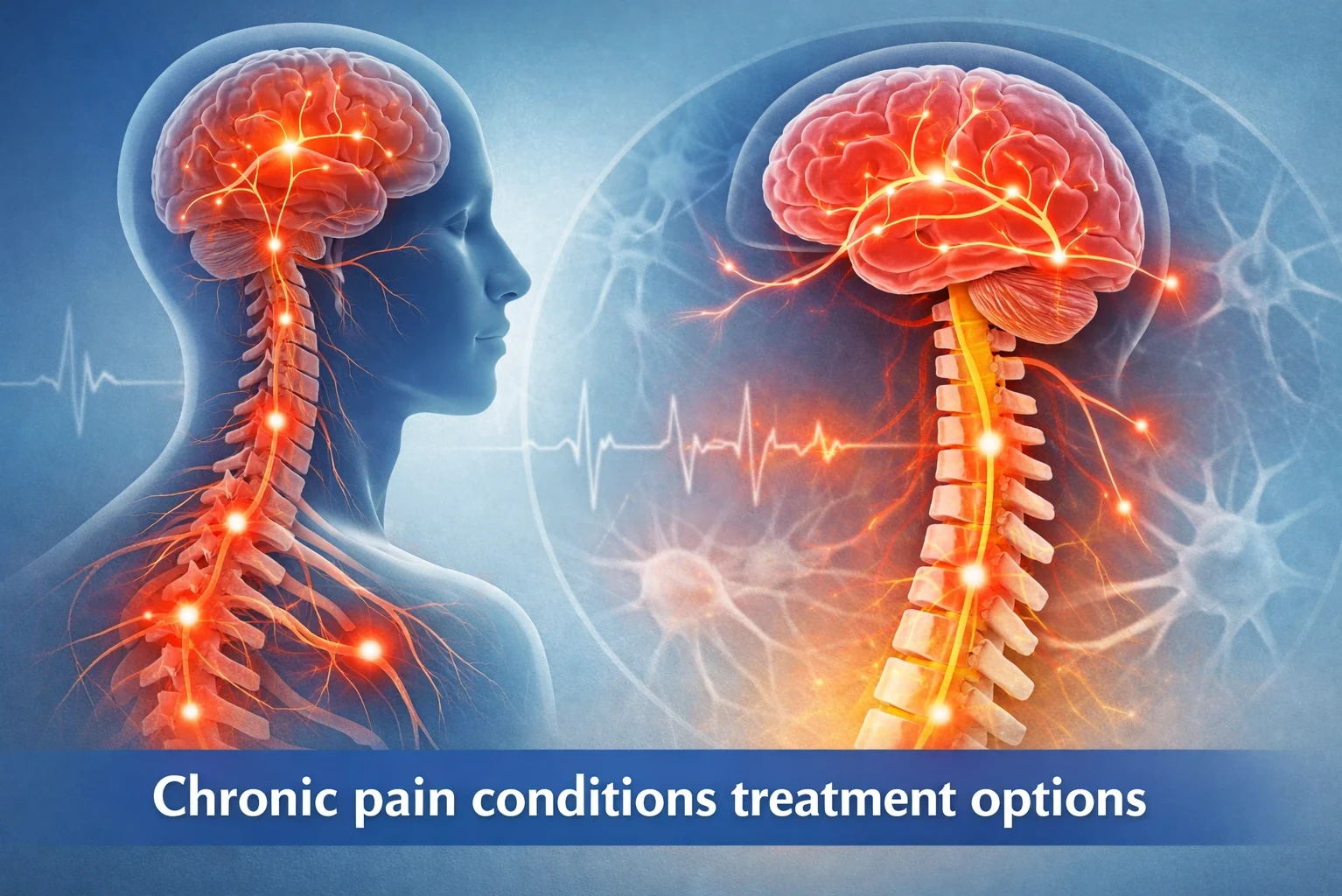
Chronic pain is pain that lasts longer than three months. It can be constant or come and go. It can affect muscles, joints, nerves, or the whole body.
Unlike short-term pain, chronic pain is not a warning sign of damage. It is often linked to changes in the nervous system. The body becomes overprotective.
Understanding this changes how treatment works.
Why Treatment Needs a Different Approach
Chronic pain conditions treatment options are not about fixing broken tissue. They are about calming an overactive pain system.
Pain is created by the brain. The brain decides when pain is needed. In chronic pain, this alarm system stays switched on.
Treatment works best when it addresses the whole person. This includes the body, mind, lifestyle, and habits.
Education as a Treatment Option
Pain education is one of the most effective chronic pain conditions treatment options. It helps people understand why pain persists. It reduces fear and worry.
Learning that pain does not always mean harm is powerful. It changes how the brain reacts. Movement becomes safer again.
Education alone can reduce pain intensity for many people.
Gentle Movement and Physical Activity
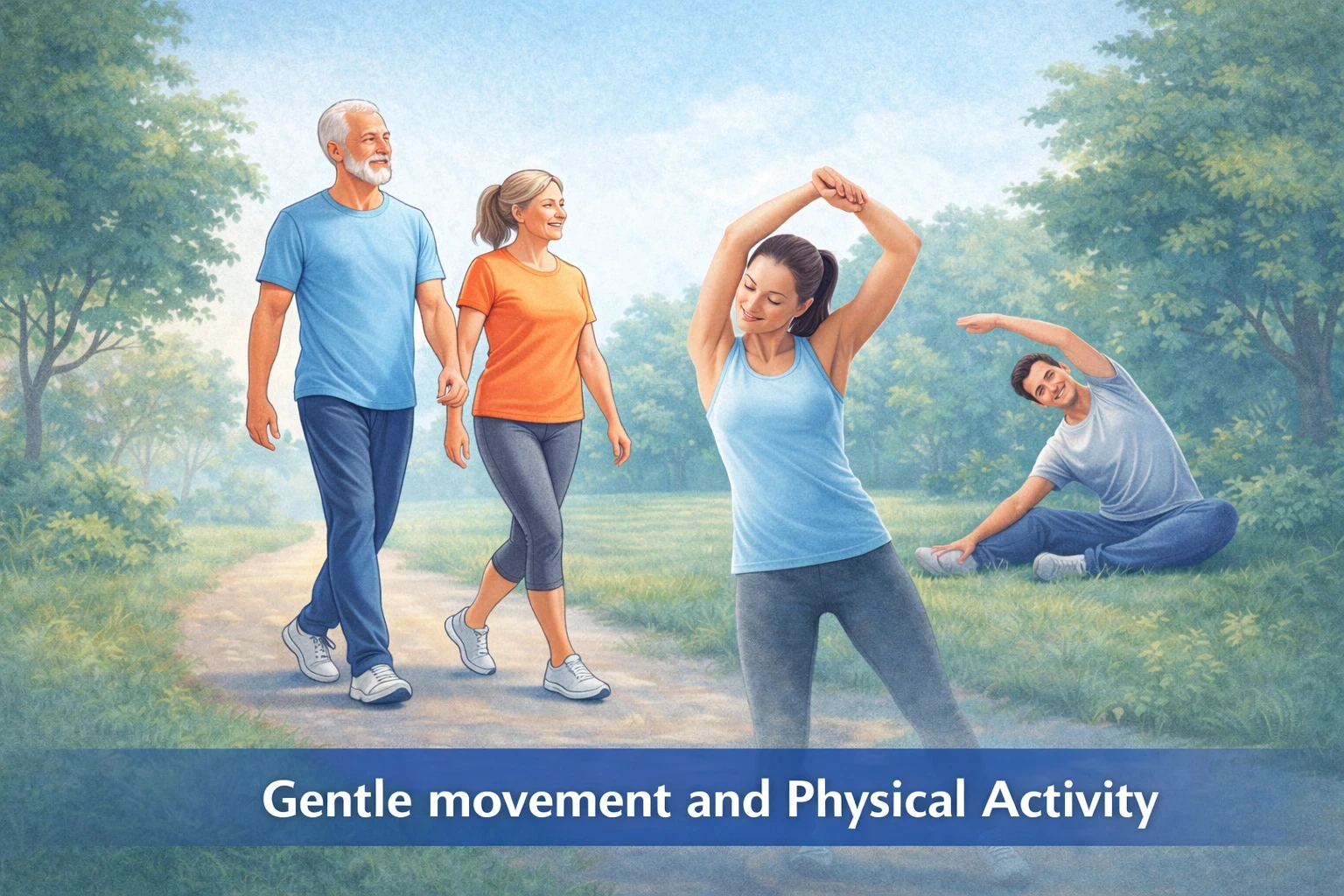
Movement is a key part of chronic pain conditions treatment options. This does not mean pushing through pain. It means moving safely and gradually.
Gentle movement helps calm the nervous system. It improves confidence. It restores trust in the body.
Walking, stretching, and light strengthening are often used. Consistency matters more than intensity.
Avoiding movement can increase pain over time. Safe movement helps reduce sensitivity.
Graded Activity and Pacing
Pacing is an important treatment option. It prevents flare-ups and setbacks.
Graded activity means building tolerance slowly. Small steps are taken. Progress is steady.
This approach teaches the nervous system that activity is safe. Over time, capacity improves. Pain becomes less dominant.
Psychological Support
The mind plays a role in pain. This does not mean pain is imagined. It means emotions and stress influence pain signals.
Psychological support is one of the most effective chronic pain conditions treatment options. It helps reduce fear, anxiety, and frustration.
Simple cognitive strategies can change pain responses. They help people feel more in control. Confidence grows.
Stress and Nervous System Regulation
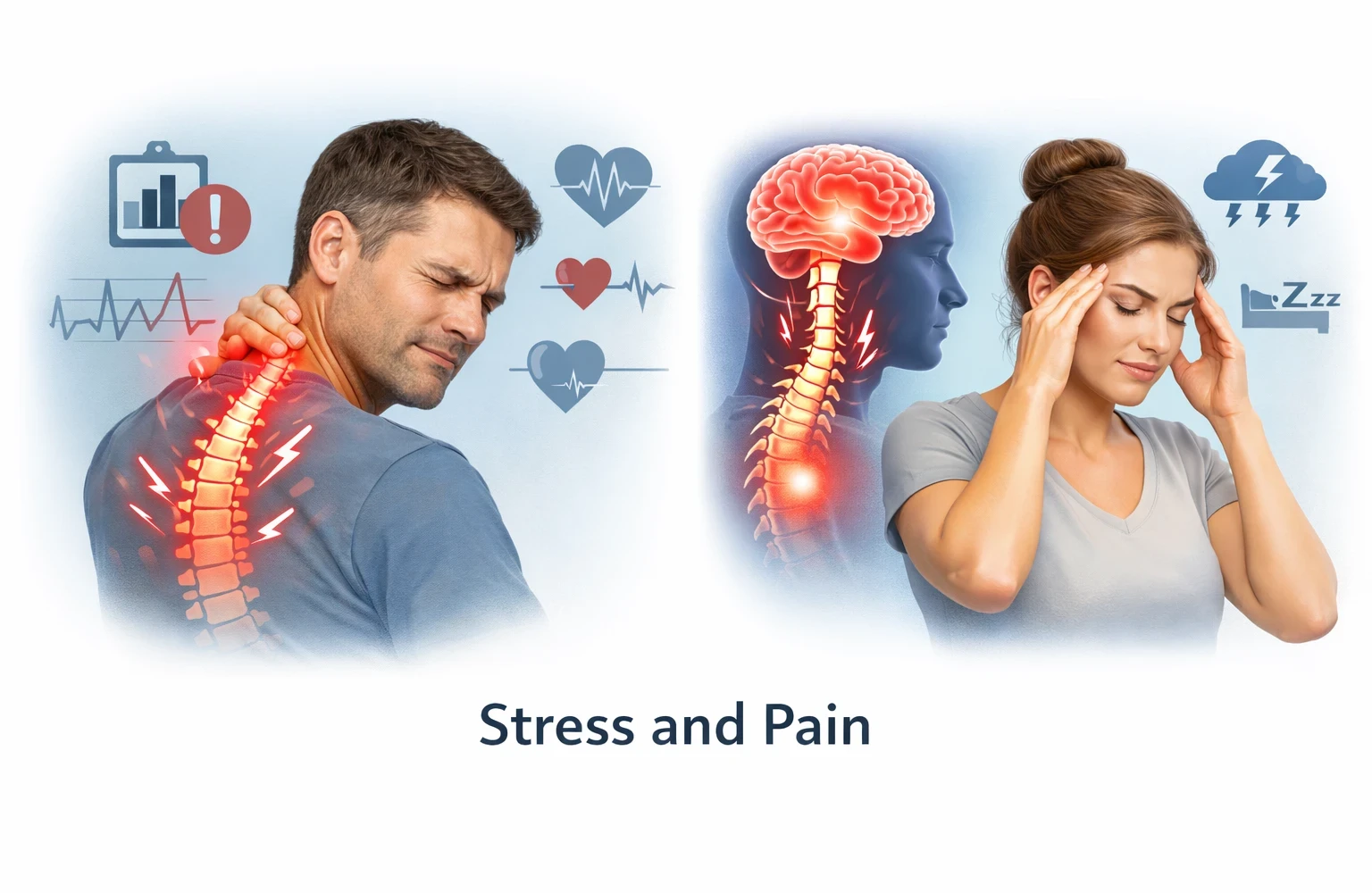
Stress increases pain sensitivity. This is well established in pain science.
Relaxation techniques are helpful treatment options. Breathing exercises calm the nervous system. Mindfulness reduces tension.
When the body feels safe, pain often reduces. Sleep improves. Energy returns.
Managing stress is essential in chronic pain recovery.
Sleep Improvement
Poor sleep increases pain. Pain also disrupts sleep.
Improving sleep is a key chronic pain conditions treatment option. Simple routines help. Consistent bedtimes matter.
Reducing screen use at night supports recovery. Calm evenings reduce nervous system activity.
Better sleep reduces pain sensitivity the next day.
Medication: Limited but Sometimes Helpful
Medication can be part of chronic pain conditions treatment options. However, it is rarely the main solution.
Painkillers may reduce symptoms short term. They do not retrain the nervous system.
Long-term use can cause side effects. Medication works best alongside education and movement.
Manual Therapy and Hands-On Care
Manual therapy may provide temporary relief. Massage and gentle techniques can reduce muscle tension.
These treatments help people feel safer in their bodies. They may improve confidence with movement.
Hands-on care works best when combined with active strategies.
Lifestyle Changes That Support Recovery
Lifestyle choices influence pain levels. Nutrition, hydration, and daily habits matter.
Regular meals support energy. Gentle routines reduce stress.
Social connection also helps. Feeling supported lowers pain sensitivity.
Small changes build long-term improvement.
A Personalised Approach Works Best
There is no single solution for chronic pain. Effective chronic pain conditions treatment options are individual.
No two human beings are the same, so one treatment may work for one person but may not for another.
Treatment should be flexible.
Progress may be slow. This is normal.
Consistency matters more than speed.
Hope and Long-Term Improvement
Chronic pain does not mean permanent suffering. The nervous system can change. Pain can reduce.
Understanding pain is the first step. Active treatment builds confidence. Life can improve.
Chronic pain conditions treatment options focus on empowerment. They help people regain control and restore quality of life.
Scientific Studies
https://www.ncbi.nlm.nih.gov/books/NBK553030
 Next Post
