Best Foods To Improve Folic Acid Easily Available
Best Foods to Improve Folic Acid Intake
Best foods to improve folic acid intake can make a meaningful difference to your energy, mood, and long-term health.
Folic acid, also known as vitamin B9, plays a central role in red blood cell formation, DNA production, and nervous system support.
When intake is low, subtle symptoms can creep in over time.
If you prefer improving nutrition naturally before reaching for supplements, focusing on the best foods to improve folic acid intake is a smart starting point.

Why Folic Acid Matters
Folic acid helps your body produce healthy new cells. It works closely with vitamin B12 to support blood health and oxygen delivery.
Low levels may contribute to fatigue, brain fog, and reduced resilience.
If you are unsure whether symptoms are linked to low levels, you might find this guide on
folic acid deficiency symptoms helpful.
Understanding how food choices affect levels gives you more control over daily wellbeing.
Leafy Greens: The Natural Powerhouses
Dark leafy greens consistently rank among the best foods to improve folic acid intake.
Spinach, kale, romaine lettuce, and Swiss chard are particularly rich in natural folate.
A large handful added to smoothies, soups, or omelettes can gently increase intake without major diet changes.
Light cooking can reduce folate slightly, so steaming rather than boiling may help preserve nutrients.
Legumes: Affordable and Effective
Beans and lentils are some of the best foods to improve folic acid intake, especially if you prefer plant-based protein.
Lentils, chickpeas, black beans, and kidney beans offer both folate and fibre.
This combination supports digestive health and steady energy levels.
Adding legumes to salads, stews, or wraps is an easy habit to build.
Even two or three servings per week can meaningfully increase overall intake.
Citrus Fruits and Avocado
Oranges, grapefruits, and avocados are often overlooked when discussing the best foods to improve folic acid intake.
Citrus fruits provide moderate amounts of folate along with vitamin C, which supports immune health.
Avocados add healthy fats that help you feel satisfied longer.
Simple swaps like fresh orange segments instead of processed snacks can make a difference over time.
Cruciferous Vegetables
Broccoli, Brussels sprouts, and cabbage are among the best foods to improve folic acid intake while also offering antioxidants.
Broccoli in particular delivers a strong folate contribution per serving.
Light steaming keeps texture and nutrient value intact.
If joint discomfort or inflammation is part of your health picture, you may also want to explore
natural remedies for joint pain to support a broader approach.
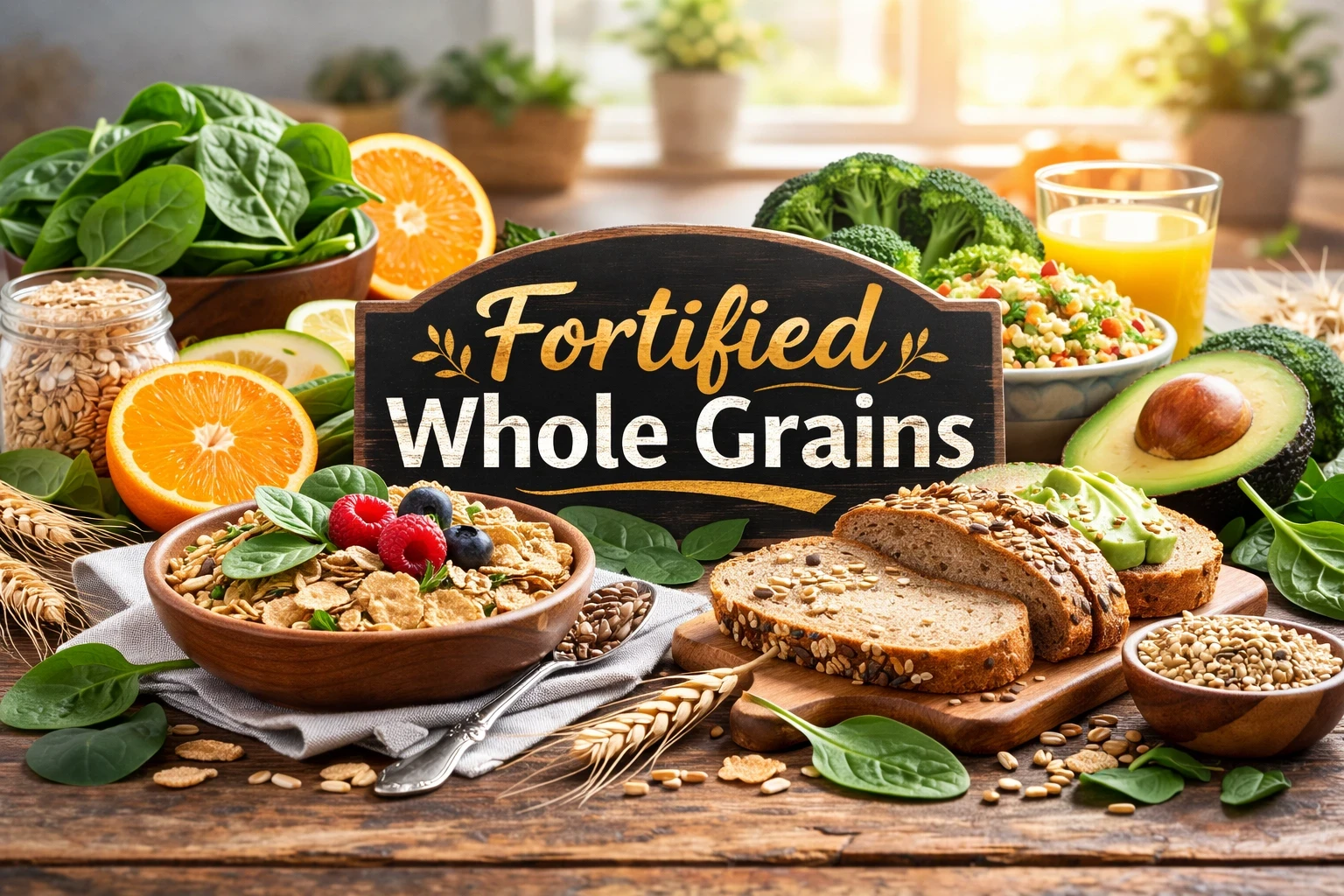
Fortified Whole Grains
Many whole grain cereals and breads are fortified with folic acid.
While natural folate from whole foods is ideal, fortified options can help bridge gaps.
Check labels for added folic acid content.
Choosing minimally processed whole grain versions is generally a better long-term strategy.
If energy levels are a concern, this overview on
best folic acid supplement for energy may also provide context when food alone is not enough.
Eggs and Lean Meats
Eggs, poultry, and liver contain natural folate, although in smaller amounts compared to legumes and greens.
Combining animal and plant sources can create a balanced nutritional foundation.
For example, a spinach omelette with a side of avocado ticks multiple boxes at once.
Practical Tips to Boost Intake
Choosing the best foods to improve folic acid intake does not require a dramatic diet overhaul.
Start with small, repeatable changes:
• Add greens to one meal daily
• Include beans or lentils twice per week
• Choose citrus as a regular snack
• Rotate broccoli or Brussels sprouts into dinner
Consistency matters more than perfection.
When Food May Not Be Enough
While the best foods to improve folic acid intake form the foundation, certain life stages increase requirements.
Pregnancy, digestive conditions, or absorption challenges may require additional support.
If symptoms persist despite dietary changes, blood testing through a healthcare professional can clarify next steps.
Your goal is to take each day as another step forward but in a sustainable way.
Balanced Perspective
Focusing on what you can do to improve folic acid intake is one of the most natural ways to support cellular health.
Whole foods offer additional nutrients that work together, not in isolation.
A layered approach — good nutrition, lifestyle balance, and professional guidance when needed — usually works best.
Small upgrades repeated daily often create the biggest long-term gains.
Scientific Studies
https://pubmed.ncbi.nlm.nih.gov/26828516/
https://pubmed.ncbi.nlm.nih.gov/26672040/