Heat Therapy For Lower Back Pain Relief: Simple, Effective Ways
Heat Therapy for Lower Back Pain Relief: Simple, Effective Ways to Ease Stiffness Fast
Heat therapy for lower back pain relief is one of the most practical and accessible ways to reduce stiffness, improve movement, and ease daily discomfort. Whether pain comes from long hours sitting, heavy lifting, or poor sleep, applying heat can help relax tight muscles and support natural recovery.
Many people overlook how powerful consistent heat therapy can be. Used correctly, it can improve blood flow, reduce muscle guarding, and help your body feel safer moving again. When combined with the right tools and daily habits, results often build steadily over time.
What Is Heat Therapy for Lower Back Pain Relief?
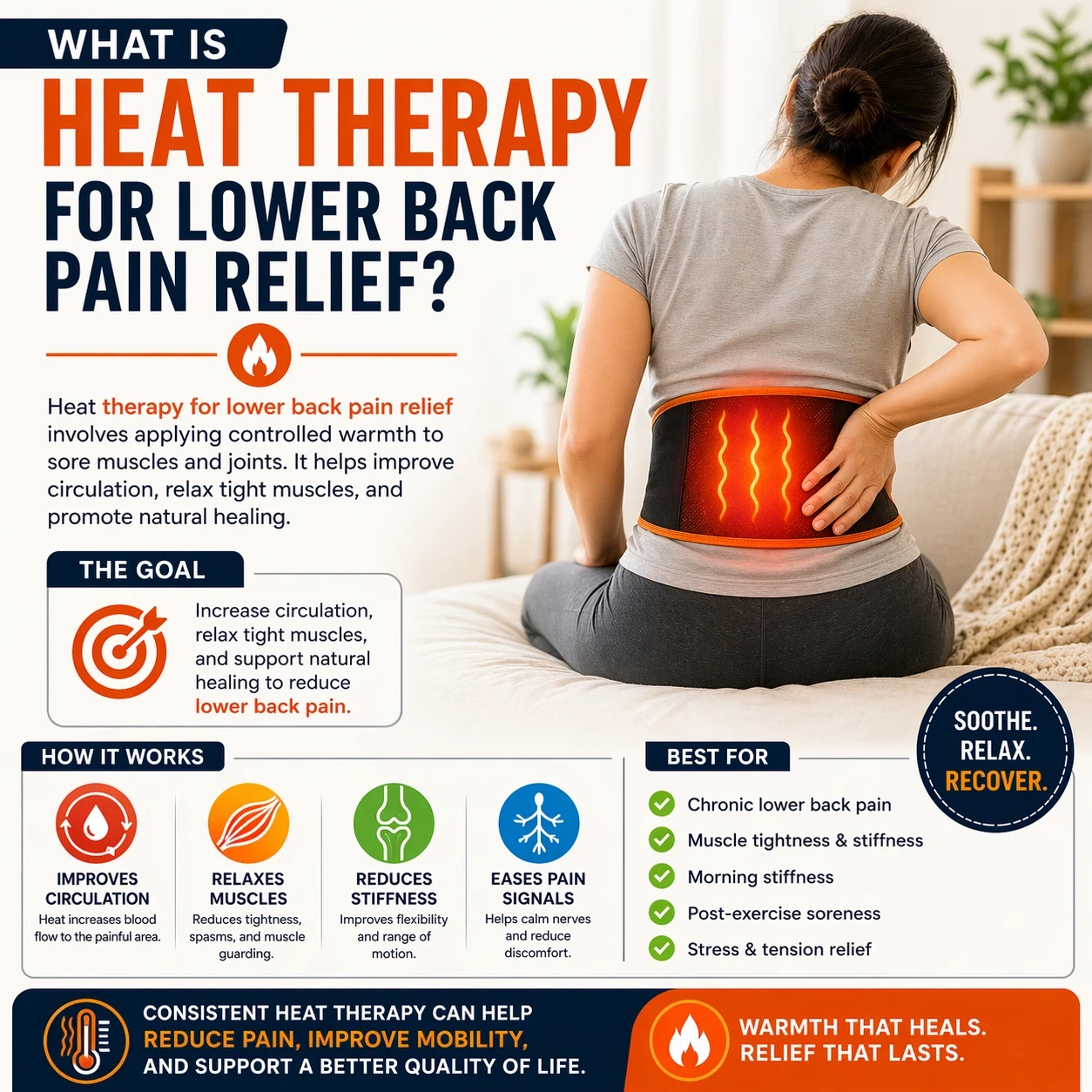
Heat therapy for lower back pain relief involves applying controlled warmth to the lower back using devices like heating pads, wraps, or infrared therapy tools. The goal is to increase circulation and reduce muscle tension in the affected area.
Unlike cold therapy, which is more suitable for acute inflammation, heat works best for ongoing stiffness, tightness, and chronic discomfort. This makes it especially useful for people dealing with long-term lower back pain.
How Heat Therapy Works in the Body
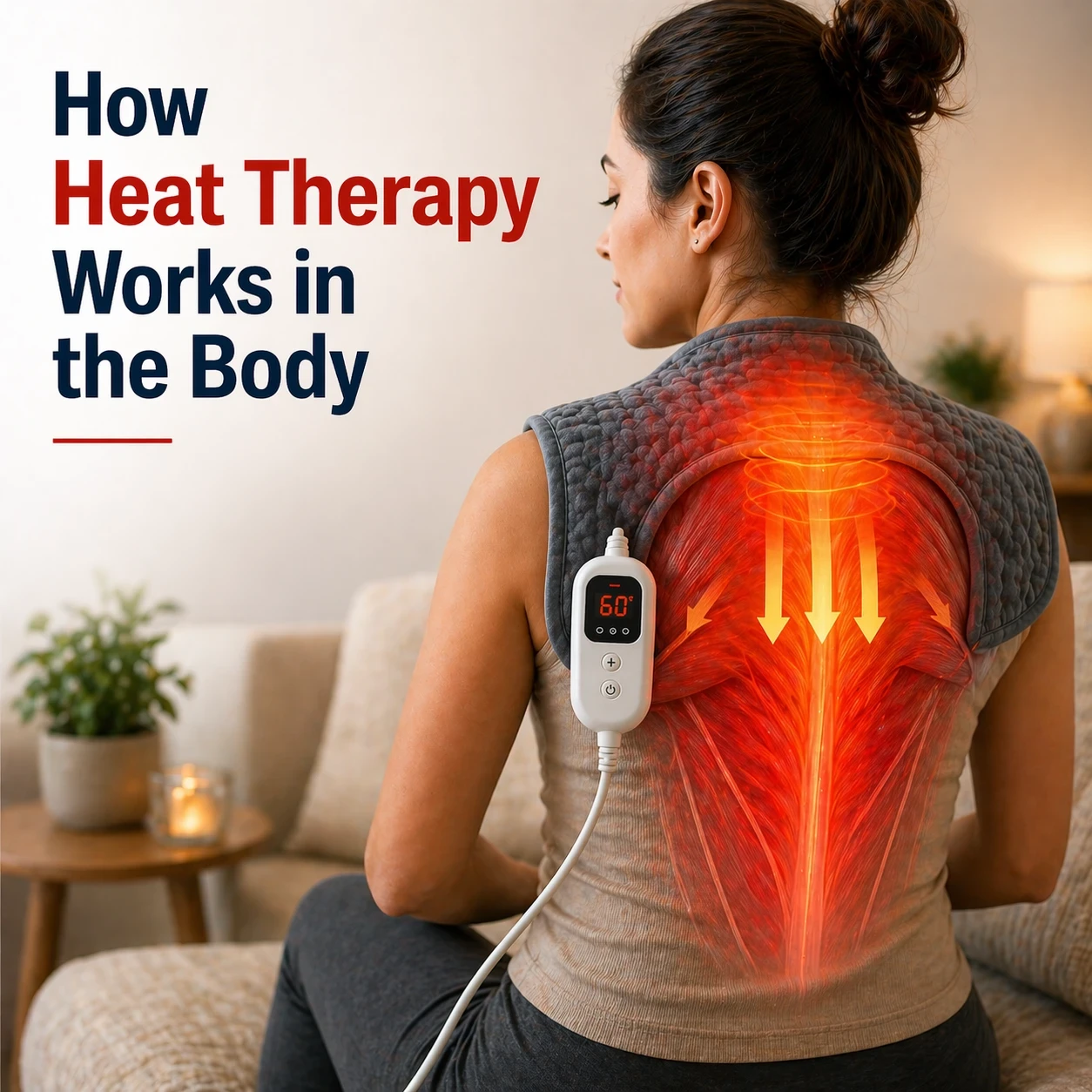
When heat is applied to the lower back, several beneficial processes begin:
- Blood vessels expand, improving oxygen and nutrient delivery
- Muscles relax, reducing tightness and spasms
- Joint stiffness decreases, improving flexibility
- Pain signals may be reduced through nerve modulation
This is why heat therapy for lower back pain relief often feels soothing almost immediately, while also supporting longer-term recovery when used consistently.
When Heat Therapy Is Most Effective
Heat therapy works best in specific situations. It is particularly helpful for:
- Chronic lower back pain
- Muscle tightness from sitting or lifting
- Morning stiffness or reduced mobility
- Post-exercise soreness
If your pain is linked to sleep discomfort, improving your nighttime setup can also help. This guide on back pain during sleep solutions explains how positioning and support influence recovery.
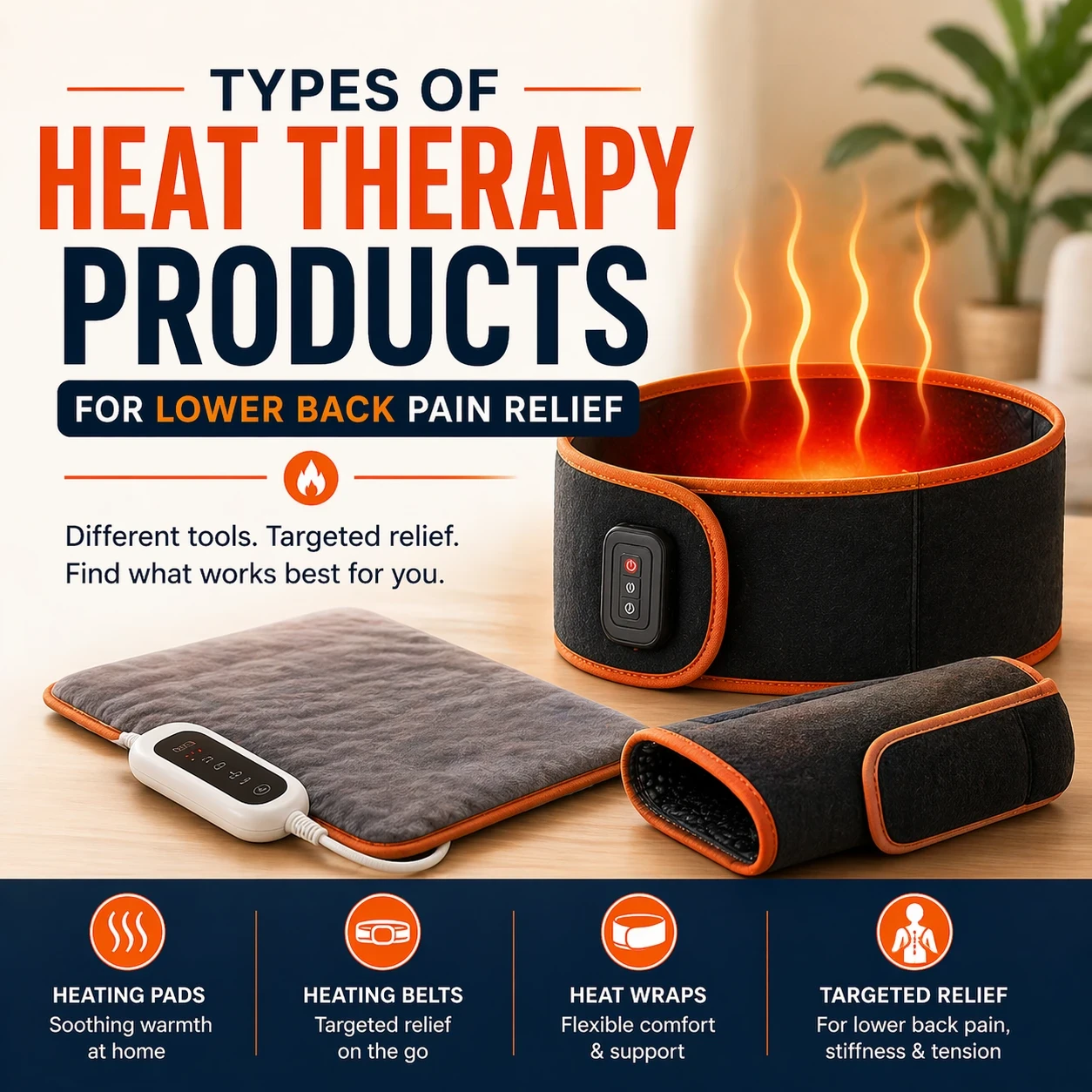
Types of Heat Therapy Products for Lower Back Pain
There are several options available, each suited to different needs and lifestyles.
Electric Heating Pads
Electric pads are one of the most common tools for heat therapy for lower back pain relief. They provide steady, adjustable heat and are ideal for use at home.
High-quality options like this targeted heating pad for lower back support allow consistent heat application while maintaining comfort and safety.
Infrared Heating Devices
Infrared therapy goes deeper than standard heat, reaching muscles and tissues beneath the surface. Devices like the cordless infrared heating belt for lower back pain are designed for mobility and deeper relief.
Another strong option is the amethyst heated chair pad, which combines heat with supportive seating.
Wearable Heat Wraps
Wraps are useful for people who need relief while moving around. They allow heat therapy for lower back pain relief during daily activities like walking or working.
Heated Supports and Braces
Some braces combine support with heat, offering stability and warmth at the same time. If lifting is part of your routine, this guide on back pain braces for heavy lifting explains how added support can reduce strain.
How to Use Heat Therapy Safely
Using heat correctly makes a big difference in results. Follow these simple guidelines:
- Apply heat for 15–30 minutes at a time
- Use a moderate, comfortable temperature
- Avoid direct contact with very hot surfaces
- Take breaks between sessions
Consistency matters more than intensity. Regular sessions of heat therapy for lower back pain relief tend to produce better long-term outcomes than occasional use.
Combining Heat Therapy with Daily Movement
Heat works best when paired with gentle movement. After applying heat, your muscles are more relaxed, making it a good time to stretch or move lightly.
This approach supports recovery by reinforcing safe movement patterns. If you are building a structured routine, this guide on lower back pain treatment strategies explains how daily consistency improves results.
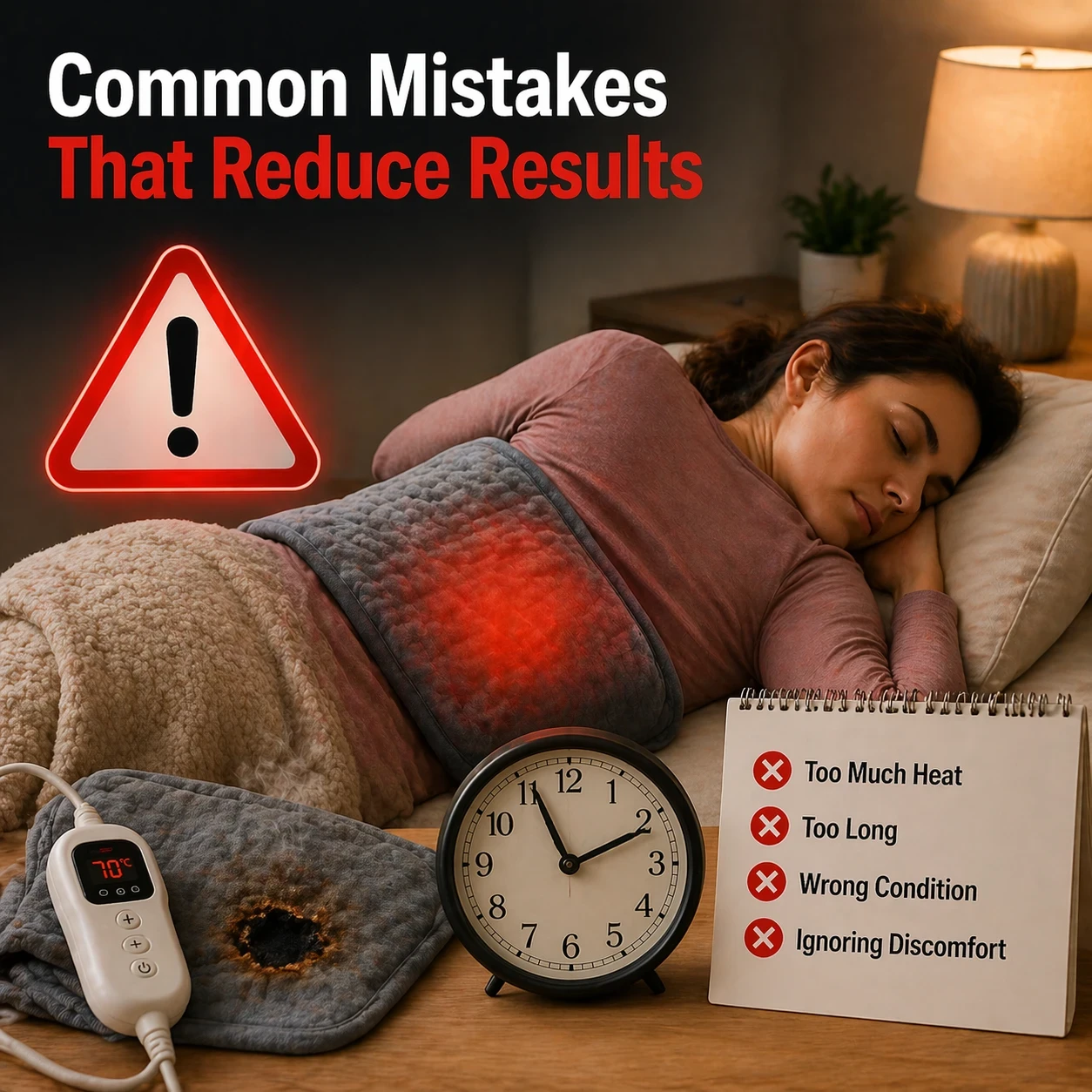
Common Mistakes That Reduce Results
Even though heat therapy for lower back pain relief is simple, a few common mistakes can limit its effectiveness:
- Using heat only when pain is severe
- Applying heat for too short a time
- Relying on heat without movement
- Using low-quality or inconsistent devices
Addressing these issues often leads to noticeable improvements.
When Not to Use Heat Therapy
Heat is not always the right choice. Avoid it if:
- There is swelling or inflammation
- You have a recent injury
- The area feels hot or irritated
In these cases, cold therapy may be more appropriate initially.
Why Device Quality Matters More Than You Think
Not all heat therapy products deliver the same results. Higher-quality devices provide consistent temperature control, better coverage, and safer operation.
Reliable tools like the infrared heating belt for lower back pain relief are designed to maintain steady heat, which is essential for effective therapy.
Balanced Perspective: What Heat Therapy Can and Cannot Do
Heat therapy for lower back pain relief is highly effective for easing muscle tension and improving comfort. However, it does not fix underlying structural issues on its own.
It works best as part of a broader approach that includes movement, posture awareness, and supportive tools. When used consistently, it becomes a reliable part of daily pain management.
Frequently Asked Questions
How often should I use heat therapy for lower back pain relief?
Most people benefit from using it 1–3 times daily, depending on comfort and severity of symptoms.
Is infrared heat better than standard heat?
Infrared heat can penetrate deeper into tissues, which may provide more sustained relief for some individuals.
Can I sleep with a heating pad on?
It is generally not recommended unless the device is specifically designed for overnight use with safety shut-off features.
How long does it take to see results?
Some relief is often immediate, but consistent use over days or weeks produces the best outcomes.
Scientific References
https://pubmed.ncbi.nlm.nih.gov/22611363/
https://pubmed.ncbi.nlm.nih.gov/19524126/