Back Pain
Back pain, often called lumbago, is one of the most common reasons people seek help, yet it can feel confusing and unpredictable. It may appear suddenly or build gradually, affecting how you move, sleep, and work. If back pain keeps returning or never fully settles, understanding the real causes is the first step toward lasting relief and better daily function.
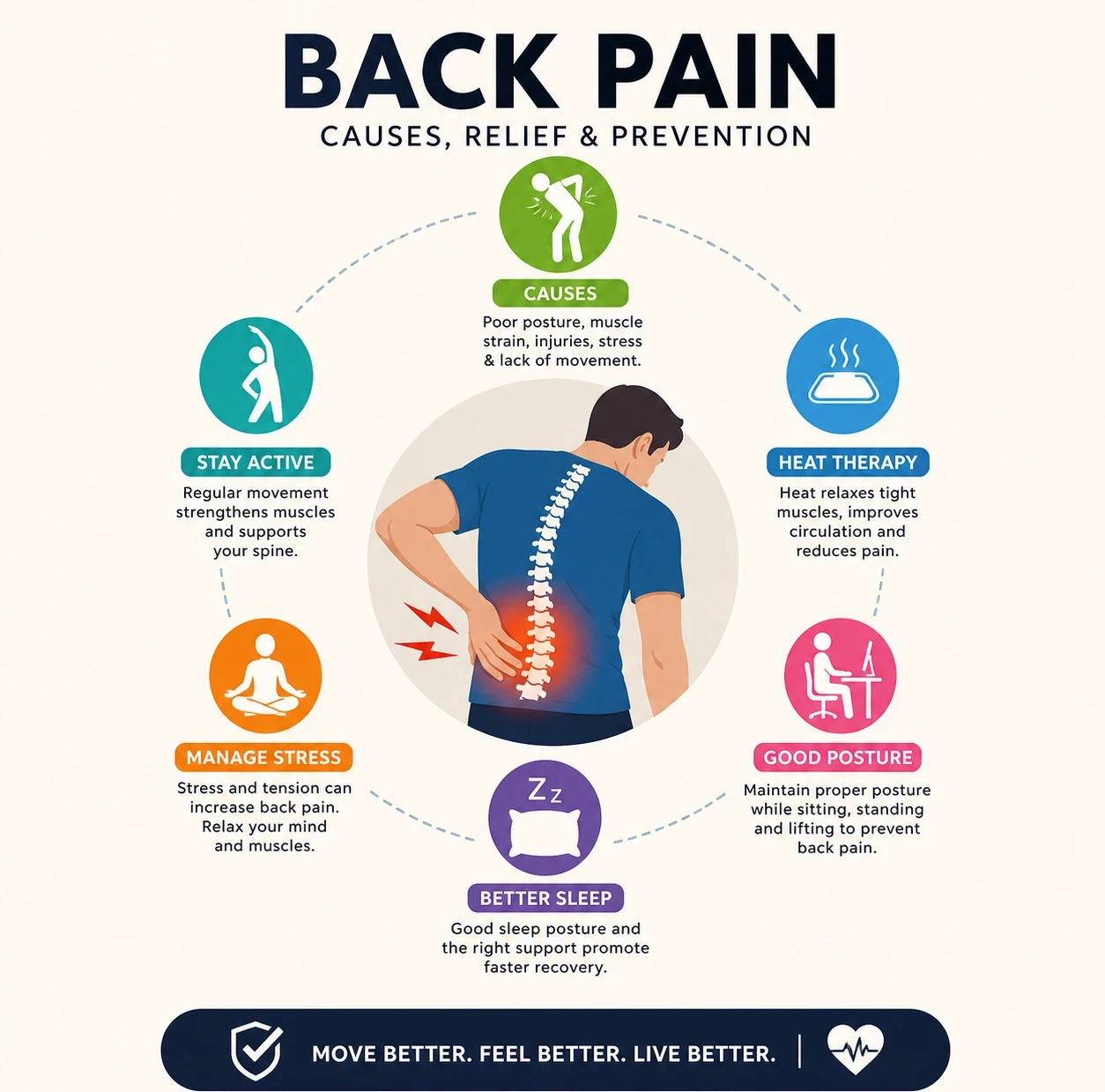
What Is Back Pain?
Lumbago pain refers to discomfort, stiffness, or tension anywhere along the spine. It can be short-term or persist over time. In many cases, the pain does not come from a single injury but from a combination of posture, muscle strain, and lifestyle factors.
Understanding what chronic pain really means helps explain why lumbago sometimes lasts longer than expected and why recovery is not always straightforward.
Common Causes
Back pain rarely has one clear cause. Instead, it develops from overlapping factors that build up gradually over time.
- Muscle strain from lifting or overuse
- Poor posture over long periods
- Disc irritation affecting nearby nerves
- Lack of movement leading to stiffness
- Stress creating muscle tension
Learning how movement and load affect pain sensitivity explains why lumbago can flare without warning even without a clear injury.
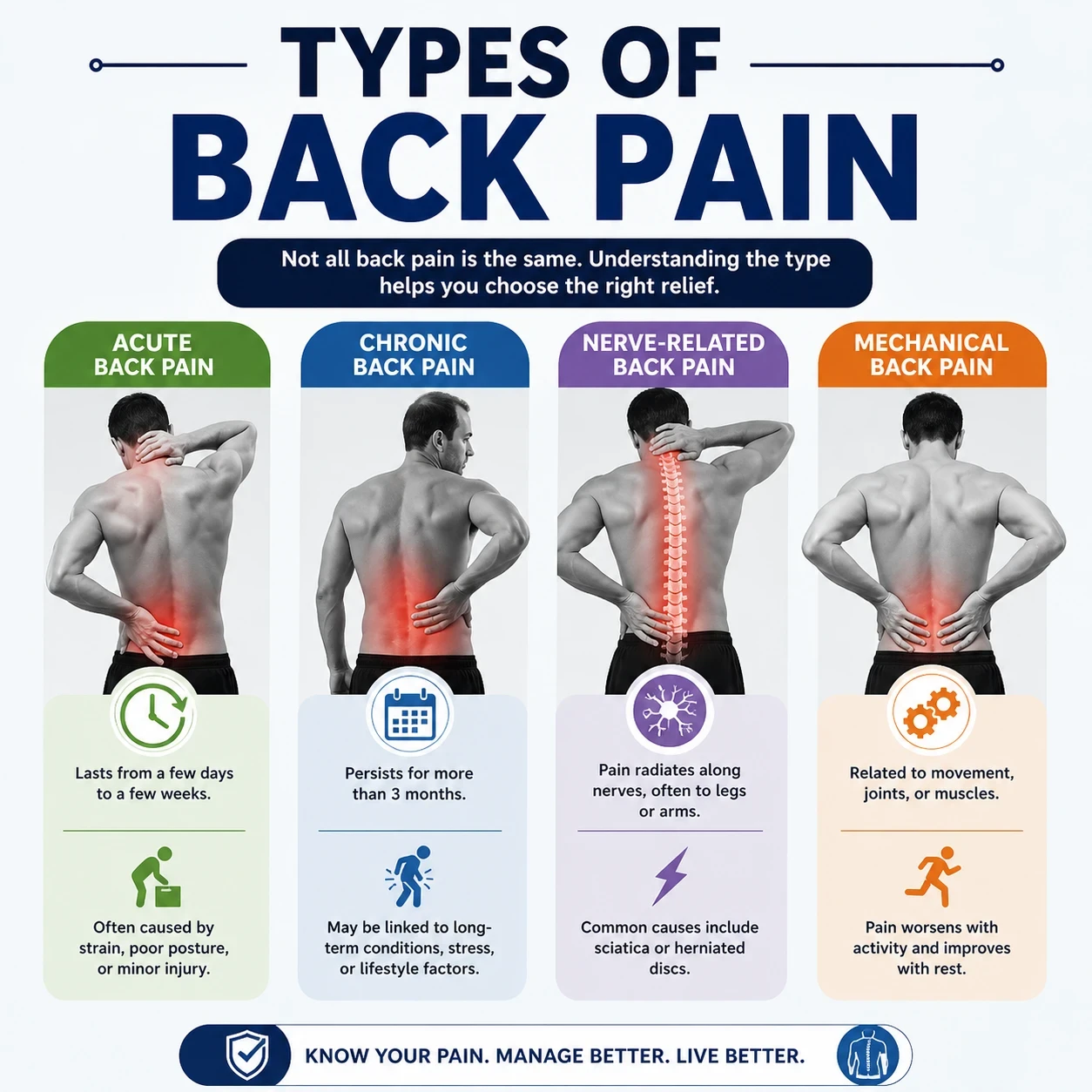
Types of Back Pain
Understanding the type of lumbago pain you are experiencing helps guide the right approach.
- Acute back pain lasting days to weeks
- Chronic back pain lasting more than three months
- Nerve-related symptoms such as sharp or shooting sensations
- Mechanical discomfort linked to movement or posture
Each type of lumbago pain responds differently, which is why identifying patterns is important.
How Back Pain Affects the Body
Back pain is not just about muscles or joints. The nervous system plays a major role in how symptoms are experienced. When signals continue over time, the body can become more sensitive.
This means normal movements may begin to feel uncomfortable, even if no new damage has occurred. This is why understanding nerve pain is important when dealing with persistent pain.
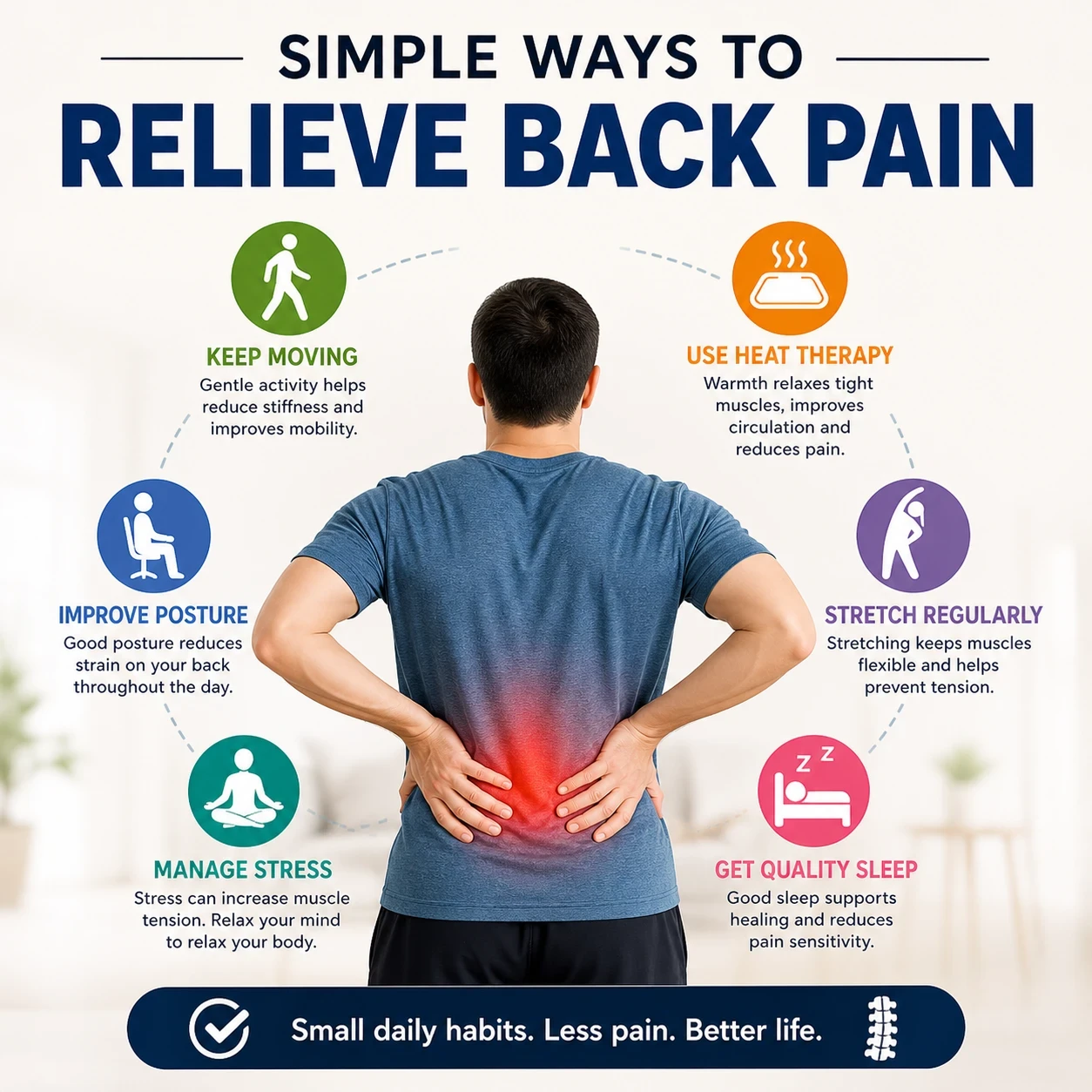
Simple Ways to Relieve Pain
Most cases of lumbago improve with consistent actions rather than quick fixes.
- Keep moving with gentle activity
- Use heat to relax tight muscles
- Improve posture throughout the day
- Stretch regularly
- Manage stress levels
You can explore practical methods in this guide to relieving lower back pain effectively.

Heat Therapy for Back Pain Relief
Heat therapy is a simple and effective way to manage tu e pain at home. Applying warmth helps relax muscles, improve blood flow, and reduce stiffness.
Modern options include infrared heating pads, wearable wraps, and targeted heat patches. These allow consistent use while continuing with daily activities.
Learn more in this guide to heat therapy benefits for chronic pain.
Back Pain Treatment Options
There are several ways to manage lumbago depending on cause and severity.
- Exercise and physiotherapy to improve strength
- Manual therapy to reduce stiffness
- Supportive therapies such as heat, TENS, and massage
- Medical options when required
You can explore broader strategies in chronic pain treatment options for body pain.
Comparing Treatment Approaches for Better Results
When managing the pain, choosing the right approach depends on the underlying cause and how your body responds over time. Some people benefit most from movement-based strategies, while others may need a combination of therapies.
Exercise-based approaches focus on restoring strength and improving movement. These are often the most effective long term because they address underlying issues rather than just symptoms. Supportive treatments such as heat therapy or massage can help reduce discomfort and make it easier to stay active.
Go to InfraHeal to find out more .
Medical options may be helpful in certain situations, especially when symptoms are severe or not improving. However, they are usually most effective when combined with active strategies.
Understanding how different approaches work together can help you build a balanced plan for managing back pain.
Daily Habits That Support Recovery
Consistency matters more than intensity when dealing with back pain.
- Take regular movement breaks
- Use supportive seating
- Stay active with low-impact exercise
- Maintain a healthy weight
- Prioritise sleep
These habits help reduce strain and improve long-term outcomes.
Back Pain and Sleep
The pain often worsens at night due to poor positioning or lack of support. Improving sleep posture can reduce strain on the spine.
If sleep is disrupted, sensitivity may increase the following day. This can create a cycle that slows recovery.

When to Seek Help for Back Pain
Most cases improve naturally, but some situations require professional guidance.
- Symptoms lasting several weeks
- Numbness or tingling
- Weakness or difficulty moving
- Severe or worsening discomfort
Early support can prevent the pain from becoming a long-term issue.
Preventing Back Pain
Prevention focuses on building strength and reducing unnecessary strain.
- Strengthen core muscles
- Stay active
- Use proper lifting techniques
- Avoid long periods of inactivity
These steps reduce the risk of recurring lumbago pain.
Why Back Pain Can Feel Worse Over Time
The pain can sometimes feel like it is getting worse even without a new injury. This often reflects increased sensitivity rather than structural damage.
Gradual movement helps rebuild confidence and reduce sensitivity over time.
Lifestyle Factors That Influence Back Pain
Daily habits play a major role in how lumbago develops.
- Long periods of sitting
- Lack of strength
- Poor sleep quality
- High stress levels
Improving these areas can reduce overall strain and help manage symptoms more effectively.
Exercises That Support Back Pain Recovery
Movement is one of the most effective tools for managing the pain.
Walking keeps the body active without adding strain. Stretching maintains flexibility, while core strengthening supports the spine. Mobility exercises improve how the body moves during daily tasks.
Consistency is more important than intensity when managing back pain.
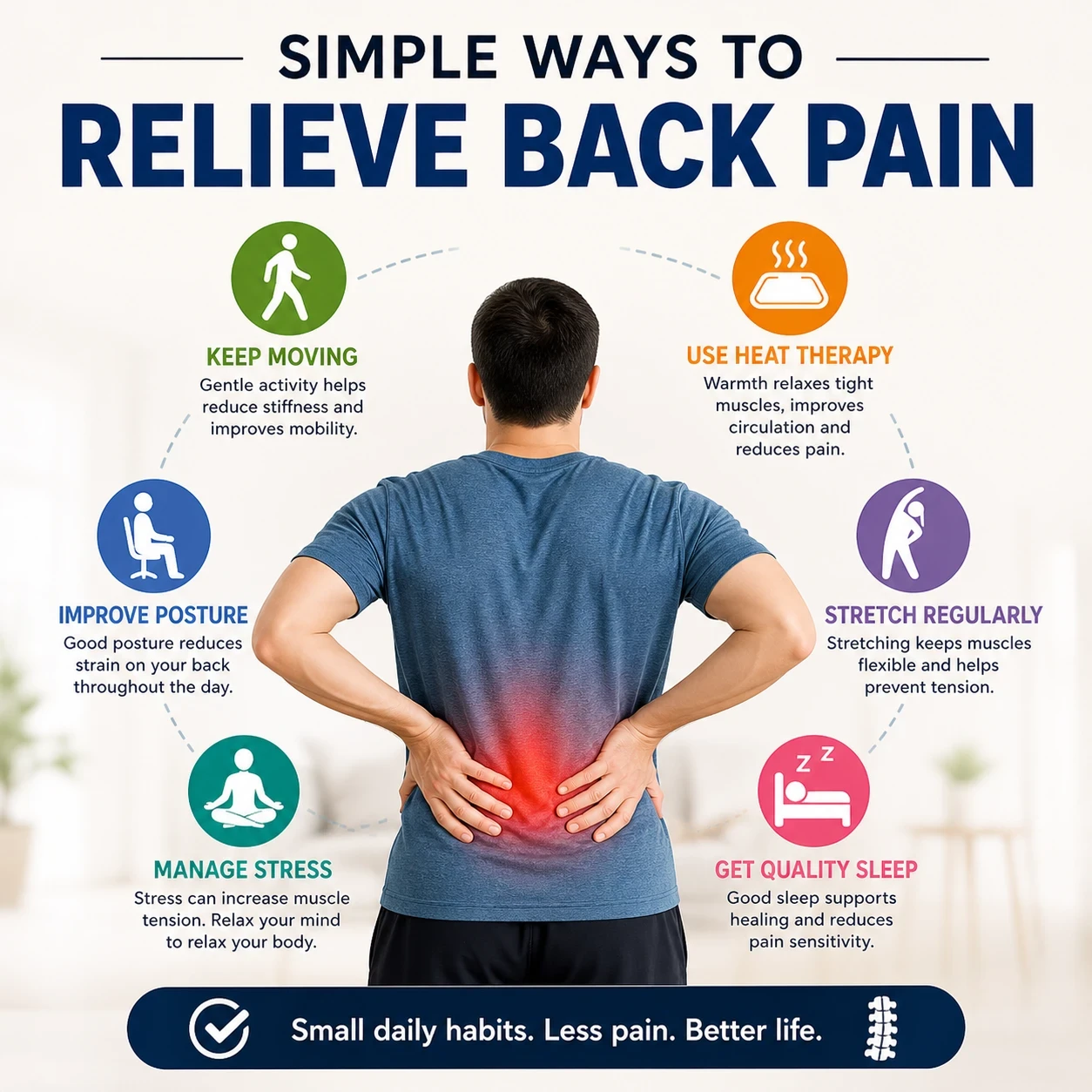
A Simple Daily Routine for Back Pain
A structured routine can make managing the pain easier.
- Morning: gentle stretching and a short walk
- Midday: regular movement breaks
- Evening: heat therapy and light stretching
This approach supports recovery and reduces flare-ups.
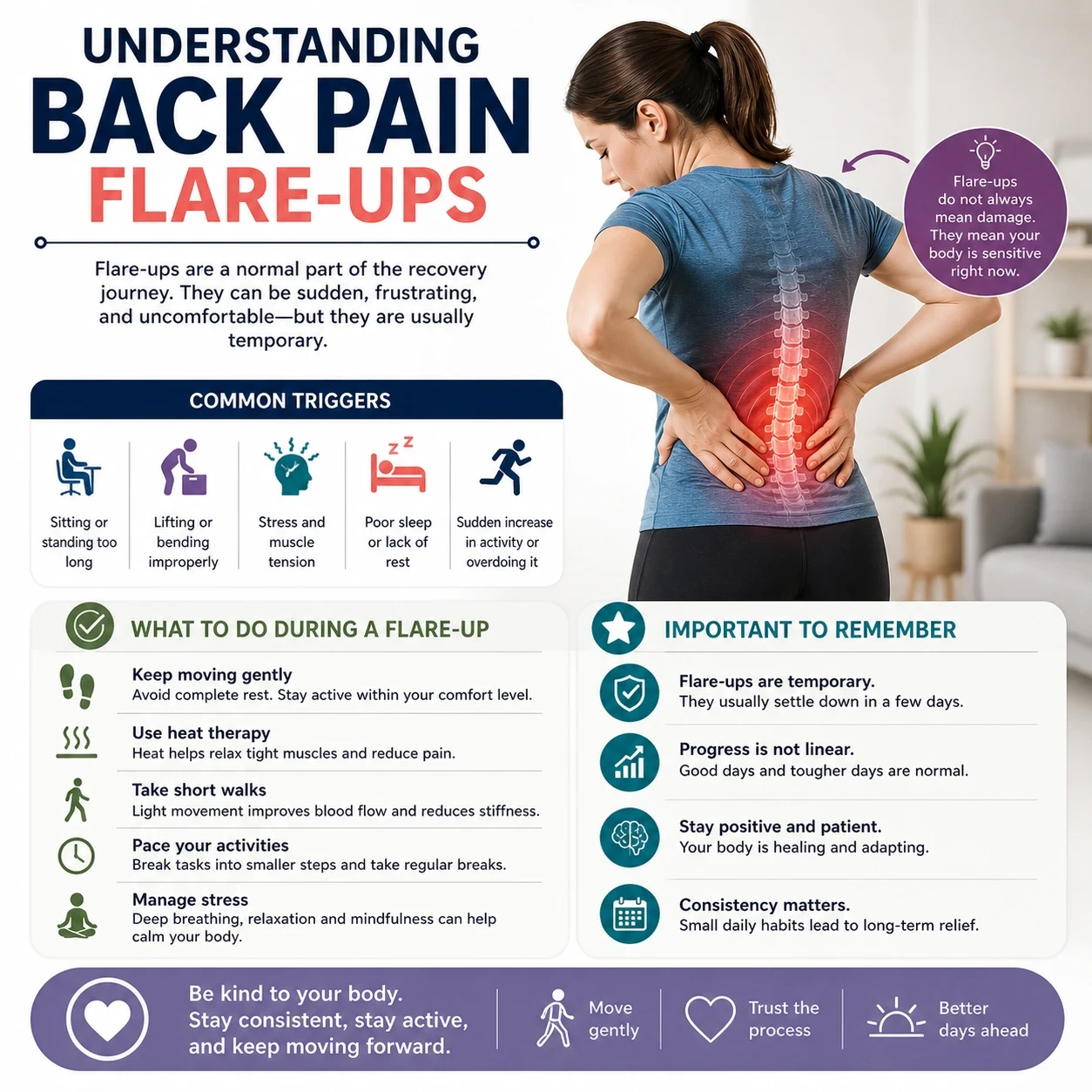
Understanding Back Pain Flare-Ups
Lumbago pain often comes with flare-ups where symptoms temporarily increase.
These may be triggered by activity changes, stress, or poor sleep. While they can feel frustrating, they are usually temporary.
When flare-ups occur, stay calm and keep moving within comfortable limits. Gradual return to activity helps settle symptoms.
The Role of Core Strength in Back Pain
Core muscles play an important role in supporting the spine. When these muscles are weak, other structures may take on more load.
Improving strength helps reduce pressure and supports better movement patterns.
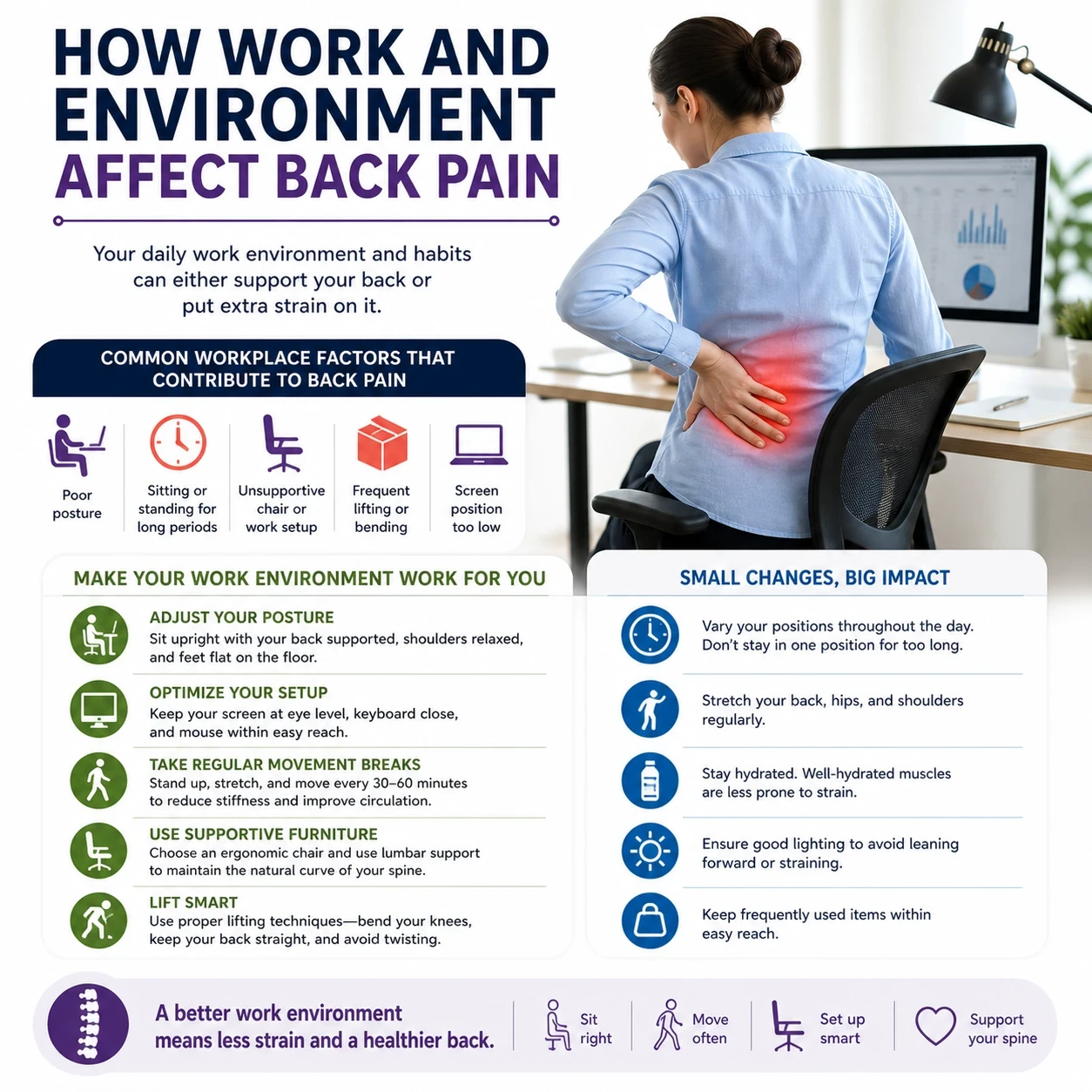
How Work and Environment Affect Back Pain
Your environment has a strong impact on back pain.
Poor ergonomics can place ongoing stress on the body. Adjusting screen height, using supportive seating, and taking regular breaks can reduce strain.
Even small changes can make a noticeable difference.
Back Pain in Different Age Groups
This pain type can affect people at any age, but patterns often differ.
Younger individuals may experience activity-related symptoms, while adults often deal with posture-related issues. Older individuals may experience stiffness linked to reduced mobility.
Nutrition and Its Impact
Nutrition supports overall recovery and function.
Eating balanced whole foods, staying hydrated, and including key nutrients supports muscle health and recovery.
Mental and Emotional Factors
Back pain is influenced by more than just physical factors.
Stress and emotional strain can increase muscle tension and sensitivity. Managing stress supports recovery.
Staying Consistent With The Management
Consistency is one of the most important factors in managing back pain.
Small daily habits build over time and improve long-term outcomes.
Common Mistakes When Managing Back Pain
Too much rest, avoiding movement, and relying only on passive treatments can slow recovery.
Long-Term Outlook for Back Pain
The long-term outlook for lumbago pain is generally positive. With the right approach, most people improve over time.
Comparing Treatment Approaches for Better Results
When managing this type of pain, choosing the right approach depends on the underlying cause and how your body responds over time. Some people benefit most from movement-based strategies, while others may need a combination of therapies to see meaningful progress.
Exercise-based approaches focus on restoring strength and improving how the body moves. These are often the most effective long term because they address underlying issues rather than just symptoms. Supportive treatments such as heat therapy or massage can help reduce discomfort and make it easier to stay active during recovery.
Medical options may be helpful in certain situations, especially when symptoms are severe or not improving. However, they are usually most effective when combined with active strategies rather than used in isolation. A balanced approach often produces the best results when dealing with this pain type.
The Importance of Movement Confidence
One of the most overlooked aspects of recovery is confidence in movement. Many people begin to avoid activity because they are worried about making symptoms worse. While this reaction is understandable, it can actually slow progress.
The body adapts to what it does regularly. When movement is reduced, tolerance decreases and sensitivity can increase. This can make everyday activities feel more difficult than they should.
Gradually reintroducing normal movement helps rebuild confidence. Starting with small, controlled actions and progressing over time allows the body to adapt safely. This approach is especially important when managing pain that has lasted longer than expected.
How Daily Routines Shape Long-Term Outcomes
Daily habits have a greater impact than occasional treatments. Small actions repeated consistently can either support recovery or contribute to ongoing discomfort.
Simple routines such as regular walking, stretching, and posture awareness can make a noticeable difference. These do not need to be complicated or time-consuming to be effective.
Consistency is what drives results. Even short periods of movement spread throughout the day can reduce stiffness and improve how the body feels. Over time, these habits support long-term improvements and reduce the likelihood of recurring pain.
Understanding Posture and Movement Patterns
Posture is often discussed as a cause of back pain, but it is rarely about one “perfect” position. Instead, the problem is usually staying in the same position for too long without variation.
The body is designed to move. When posture becomes static, certain muscles remain under constant tension while others are not used enough. This imbalance can contribute to discomfort and stiffness.
Changing positions regularly, standing up, stretching, and adjusting how you sit can all help reduce strain. Movement variety is more important than trying to maintain a single ideal posture throughout the day.
The Role of Strength and Stability
Strength plays a key role in how the body handles daily demands. When muscles are strong and coordinated, they help distribute load more evenly across the body.
Weak or underused muscles can lead to increased strain on certain areas, which may contribute to discomfort over time. Building strength gradually improves stability and reduces unnecessary pressure on the spine.
This does not require intense workouts. Simple, consistent exercises performed correctly can have a meaningful impact when managing the pain over the long term.
How Stress Influences Physical Symptoms
Stress is often overlooked, yet it has a strong connection to physical symptoms. When stress levels are high, the body can become tense, and muscles may remain tight for extended periods.
This ongoing tension can increase sensitivity and make discomfort feel more noticeable. In some cases, stress can even trigger flare-ups without any physical cause.
Managing stress through simple techniques such as breathing exercises, walking, or relaxation routines can help reduce this effect. Addressing both physical and mental factors creates a more complete approach to recovery.
Adapting Activity Levels Safely
Finding the right balance between activity and rest is important. Doing too little can lead to stiffness, while doing too much too soon can increase symptoms.
Gradual progression is the key. Increasing activity in small steps allows the body to adapt without becoming overwhelmed. Paying attention to how your body responds can help guide these adjustments.
This approach supports steady improvement and reduces the risk of setbacks, especially when dealing with recurring lumbago pain.
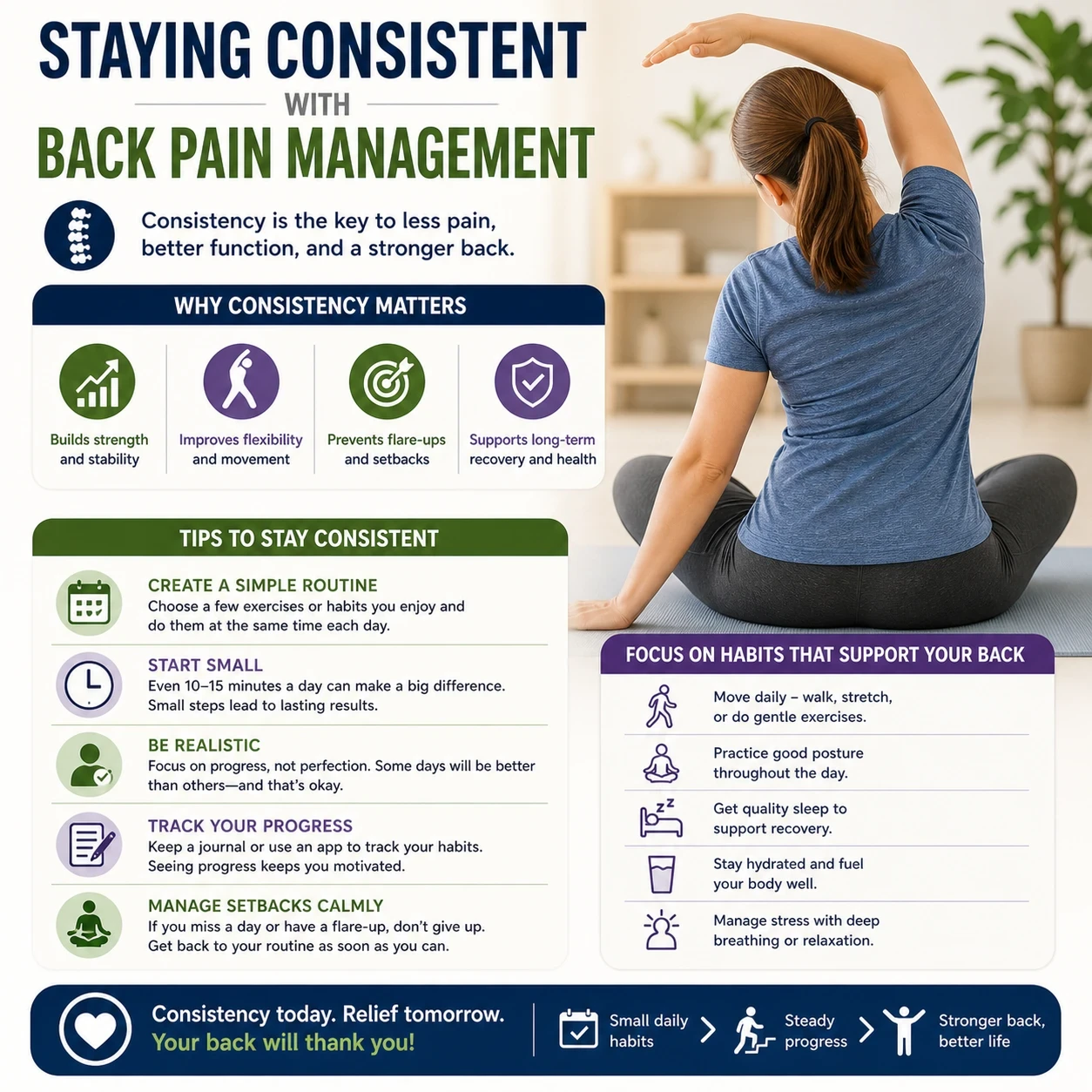
The Importance of Consistency Over Intensity
Many people believe they need to do intense workouts or follow strict routines to see improvement. In reality, consistency is far more important than intensity.
Regular, manageable activity helps the body adapt over time. Even small efforts repeated daily can lead to meaningful progress.
Building a routine that fits into your lifestyle makes it easier to stay consistent. This is one of the most effective ways to improve long-term outcomes.
Recognising Progress and Setbacks
Recovery is rarely a straight line. There may be periods of improvement followed by temporary setbacks. This is a normal part of the process.
Understanding that fluctuations are expected can help reduce frustration. Rather than focusing on short-term changes, it is more useful to look at overall trends over time.
Recognising progress, even in small steps, helps maintain motivation and supports continued improvement.
Building a Long-Term Approach
Managing back pain is not about finding a quick fix. It is about building habits that support the body over time.
This includes staying active, managing stress, maintaining strength, and making small adjustments to daily routines. These actions work together to create a more resilient system.
Over time, this approach helps reduce symptoms, improve movement, and make flare-ups easier to manage when they occur.
Frequently Asked Questions
How long does back pain last?
It often improves within a few weeks, though some cases last longer.
Should you rest or stay active?
Gentle movement is usually more effective than complete rest.
Can stress affect back pain?
Yes, stress can increase tension and sensitivity.
What helps most?
A combination of movement, heat therapy, and posture adjustments.
Can back pain become chronic?
Yes, but early management can reduce this risk.
Scientific References
https://pubmed.ncbi.nlm.nih.gov/28192789/
https://pubmed.ncbi.nlm.nih.gov/29438212/