How To Relieve Lower Back Pain Science led approach
How to Relieve Lower Back Pain
Understanding how to relieve lower back pain is important because lower back discomfort affects millions of people worldwide.
The condition can develop gradually due to posture habits, muscle strain, prolonged sitting, or underlying spinal issues.
Fortunately, many practical strategies may help reduce discomfort and support recovery.
Lower back pain often improves when people combine gentle movement, posture improvements, supportive tools, and lifestyle adjustments.
Rather than relying on a single solution, a balanced approach usually produces better long-term results.
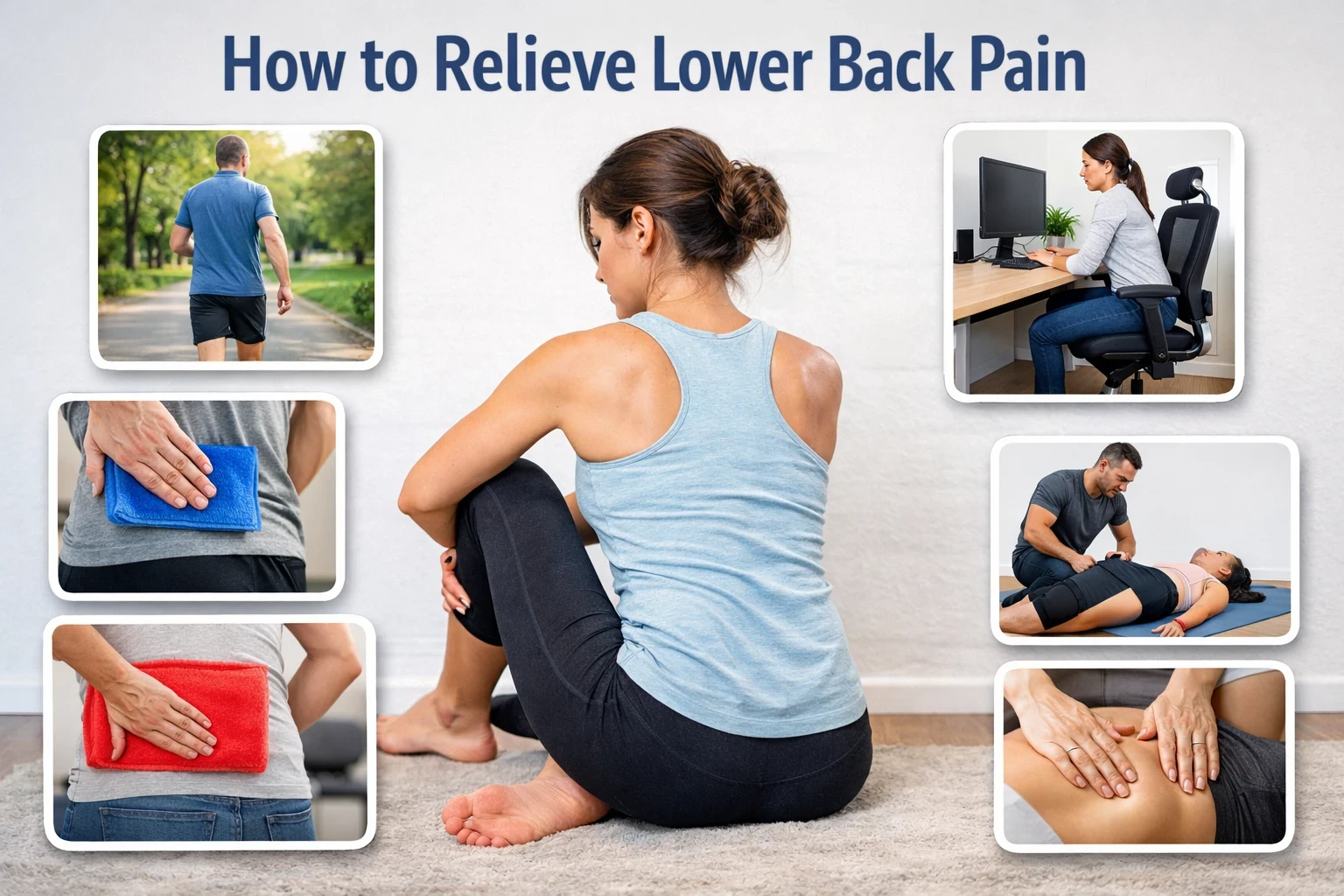
What Causes Lower Back Pain?
When learning how to relieve lower back pain, it first helps to understand why the discomfort develops.
In many cases, lower back pain is related to mechanical stress placed on the spine during daily activities.
Common causes include:
• Muscle or ligament strain
• Poor posture while sitting
• Long periods of inactivity
• Herniated or bulging spinal discs
• Weak core muscles
• Nerve irritation such as sciatica
Many people experience lower back pain after prolonged sitting or repetitive movements that overload the lumbar spine.
Over time, this can lead to stiffness, muscle tightness, and discomfort.
A deeper explanation of how spinal pain develops can be explored in the Back Pain Treatment Science-Backed Human Guide, which explains how modern pain science approaches recovery.
Gentle Movement Supports Recovery
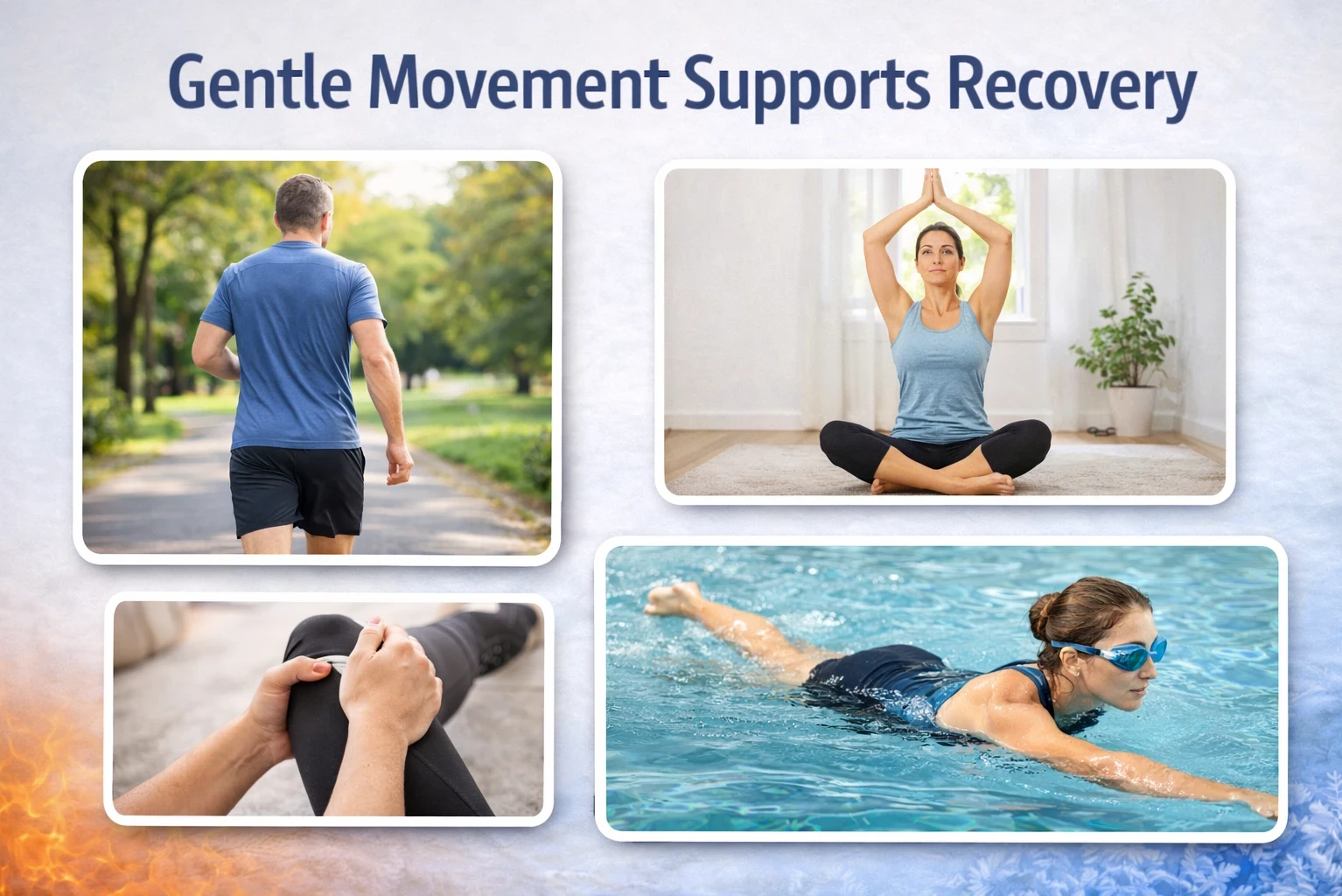
One of the most effective strategies when exploring how to relieve lower back pain is introducing gentle movement.
Although rest may feel helpful initially, prolonged inactivity can worsen stiffness and reduce circulation to muscles and joints.
Light activity helps maintain mobility and encourages healthy spinal movement.
Helpful activities may include:
• Short daily walks
• Gentle stretching exercises
• Swimming or water-based exercise
• Low-impact yoga or mobility work
Movement encourages better blood flow and helps muscles remain flexible.
Gradually returning to normal movement patterns can support recovery and reduce recurring pain episodes.
You can explore additional lifestyle approaches in Natural Remedies for Back Pain, which discusses several supportive strategies that may complement traditional treatments.
Heat and Cold Therapy
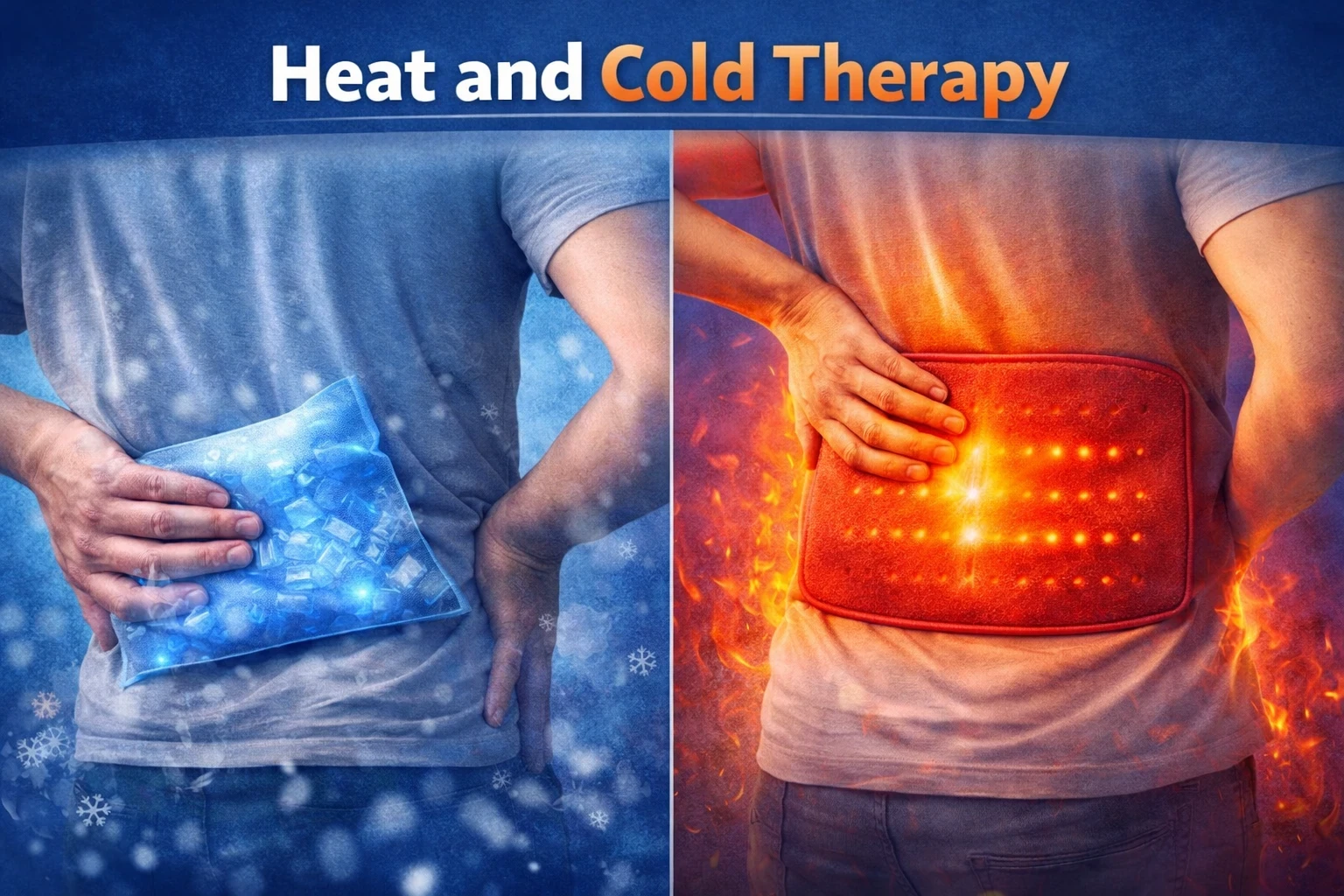
Temperature therapy is one of the simplest approaches when considering how to relieve lower back pain.
Cold Therapy
Cold packs may help reduce inflammation or swelling, particularly during the early stage of injury.
Applying a cold compress for around 10–15 minutes can temporarily numb irritated tissues.
Heat Therapy
Heat therapy is often helpful for muscle tension and stiffness.
Warm compresses, heating pads, or warm showers may relax tight muscles and improve blood circulation to the affected area.
Some individuals find that alternating between heat and cold provides additional relief.
Nature Creation have the full range of cold and heat therapy products. Go here.
Improving Posture and Ergonomics
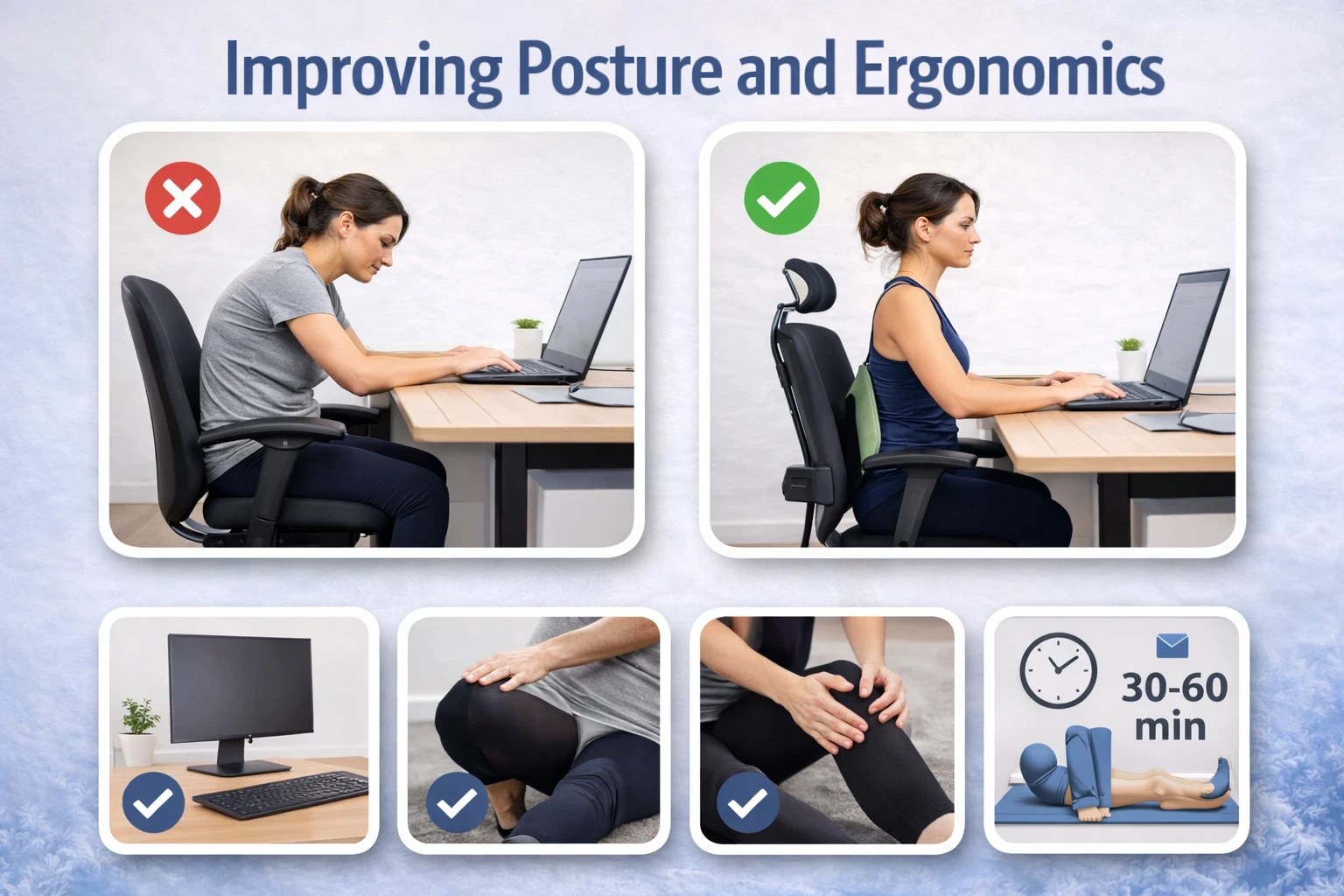
Posture plays a major role when exploring how to relieve lower back pain.
Many modern work environments involve prolonged sitting, which places constant pressure on the lower spine.
Over time, poor posture may contribute to muscle fatigue and spinal strain.
Helpful adjustments include:
• Sitting with proper lumbar support
• Keeping screens at eye level
• Maintaining feet flat on the floor
• Taking standing breaks every 30–60 minutes
Supportive tools may also help reduce strain during daily activities.
Some useful options are discussed in Affordable Back Pain Relief Products That Support Everyday Comfort.

Strengthening Core Muscles
The muscles surrounding the abdomen, pelvis, and spine form the body’s core.
These muscles stabilize the spine and help distribute load during movement.
Weak core muscles may place extra stress on the lower back.
Strengthening these muscles can therefore play an important role when learning how to relieve lower back pain.
Exercises that may support spinal stability include:
• Pelvic tilts
• Bridges
• Bird-dog exercises
• Gentle abdominal strengthening
Consistency is more important than intensity.
Small daily routines may gradually improve spinal support and reduce recurring discomfort.
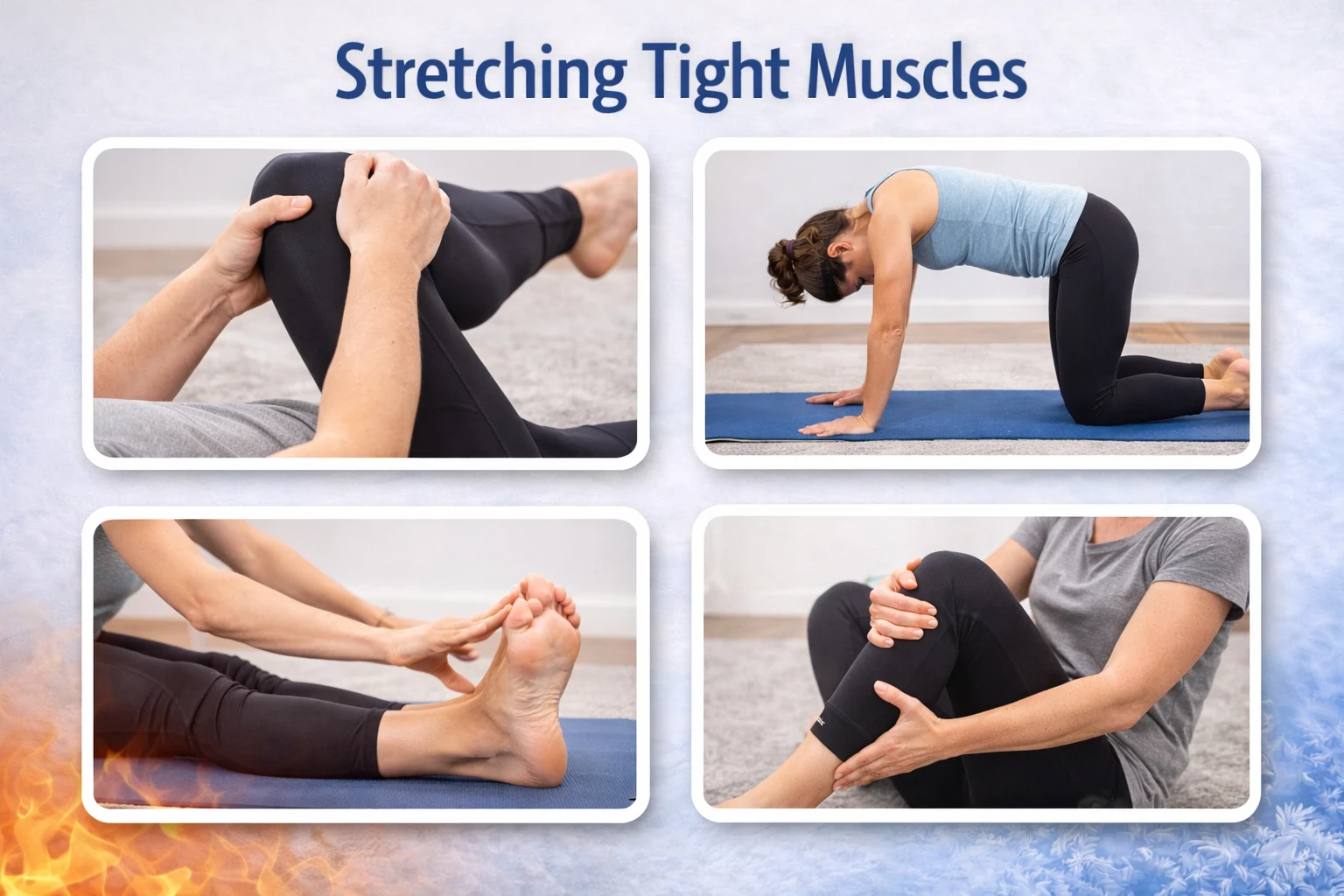
Stretching Tight Muscles
Muscle tightness around the hips, hamstrings, and gluteal muscles can contribute to lower back discomfort.
Stretching may help improve flexibility and reduce tension around the lumbar spine.
Helpful stretches include:
• Knee-to-chest stretch
• Cat-cow spinal mobility movement
• Seated hamstring stretch
• Piriformis stretch
Including regular stretching in a daily routine can support mobility and complement other strategies used when addressing how to relieve lower back pain.
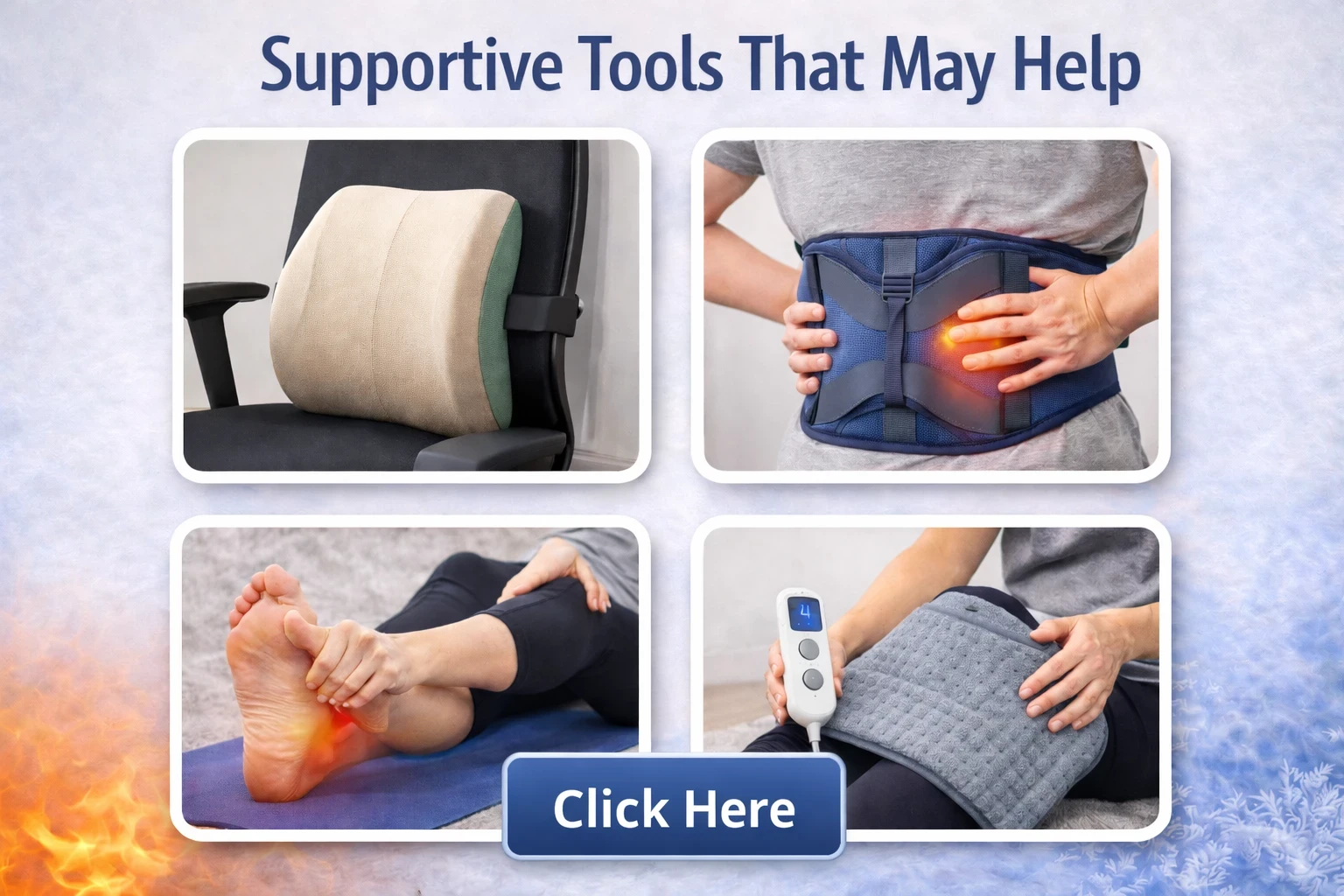
Supportive Tools That May Help
Certain tools may provide additional comfort while addressing how to relieve lower back pain, particularly during everyday activities.
Examples include:
• Lumbar support cushions
• Compression back braces
• Heat therapy pads
• Massage devices
Go to OberHealth for more information on supportive tools for back pain relief.
Although these tools do not replace proper rehabilitation and movement, they may help reduce discomfort during recovery.
Individuals experiencing ongoing symptoms may also explore additional strategies discussed in Chronic Back Pain Treatment, which examines longer-term management options.
Stress and Pain Sensitivity
Pain is influenced not only by physical factors but also by the nervous system.
Stress, anxiety, and poor sleep can increase pain sensitivity.
When the body remains in a prolonged stress response, muscles may tighten and pain signals can become amplified.
Supportive strategies may include:
• Mindfulness practices
• Deep breathing exercises
• Gentle yoga
• Improving sleep quality
Addressing these factors may help reduce the intensity of symptoms while exploring how to relieve lower back pain.
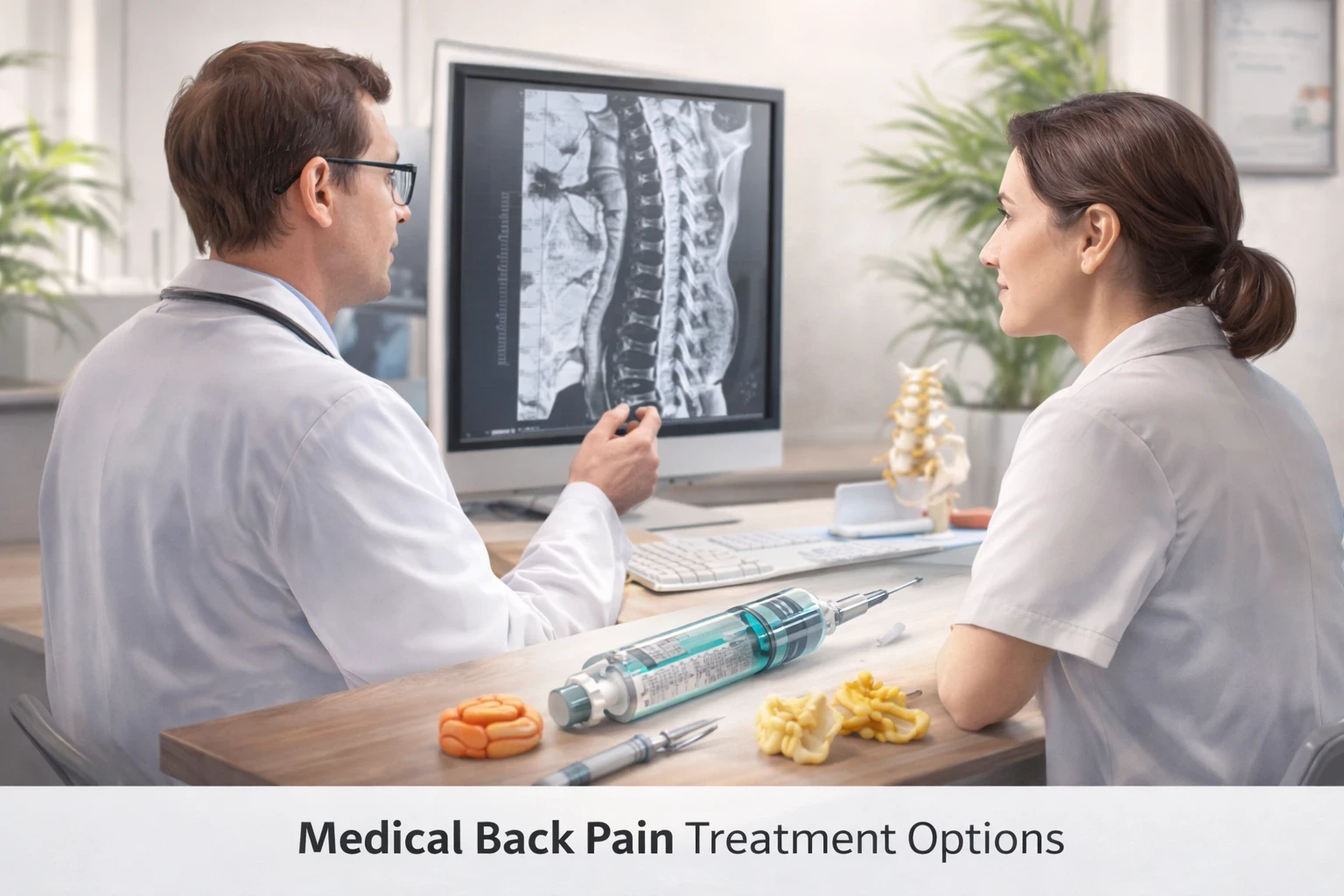
When Medical Advice May Be Needed
Most episodes of lower back pain improve within a few weeks. However, medical advice may be necessary if symptoms include:
• Severe or worsening pain
• Numbness or tingling in the legs
• Weakness in the lower limbs
• Pain following injury or trauma
• Loss of bladder or bowel control
Healthcare professionals may recommend physiotherapy, imaging tests, medications, or other interventions depending on the underlying cause.
A Balanced Approach to Lower Back Pain Relief
Learning how to relieve lower back pain usually involves combining several supportive strategies rather than relying on a single treatment.
For many people, improvement occurs through:
• Regular gentle movement
• Strengthening core muscles
• Improving posture and ergonomics
• Using heat or cold therapy
• Managing stress and sleep quality
Gradual lifestyle adjustments often produce the most sustainable results.
With the right approach, many individuals can reduce discomfort and support long-term spinal health.
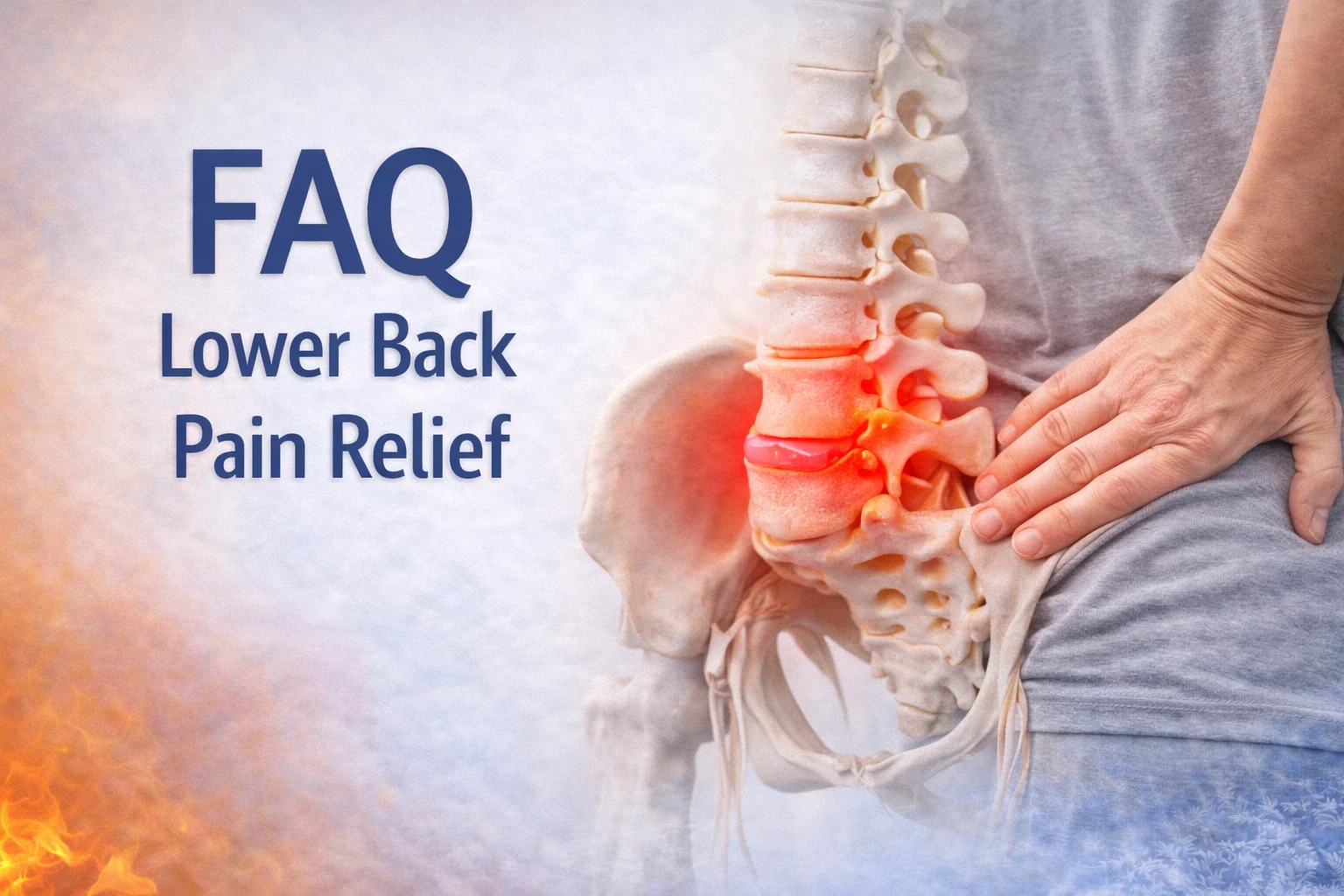
FAQ: How to Relieve Lower Back Pain
What is the fastest way to relieve lower back pain?
Many people searching for how to relieve lower back pain want quick relief.
Applying heat, performing gentle stretching, and taking short walks may help reduce stiffness quickly.
Avoiding prolonged sitting can also reduce pressure on the lower spine.
Can walking help relieve lower back pain?
Yes, walking is often recommended when learning how to relieve lower back pain.
Gentle walking improves circulation, keeps spinal joints mobile, and helps prevent muscles from tightening.
Should you rest when your lower back hurts?
Short periods of rest may help immediately after injury.
However, extended bed rest is usually not recommended.
Gradual movement often plays an important role when addressing how to relieve lower back pain safely.
When should you see a doctor for lower back pain?
Medical advice should be considered if lower back pain lasts longer than several weeks or occurs with symptoms such as numbness, weakness, severe pain, or bladder and bowel changes.
Scientific Studies
Exercise therapy for chronic low back pain
Non-pharmacologic therapies for low back pain management