Heat Therapy Benefits for Chronic Pain
Heat therapy benefits for chronic pain are widely recognised for helping people manage ongoing discomfort in a natural, non-invasive way. From easing muscle stiffness to improving circulation, this approach can provide steady, reliable relief when used correctly. For many dealing with long-term pain, it becomes part of a daily routine rather than a one-time fix.
Unlike quick solutions that wear off fast, heat therapy works gradually with the body. It supports recovery, reduces tension, and creates a sense of comfort that builds over time. When used consistently, it can help people regain movement and reduce the constant awareness of pain.
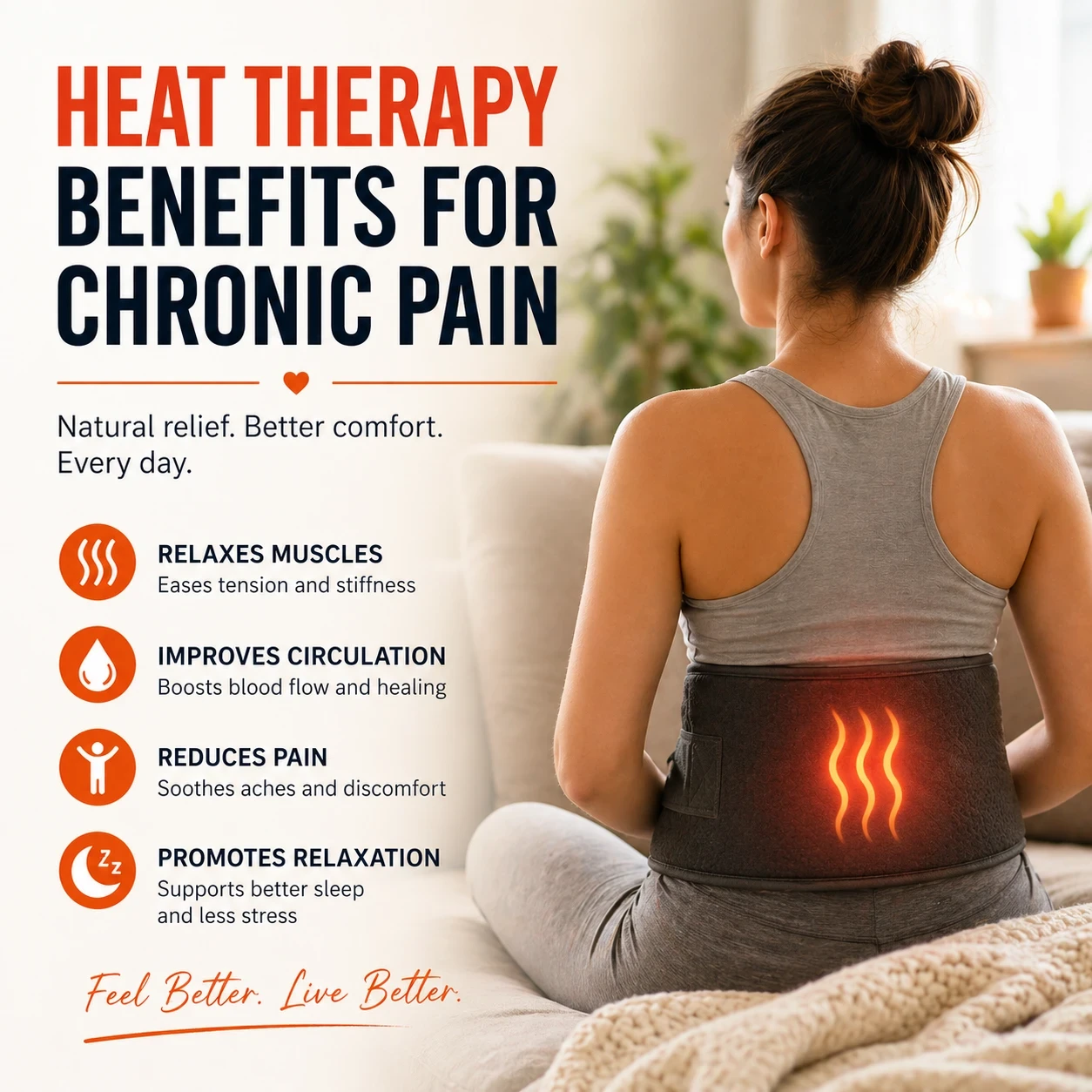
How Heat Therapy Works in the Body for chronic pain
To understand the real impact, it helps to look at what happens beneath the surface. When heat is applied to the body, blood vessels expand. This increased circulation delivers more oxygen and nutrients to affected areas while helping remove waste products that build up in tissues.
At the same time, heat relaxes tight muscles and soft tissues. This is particularly helpful for chronic pain conditions where tension builds over time. Stiff joints and restricted movement often improve when warmth is applied regularly.
If you want a deeper explanation of techniques and application methods, this guide on heat therapy techniques simple effective ways to relieve pain breaks it down clearly.
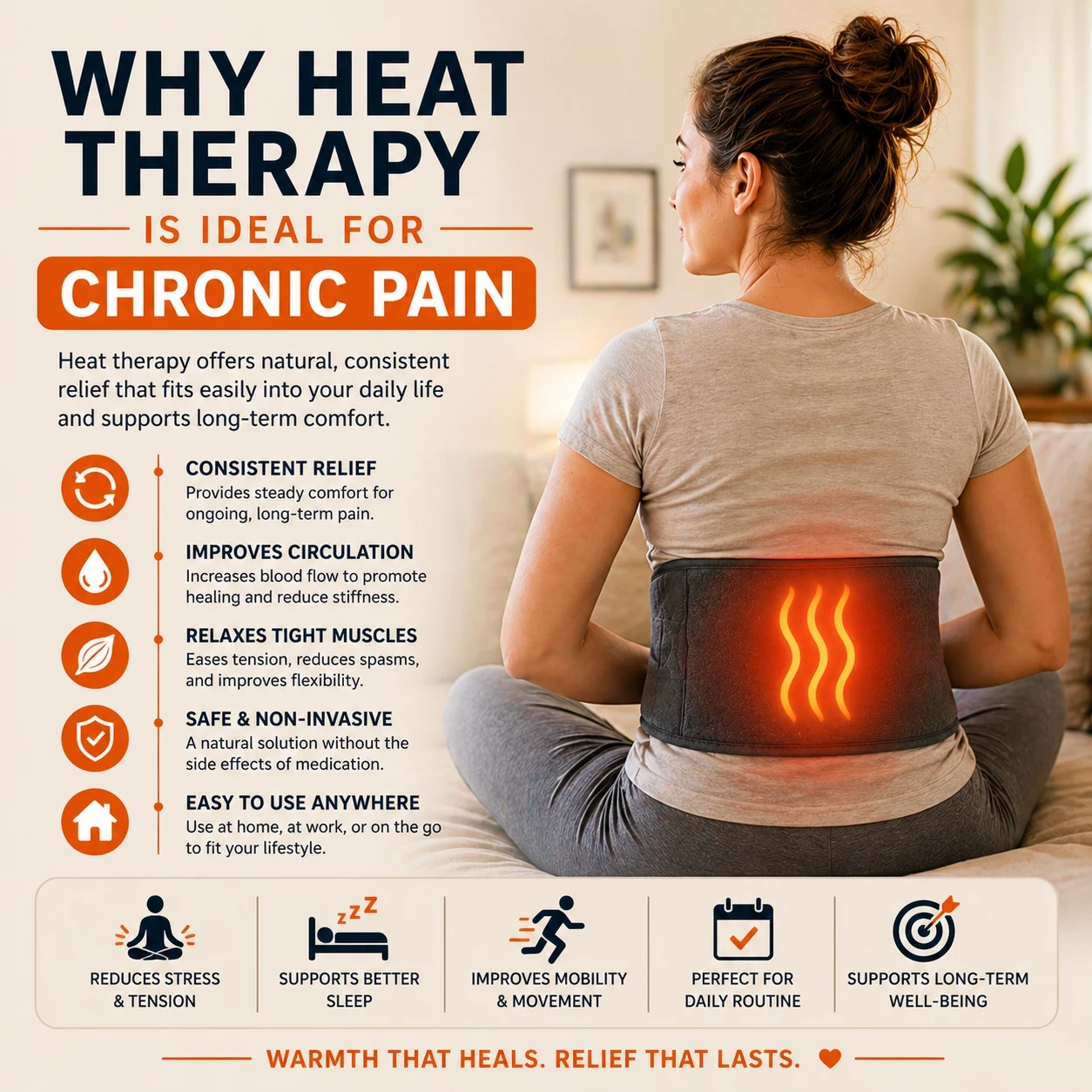
Why Heat Therapy Is Ideal for Chronic Pain
The main reason heat therapy benefits for chronic pain stand out is consistency. Chronic pain is rarely solved overnight, so treatments that can be used daily without side effects become valuable.
This method fits into a long-term approach perfectly. It can be used at home, at work, or while resting. Unlike medications, it doesn’t rely on chemical intervention. Instead, it works with the body’s natural healing responses.
People dealing with long-term pain often notice that warmth reduces the “tight” feeling in muscles. It also helps improve flexibility, making everyday tasks easier to manage.
Common Conditions That Benefit from Heat Therapy
There are several conditions where heat therapy benefits for chronic pain can make a noticeable difference:
- Chronic lower back pain
- Arthritis and joint stiffness
- Muscle tension and fatigue
- Neck and shoulder pain
- Post-exercise soreness
For those struggling specifically with back issues, this practical guide on how to use heat therapy for back pain offers clear, step-by-step advice.
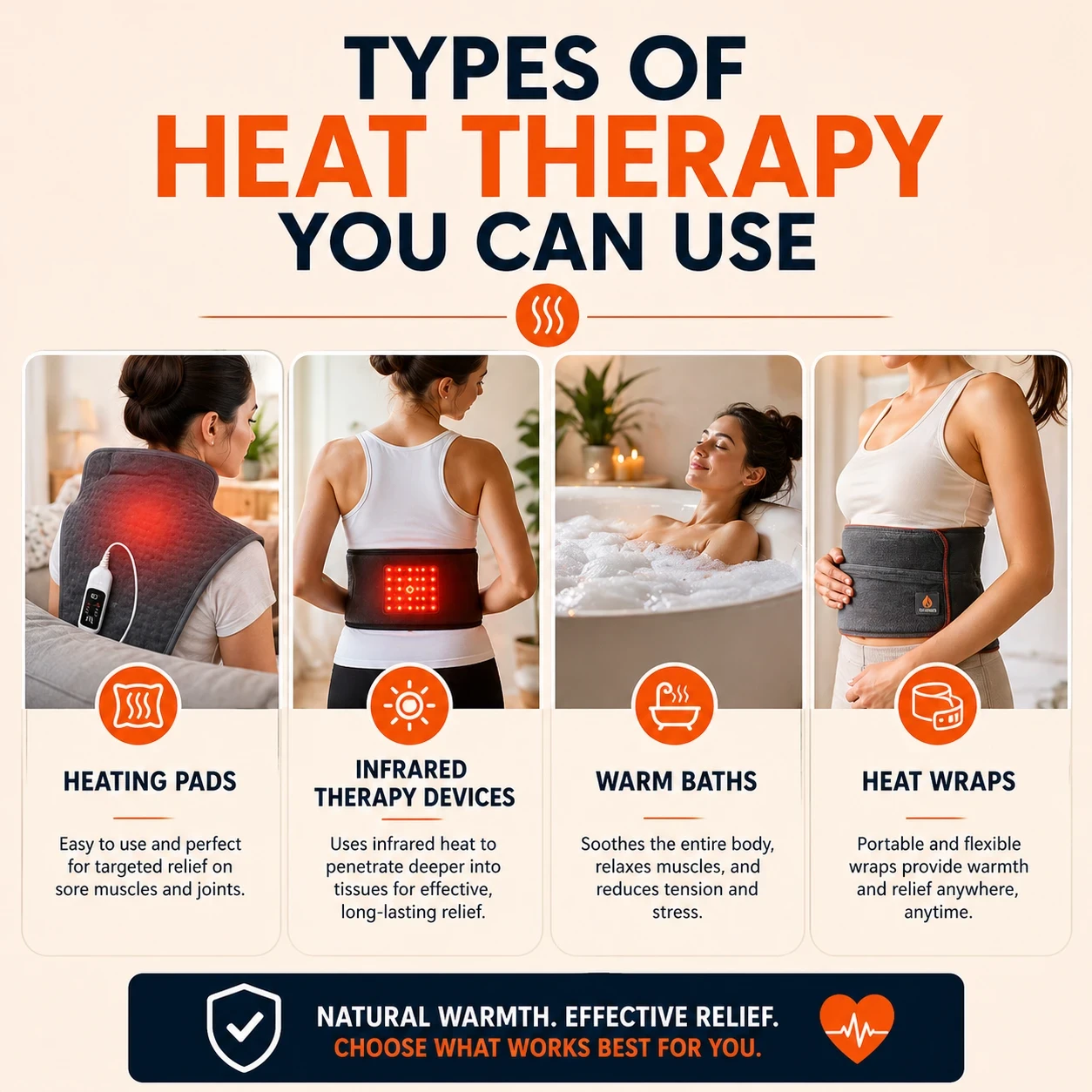
Types of Heat Therapy You Can Use
One of the strengths of this approach is the variety of options available. You can choose what fits your lifestyle and level of discomfort.
- Heating pads: Easy to use and ideal for targeted relief
- Infrared therapy devices: Provide deeper penetration into tissues
- Warm baths: Help relax the entire body
- Heat wraps: Portable and convenient for daily use
If you want to explore a broader overview, this guide on heat therapy for pain relief explains how each option works.
Choosing the Right Heat Therapy Products
Getting the most from heat therapy benefits for chronic pain often comes down to using the right product. Quality matters more than most people realise. A reliable device delivers consistent heat and lasts longer, making it a better long-term investment.
Explore high-quality options designed for comfort and effectiveness:
Shop Natural Heat Therapy Solutions
Browse Advanced Heat Therapy Products
Explore Portable Heat Therapy Devices
Discover Infrared Heat Therapy Systems
View Cordless Infrared Heating Pads
See More Back Pain Heat Therapy Devices
How to Use Heat Therapy Safely
While heat therapy benefits for chronic pain are clear, using it correctly is important. Too much heat or improper use can cause irritation rather than relief.
- Use moderate heat, not excessive temperatures
- Apply for 15–30 minutes at a time
- Avoid direct contact with bare skin for long periods
- Do not use on swollen or inflamed injuries
Consistency matters more than intensity. Regular sessions tend to provide better results than occasional overuse.
Secondary Benefits You Might Notice
Beyond direct relief, many people notice improvements in sleep, reduced stress, and better mobility after adding heat therapy to their routine.
Warmth has a calming effect on the nervous system. This can help reduce the mental strain that often comes with chronic pain. Over time, this combination of physical and mental support can improve overall quality of life.
When Heat Therapy May Not Be Suitable
Although heat therapy benefits for chronic pain are widely applicable, there are situations where it should be avoided. Heat is not recommended for fresh injuries, swelling, or inflammation. In these cases, cold therapy may be more appropriate.
If you have a medical condition that affects sensation or circulation, it’s worth checking with a healthcare professional before using heat therapy regularly.
A Balanced Perspective on Heat Therapy
It’s important to see this method as part of a broader strategy. While it can provide meaningful relief, it works best alongside movement, proper rest, and other supportive treatments.
For many people, heat therapy becomes a daily habit rather than a temporary fix. It supports the body, reduces tension, and helps make pain more manageable over time.
Final Thoughts
Heat therapy benefits for chronic pain offer a practical, accessible way to improve comfort and mobility. It’s simple to use, widely available, and effective when applied consistently.
If you’re dealing with ongoing discomfort, adding this into your routine could be one of the easiest changes to make. Over time, small daily improvements can lead to noticeable long-term relief.
Scientific Studies
https://pubmed.ncbi.nlm.nih.gov/27487831/
https://pubmed.ncbi.nlm.nih.gov/20657212/