Lower Back Pain Treatment Science Driven Daily Consistency To Help With Recovery
Lower Back Pain Treatment
Lower back pain treatment is a subject that many people want the answers for.
Lower back pain affects millions of people worldwide and is one of the most common reasons individuals search for lower back pain treatment online.
The lower spine supports body weight, allows movement, and absorbs mechanical stress during daily activities.
Because it is constantly involved in bending, lifting, and twisting, the lumbar region is especially vulnerable to strain and injury.
Fortunately, many effective options for lower back pain treatment exist.
Conservative strategies such as movement therapy, posture improvements, strengthening exercises, and lifestyle adjustments often provide meaningful relief.
Understanding the causes of pain and addressing contributing factors can help reduce symptoms and improve long-term spinal health.
This comprehensive guide explores common causes of lower back pain, practical treatment strategies, and prevention approaches supported by modern pain science.
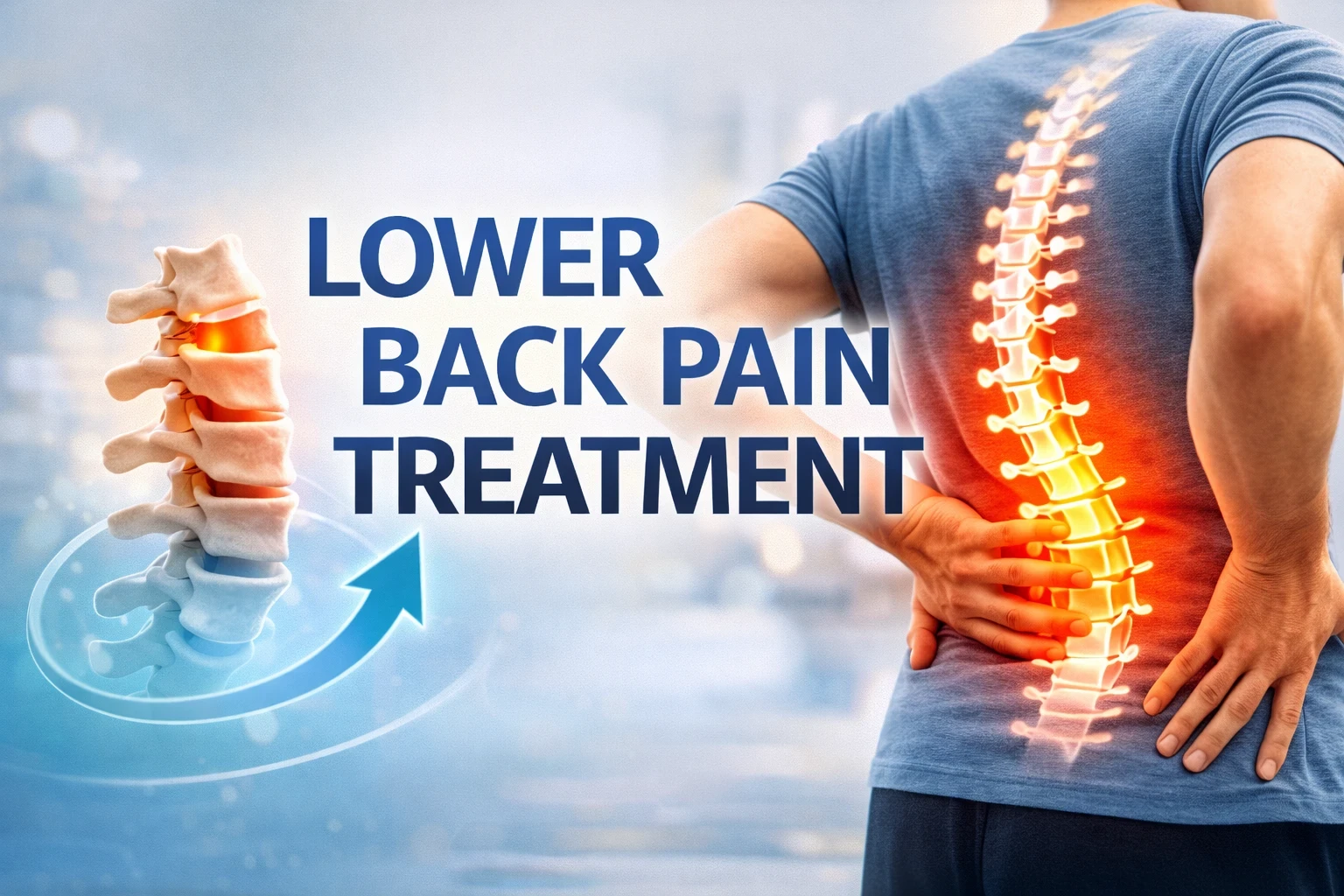
Understanding Lower Back Pain
Before exploring lower back pain treatment, it helps to understand the structure of the lower spine.
The lumbar spine consists of five vertebrae located between the rib cage and pelvis.
Between each vertebra sits a spinal disc that acts as a shock absorber.
Muscles, ligaments, and nerves surrounding the spine help stabilize the body and coordinate movement.
When any of these structures become irritated or injured, lower back pain may develop.
Symptoms may include:
• Dull aching in the lower back
• Muscle stiffness
• Limited mobility
• Pain that worsens after sitting
• Pain that spreads into the hips or legs
Pain may appear suddenly after lifting or twisting, or it may develop gradually due to posture habits and repetitive strain.
A deeper overview of spinal pain mechanisms is explained in the Back Pain Treatment Science-Backed Human Guide, which explores modern approaches to back pain recovery.

Symptom → Cause → Treatment Overview
Understanding how symptoms relate to underlying causes is helpful when choosing the right lower back pain treatment.
Symptom: Dull Aching Lower Back Pain
Possible Cause: Muscle strain or poor posture.
Treatment Approach: Gentle movement, stretching, and posture correction.
Symptom: Stiffness After Sitting
Possible Cause: Prolonged sitting and tight hip flexors.
Treatment Approach: Movement breaks, ergonomic adjustments, and stretching.
Symptom: Pain Radiating Down the Leg
Possible Cause: Sciatic nerve irritation or disc pressure.
Treatment Approach: Physiotherapy, nerve mobility exercises, and medical assessment if symptoms persist.
Symptom: Recurring Back Pain
Possible Cause: Weak core muscles or poor movement patterns.
Treatment Approach: Core strengthening and long-term exercise routines.
Understanding these relationships can help guide the most appropriate lower back pain treatment plan.
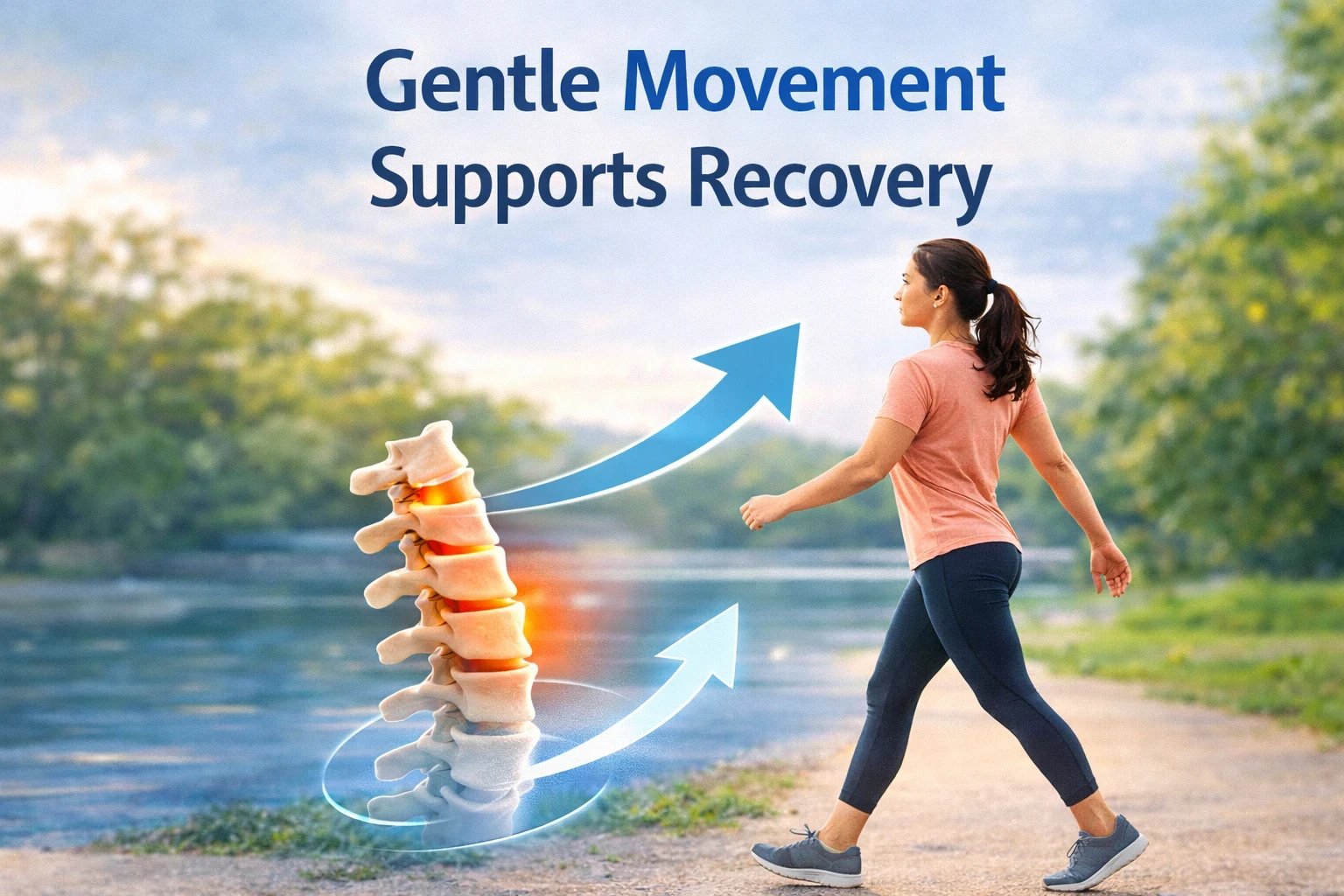
Gentle Movement and Activity
Movement is one of the most important elements of lower back pain treatment.
While short periods of rest may help immediately after injury, prolonged inactivity can worsen stiffness and slow recovery.
Gentle activity improves circulation and keeps spinal joints mobile.
Helpful activities include:
• Walking
• Swimming
• Gentle yoga
• Mobility exercises
• Light stretching routines
Even short daily walks can help reduce stiffness and encourage normal movement patterns.
Practical strategies that support recovery are discussed in How to Relieve Lower Back Pain, which focuses on simple techniques people can use at home.
Stretching and Flexibility
Tight muscles surrounding the hips, hamstrings, and glutes often contribute to lower back discomfort.
Stretching these muscles may reduce tension on the lumbar spine.
Common stretches include:
• Knee-to-chest stretch
• Hamstring stretch
• Piriformis stretch
• Cat-cow spinal movement
• Hip flexor stretch
Regular stretching can improve flexibility and support overall lower back pain treatment plans.
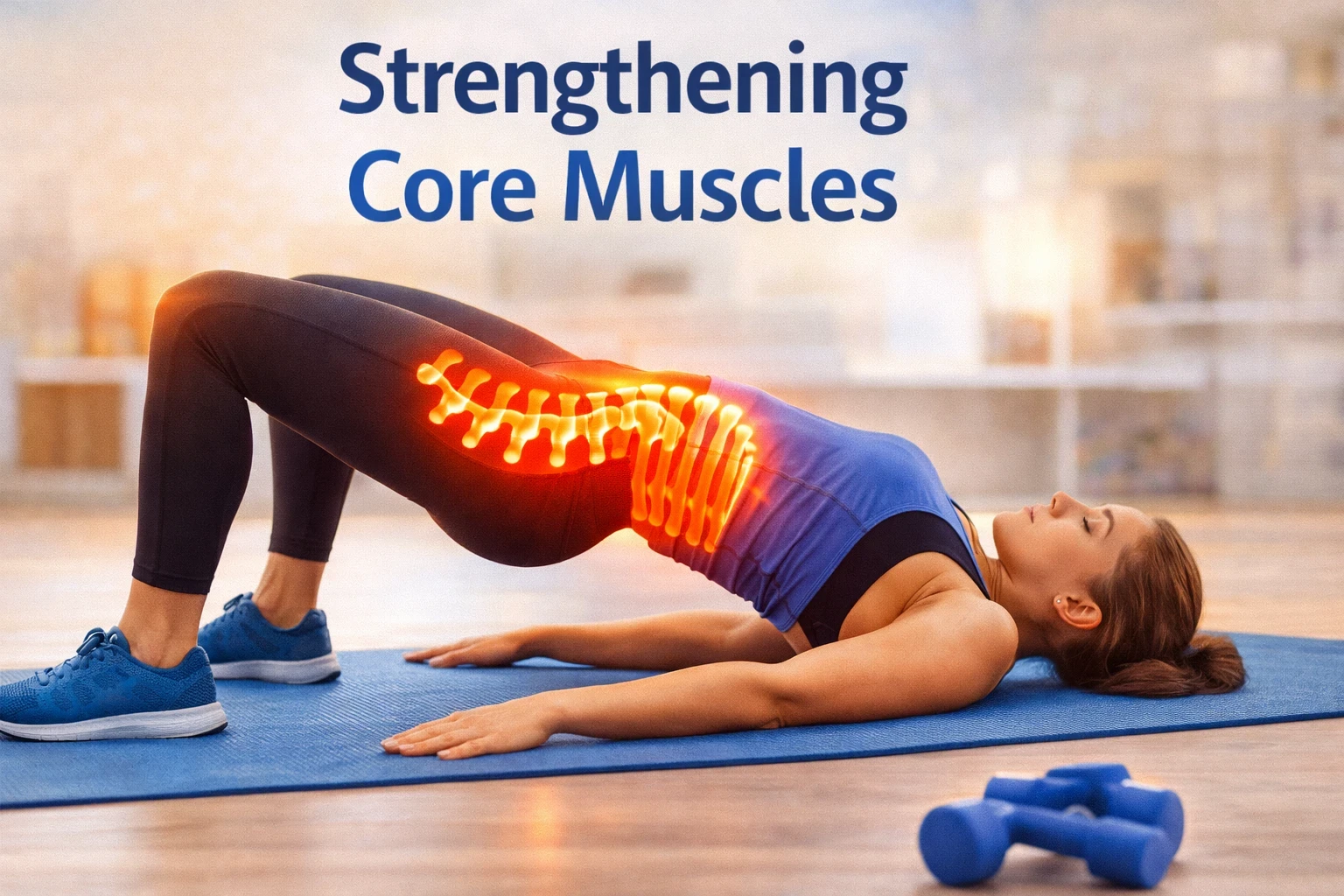
Strengthening Core Muscles
Core muscles stabilize the spine and help distribute forces during movement.
Weak abdominal and pelvic muscles can increase strain on the lower back.
Strengthening these muscles is therefore a key part of many lower back pain treatment programs.
Helpful exercises include:
• Pelvic tilts
• Bridges
• Bird-dog exercises
• Modified planks
Structured exercise programs are explored in Back Pain Recovery Exercises, which focus on restoring spinal mobility and strength.
Heat and Cold Therapy
Temperature therapy is frequently used to support lower back pain treatment.
Cold therapy may be useful during the early stage of injury when inflammation is present.
Applying a cold pack for around 10–15 minutes may reduce swelling and numb irritated tissues.
Heat therapy is often helpful for muscle tension and stiffness.
Heating pads, warm baths, or heat wraps can relax tight muscles and improve blood flow.
Many people find that alternating between heat and cold provides additional relief.
Improving Posture and Ergonomics
Posture plays an important role in long-term lower back pain treatment.
Sitting with poor posture can place continuous pressure on the lumbar spine.
Helpful ergonomic strategies include:
• Sitting with lumbar support
• Keeping screens at eye level
• Maintaining feet flat on the floor
• Taking standing breaks every 30–60 minutes
Sleep position can also influence spinal pressure. Learning the Best Sleeping Positions for Back Pain may help reduce discomfort during the night.
Natural Lifestyle Strategies
Lifestyle factors also influence the success of lower back pain treatment.
Important areas include:
• Physical activity levels
• Weight management
• Nutrition
• Sleep quality
• Stress management
Several supportive lifestyle strategies are explored in Natural Remedies for Back Pain, which discusses non-medical approaches to managing back discomfort.
Stress and Pain Sensitivity
Pain perception is influenced by the nervous system. Stress and anxiety can increase muscle tension and amplify pain signals.
Mind-body approaches sometimes play a supportive role in lower back pain treatment.
Helpful techniques may include:
• Deep breathing exercises
• Meditation
• Gentle yoga
• Relaxation practices
Understanding how the brain processes pain can be helpful. The article Movement Load and Pain Sensitivity explains how the nervous system can influence pain perception.

Supportive Tools and Devices
Some individuals find additional comfort using supportive tools during lower back pain treatment.
Examples include:
• Lumbar cushions
• Back braces
• Heating pads
• Massage devices
Go here to find out more information.
Supportive products that may help improve comfort are discussed in Affordable Back Pain Relief Products That Support Everyday Comfort.
Physical Therapy and Rehabilitation
When lower back pain persists, physiotherapy is often recommended.
A physical therapist may design a customized lower back pain treatment program based on the individual’s condition.
Treatment plans may include:
• Strengthening exercises
• Mobility training
• Posture education
• Manual therapy
These programs often focus on restoring movement patterns and reducing recurring pain episodes.
Medical Treatment Options
While many cases improve with conservative care, medical intervention may sometimes be necessary.
Possible treatments include:
• Anti-inflammatory medications
• Muscle relaxants
• Corticosteroid injections
• Nerve pain medications
These options are typically considered when conservative lower back pain treatment approaches have not provided sufficient relief.
When to Seek Medical Advice
Medical evaluation is recommended if lower back pain includes:
• Severe or worsening pain
• Numbness or tingling in the legs
• Weakness in the lower limbs
• Pain after injury or trauma
• Loss of bladder or bowel control
These symptoms may indicate conditions requiring professional medical assessment.
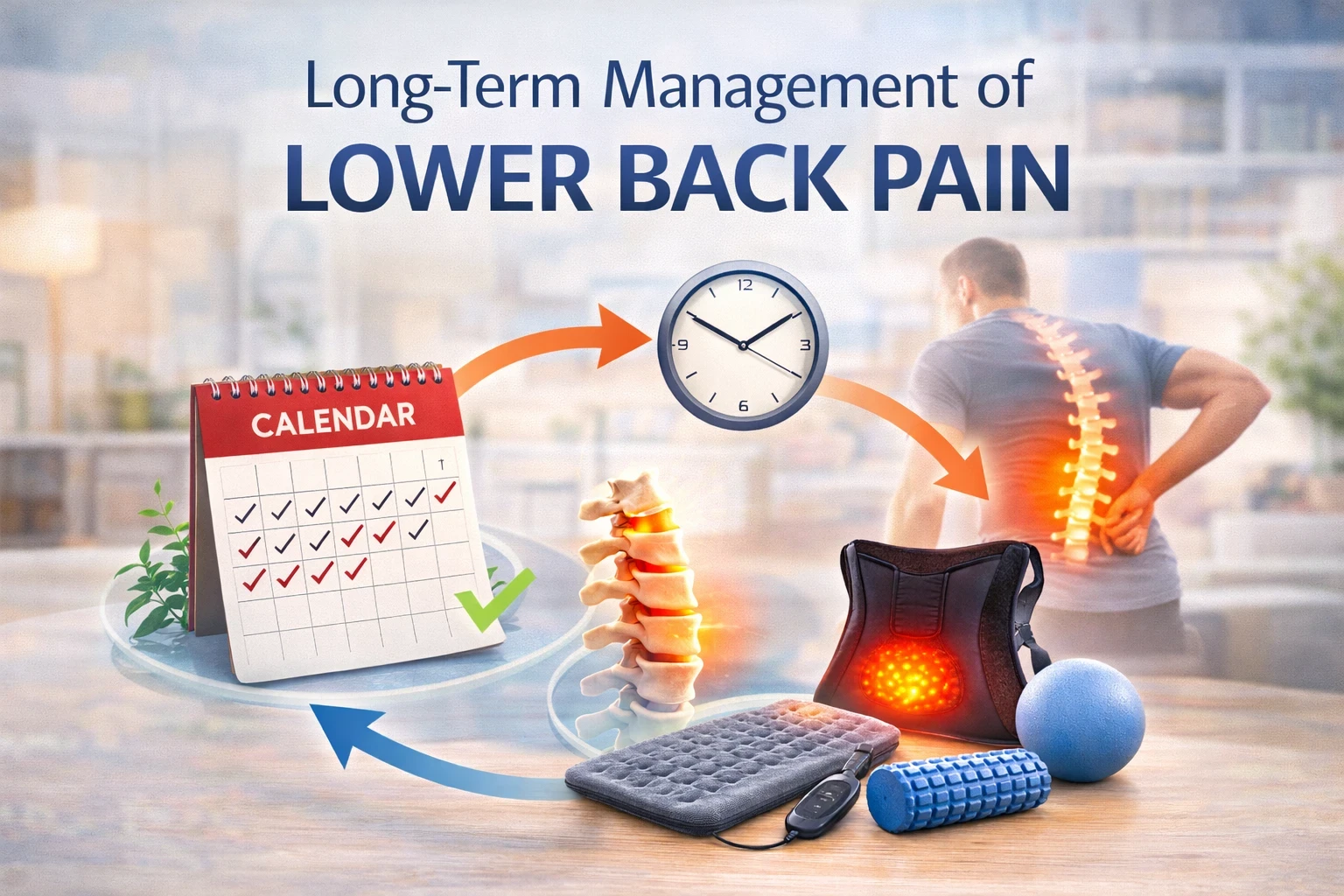
Long-Term Management of Lower Back Pain
Many people benefit from long-term habits that support spinal health.
Helpful strategies include:
• Maintaining regular movement
• Strengthening core muscles
• Practicing good posture
• Managing stress levels
• Staying physically active
Individuals experiencing persistent symptoms may benefit from exploring Chronic Back Pain Treatment, which focuses on long-term management strategies.
Preventing Future Lower Back Pain
Prevention plays an important role in maintaining spinal health and avoiding recurring symptoms.
Helpful preventive habits include:
• Lifting objects with proper technique
• Maintaining a healthy weight
• Strengthening the core muscles
• Staying physically active
• Using ergonomic workstations
These strategies help reduce mechanical stress on the spine and support long-term lower back pain treatment outcomes.
Frequently Asked Questions
What is the fastest lower back pain treatment?
Some individuals experience short-term relief from heat therapy, gentle stretching, and walking.
However, lasting improvement usually comes from combining multiple lower back pain treatment strategies.
Can walking help lower back pain?
Yes. Walking is often recommended during lower back pain treatment because it improves circulation and keeps spinal joints mobile.
Should you rest when your lower back hurts?
Short periods of rest may help immediately after injury.
However, prolonged bed rest can worsen stiffness. Gradual movement generally supports recovery.
When should I see a doctor for lower back pain?
Medical advice should be sought if pain lasts longer than several weeks or occurs with numbness, weakness, or severe symptoms.
Scientific Studies
Exercise therapy for chronic low back pain
Non-pharmacologic therapies for low back pain management