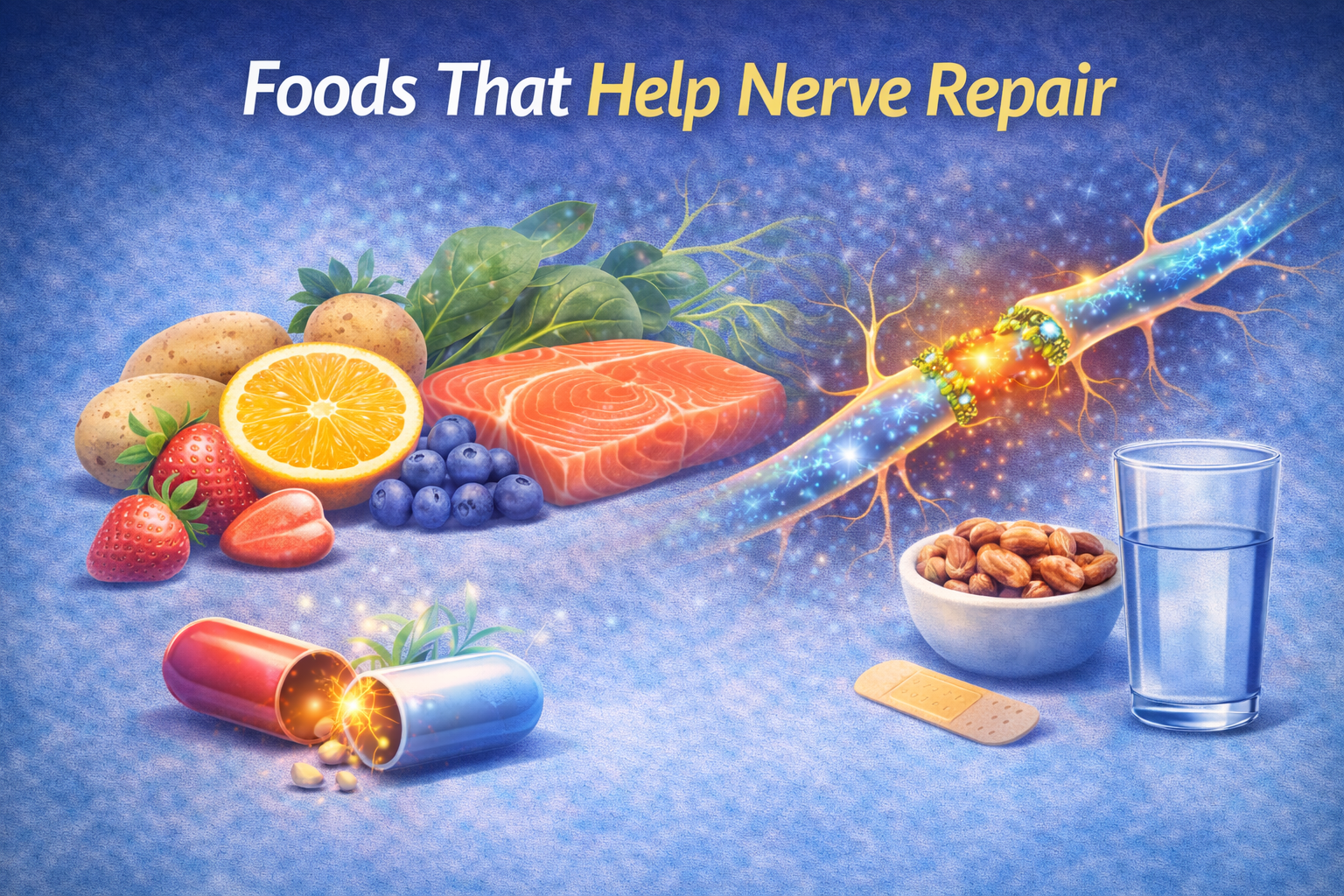
Foods That Help Nerve Repair: Nutrients That Support Nerve Health
Foods That Help Nerve Repair
Foods that help nerve repair are an important topic for people experiencing nerve irritation, tingling, numbness, or burning sensations.
Nerves require specific nutrients to function properly and maintain healthy communication between the brain and the body.
When these nutrients are lacking, nerve tissues may become more vulnerable to damage and slower to recover.
Nutrition alone cannot always fix nerve injuries, but a balanced diet may support nerve health and complement other strategies used in nerve pain treatment. Understanding which nutrients support nerve repair can help people make better dietary choices that benefit the nervous system.
To understand why nerve irritation develops in the first place, the article on why nerve pain occurs explains how inflammation, compression, and nerve sensitivity can disrupt normal nerve function.
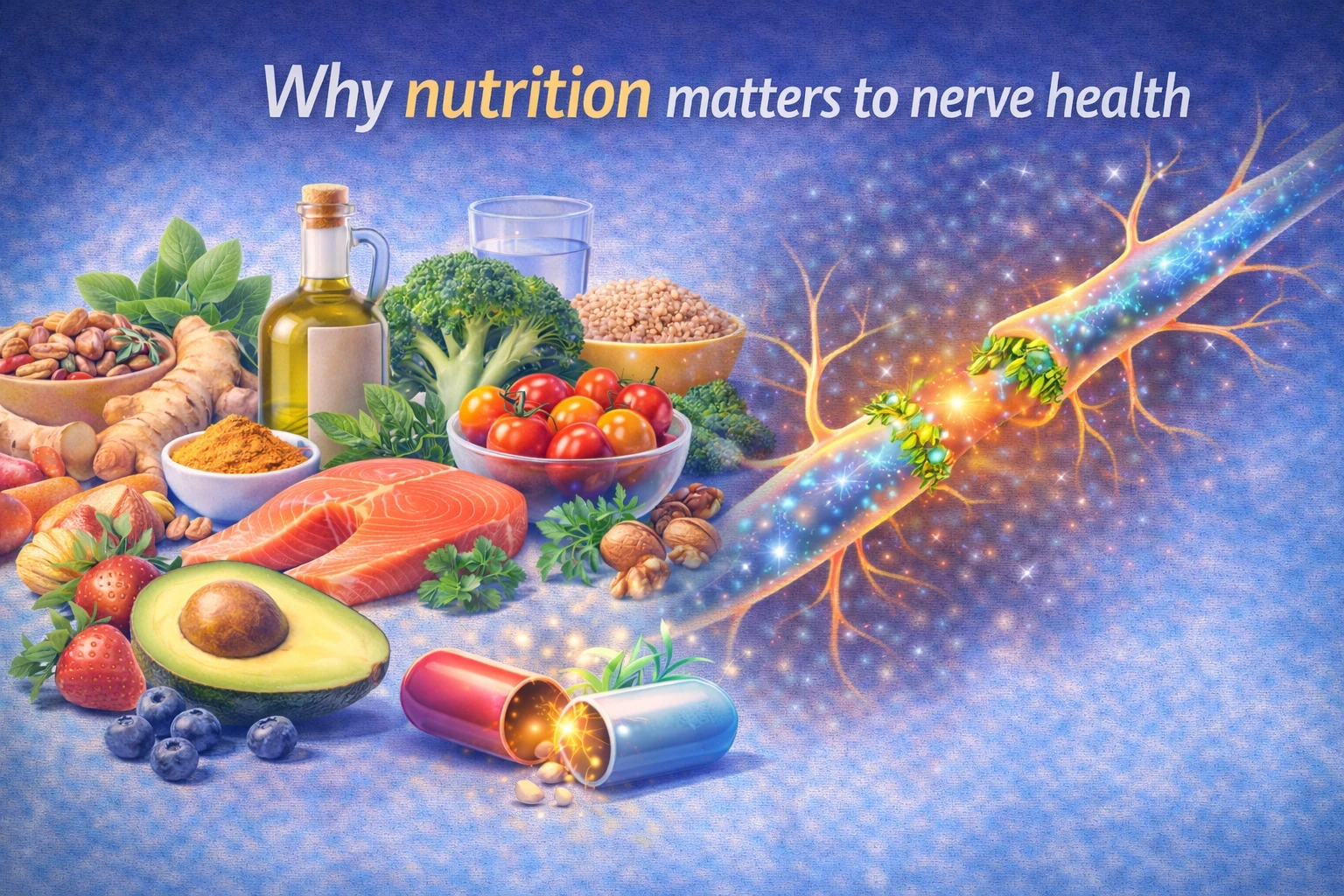
Why Nutrition Matters for Nerve Health
Nerves are highly specialized cells that rely on a steady supply of nutrients to maintain their protective coverings and transmit signals effectively. When nerves are injured or inflamed, the body requires additional nutrients to repair damaged tissues.
Some nutrients support the protective myelin sheath surrounding nerves, while others help regulate the electrical signals that nerves use to communicate.
Understanding how nerve signals travel through the body can help explain why these nutrients are important.
The article on understanding pain mechanisms explores how the nervous system processes signals and why damaged nerves may produce pain.
Because nerve repair is a gradual process, maintaining a diet rich in supportive nutrients may help improve long-term nerve health.
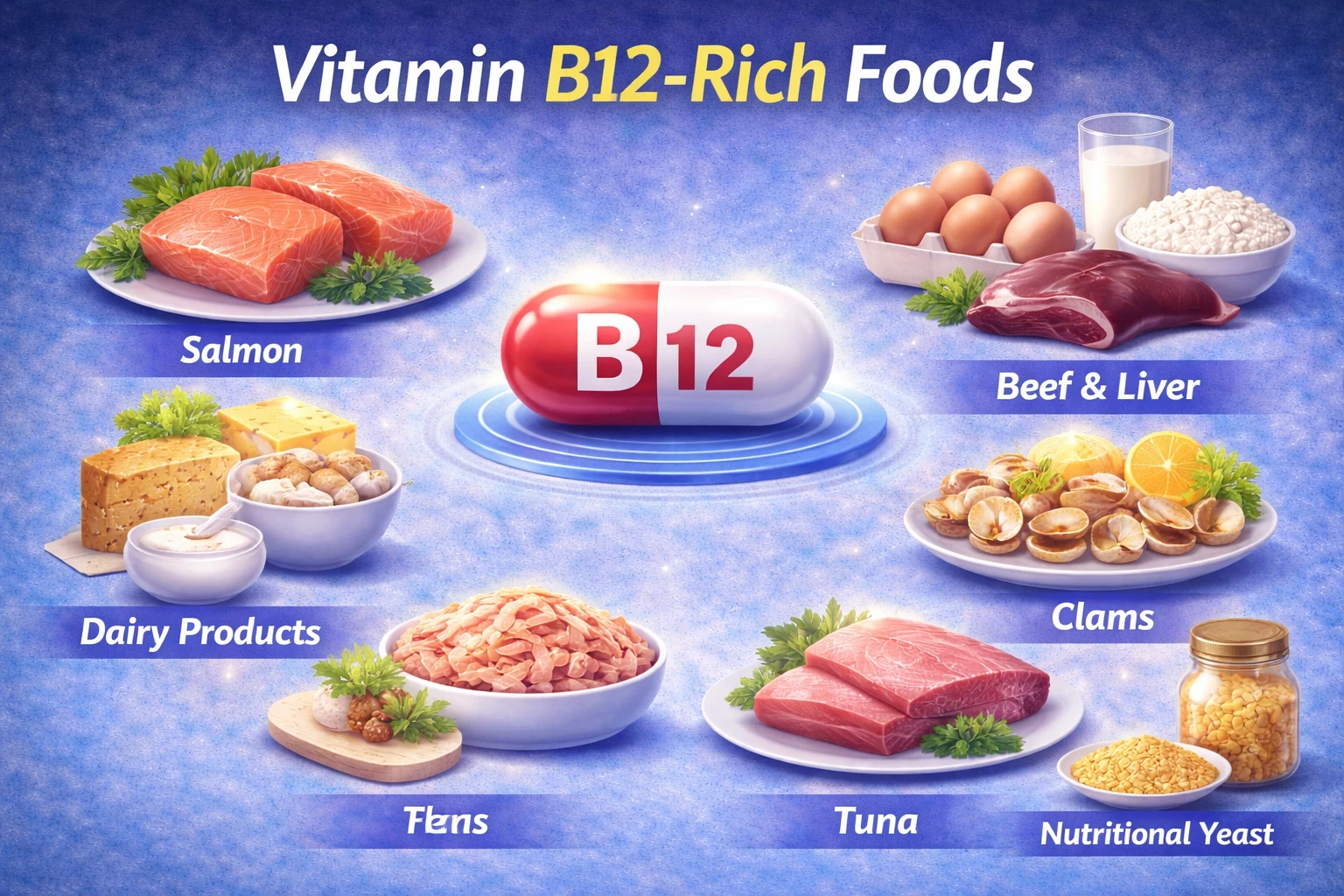
Vitamin B12-Rich Foods
Vitamin B12 plays a crucial role in nerve repair and nerve signal transmission.
This vitamin helps maintain the myelin sheath, which acts as a protective coating around nerve fibers.
Low vitamin B12 levels have been associated with nerve damage and symptoms such as numbness and tingling.
Foods rich in vitamin B12 include:
• fish such as salmon and tuna
• eggs
• dairy products
• fortified cereals
• lean meats
For people following vegetarian or vegan diets, fortified foods or supplements may sometimes be necessary to maintain adequate B12 levels.
HerbsPro are experts in nerve supplements go here.
Omega-3 Fatty Acids
Omega-3 fatty acids support nerve health by helping regulate inflammation within the body.
Chronic inflammation can irritate nerves and worsen nerve pain symptoms.
Omega-3 fats may also support cell membrane health, which is important for nerve signal transmission.
Foods high in omega-3 fatty acids include:
• fatty fish such as salmon and sardines
• flaxseeds
• chia seeds
• walnuts
Regular consumption of omega-3 rich foods may support long-term nervous system health.
Magnesium-Rich Foods
Magnesium helps regulate nerve signaling and muscle function.
When magnesium levels are low, nerve cells may become more sensitive and prone to overstimulation.
Magnesium also plays a role in relaxation of muscles surrounding nerves, which may reduce pressure on irritated nerve pathways.
Foods rich in magnesium include:
• spinach and leafy greens
• almonds and cashews
• pumpkin seeds
• whole grains
• dark chocolate
Including magnesium-rich foods in a balanced diet may support nerve recovery and nervous system stability.
Antioxidant-Rich Foods
Oxidative stress can contribute to nerve damage.
Antioxidants help protect nerve cells from this damage by neutralizing harmful free radicals.
Fruits and vegetables are excellent sources of antioxidants.
Examples include:
• berries
• citrus fruits
• leafy greens
• carrots
• bell peppers
A colorful variety of fruits and vegetables provides a wide range of antioxidants that may support nerve health.
Foods That Reduce Inflammation
Inflammation can place pressure on nerves and increase sensitivity within the nervous system.
Anti-inflammatory foods may help reduce this irritation.
Examples include:
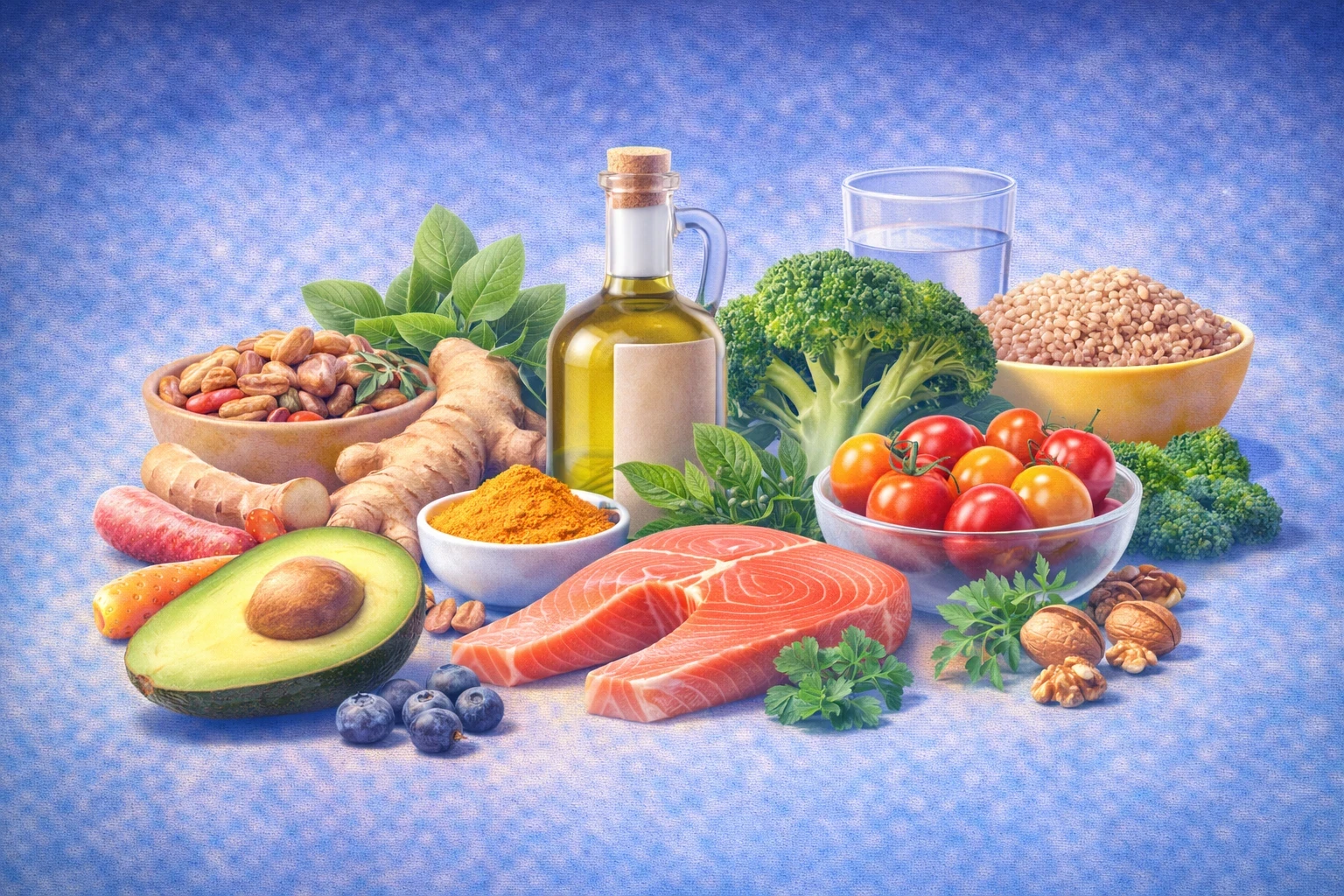
• olive oil
• turmeric
• ginger
• leafy vegetables
• tomatoes
These foods are often included in anti-inflammatory diets designed to support overall health.
Understanding how inflammation influences pain perception is explained in the article on pain education and how pain works in the human body.
Hydration and Nerve Function
Hydration is sometimes overlooked when discussing nerve health.
Water plays an important role in maintaining the body’s electrical balance and supporting healthy nerve signaling.
Dehydration may contribute to muscle cramps and nerve irritation.
Drinking adequate water throughout the day helps maintain proper cellular function.
Combining Diet with Other Strategies
While foods that help nerve repair may support nerve health, nutrition alone is rarely the only solution for nerve pain.
Nerve-related symptoms often involve complex interactions between the nervous system, muscles, joints, and the brain.
Combining a healthy diet with other strategies may provide better outcomes.
These strategies may include:
• gentle movement and exercise
• posture improvements
• stress management
• medical treatment when necessary
Many people find that addressing multiple factors together improves the effectiveness of nerve pain treatment.
When to Seek Medical Advice
Persistent nerve symptoms such as numbness, burning pain, or weakness should be evaluated by a healthcare professional.
These symptoms may indicate conditions such as nerve compression, neuropathy, or other underlying medical issues.
Early diagnosis can help guide appropriate treatment and prevent long-term nerve damage.
A Balanced Perspective
Foods that help nerve repair provide valuable nutrients that support nervous system health. While diet alone cannot always repair damaged nerves, nutrient-rich foods may contribute to improved nerve function and reduced inflammation.
A balanced approach that combines nutrition, movement, medical care, and pain education often produces the most effective long-term outcomes for people experiencing nerve-related symptoms.
Scientific Studies
https://pubmed.ncbi.nlm.nih.gov/20345238/
https://pubmed.ncbi.nlm.nih.gov/24789306/
https://pubmed.ncbi.nlm.nih.gov/30888504/