Herbal Supplements For Chronic Pain Science Based
Herbal Supplements for Chronic Pain
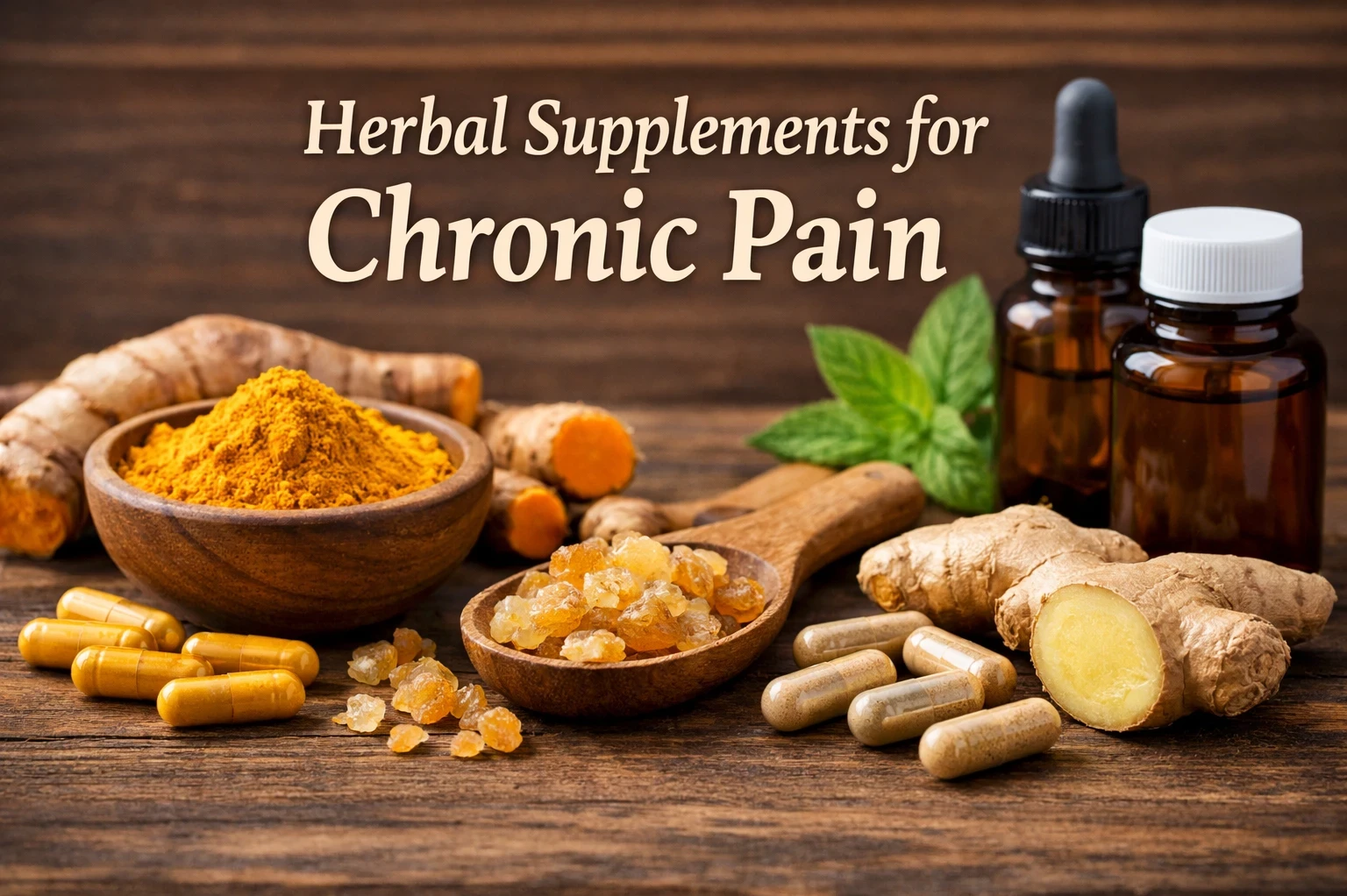
Herbal supplements for chronic pain are increasingly explored by people seeking long-term, natural support for persistent discomfort.
Chronic pain can affect joints, muscles, connective tissues, or nerves, often lasting longer than three months.
While medication and rehabilitation remain essential foundations, many individuals look for complementary options that may help regulate inflammation and pain sensitivity over time.
Importantly, herbal supplements for chronic pain are not designed to mask symptoms instantly.
Instead, they aim to support underlying biological processes that contribute to ongoing discomfort.
The full range of quality assured Herbal Supplements are now available at HerbsPro.
What Are Herbal Supplements?
Herbal supplements are concentrated extracts derived from medicinal plants.
Unlike culinary herbs, these preparations are standardized to contain consistent levels of active compounds.
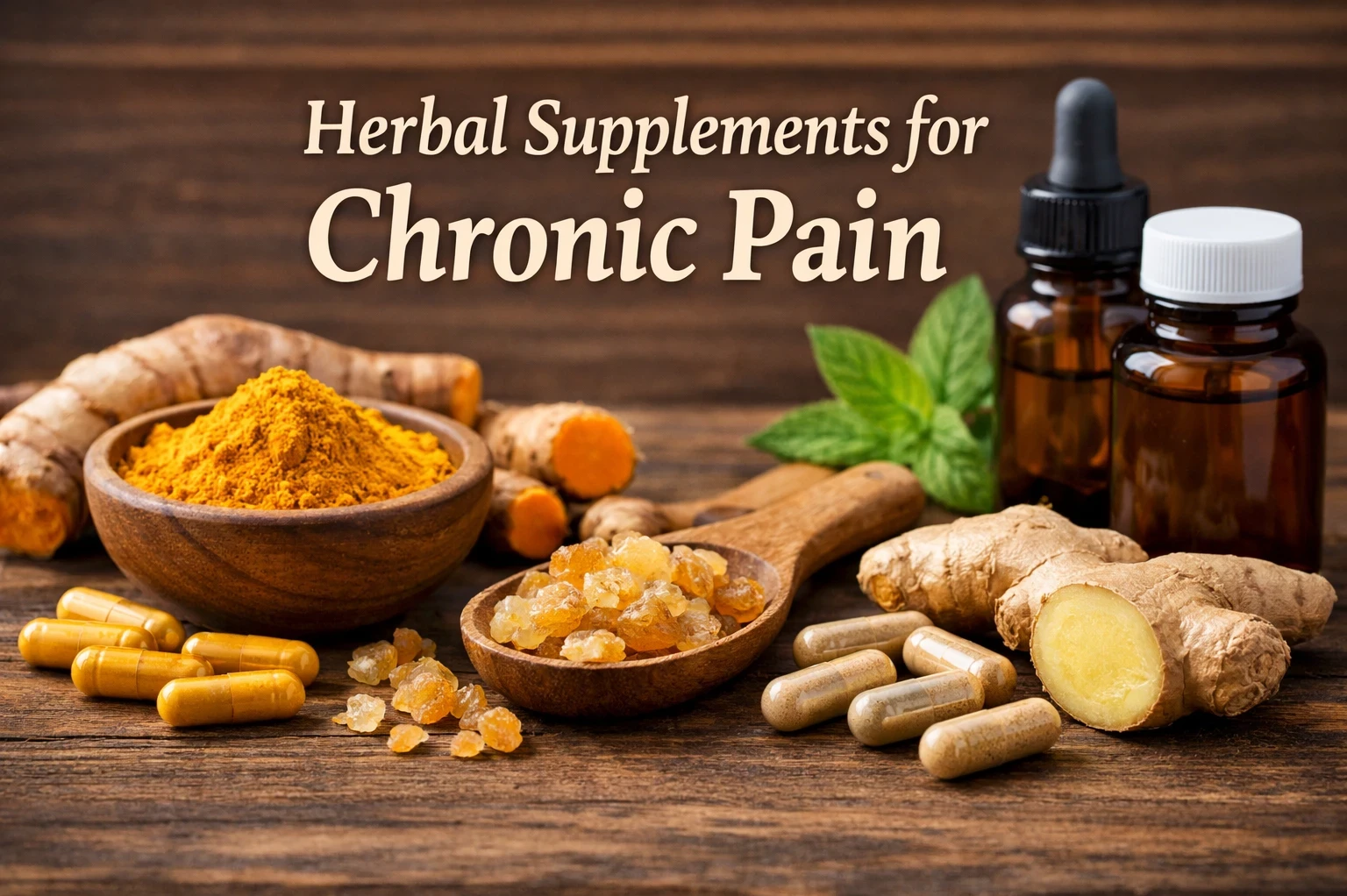
Common options used in herbal supplements for chronic pain include turmeric (curcumin), Boswellia serrata, ginger, devil’s claw, and willow bark.
Each contains bioactive compounds that may influence inflammatory enzymes, oxidative stress, or nervous system signaling.
Because chronic pain is rarely caused by one single factor, multi-target plant compounds can sometimes offer broader support than single-pathway interventions.
How Herbal Supplements for Chronic Pain May Work
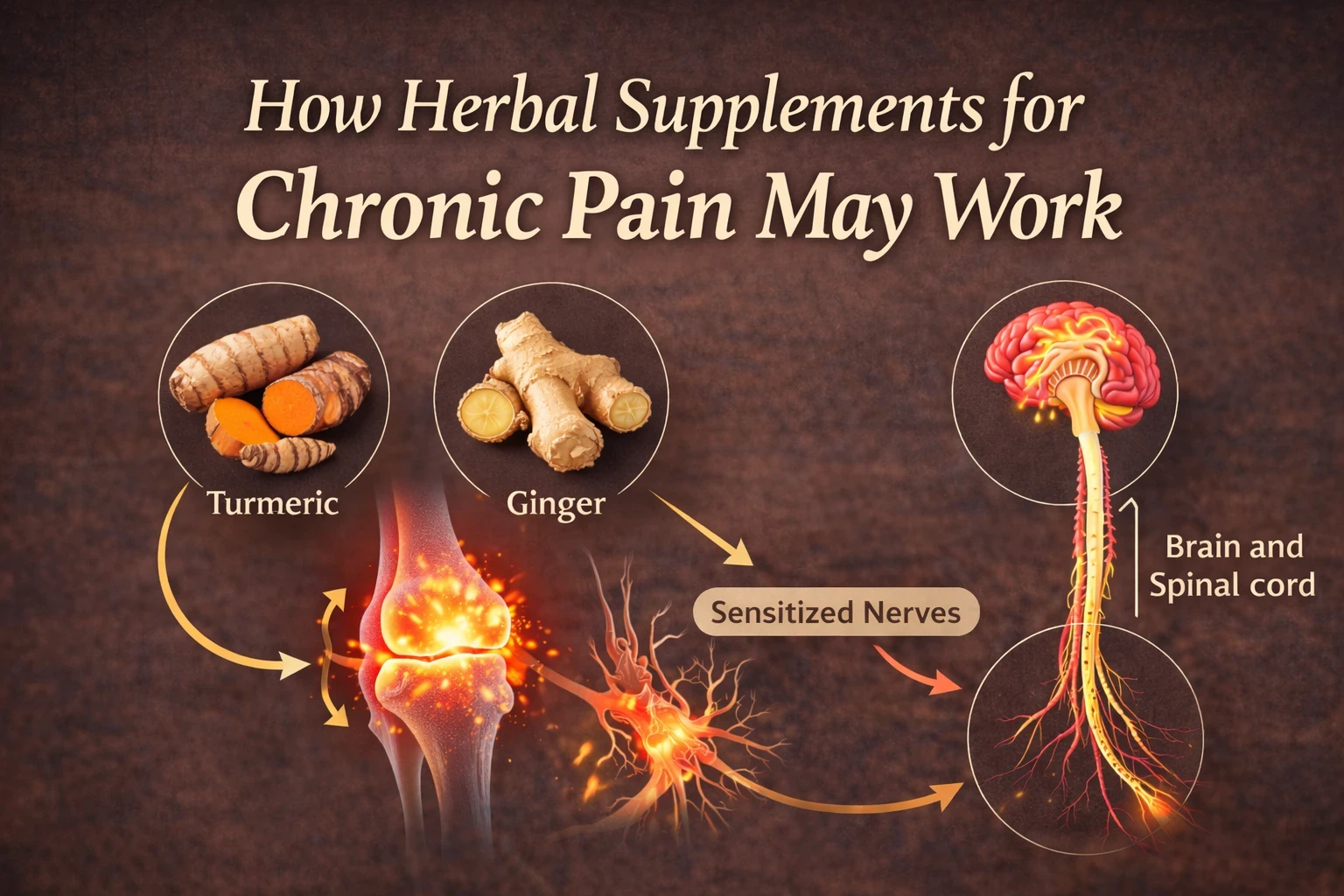
Chronic pain often involves low-grade inflammation and increased nervous system sensitivity.
Therefore, many herbal compounds focus on inflammatory pathways.
Curcumin may influence NF-κB and COX-2 pathways. Boswellia may reduce leukotriene production.
Ginger may affect prostaglandin activity. Willow bark contains salicin, a natural compound related to aspirin.
Rather than acting like fast-acting painkillers, herbal supplements for chronic pain typically work gradually.
However, when combined with strengthening and pacing strategies used for conditions such as chronic joint pain, they may contribute to steady improvement.
Conditions Commonly Supported
People most often consider herbal supplements for chronic pain in relation to:
• Osteoarthritis
• Rheumatoid arthritis (as adjunct support)
• Chronic low back pain
• Tendon discomfort
• Widespread musculoskeletal pain
For example, osteoarthritis involves joint inflammation and cartilage changes. In these cases, turmeric and Boswellia are frequently studied.
Similarly, muscle-related discomfort may benefit from anti-inflammatory and antioxidant support, especially when combined with strategies outlined in muscle soreness recovery tips.
What Research Suggests
Research into herbal supplements for chronic pain continues to grow. While not every study shows dramatic results, several herbs demonstrate modest improvements in pain and function.
Curcumin has shown benefits in osteoarthritis trials, with some participants reporting comparable relief to NSAIDs but fewer digestive side effects.
In addition, Boswellia extracts have demonstrated improvements in knee pain and mobility in short-term studies.
Ginger has also been associated with reductions in inflammatory markers.
That said, formulation matters significantly. Enhanced-absorption curcumin products tend to perform better than plain turmeric powder. Therefore, choosing standardized extracts is essential.
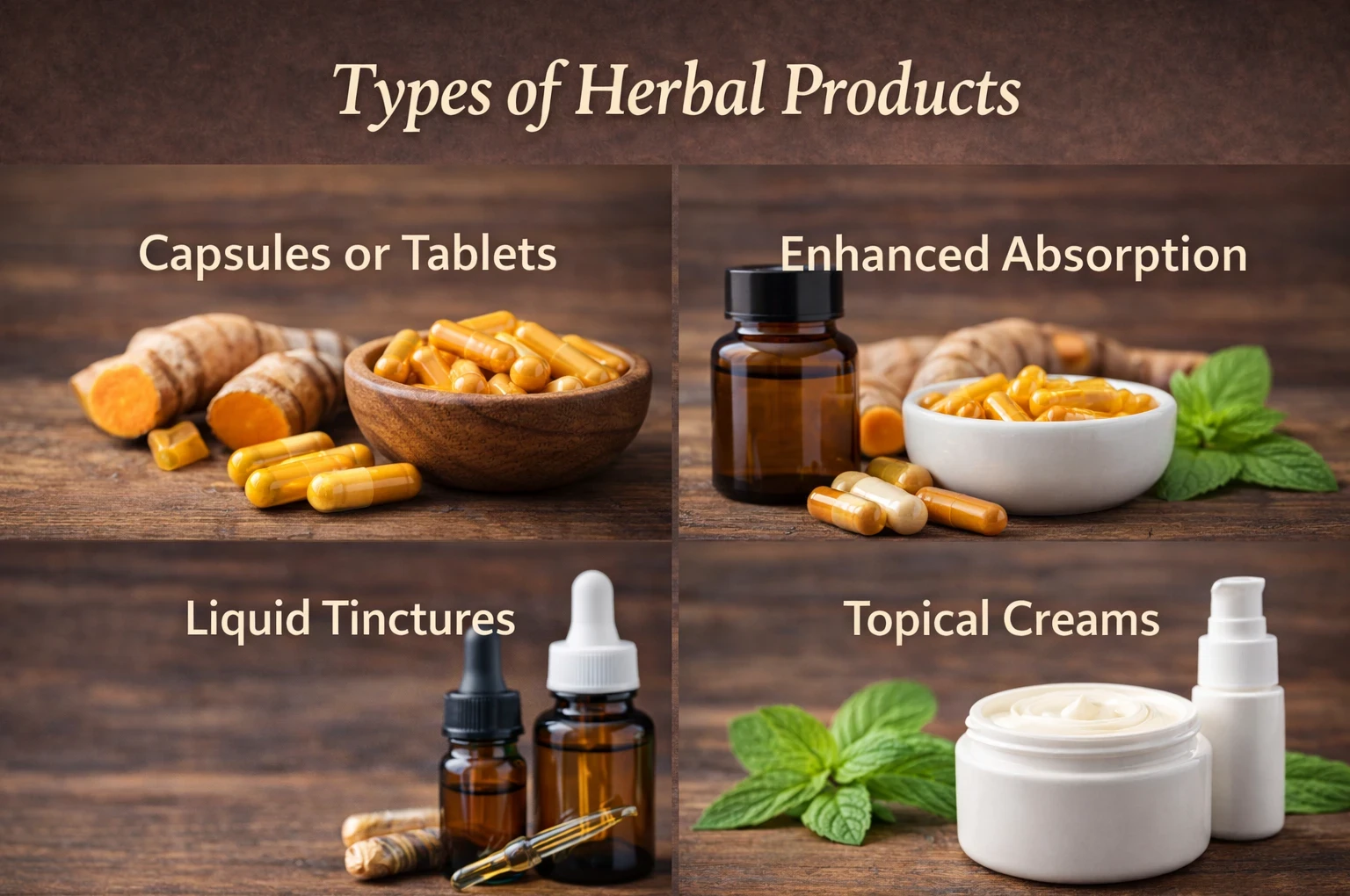
Types of Herbal Products
When selecting herbal supplements for chronic pain, you’ll encounter several forms:
Capsules or tablets – Convenient and standardized
Enhanced bioavailability formulas – Especially important for curcumin
Liquid tinctures – Flexible dosing
Topical creams – Applied directly to affected areas
Consistency is more important than constant switching.
Generally, 4–8 weeks of steady use provides a fair assessment of effectiveness.
Additionally, supplements can complement broader approaches discussed in emerging options such as new joint pain therapies on the market.
Dosing Considerations
Dosing depends on the specific extract and its concentration.
Curcumin often ranges from 500–1,000 mg daily of standardized extract.
Boswellia commonly ranges from 300–500 mg taken two or three times daily.
Ginger supplements often fall between 1–2 grams daily.
Start conservatively and increase gradually. Meanwhile, tracking pain levels and function in a simple journal helps determine whether herbal supplements for chronic pain are making a measurable difference.
If you are taking medications — particularly blood thinners or anti-inflammatory drugs — consult a healthcare professional before starting supplementation.
Secondary Benefits
Beyond direct pain support, some herbal compounds offer additional advantages.
For instance, antioxidant effects may assist recovery. Improved inflammatory regulation may support mobility and energy levels.
Furthermore, integrative strategies similar to those explored in natural remedies for fibromyalgia pain often combine supplements with lifestyle changes for better overall outcomes.
Safety and Quality Control
Although plant-based, herbal supplements are not risk-free.
Possible side effects include digestive upset, allergic reactions, or medication interactions. Therefore, quality control is critical.
Look for:
• Third-party testing
• Clear standardized labeling
• Transparent sourcing
• Realistic health claims
Avoid products promising instant cures.
Limitations and Realistic Expectations
Herbal supplements for chronic pain should be viewed as supportive tools rather than standalone solutions.
Movement therapy, sleep optimization, stress management, and medical evaluation remain foundational.
Responses vary between individuals. Some people notice gradual improvement.
Others experience minimal change. However, stacking small improvements across multiple strategies often produces more sustainable results.
A Balanced Perspective
If you’re considering herbal supplements for chronic pain, approach them methodically.
Choose evidence-supported options, monitor progress, and integrate them into a broader plan.
Chronic pain management is rarely about a single breakthrough.
Instead, steady, layered progress tends to deliver the most reliable long-term benefit.
Scientific Study Links
https://pubmed.ncbi.nlm.nih.gov/27703331/
https://pubmed.ncbi.nlm.nih.gov/25934895/
https://pubmed.ncbi.nlm.nih.gov/20418184/