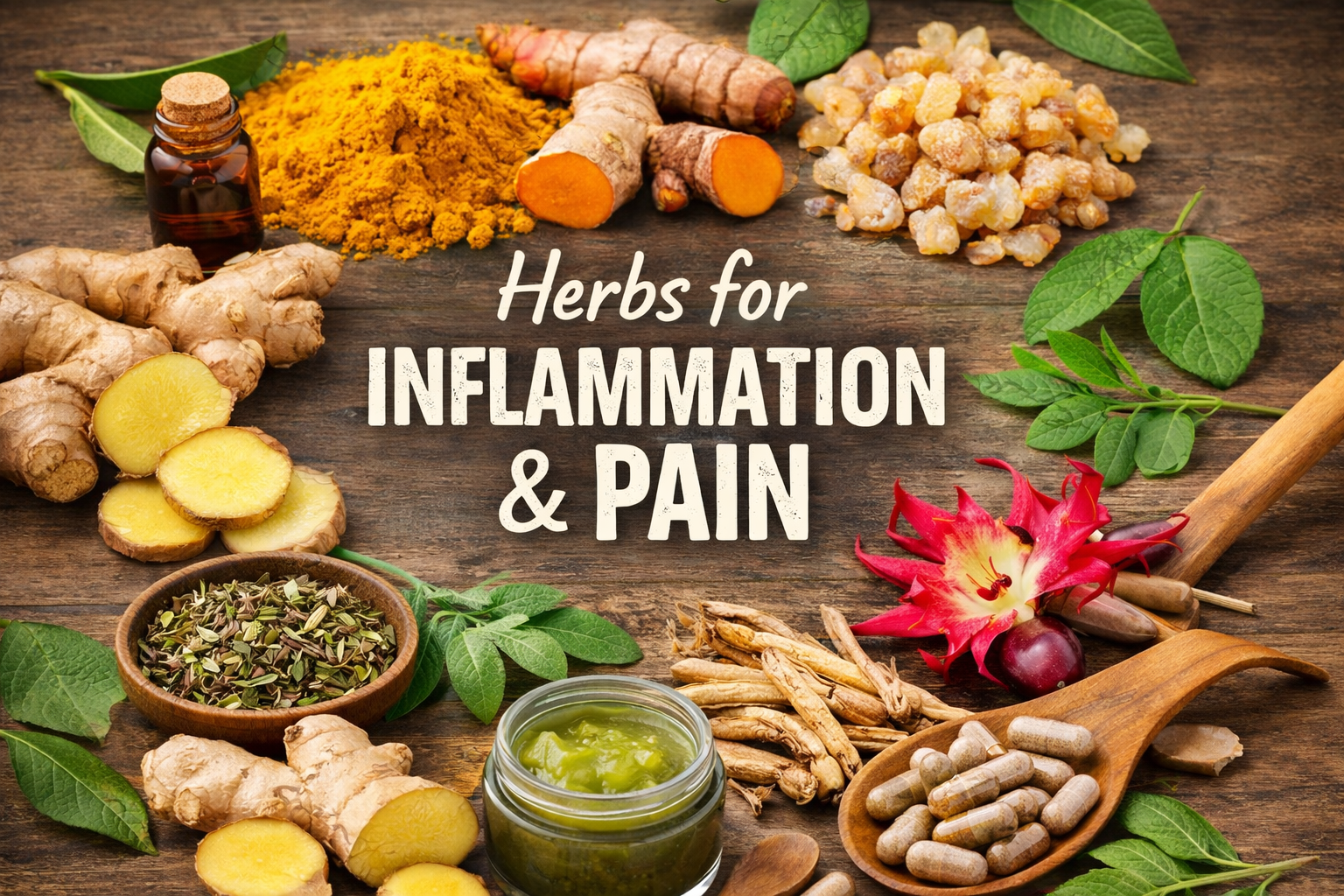
Herbs For Inflammation And Pain: Better For Long Term Management
Herbs for Inflammation and Pain better for long term relief
Herbs for inflammation and pain are becoming a trusted option for people looking to ease discomfort naturally while supporting long-term healing.
Instead of masking symptoms, these plant-based remedies work with the body to calm inflammation and improve overall function.
When inflammation lingers, it can lead to joint stiffness, muscle soreness, and ongoing discomfort. This is where herbs can offer steady, supportive relief when used consistently and correctly.
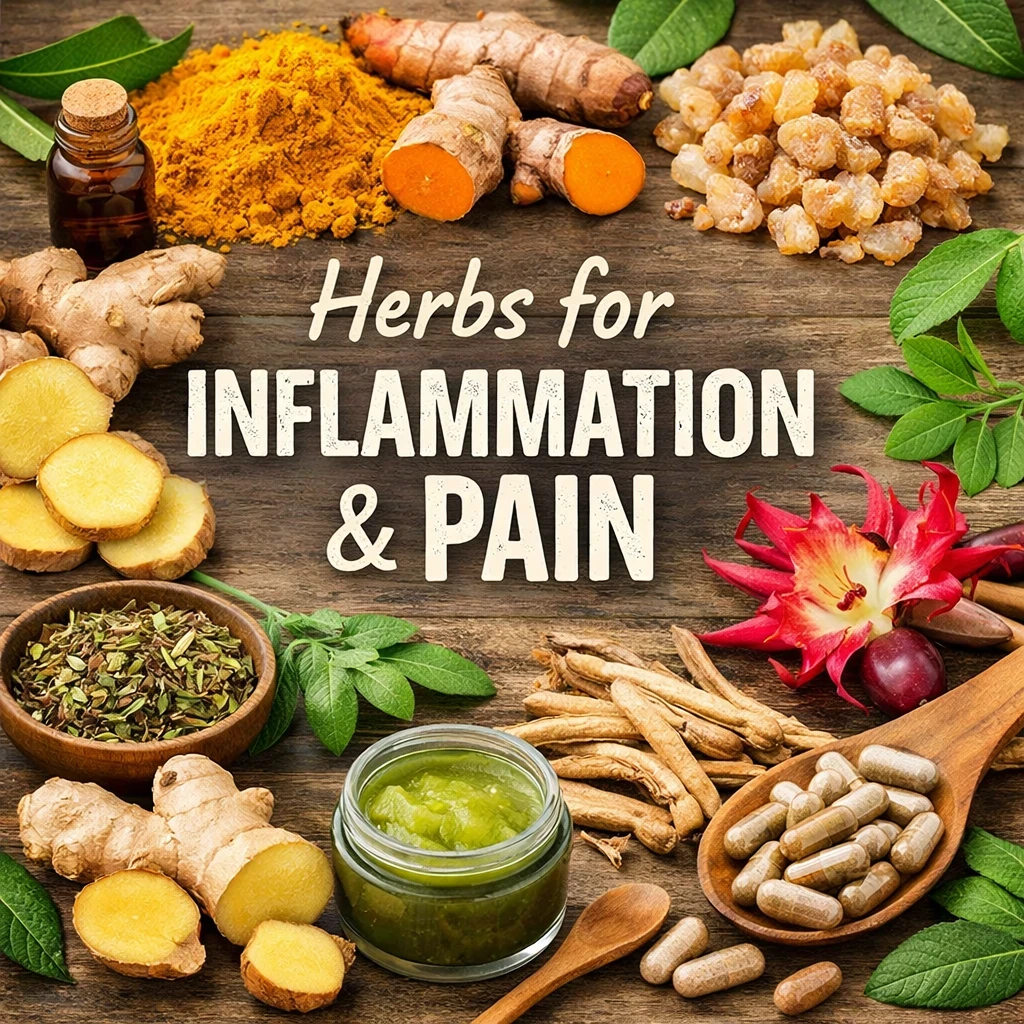
What Are Herbs for Inflammation and Pain?
Herbs for inflammation and pain are natural plant extracts known to help regulate the body’s inflammatory response. Many contain active compounds that influence the same biological pathways as conventional treatments, but in a more gradual and balanced way.
Rather than acting as a quick fix, these herbs support the body over time. This makes them especially useful for chronic conditions where inflammation plays a key role.
How Herbs for Inflammation and Pain Work in the Body
Most herbs for inflammation and pain help reduce the production of inflammatory chemicals such as prostaglandins and cytokines. These compounds are involved in the body’s pain response.
They may also:
- Lower oxidative stress in tissues
- Improve blood flow and healing
- Calm overactive immune responses
- Reduce muscle tension and stiffness
This is why herbs are often used daily rather than occasionally, allowing their effects to build gradually.
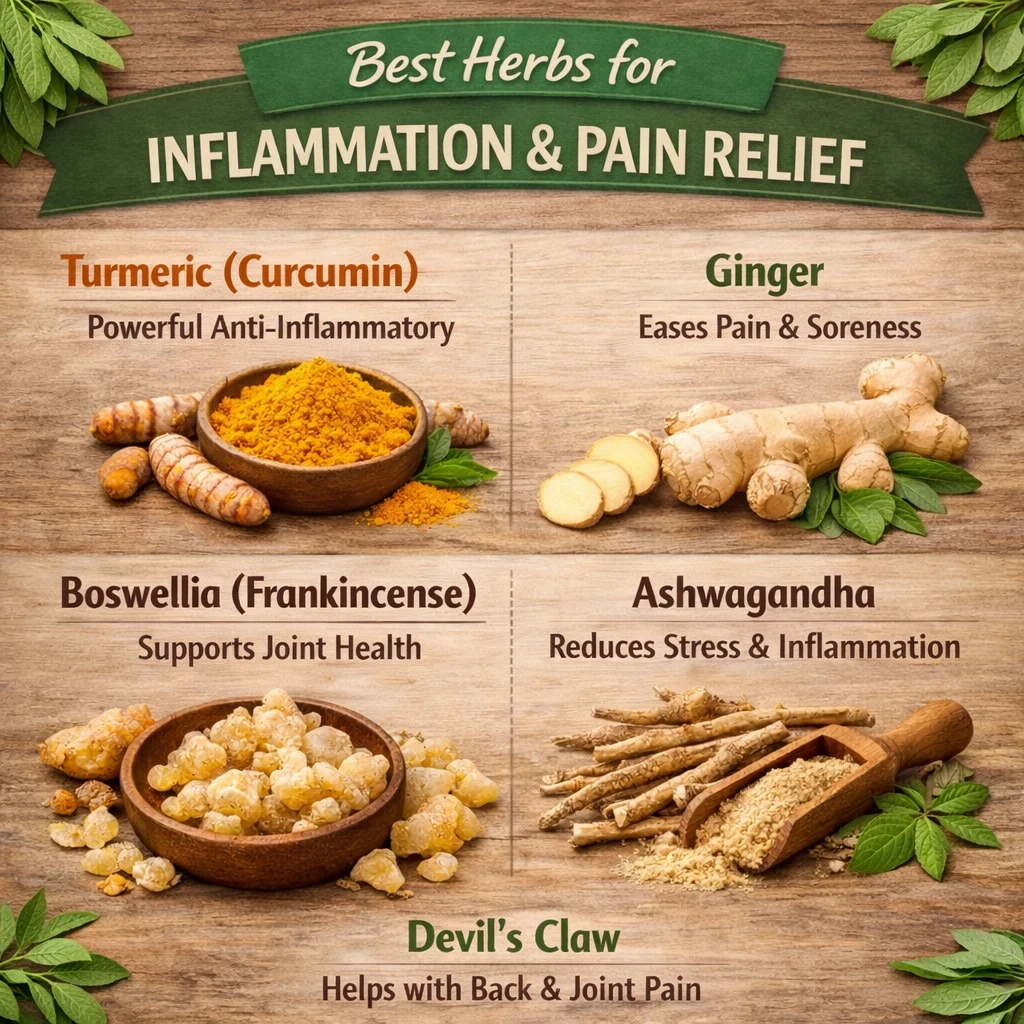
Best Herbs for Inflammation and Pain Relief
Several well-known herbs for inflammation and pain have been studied for their effectiveness and safety.
Turmeric (Curcumin)
Turmeric is one of the most widely researched natural options. Its active compound, curcumin, has strong anti-inflammatory properties and may help reduce joint stiffness over time.
Ginger
Ginger supports the body by reducing inflammation pathways linked to pain. It is often used for muscle soreness and general discomfort.
Boswellia (Frankincense)
Boswellia is particularly helpful for joint-related inflammation. It has been used traditionally to support mobility and reduce swelling.
Ashwagandha
This adaptogenic herb helps the body manage stress while also supporting inflammation control. Since stress can increase pain sensitivity, it offers a dual benefit.
Devil’s Claw
Devil’s claw is commonly used for back pain and joint issues. It may help improve movement and reduce discomfort when taken consistently.
Shop Quality Assured Natural Herbs for Inflammation and Pain Here.
Common Conditions These Herbs May Support
Herbs for inflammation and pain are often used to support a range of conditions, including:
- Joint pain and stiffness
- Muscle soreness after activity
- Back and neck discomfort
- Nerve sensitivity
- Chronic inflammatory conditions
If you want a deeper understanding of how pain becomes persistent, read what is chronic pain – a clear human explanation.

Types of Herbal Products Available
There are several ways to use herbs for inflammation and pain depending on your lifestyle and preferences.
- Capsules and tablets for convenience
- Herbal teas for gentle absorption
- Topical oils and balms for direct application
- Powders added to food or drinks
Topical options can work well alongside other approaches such as infrared therapy benefits – what it is how it works.
How to Use Herbs for Inflammation and Pain Safely
Using herbs for inflammation and pain effectively comes down to consistency and quality.
- Start with recommended dosages
- Allow time for results to develop
- Combine internal and topical use when needed
- Choose high-quality, tested products
Combining herbal support with movement strategies can also improve outcomes. You can explore this further in movement, load, and pain sensitivity.

Secondary Benefits Beyond Pain Relief
Many herbs used for inflammation also provide additional health benefits.
- Improved sleep quality
- Reduced stress levels
- Better digestion
- Enhanced overall resilience
This broader support is part of what makes herbal approaches appealing for long-term wellness.
Shop Quality Assured Natural Herbs for Inflammation and Pain Here
Are Herbs for Inflammation and Pain Effective?
There is growing scientific support for herbal products for inflammation and pain, particularly turmeric, ginger, and boswellia. While they may not replace medical treatments in severe cases, they can play an important role in reducing reliance on medication and supporting recovery.
Consistency is key. Results tend to build gradually rather than appearing instantly.
Safety and Quality Considerations
Not all herbal products offer the same level of effectiveness.
- Look for standardized extracts
- Avoid unnecessary fillers
- Choose products with third-party testing
- Check for interactions with medications
Higher quality products often deliver better and more reliable results.
Limitations to Be Aware Of
Even the best natural options have limitations.
- Results vary between individuals
- Effects may take time to appear
- Not all types of pain respond equally
A combined approach is often the most effective strategy for long-term relief.
A Balanced Perspective on Natural Pain Relief
Herbal products for inflammation and pain can be a valuable part of a broader recovery plan. When combined with movement, stress management, and good sleep habits, they help support the body rather than simply masking symptoms.
Used consistently, they offer a practical and natural way to improve comfort and overall quality of life.
FAQ: Herbs for Inflammation and Pain
How long do herbs take to work?
Most herbs take a few weeks of consistent use before noticeable effects appear. They work gradually rather than instantly.
Can I take multiple herbs together?
Yes, many herbal formulas combine ingredients safely. However, it’s best to follow guidance on dosages and combinations.
Are herbs safe for long-term use?
Many herbs are safe when used correctly, but quality and dosage matter. Always check if you are taking other medications.
Do herbs replace pain medication?
They can support pain management but are not always a replacement for medical treatment, especially in more severe cases.
Scientific References
https://pubmed.ncbi.nlm.nih.gov/19594223/
https://pubmed.ncbi.nlm.nih.gov/20418184/