How To Use Magnesium For Sleep Follow These Easy Steps
How to Use Magnesium for Sleep (A Clear, Practical Guide)
Struggling to switch off at night? Learning how to use magnesium for sleep could be one of the simplest ways to support deeper, more restful sleep naturally.
Magnesium plays a key role in calming the nervous system, supporting muscle relaxation, and helping your body transition into sleep mode.
If sleep disruption is linked to discomfort, you may also find value in why pain gets worse at night and what you can do:
https://beyond-pain-relief.com/why-pain-gets-worse-at-night-what-you-can-do/
In this guide, you’ll learn what works, which types to choose, and how can work effectively for better sleep.
What Is Magnesium and Why It Matters for Sleep
Magnesium is an essential mineral involved in over 300 biochemical reactions in the body. It supports nerve function, muscle relaxation, and stress regulation.
When it comes to rest, magnesium helps regulate the nervous system and supports the production of GABA, a neurotransmitter that promotes calmness before sleep.
Low levels may contribute to restlessness, tension, and difficulty switching off at night.
To understand this more deeply, see magnesium for restful sleep:
https://beyond-pain-relief.com/magnesium-for-restful-sleep-calm-the-senses-sleep-well/
How to Use for Sleep Effectively
Understanding how to approach magnesium supplementation comes down to consistency, timing, and choosing the right form.
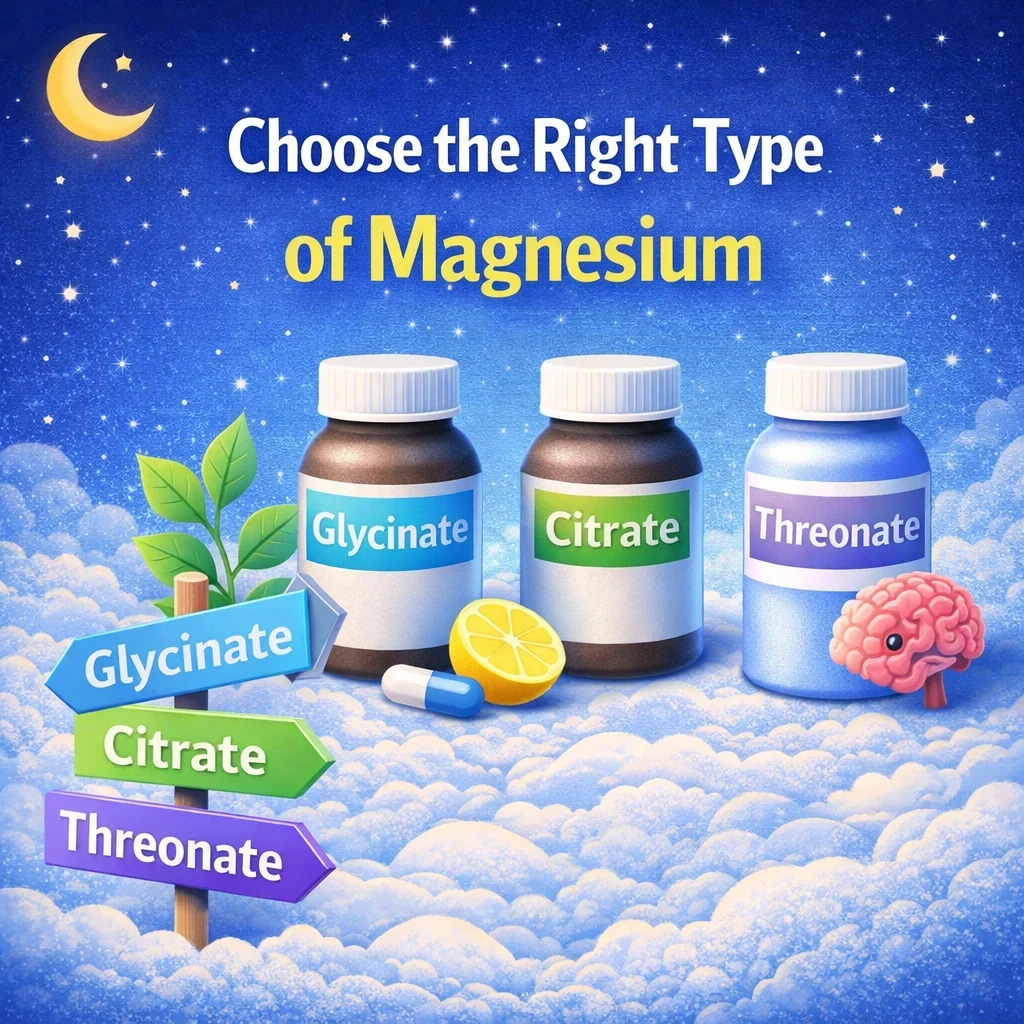
Choose the Right Type of Magnesium
Not all magnesium supplements are equal. Some are more suitable for evening use:
- Magnesium glycinate – calming and highly absorbable
- Magnesium citrate – widely used but may affect digestion
- Magnesium threonate – supports brain relaxation
For a deeper breakdown, explore how to choose magnesium supplements:
https://beyond-pain-relief.com/how-to-choose-magnesium-supplements/
Take It at the Right Time
- Take magnesium 30–60 minutes before bed
- Pair it with a calming routine
- Avoid screens and caffeine late in the evening
Start With the Right Dosage
- 200–400 mg per day is a common starting range
Start low and stay consistent rather than increasing too quickly.
Combine With Sleep-Friendly Habits
- Consistent sleep schedule
- Relaxing wind-down routine
- Reduced caffeine intake
For more insight, see benefits of magnesium what you need to know:
https://beyond-pain-relief.com/benefits-of-magnesium-what-you-need-to-know/
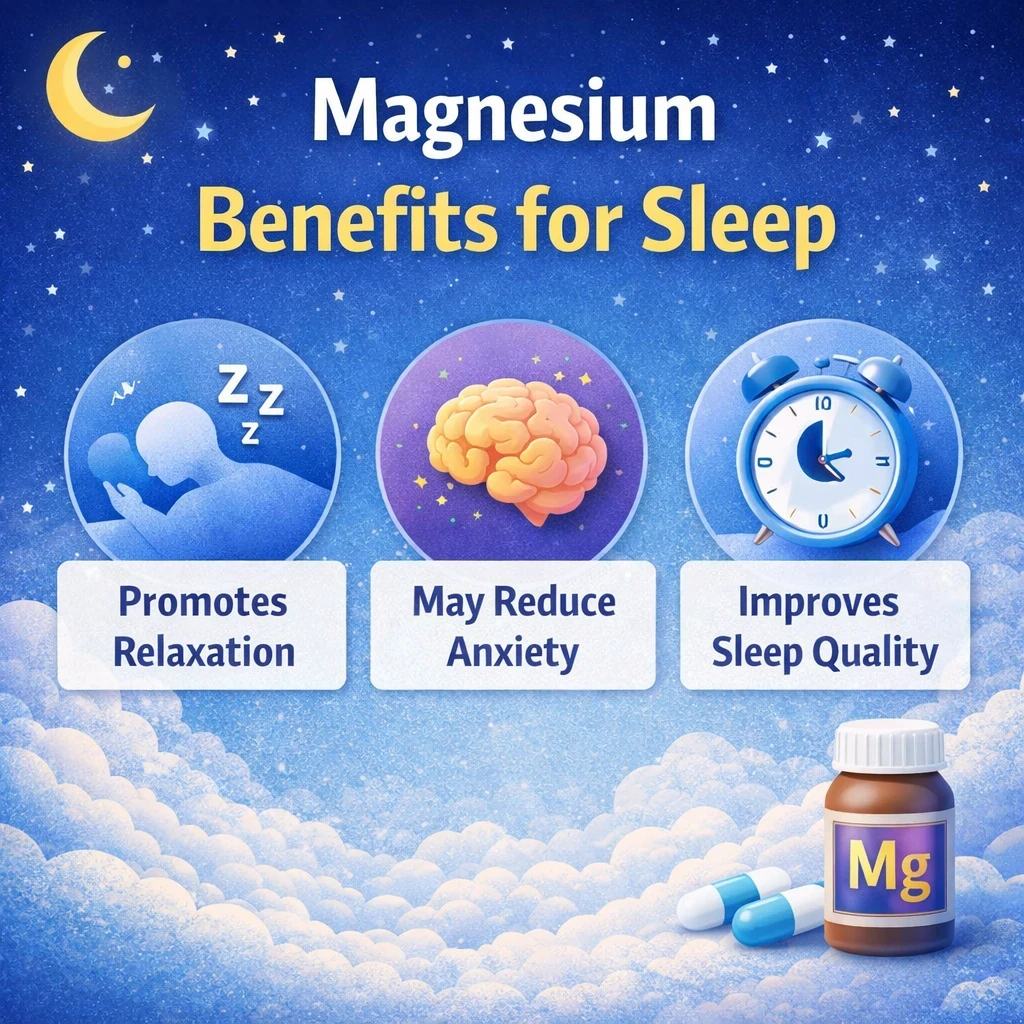
How Magnesium Supports Sleep in the Body
Magnesium may help:
- Relax muscles and ease tension
- Calm the nervous system
- Support melatonin balance
- Reduce restlessness
If tension is part of your sleep challenges, understanding the brain and pain how the brain processes pain and influences recovery can help:
https://beyond-pain-relief.com/the-brain-and-pain-how-the-brain-processes-pain-and-influences-recovery/
Magnesium Types Compared for Sleep
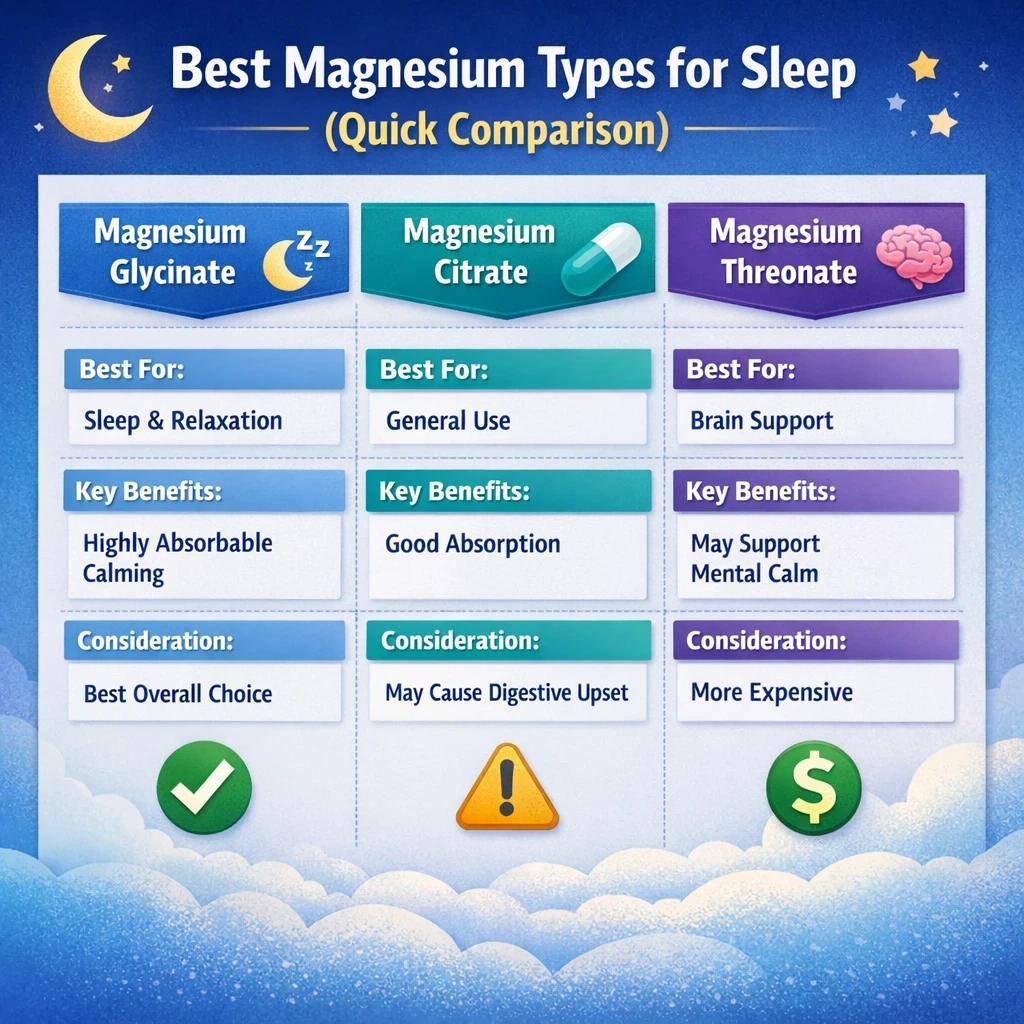
Best Magnesium Types for Sleep (Quick Comparison)
Magnesium Type | Best For | Key Benefits | Considerations
Magnesium Glycinate | Sleep & relaxation | Highly absorbable, calming | Best overall choice
Magnesium Citrate | General use | Good absorption | May cause digestive upset
Magnesium Threonate | Brain support | May support mental calm | More expensive
Quick Answer
Magnesium glycinate is often the best choice for sleep due to its calming effect and good absorption. Other forms may be useful depending on your needs.
Best Magnesium Supplements for Sleep
Quick Comparison
Supplement | Best For | Key Benefit | Shop
Magnesium Glycinate Formula | Deep sleep | Calming and absorbable | 👉 https://tidd.ly/3OtZkor
Magnesium Sleep Blend | Full support | Combined ingredients | 👉 https://tidd.ly/3OtZkor
Magnesium Powder Drink | Night routine | Easy and soothing | 👉 https://tidd.ly/3OtZkor
Editor’s Pick
👉 Magnesium Glycinate Formula — Shop Here:
https://tidd.ly/3OtZkor
Magnesium vs Melatonin
- Magnesium supports relaxation
- Melatonin signals sleep timing
Magnesium is generally better for long-term support.
Conditions That May Benefit
- Stress or anxiety
- Muscle tension
- Restless legs
- Night discomfort
Types of Magnesium Products
Capsules or Tablets
Powder drinks
Topical sprays
Secondary Benefits
- Muscle recovery
- Mood balance
- Reduced inflammation
Safety and Considerations
- High doses may cause digestive upset
- May interact with medications
- Stay within recommended intake
Limitations
Results vary. Some notice improvements quickly, others need consistent use.
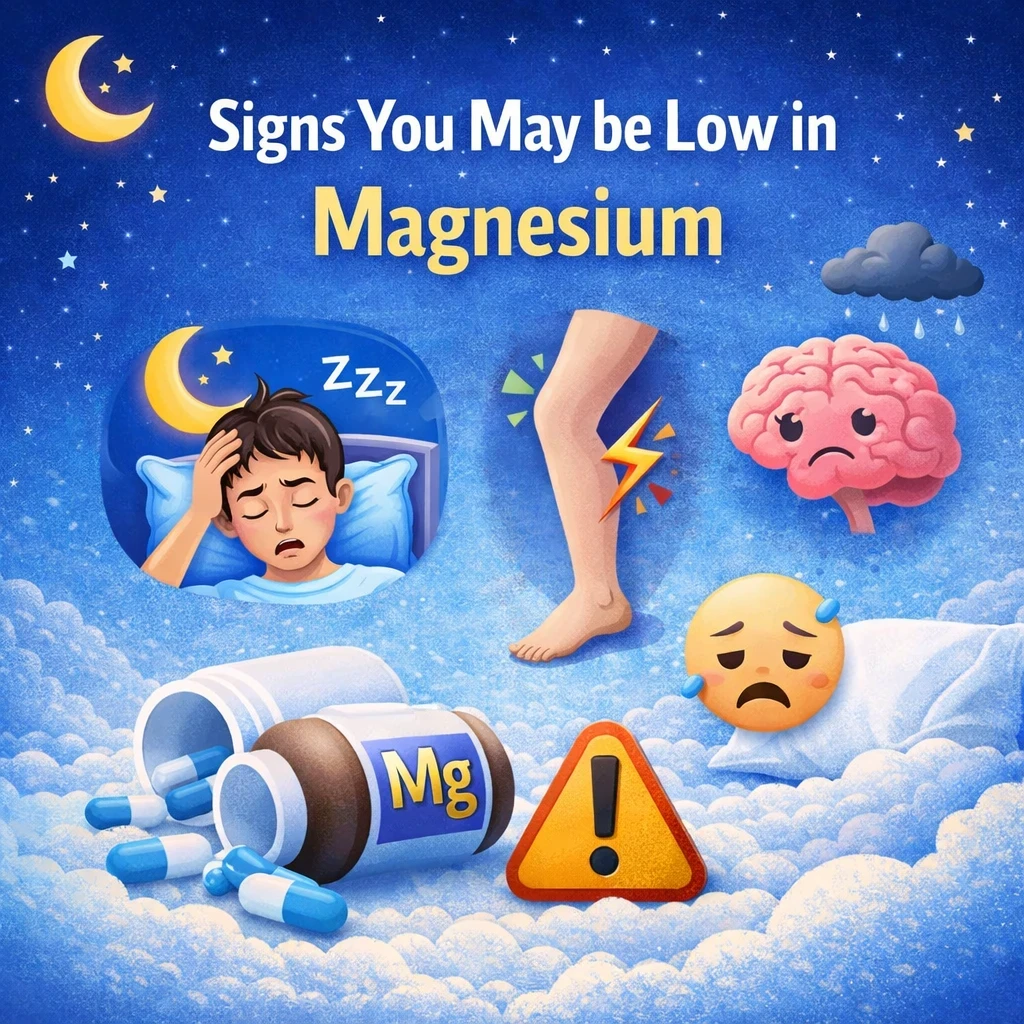
Signs You May Be Low in Magnesium
Common Signs
- Poor sleep
- Muscle cramps
- Restlessness
- Fatigue
- Headaches
Who Is More Likely to Be Low
- High stress
- High caffeine intake
- Processed diets
What to Do Next
- Start with a moderate dose
- Choose a well-absorbed form
- Stay consistent
Magnesium-Rich Foods for Better Sleep
- Leafy greens
- Nuts and seeds
- Dark chocolate
- Whole grains
- Bananas
You can also explore natural remedies for joint pain:
https://beyond-pain-relief.com/natural-remedies-for-joint-pain/
FAQ
What is the best type of magnesium for sleep?
Magnesium glycinate is commonly used due to its calming effect.
When should I take magnesium?
30–60 minutes before bed.
How much should I take?
200–400 mg is typical.
Is it safe to take nightly?
Yes, within recommended limits.
Scientific Research Links
https://pubmed.ncbi.nlm.nih.gov/23853635/
https://pubmed.ncbi.nlm.nih.gov/28471760/