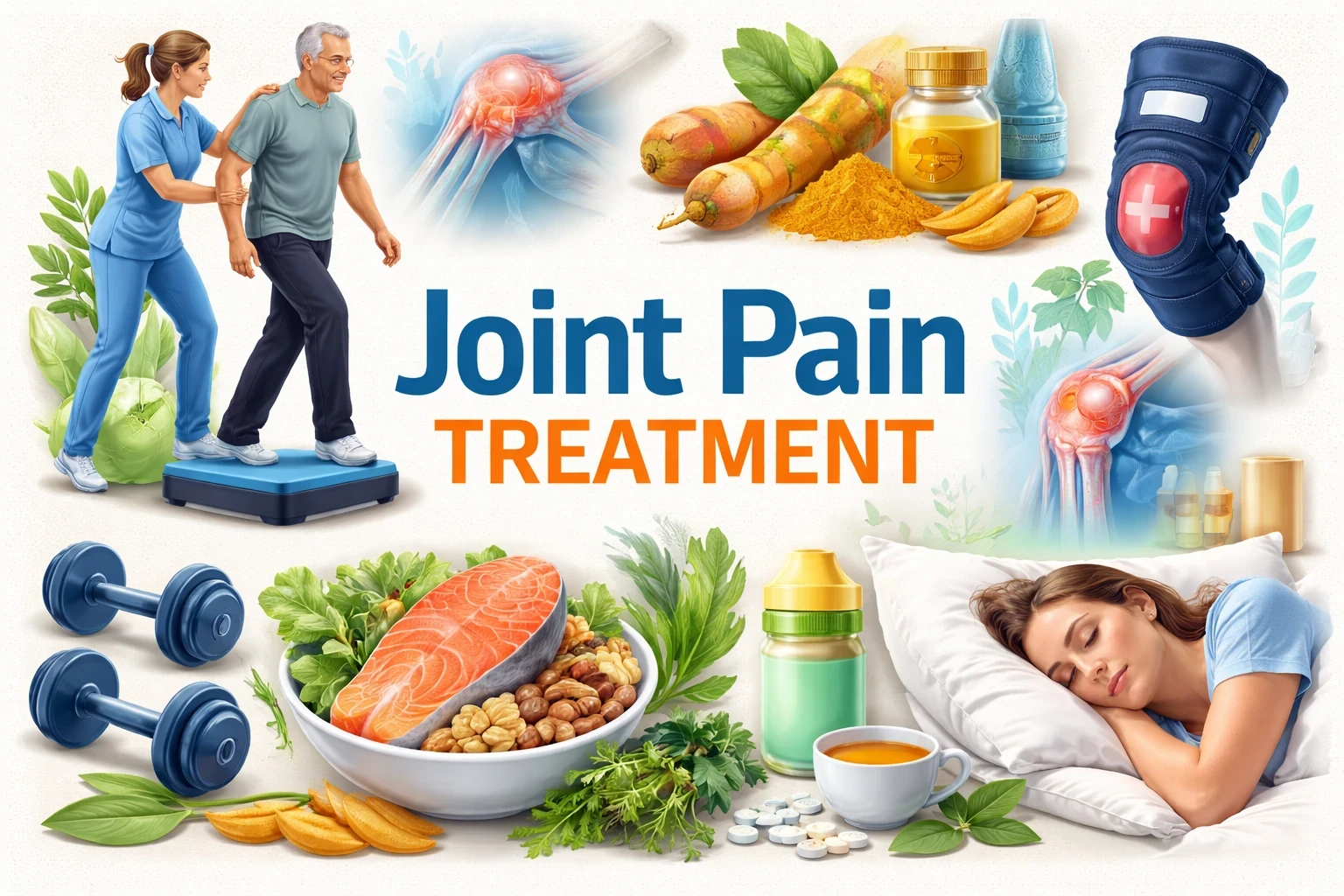
Joint Pain Treatment
Joint pain treatment is one of the most searched health concerns today.
Whether it affects your knees, hips, shoulders, or hands, persistent joint discomfort can slowly limit movement, disturb sleep, and reduce confidence in daily activities.
The good news is that effective joint pain treatment rarely depends on just one solution.
A layered, balanced strategy often produces the best long-term results. Instead of focusing only on the joint itself, it helps to understand the broader system influencing pain.
Understanding What Drives Joint Pain
Joint pain can develop for several reasons:
• Mechanical overload from doing too much too quickly
• Muscle weakness or imbalance around the joint
• Old injuries that altered movement patterns
• Inflammatory conditions
• Increased nervous system sensitivity
Pain does not always equal damage.
Sometimes joints become more sensitive rather than structurally worse.
If you haven’t already, it’s worth revisiting how pain works in the first place.
Our guide on https://beyond-pain-relief.com/what-is-chronic-pain-a-clear-human-explanation/ explains how sensitivity and perception influence discomfort. When you understand that, joint pain treatment becomes calmer and more strategic.
Step 1: Adjust Load — Don’t Eliminate It
One of the most effective forms of joint pain treatment is intelligent load management.
That does not mean complete rest. In fact, prolonged rest often increases stiffness and weakness.
Instead, consider:
• Reducing high-impact movements temporarily
• Avoiding ranges that trigger sharp pain
• Breaking workouts into shorter sessions
• Slowing down repetitions for better control
You can read more about how movement affects pain sensitivity here: https://beyond-pain-relief.com/movement-load-and-pain-sensitivity/ Often, minor adjustments calm irritated tissue faster than aggressive rest or pushing through discomfort.
Step 2: Strengthen the Muscles That Protect the Joint
Muscle is protection. When surrounding muscles are weak, the joint absorbs more force than it should.
A smart joint pain treatment plan includes progressive strength work such as:
• Isometric holds during flare-ups
• Controlled resistance training
• Stability exercises
• Gradual range-of-motion expansion
Even two or three sessions per week can improve resilience and reduce flare frequency.
For example, if knee discomfort is your main issue, understanding the mechanics behind irritation can help.
This article explains common patterns clearly: https://beyond-pain-relief.com/knee-bursitis-causes-and-symptoms-knee-bursitis-causes-and-symptoms/
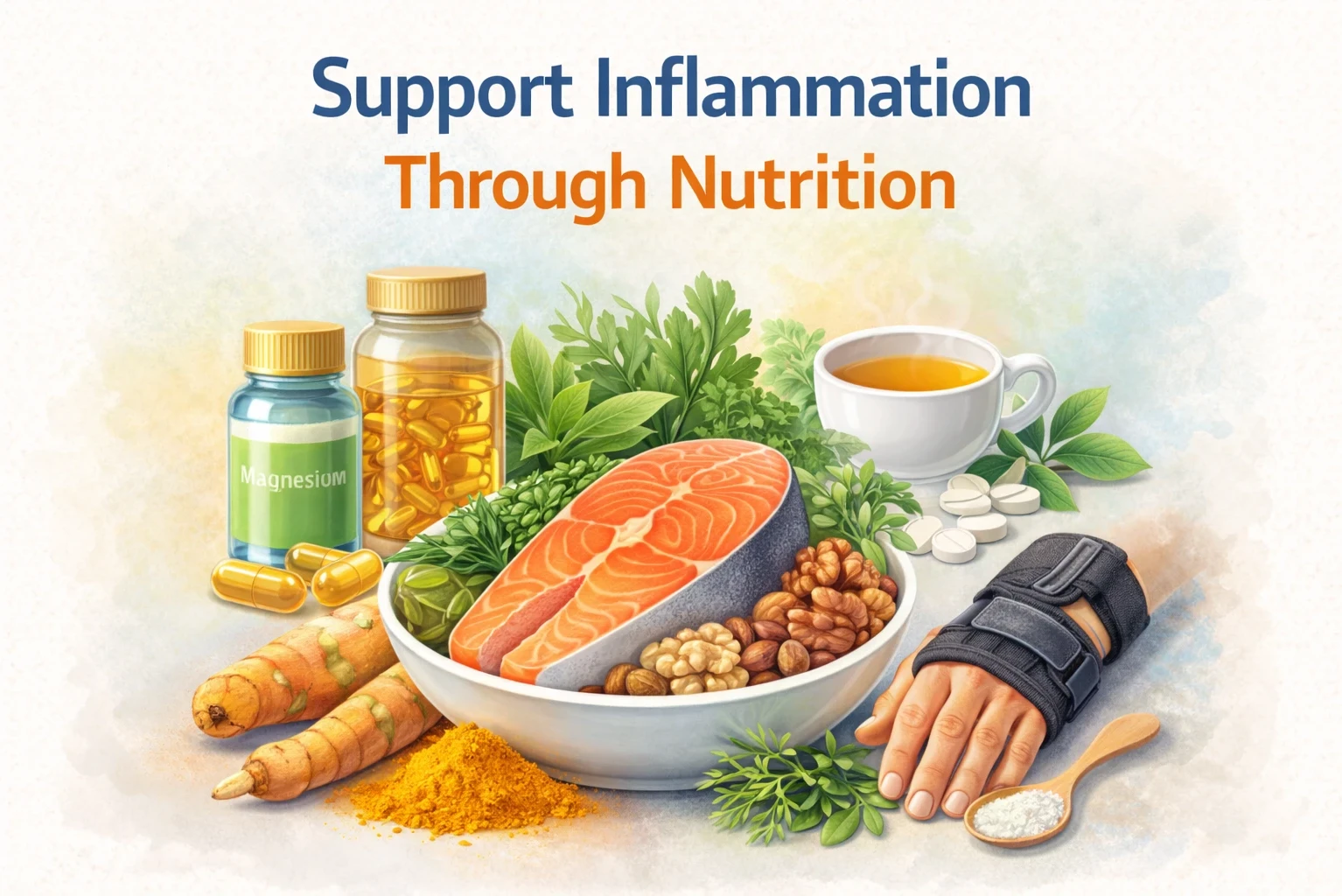
Step 3: Support Inflammation Through Nutrition
Joint pain treatment should also consider inflammatory balance.
Helpful nutritional strategies include:
• Omega-3 fatty acids from fish or supplements
• Curcumin (turmeric extract) • Magnesium
• Adequate protein intake
• Reducing highly processed foods
These approaches support the body’s regulatory systems rather than blunt inflammation abruptly.
They work best alongside movement and strength training — not in isolation.
Go to Universal Herbs for great value anti-inflammatory products here.
Scientific evidence supports omega-3 intake for inflammatory joint conditions: https://pubmed.ncbi.nlm.nih.gov/12480795/
Step 4: Improve Sleep to Reduce Sensitivity
Sleep quality directly affects pain tolerance.
Poor sleep increases inflammatory markers and amplifies nervous system sensitivity.
Part of any sustainable joint pain treatment plan should include:
• Consistent sleep and wake times
• Reducing evening screen exposure
• Keeping the bedroom cool and dark
• Avoiding late caffeine
Improving sleep alone can reduce morning stiffness and improve recovery between training sessions.
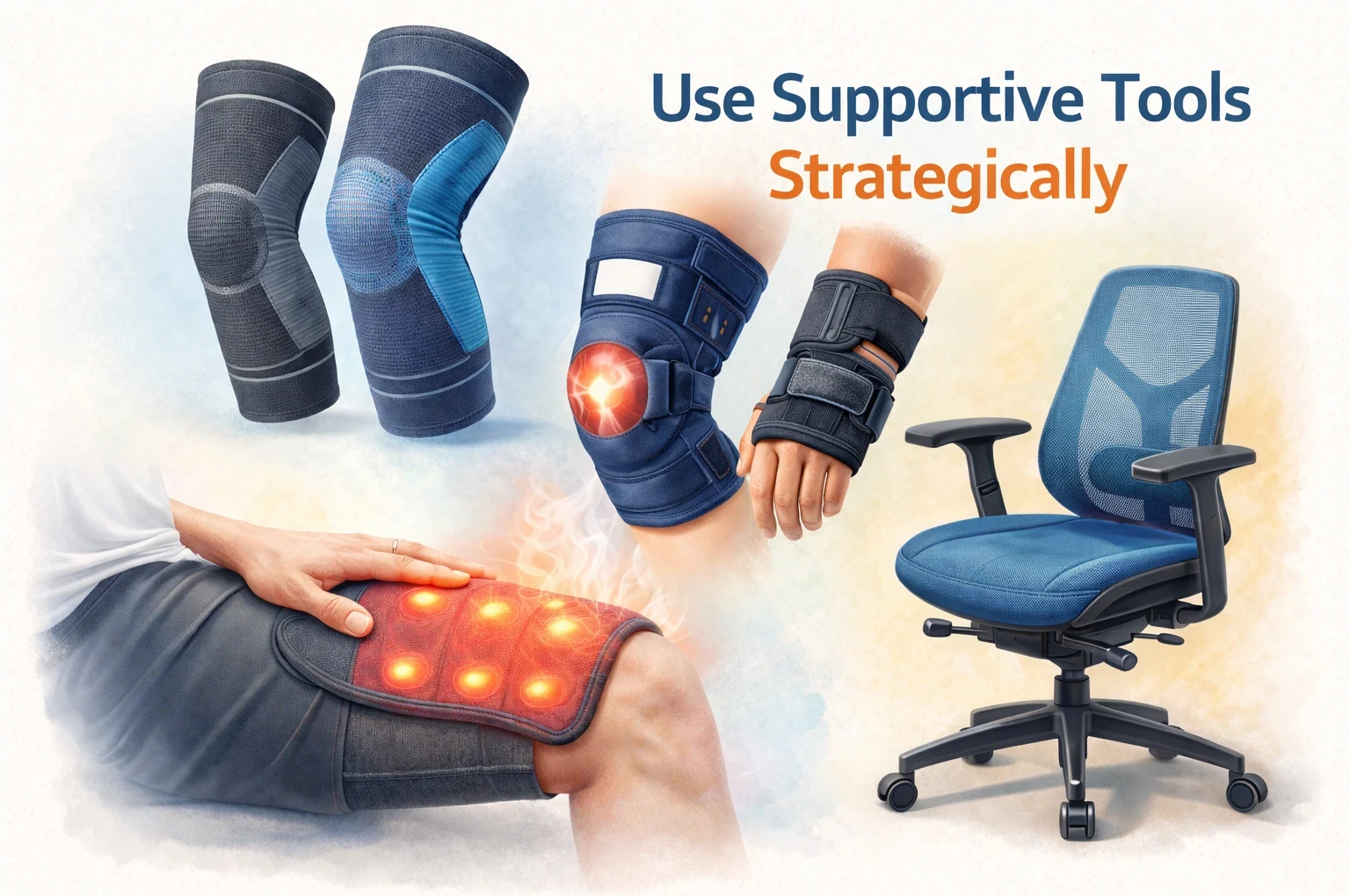
Step 5: Use Supportive Tools Strategically
Supportive tools can reduce stress on irritated joints while you build strength.
Examples include:
• Compression sleeves
• Knee or wrist braces
• Heat therapy for stiffness
• Ergonomic seating adjustment
These tools should be temporary aids — not permanent crutches.
Their role is to make movement tolerable while the deeper work of strengthening and load management takes effect.
Please visit the Wright Stuff for a large selection of supportive tools for joint pain relief.
When Medication Is Appropriate
In some cases, medication plays an important role in joint pain treatment — particularly in inflammatory conditions such as rheumatoid arthritis.
Non-steroidal anti-inflammatory drugs (NSAIDs), corticosteroid injections, or prescription medications may be necessary under medical supervision.
Ideally, medication sits within a broader strategy rather than replacing movement, strength, sleep, and nutritional support.
What Joint Pain Treatment Can and Can’t Do
Joint pain treatment can:
• Reduce flare frequency
• Improve function and stability
• Strengthen protective muscles
• Lower inflammatory burden • Increase movement confidence
It cannot:
• Reverse advanced structural degeneration
• Provide instant permanent relief
• Replace medical care in serious conditions
Progress tends to be gradual — and that’s completely normal.
A Simple Starting Framework
If you’re unsure where to begin, keep it structured:
1. Adjust load without stopping movement
2. Build strength consistently
3. Support inflammatory balance
4. Improve sleep quality
5. Use supportive tools when needed
6. Seek medical input if symptoms persist or worsen
Joint pain treatment works best when it is layered, patient, and realistic.
Small improvements compound over time.
When you approach your joints with strategy rather than fear, meaningful change often follows.