Nerve Inflammation Causes: Understanding Why Nerves Become Irritated
Nerve Inflammation Causes
Nerve inflammation causes are often responsible for symptoms such as burning pain, tingling, numbness, and electric shock sensations.
When nerves become inflamed, they may send abnormal signals to the brain, which the body interprets as pain or discomfort.
Inflammation is the body’s natural response to injury or irritation.
However, when inflammation affects nerve tissues, it can interfere with the normal transmission of signals between the brain and the rest of the body. This disruption may lead to persistent nerve pain symptoms.
Understanding the biological mechanisms behind nerve irritation is an important step in identifying the most appropriate nerve pain treatment strategies.
The article on why nerve pain occurs explains how nerve compression, injury, and inflammation can disrupt normal nerve signaling.
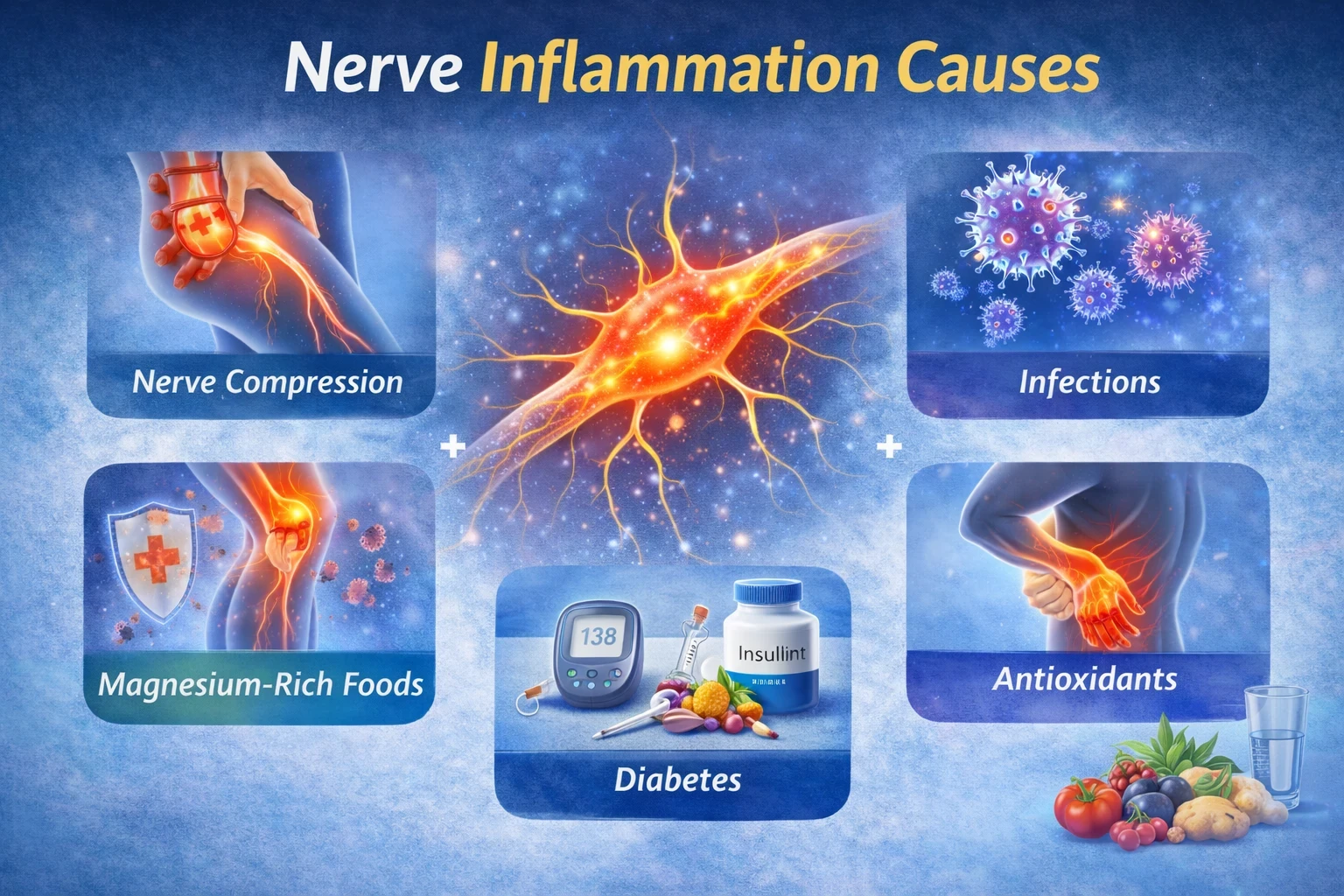
What Is Nerve Inflammation?
Nerve inflammation occurs when immune responses within the body affect nerve tissues.
Swelling and chemical signals released during inflammation may irritate nearby nerves or increase pressure on nerve pathways.
Because nerves are highly sensitive structures, even mild inflammation can trigger pain signals.
Inflamed nerves may produce sensations such as:
• burning pain
• tingling or pins and needles
• numbness
• sharp shooting pain
• hypersensitivity to touch
Understanding how the nervous system processes these signals is explained in the article on understanding pain mechanisms.
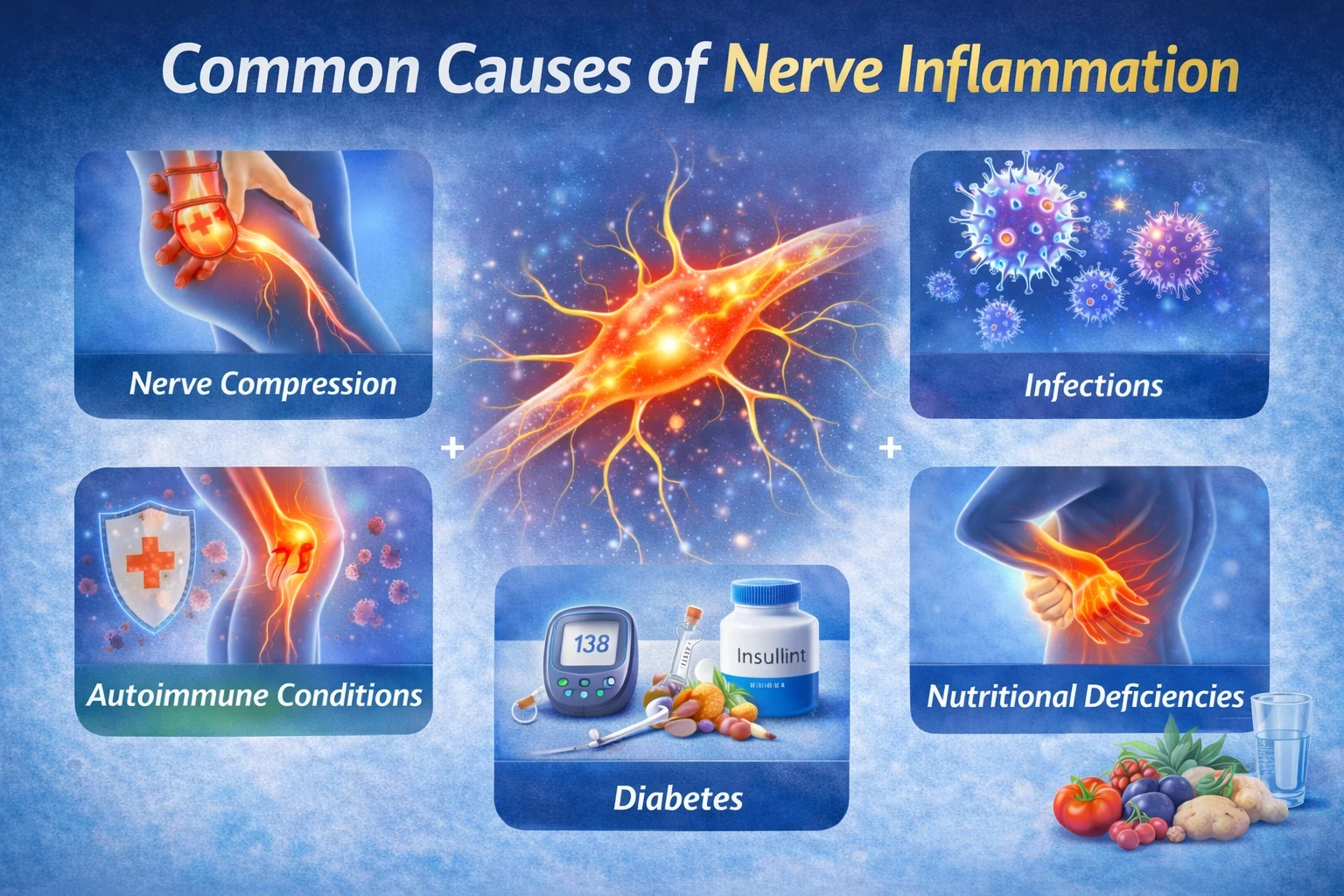
Common Causes of Nerve Inflammation
Several conditions may contribute to nerve inflammation.
These causes can involve injury, metabolic changes, immune responses, or infections.
Nerve Compression
Compression is one of the most common nerve inflammation causes.
When tissues such as bones, muscles, or discs place pressure on a nerve, irritation and inflammation may occur.
Examples include:
• herniated discs pressing on spinal nerves
• carpal tunnel syndrome affecting wrist nerves
• sciatica caused by spinal nerve compression
Reducing pressure on the affected nerve is often an important part of treatment.
Injuries and Trauma
Physical injuries may damage tissues surrounding nerves.
When this happens, the body releases inflammatory chemicals to begin the healing process.
Although inflammation helps repair damaged tissues, excessive inflammation may irritate nearby nerves.
Common injuries associated with nerve inflammation include:
• sports injuries
• repetitive strain injuries
• accidents or falls
Infections
Certain viral infections can cause nerve inflammation.
For example, shingles is caused by the reactivation of the varicella-zoster virus and may lead to painful inflammation of nerve fibers.
In some cases, nerve pain may persist after the infection resolves.
Autoimmune Conditions
Autoimmune disorders occur when the immune system mistakenly attacks the body’s own tissues.
Some autoimmune diseases may target nerve structures, leading to inflammation and nerve pain symptoms.
These conditions may require medical management to reduce immune activity.
Diabetes
Diabetes is one of the most common causes of nerve damage worldwide.
High blood sugar levels can damage nerve fibers and contribute to inflammation within nerve tissues.
This condition is known as diabetic neuropathy.
Managing blood sugar levels may help reduce nerve inflammation and protect nerve health.
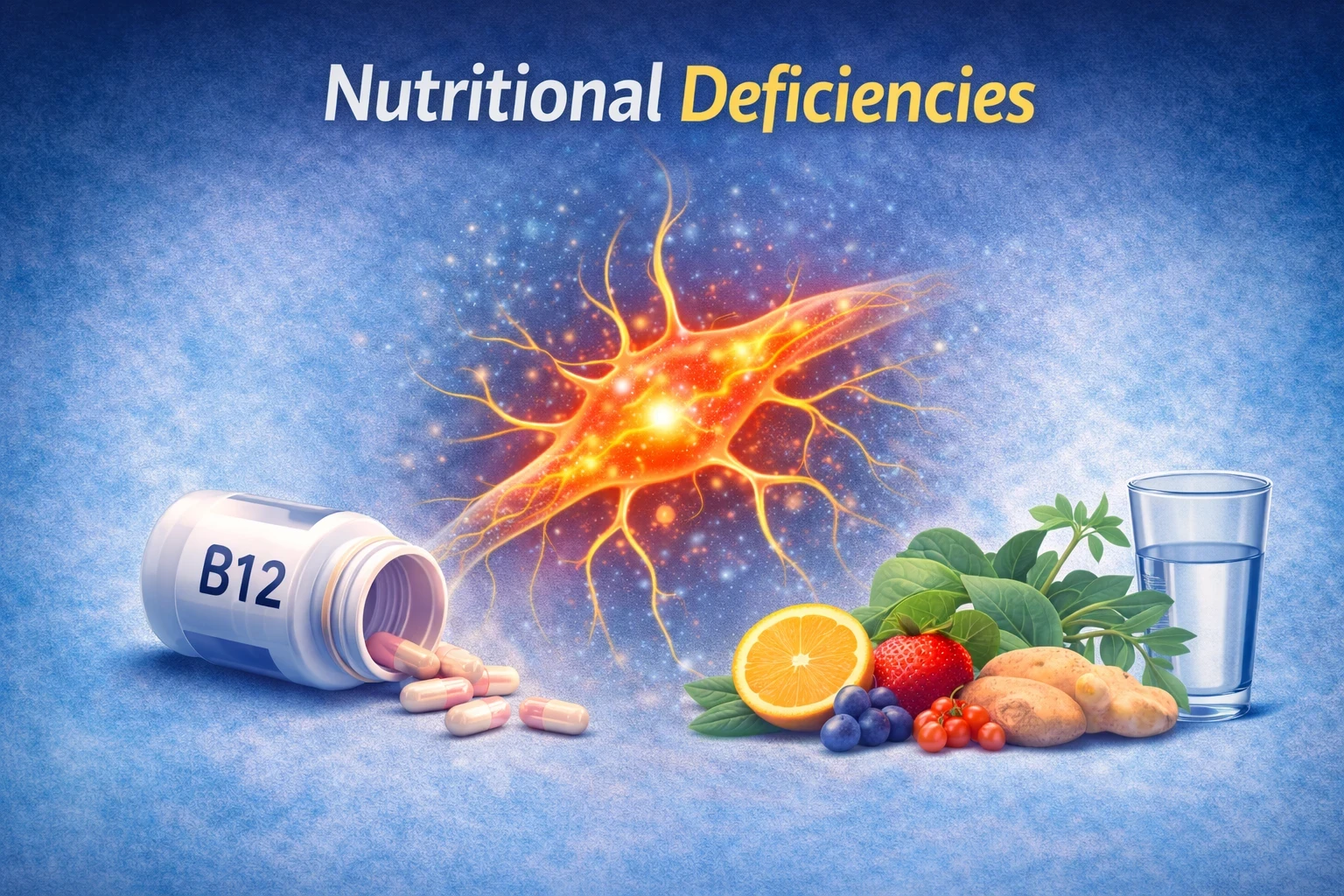
Nutritional Deficiencies
Certain nutrients are essential for nerve health. Deficiencies in vitamins such as B12 may increase the risk of nerve damage and inflammation.
Maintaining a balanced diet rich in essential nutrients may support nerve repair and recovery.
Approved Science can help with a deficiency in Vitamin B12. Go Here.
Understanding how pain signals are processed in the nervous system is explained further in pain education and how pain works in the human body.
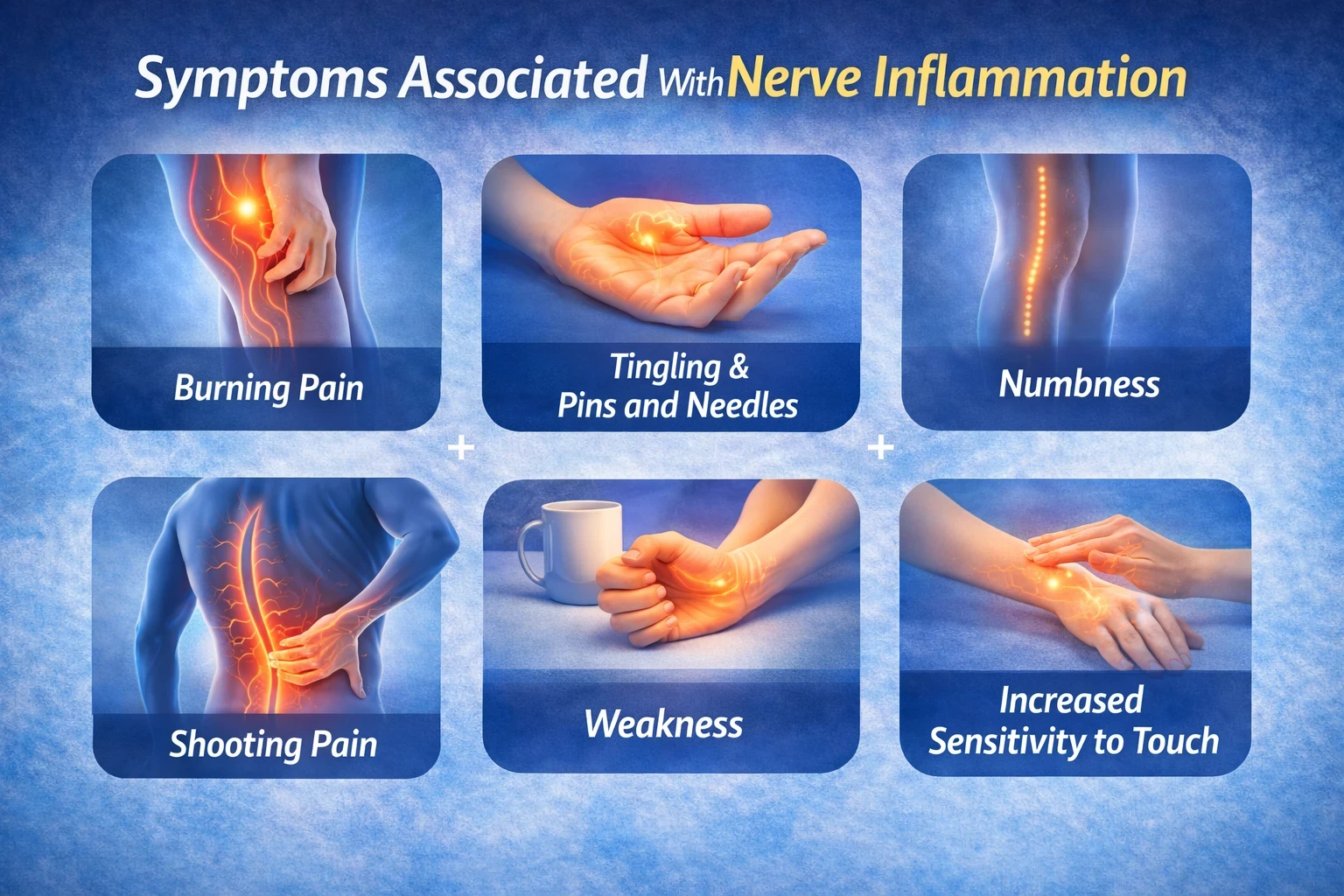
Symptoms Associated With Nerve Inflammation
Nerve inflammation can produce several noticeable symptoms.
Common signs include:
• burning pain
• tingling sensations
• numbness
• sharp shooting pain
• increased sensitivity to touch
• weakness in nearby muscles
Because nerves travel along specific pathways in the body, symptoms often follow these nerve paths.
For example, inflammation of a spinal nerve in the lower back may produce pain that travels down the leg.
Strategies That May Help Reduce Nerve Inflammation
Reducing inflammation around nerves may help relieve symptoms.
Several strategies may support this process.
Physical Therapy
Targeted exercises may help relieve pressure on nerves and improve mobility in surrounding tissues.
Anti-Inflammatory Nutrition
A diet rich in fruits, vegetables, healthy fats, and whole foods may support the body’s natural anti-inflammatory processes.
Stress Management
Chronic stress may increase inflammation and nervous system sensitivity.
Relaxation techniques may help calm the nervous system.
Medical Treatments
Doctors may recommend medications or injections to reduce inflammation and relieve pressure on nerves.
These approaches are often part of comprehensive nerve pain treatment plans.
When to Seek Medical Advice
Medical evaluation may be recommended if nerve inflammation symptoms include:
• persistent numbness
• muscle weakness
• worsening pain
• loss of coordination
• bladder or bowel problems
These symptoms may indicate significant nerve involvement that requires professional care.
Early diagnosis may help prevent long-term nerve damage.
A Balanced Perspective
Nerve inflammation causes can involve a wide range of biological processes, including compression, injury, infection, and metabolic changes.
Because nerves are highly sensitive structures, even mild inflammation may produce significant discomfort.
Understanding the causes of nerve inflammation can help individuals identify potential triggers and explore appropriate treatment strategies.
Combining medical guidance, lifestyle adjustments, and pain education often provides the most effective long-term approach for managing nerve inflammation and supporting nerve health.
Scientific Studies
https://pubmed.ncbi.nlm.nih.gov/20345238/
https://pubmed.ncbi.nlm.nih.gov/24789306/
https://pubmed.ncbi.nlm.nih.gov/30888504/
