Nerve Pain Treatment Science-Backed Ways To Support Recovery
Nerve Pain Treatment
Nerve pain treatment focuses on calming irritated nerves, restoring normal nerve signaling, and addressing the underlying causes of nerve irritation.
Unlike muscle or joint pain, nerve pain often feels burning, electric, or tingling because the nervous system itself is involved in generating the pain signals.
Nerve pain may occur when nerves become compressed, inflamed, injured, or overly sensitive. Because nerves act as communication pathways between the brain and the body, irritation in these pathways can produce pain that travels along the arms, legs, hands, or feet.
Understanding how nerve pain develops is an important first step. The guide on why nerve pain occurs explains how inflammation, compression, and nerve irritation interfere with normal nerve signaling.
Modern approaches to nerve pain treatment combine medical care, movement strategies, lifestyle adjustments, and pain education to help restore nervous system balance.

What Is Nerve Pain?
Nerve pain, also known as neuropathic pain, occurs when nerves become irritated or damaged.
Because nerves carry signals throughout the body, problems within these pathways can produce unusual sensations.
People often describe nerve pain as:
• burning sensations
• electric shock-like pain
• tingling or pins and needles
• numbness
• sharp shooting pain
• hypersensitivity to touch
Unlike muscle soreness, nerve pain may travel along nerve pathways.
For example, irritation of a spinal nerve in the lower back may produce pain that travels down the leg.
Understanding how the nervous system processes these signals is explained in understanding pain mechanisms.
This knowledge helps explain why nerve pain sometimes persists even after tissues appear healed.
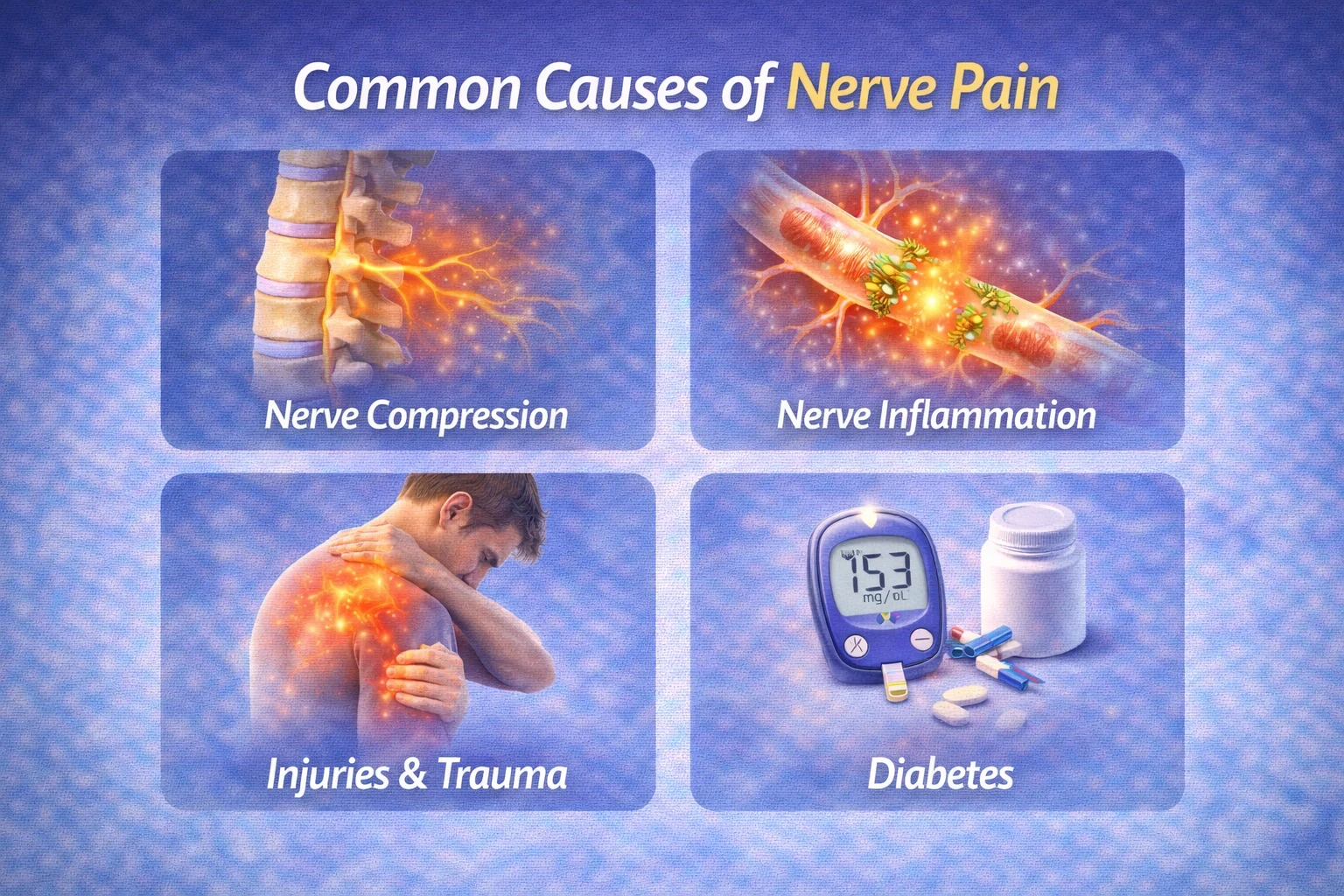
Common Causes of Nerve Pain
Identifying the cause of nerve irritation is essential for choosing the right nerve pain treatment strategy.
Several conditions may affect nerve tissues.
Nerve Compression
Compression is one of the most common causes of nerve pain.
When surrounding structures such as discs, bones, or muscles press on a nerve, irritation may occur.
Examples include:
• herniated spinal discs
• sciatica
• carpal tunnel syndrome
• spinal stenosis
Compression can disrupt the nerve’s ability to transmit normal signals.
Nerve Inflammation
Inflammation around nerve tissues can also produce pain.
The article on nerve inflammation causes explains how swelling and inflammatory chemicals may irritate nearby nerves.
Reducing inflammation is often a key goal of nerve pain treatment.
Injuries and Trauma
Physical injuries can damage nerve fibers directly or irritate tissues surrounding nerves.
Examples include:
• sports injuries
• falls or accidents
• repetitive strain injuries
Even after tissues heal, nerves may remain sensitive for some time.
Metabolic Conditions
Certain metabolic conditions can damage nerves over time.
Diabetes is one of the most common causes of nerve damage worldwide.
High blood sugar levels may damage nerve fibers, leading to a condition known as diabetic neuropathy.
Nutritional Deficiencies
Certain nutrients are essential for nerve function.
The article on foods that help nerve repair explains how nutrients such as vitamin B12, omega-3 fatty acids, and magnesium support nerve health.
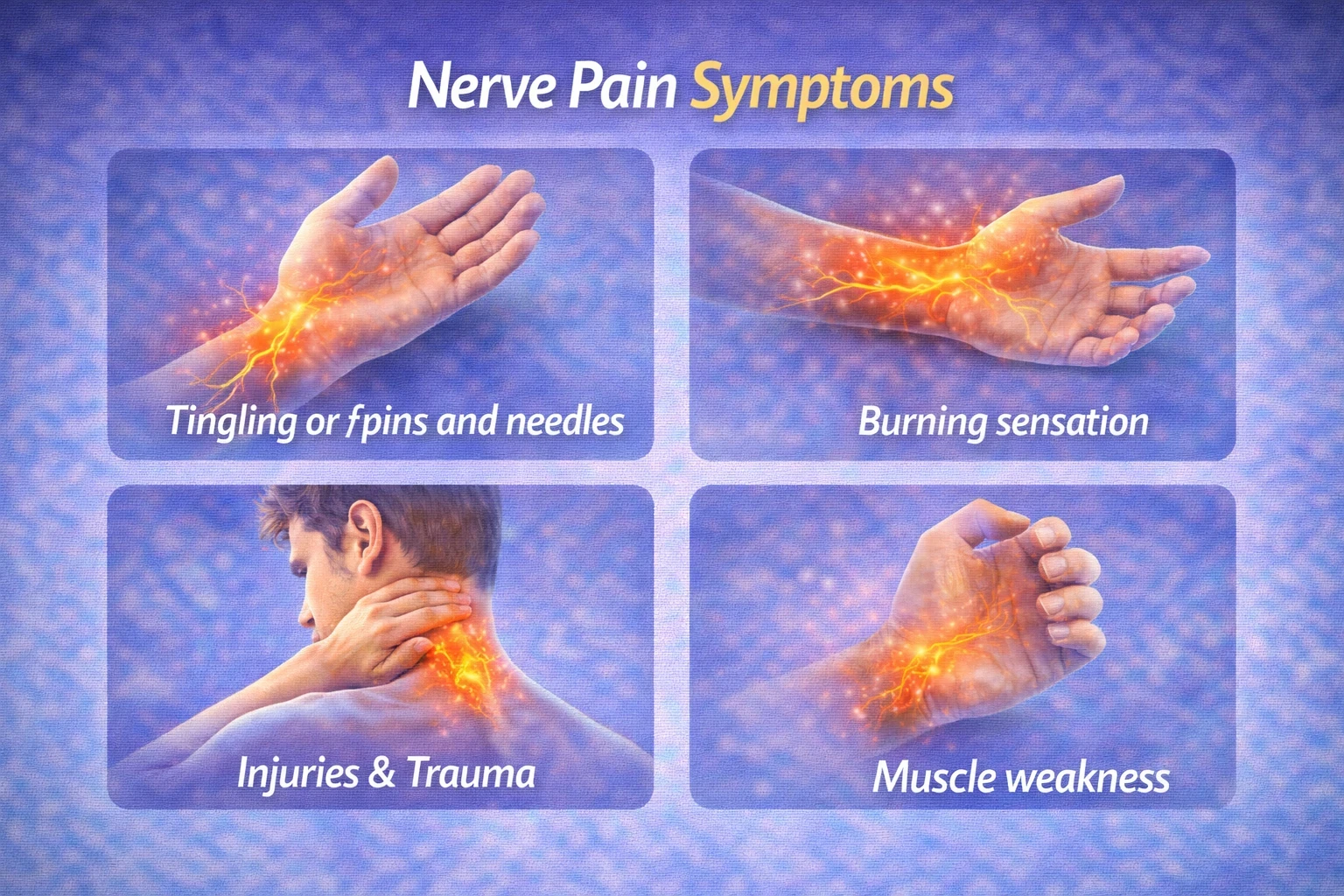
Nerve Pain Symptoms
Recognizing symptoms early can help guide appropriate nerve pain treatment.
Common nerve pain symptoms include:
• burning sensations
• tingling or pins and needles
• numbness
• electric shock sensations
• sharp shooting pain
• muscle weakness
These symptoms may occur in specific nerve pathways rather than remaining in one location.
The article on nerve pain symptoms and warning signs explains how to identify early signs of nerve irritation.
Conservative Nerve Pain Treatment Options
Many people improve with conservative treatment strategies before considering more advanced medical interventions.
Gentle Movement and Exercise
Movement plays an important role in nerve pain recovery.
Exercise improves circulation, reduces stiffness, and supports healthy nerve function.
Low-impact activities such as walking, stretching, and mobility exercises are commonly recommended.
Posture and Ergonomic Improvements
Poor posture can increase pressure on spinal nerves.
Improving sitting posture and workstation ergonomics may reduce strain on nerve pathways.
For individuals who spend long hours sitting, small posture adjustments may significantly reduce nerve irritation.
Heat and Cold Therapy
Heat and cold therapy may provide temporary relief from nerve pain.
Cold therapy may help reduce inflammation in irritated tissues.
Heat therapy may relax muscles surrounding nerves and improve circulation.
Natural therapy for nerve pain here.
Stress Reduction
Stress can increase nervous system sensitivity and amplify pain signals.
Relaxation techniques such as breathing exercises, meditation, or mindfulness may help calm the nervous system.
Understanding how the brain interprets pain signals is discussed in pain education and how pain works in the human body.
Learning these concepts may help reduce fear and improve recovery outcomes.
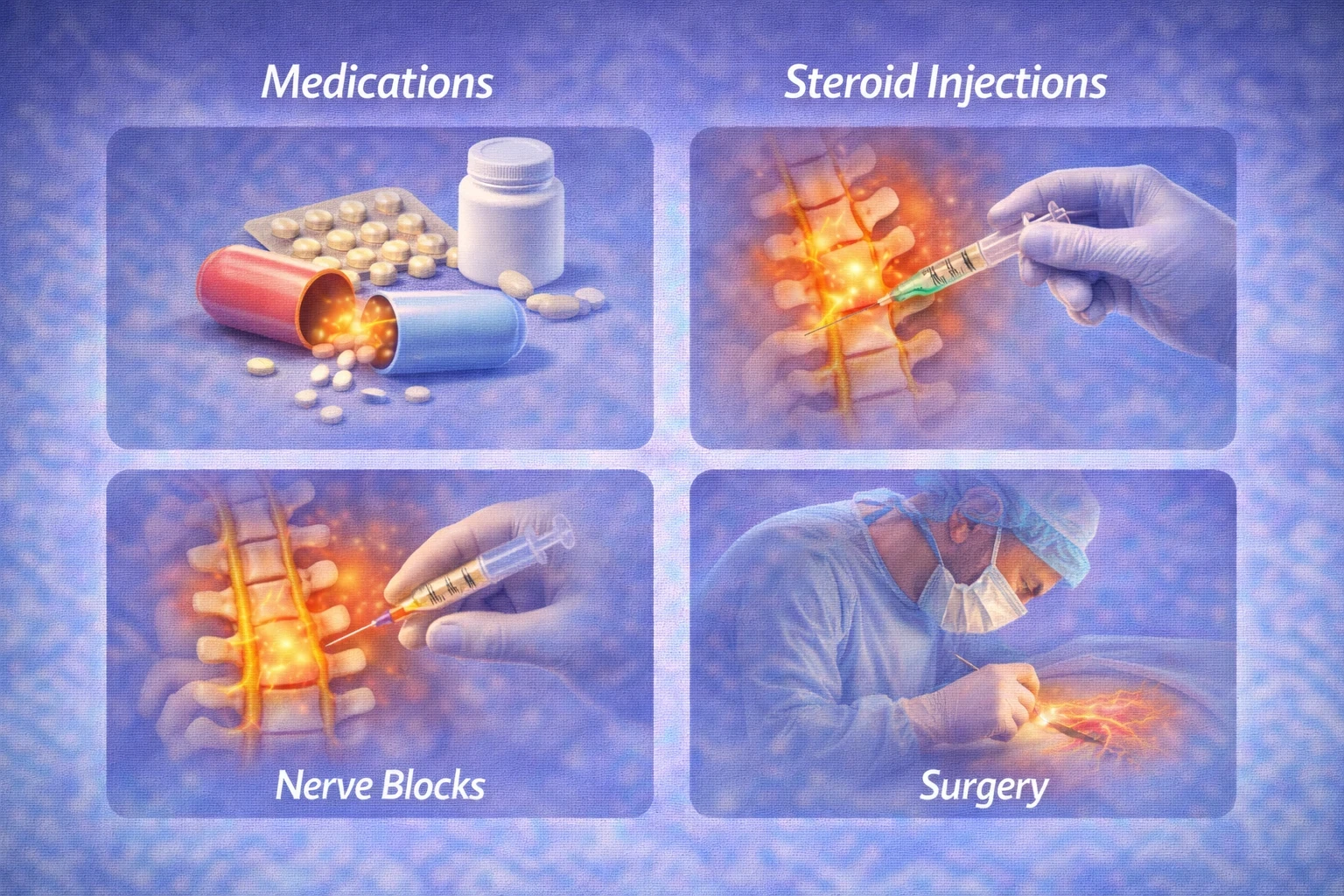
Medical Treatments for Nerve Pain
If conservative treatments do not provide sufficient relief, medical treatments may be considered.
Doctors may recommend several options depending on the underlying cause.
Medications
Certain medications influence nerve signaling and may help stabilize abnormal nerve activity.
These medications may include anticonvulsants or antidepressants used specifically for nerve pain.
Steroid Injections
Steroid injections may reduce inflammation around compressed nerves.
This treatment may provide relief when nerve compression causes persistent symptoms.
Nerve Blocks
Nerve blocks involve injecting medication near a nerve to temporarily interrupt pain signals.
These treatments are sometimes used when other treatments have not provided relief.
Surgical Treatment
In severe cases where nerve compression causes significant weakness or persistent pain, surgery may be considered to relieve pressure on the nerve.
Surgery is typically recommended only after conservative treatments have been explored.
Natural Strategies That May Support Nerve Health
Lifestyle strategies may support nerve recovery alongside medical treatments.
Anti-Inflammatory Nutrition
Diet can influence inflammation levels in the body.
The article on anti-inflammatory foods discusses foods that may help regulate inflammation.
Examples include:
• leafy vegetables
• berries
• fatty fish
• olive oil
• nuts and seeds
Nutritional Support
Certain nutrients play important roles in nerve repair.
The guide on vitamin B12-rich foods explains how this nutrient supports nerve function.
Magnesium and omega-3 fatty acids also support nervous system health.
Sleep and Recovery
Sleep plays a crucial role in nervous system recovery.
Poor sleep may increase pain sensitivity and slow healing.
Improving sleep quality may support overall nerve pain treatment outcomes.
Long-Term Management of Nerve Pain
Effective nerve pain treatment often requires a long-term management approach.
Combining several strategies often produces the best results.
Helpful long-term habits may include:
• maintaining regular physical activity
• improving posture and ergonomics
• managing stress
• maintaining balanced nutrition
• following medical advice when necessary
Because nerve tissues heal slowly, recovery may take time.
However, many people experience improvement when underlying causes of nerve irritation are addressed.
A Balanced Perspective on Nerve Pain Treatment
Nerve pain can be frustrating because it involves complex interactions between nerves, the brain, and surrounding tissues. However, modern pain science has improved our understanding of how nerve pain develops.
Effective nerve pain treatment often involves calming the nervous system, improving movement patterns, reducing inflammation, and addressing underlying causes.
Education also plays an important role. Understanding how pain works in the body may reduce fear and help individuals adopt strategies that support recovery.
With the right combination of medical care, lifestyle adjustments, and pain education, many people can significantly improve their nerve pain symptoms and restore function over time.
Scientific Studies
https://pubmed.ncbi.nlm.nih.gov/32109325/
https://pubmed.ncbi.nlm.nih.gov/31563566/
https://pubmed.ncbi.nlm.nih.gov/27344695/