Pain Relief Techniques For Athletes
Pain Relief Techniques for Athletes
Pain relief techniques for athletes are not just about managing soreness after training or competition.
They are about helping the body adapt to load, maintaining confidence in movement, and supporting long-term athletic performance.
Athletes regularly place physical and mental stress on their bodies.
Without the right strategies, this stress can lead to persistent pain, reduced performance, and loss of enjoyment in sport.
Pain can feel alarming, especially when it interferes with training goals. However, pain does not always mean damage.
Modern pain science shows that pain is influenced by many factors, including workload, recovery, stress, sleep, and previous injury experiences.
When athletes understand this, they can apply pain relief techniques more effectively and with less fear.
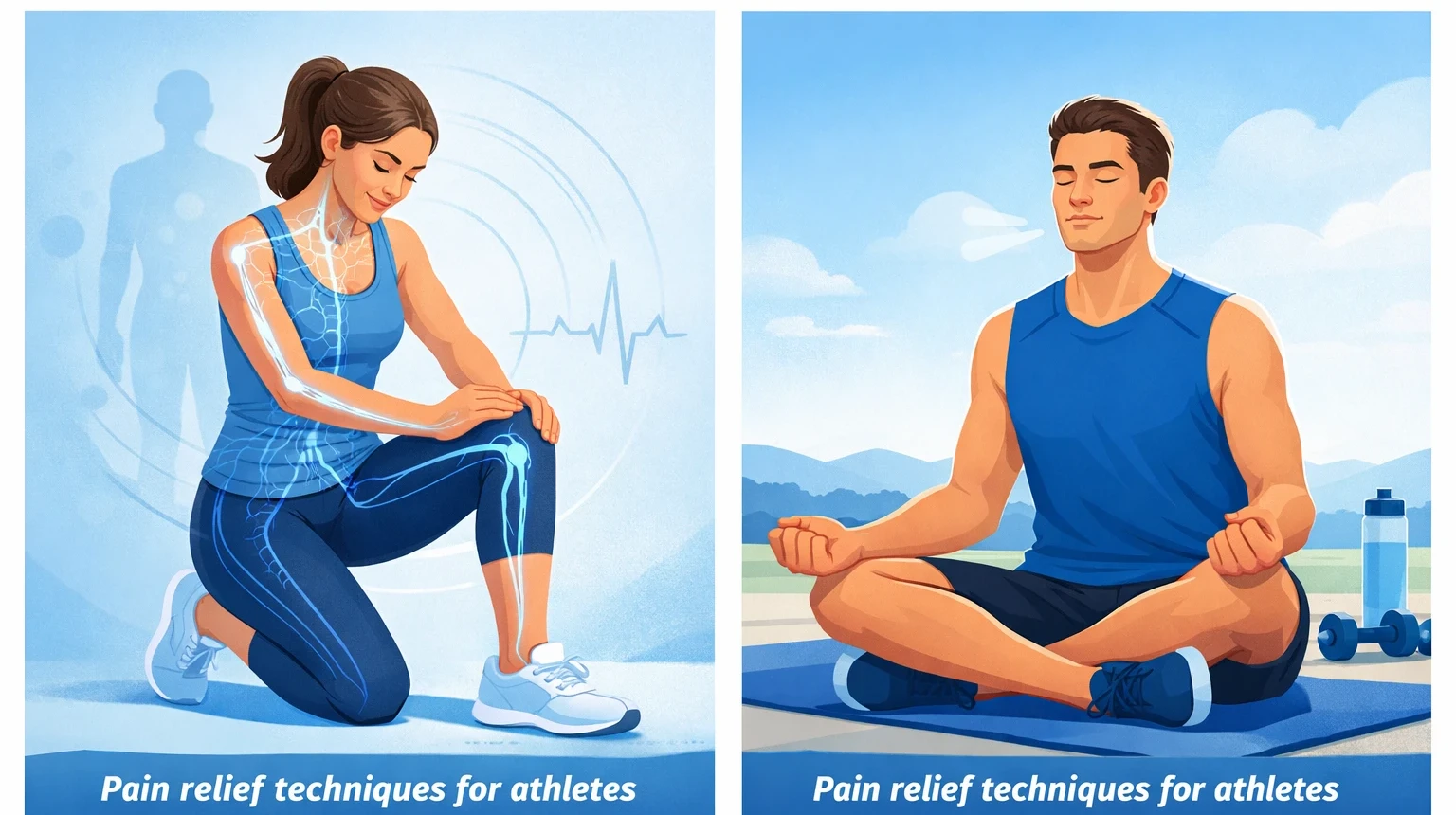
Understanding Pain in Athletes
Pain is nervous system protection system
It is designed to keep the body safe. In athletes, pain often appears when training intensity increases too quickly, recovery is insufficient, or stress levels rise.
This does not mean the body is broken.
Learning how pain works can reduce fear and uncertainty. Athletes who understand pain are less likely to overreact to symptoms or stop moving completely.
A clear explanation of this concept is available in Understanding pain beyond symptoms, which helps athletes see pain as something that can change rather than something permanent.
Load Management and Training Balance
One of the most effective pain relief techniques for athletes is proper load management.
Sudden increases in training volume, intensity, or frequency place stress on muscles, joints, and the nervous system.
Pain often reflects that the body needs time to adapt.
Gradual progression allows tissues to strengthen and the nervous system to remain calm.
Planned rest days, lighter sessions, and recovery weeks are essential parts of performance, not signs of weakness.
Athletes who manage load well tend to experience fewer flare-ups and more consistent training.
Movement as a Pain Relief Tool
Avoiding all movement is rarely helpful for athletic pain.
Gentle, controlled movement improves blood flow, reduces stiffness, and sends safety signals to the brain.
Activities such as walking, mobility exercises, swimming, or light cycling can support recovery without increasing pain.
Movement helps retrain the nervous system to feel safe again. Over time, this can reduce pain sensitivity and improve confidence in the body.
This principle aligns with the explanations found in Comprehensive information on pain, where pain is described as adaptable and influenced by many factors.
Breathing and Nervous System Regulation
Breathing plays a major role in pain perception. Shallow or rapid breathing can increase tension and amplify pain signals.
Slow, controlled breathing helps calm the nervous system and reduce overall sensitivity.
Athletes can use breathing techniques before training, during recovery, or when pain feels intense.
Nasal breathing, longer exhales, and relaxed breathing patterns help shift the body out of a stress response and into a state more supportive of healing.
Sleep and Recovery Quality
Sleep is one of the most powerful yet overlooked pain relief techniques for athletes.
Poor sleep increases pain sensitivity, slows tissue repair, and reduces coordination and focus.
Even small disruptions in sleep can make pain feel worse.
Consistent sleep routines, reduced screen time before bed, and a calm evening environment support recovery.
When sleep improves, athletes often notice that pain becomes easier to manage, even when training demands stay high.

Nutrition and Recovery Support
Nutrition supports pain relief by helping the body recover from physical stress.
Athletes benefit from regular meals, adequate hydration, and sufficient protein intake.
Extreme or restrictive diets can increase fatigue and sensitivity to pain.
While food is not a cure for pain, consistent and balanced nutrition improves the body’s ability to adapt to training loads and recover between sessions.
Mental Confidence and Pain
Fear and uncertainty can increase pain. Athletes who believe pain always means injury may become tense or overly cautious, which can reinforce sensitivity.
Building confidence in the body is essential for long-term pain relief.
Understanding that pain can fluctuate and does not always signal harm helps athletes stay engaged with training in a controlled and supportive way.
This concept is explained further in Why pain exists even when nothing is wrong, which helps athletes reframe pain without dismissing their experience.
Consistency Over Quick Fixes
Pain relief techniques for athletes work best when applied consistently. There is no single exercise, stretch, or product that fixes pain instantly.
Long-term improvement comes from combining education, movement, recovery, sleep, and self-awareness.
Athletes who adopt a long-term approach tend to return to sport with greater resilience and confidence.
Pain becomes something they understand and manage, not something that controls their decisions.
Scientific Studies

 Previous Post
 Next Post