Relief Techniques For Anxiety Gentle Ways To Calm Both Body And Mind
Relief Techniques for Anxiety
Relief techniques for anxiety matter because anxiety and pain often reinforce each other.
When the nervous system is constantly on alert, pain signals become louder, muscles stay tense, and recovery feels harder.
At the same time, ongoing pain can quietly increase worry, fear, and hyper-focus on bodily sensations.
Understanding this connection allows you to choose approaches that calm both the body and the mind—without pressure, force, or unrealistic expectations.
This article focuses on supportive strategies that help create a sense of safety in the nervous system.
Nothing here is about “pushing through” pain or pretending symptoms aren’t real.
—
Why Anxiety Can Intensify Pain
Anxiety activates the body’s threat response. This leads to:
- Increased muscle tension
- Faster, shallower breathing
- Heightened attention to discomfort
- Lower pain tolerance
When the brain perceives danger, even safe sensations can feel threatening.
Relief techniques for anxiety work by reducing this constant state of alert, allowing pain signals to soften over time.
You can explore this nervous-system approach further on the Beyond Pain Relief homepage:
👉 https://beyond-pain-relief.com/
—
Gentle Breathing to Reduce Pain Sensitivity
Slow, steady breathing is one of the most effective relief techniques for anxiety because it directly influences the nervous system.
A simple pattern:
- Inhale through the nose for 4 seconds
- Exhale slowly for 6 seconds
Continue for 2–3 minutes
Longer exhales help calm the stress response.
With regular practice, this can reduce muscle guarding and lower pain sensitivity during anxious moments.
Reassuring Movement Instead of Avoidance
When anxiety is present, it’s common to avoid movement out of fear of making pain worse.
Unfortunately, long periods of avoidance can increase stiffness and reinforce fear signals.
Supportive movement includes:
Gentle walking
Light stretching within comfort
Normal daily activities done slowly
The aim is reassurance, not exercise intensity. This concept is explained in more detail here:
👉 https://beyond-pain-relief.com/movement-load-and-pain-sensitivity/
Muscle Relaxation to Release Hidden Tension
Anxiety often causes ongoing muscle tension that isn’t always obvious.
Over time, this tension can contribute to pain flare-ups.
A gentle approach:
Lightly tense one muscle group for a few seconds
Slowly release
Notice the change before moving on
This helps retrain the nervous system to recognise relaxation again.
—
CBD Oils as a Supportive Option
Some people explore CBD oils as part of their relief techniques for anxiety.
CBD (cannabidiol) is a non-intoxicating compound derived from hemp and does not produce a “high.”
Potential supportive roles include:
Promoting a sense of calm
Reducing stress-related muscle tension
Supporting sleep quality
CBD is not a cure and doesn’t work the same way for everyone.
Effects tend to be subtle and gradual rather than immediate.
If considering CBD oils, it’s important to:
Choose reputable, lab-tested products
Start with low doses
Check for interactions with medications
CBD should be viewed as a supportive tool, not a replacement for medical care.
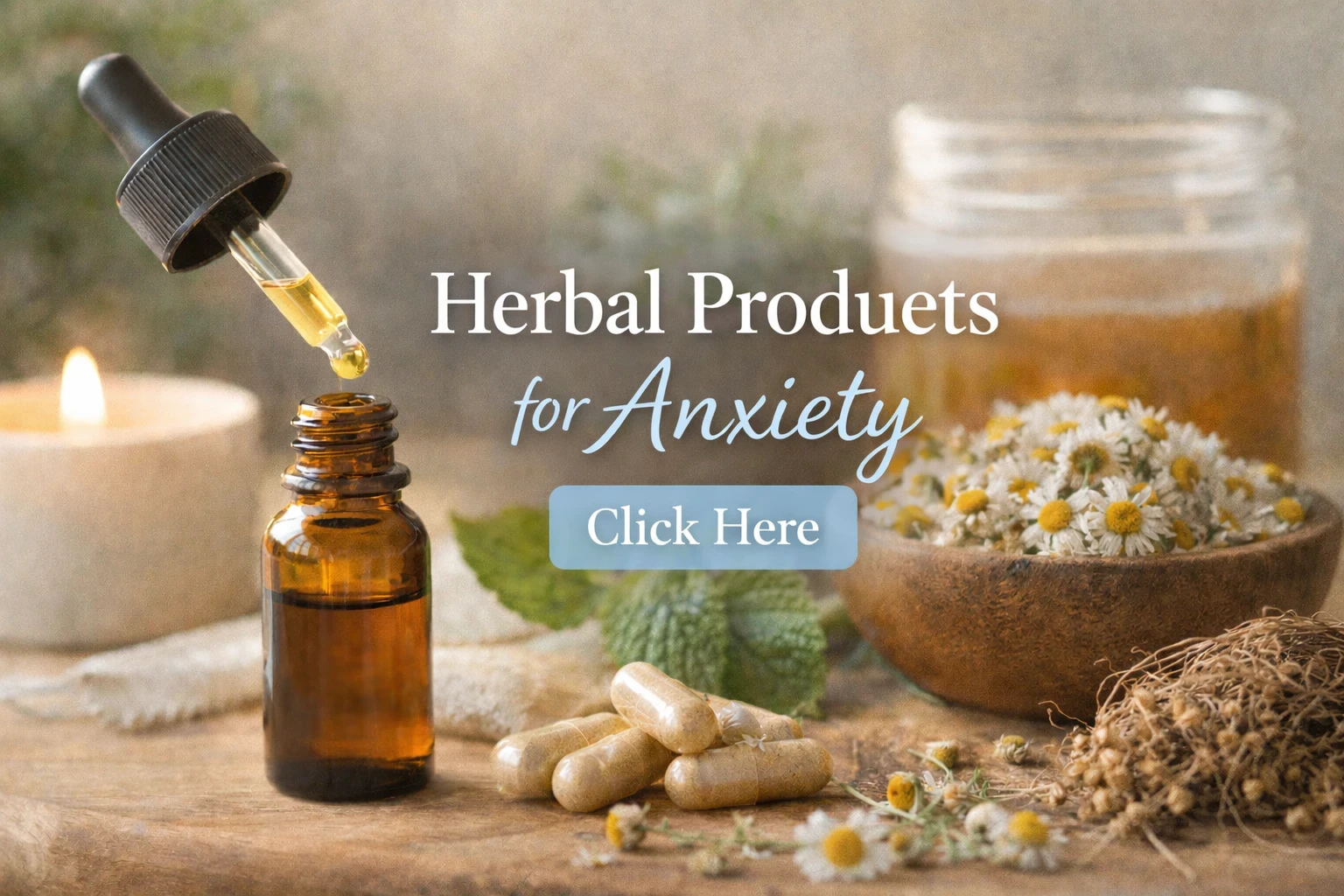
Herbal Products That May Support Calm and Comfort
Certain herbal products are also commonly explored for anxiety-related pain support.
These herbs are traditionally used to support relaxation rather than directly block pain.
Examples include:
Chamomile – often used for calming and sleep support
Valerian root – may help with nervous tension
Passion flower – traditionally used for anxiety and restlessness
Lemon balm – sometimes used to ease stress and promote calm
Herbal products can be helpful for some people, but they are not risk-free.
Quality, dosage, and interactions matter, especially if you’re taking medications.
Supportive Tools That Reduce Daily Stress Load
Relief techniques for anxiety also include reducing background physical strain.
Supportive tools can help lower the overall load on the nervous system.
Examples include:
Ergonomic chairs or cushions
Heat packs during flares
Braces used briefly, not continuously
Reducing physical stress leaves more capacity for the nervous system to settle.
You can explore how daily setup affects pain here:
👉 https://beyond-pain-relief.com/ergonomic-office-chairs-for-back-pain-relief/
Working With Anxious Thoughts, Not Against Them
Trying to eliminate anxious thoughts often increases frustration.
A gentler approach is learning to notice thoughts without reacting to them.
Helpful strategies include:
Naming thoughts as “mental noise”
Gently returning focus to breathing or body sensations
Using grounding cues like feeling your feet on the floor
This reduces the emotional charge around pain and anxiety over time.
—
Sleep Support for Pain and Anxiety
Poor sleep increases both anxiety and pain sensitivity.
Small, consistent changes can help.
Supportive habits include:
A predictable bedtime routine
Dimming lights in the evening
Reducing stimulating content before sleep
Sleep doesn’t have to be perfect to be helpful.
—
A Compassionate Reminder
Relief techniques for anxiety are not about fixing yourself.
They are about supporting a nervous system that has been under strain.
Progress is often gradual, with good days and difficult days mixed together.
If pain or anxiety feels overwhelming, professional support is always appropriate.
These strategies are supportive tools, not replacements for medical or psychological care.
—
Science-Based Reading (Optional)
https://pubmed.ncbi.nlm.nih.gov/30664676/
https://pubmed.ncbi.nlm.nih.gov/28486026/