Rib Cage Pain Causes
Rib cage pain causes are a common reason people search for answers when discomfort develops around the chest or upper abdomen.
The rib cage protects vital organs such as the lungs and heart, but it also contains muscles, joints, nerves, and cartilage that can become irritated or injured.
Because of this complex structure, rib cage pain can arise from several different sources.
Understanding the possible rib cage pain causes can help people recognise common patterns, identify triggers, and know when professional medical advice may be appropriate.
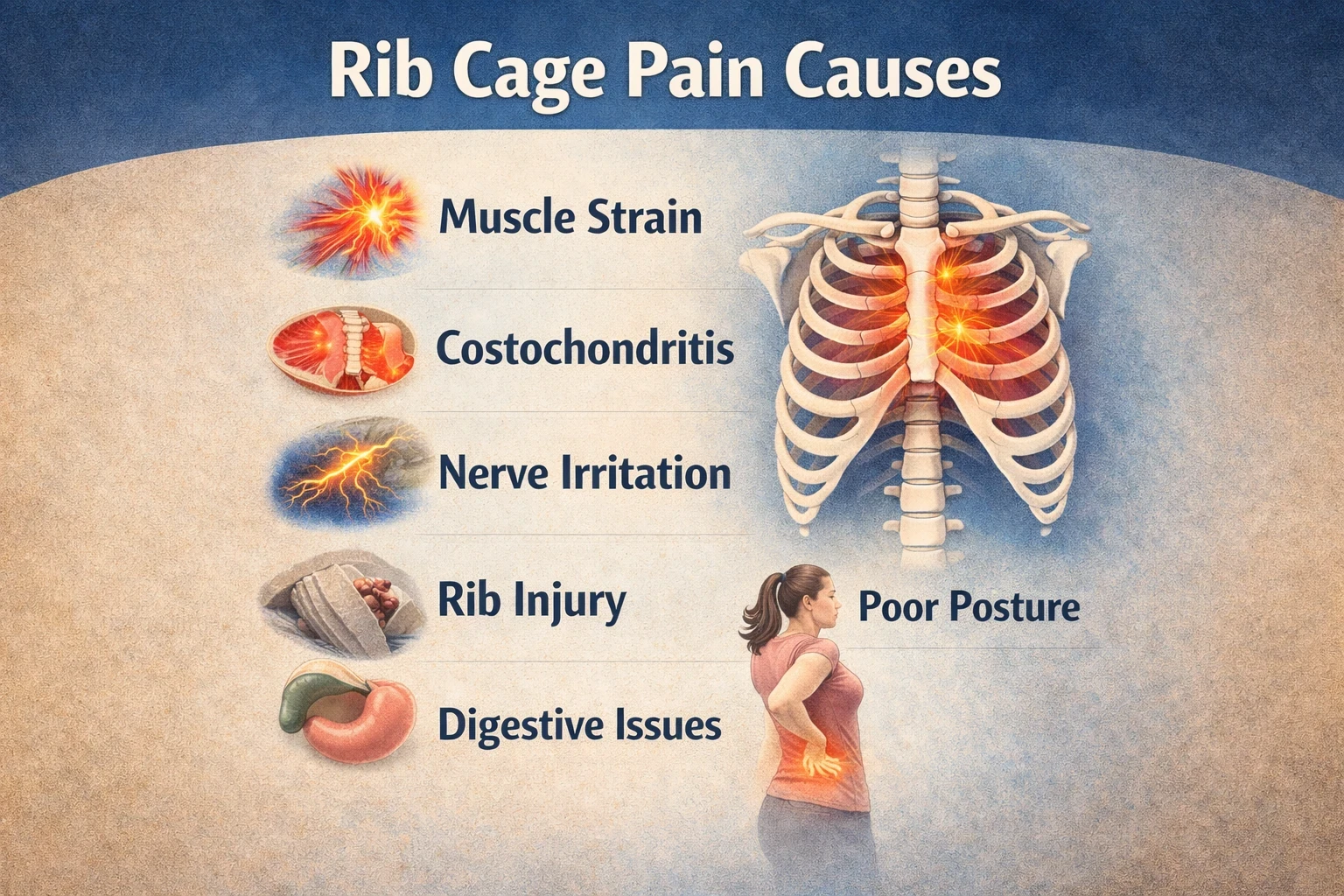
Understanding How the Rib Cage Works
The rib cage is a protective framework made of ribs, cartilage, muscles, and connective tissues.
It surrounds and shields important organs while allowing movement for breathing and posture.
Each rib connects to the spine at the back and attaches to the breastbone (sternum) through cartilage at the front. Between the ribs are small muscles called intercostal muscles that assist with breathing.
Because so many structures are involved, rib cage pain causes may originate from muscles, joints, nerves, inflammation, or nearby organs.
For a deeper understanding of how the body interprets discomfort signals, the article on Understanding Pain Mechanisms explains how the nervous system processes pain signals.
Muscle Strain and Overuse
One of the most frequent rib cage pain causes is muscle strain.
The intercostal muscles between the ribs can become irritated or overstretched during certain activities.
Common triggers include:
- Heavy lifting
- Sudden twisting movements
- Intense exercise
- Persistent coughing
- Poor posture
Muscle strain may cause sharp or aching pain that becomes worse when moving, stretching, or taking a deep breath.
Although uncomfortable, muscle-related rib cage pain usually improves with rest and gentle movement over time.
Rib Cartilage Inflammation (Costochondritis)
Another common rib cage pain cause is costochondritis, which occurs when the cartilage connecting the ribs to the breastbone becomes inflamed.
Costochondritis and Tietze syndrome may have similar symptoms.
Typical symptoms may include:
- Tenderness along the breastbone
- Pain that worsens when pressing on the ribs
- Discomfort during deep breathing
- Sharp or aching chest pain
Costochondritis can develop after physical strain, repetitive movement, respiratory infections, or sometimes without a clear trigger.
Inflammation is a common contributor to many pain conditions, and the article on Reasons for Persistent Pain discusses how inflammation and nervous system sensitivity can influence pain patterns.
Intercostal Nerve Irritation
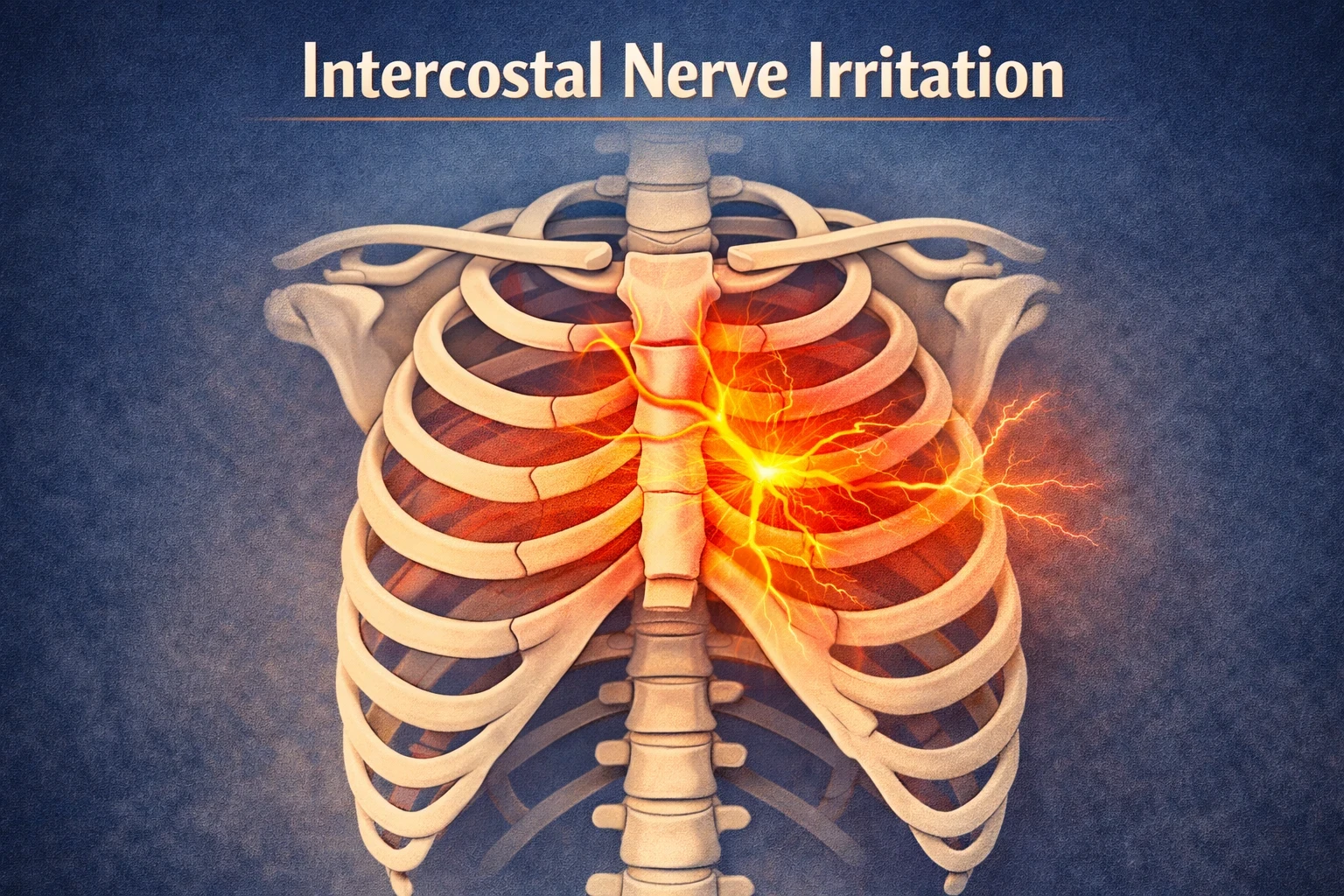
The ribs contain small nerves that run between each rib.
When these nerves become irritated or compressed, they may create sharp, burning, or stabbing sensations along the rib cage.
Possible rib cage pain causes related to nerve irritation include:
- Muscle tension
- Rib injury
- Postural strain
- Viral infections such as shingles
Nerve-related pain may feel like a band of discomfort wrapping around the chest or ribs.
Learning more about how nerves influence pain can provide helpful context. The guide on Nerve Pain Treatment explains how nerve sensitivity can contribute to persistent discomfort.
Rib Injury or Trauma
Direct injury is another obvious rib cage pain cause.
Falls, sports accidents, or blunt trauma can lead to bruised or fractured ribs.
Symptoms may include:
- Sharp pain when breathing or coughing
- Tenderness when touching the ribs
- Difficulty taking deep breaths
- Localised swelling or bruising
Even minor rib injuries can feel very painful because the ribs move constantly during breathing.
Most minor rib injuries heal gradually, although medical assessment is recommended when severe pain or breathing difficulty occurs.

Poor Posture and Muscle Tension
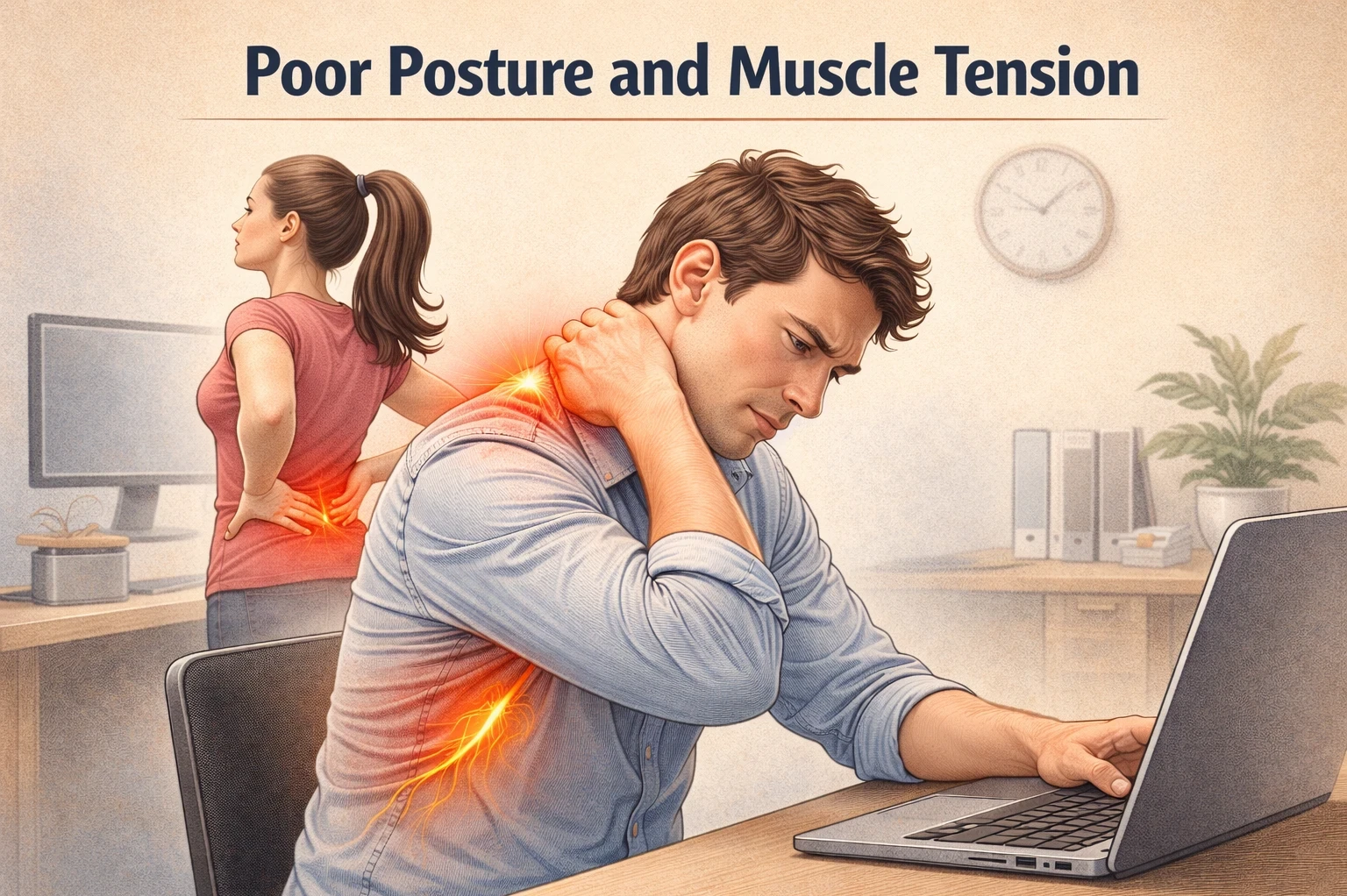
Modern lifestyles that involve long hours sitting at desks or looking down at devices can also contribute to rib cage pain causes.
When posture becomes rounded or slouched, muscles around the chest, back, and ribs may tighten or weaken.
This imbalance can place strain on the rib joints and surrounding tissues.
Posture-related rib pain may feel like:
- Aching around the ribs
- Tightness across the chest
- Pain during prolonged sitting
- Discomfort that improves with stretching or movement
Lifestyle factors such as posture, stress, and physical inactivity can influence pain perception. The article Why Pain Gets Worse at Night explores how daily habits may affect pain sensitivity.
Digestive Issues and Organ-Related Causes
Sometimes rib cage pain causes originate from organs located beneath the ribs.
For example:
- Gallbladder issues may cause pain under the right rib cage
- Stomach irritation or reflux can create pain near the upper ribs
- Gas or digestive pressure may cause temporary discomfort below the rib cage
These types of pain often appear alongside digestive symptoms such as bloating, nausea, or heartburn.
Because organs lie close to the ribs, pain may sometimes feel like it is coming directly from the rib cage even when the source is deeper inside the abdomen.
Stress and Breathing Patterns
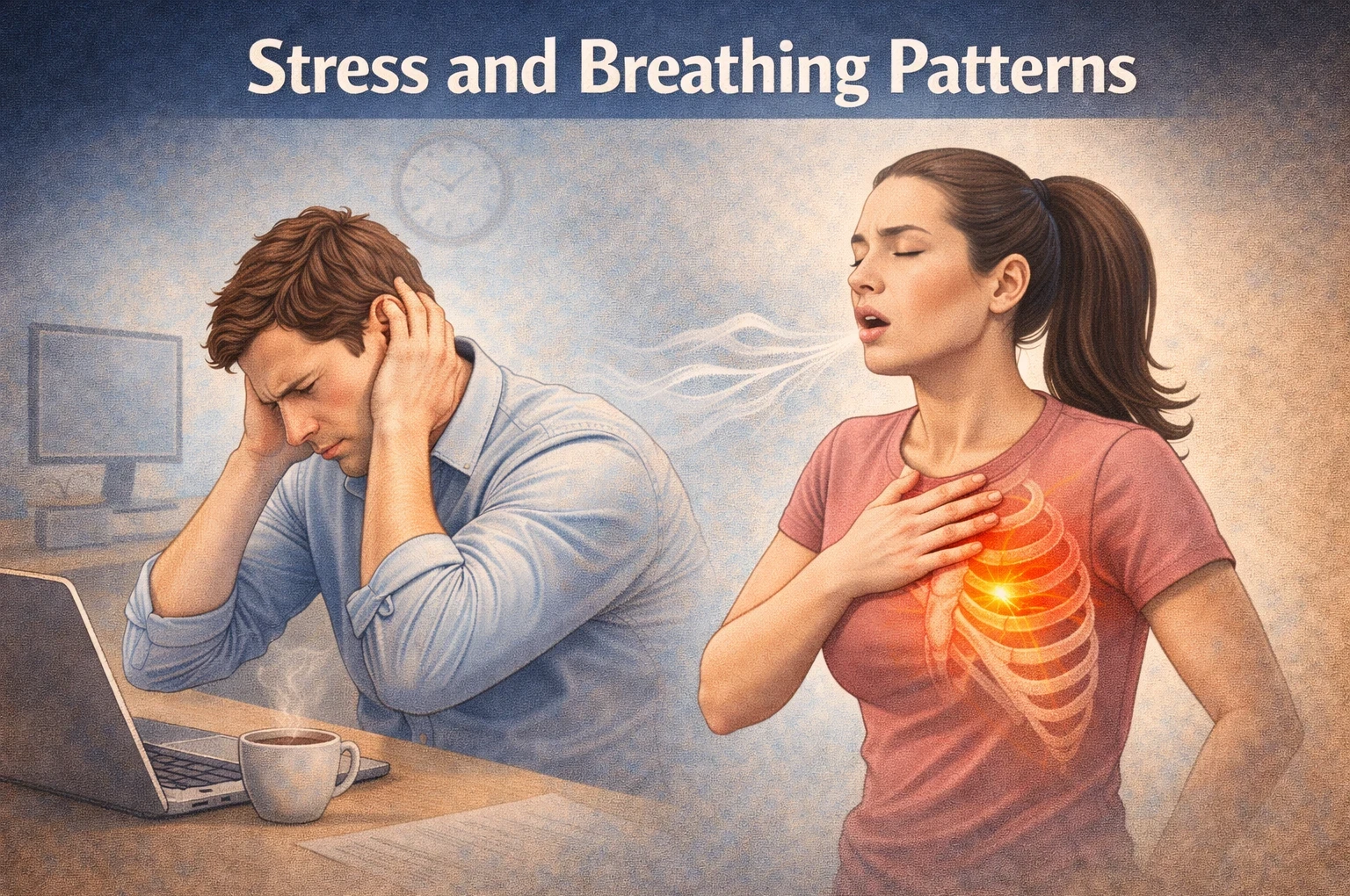
Stress can also contribute to rib cage pain causes through muscle tension and altered breathing patterns.
During periods of anxiety or stress, people may breathe more shallowly or hold tension in the chest muscles.
Over time this can lead to soreness around the ribs.
Relaxation techniques, gentle movement, and breathing exercises may help reduce tension-related discomfort.
When Rib Cage Pain May Need Medical Attention
Most rib cage pain causes are related to muscles, inflammation, or minor injuries and improve gradually.
However, certain symptoms should be evaluated by a healthcare professional.
Seek medical attention if rib pain occurs with:
- Severe chest pressure
- Difficulty breathing
- Dizziness or fainting
- Pain spreading to the arm or jaw
- Persistent unexplained pain
Prompt evaluation helps rule out serious conditions affecting the heart, lungs, or internal organs.
A Balanced Perspective on Rib Cage Pain
Rib cage pain causes can vary widely, ranging from simple muscle strain to inflammation or nerve irritation. Understanding the many structures within the rib cage helps explain why pain can develop in this area.
In many cases, discomfort improves with time, gentle movement, and attention to posture or activity levels. However, persistent or severe symptoms should always be assessed by a qualified medical professional.
By learning about common rib cage pain causes, people can better understand their symptoms and take appropriate steps toward recovery and reassurance.
Scientific References
Costochondritis – National Center for Biotechnology Information
Chest Wall Pain – Clinical Overview