Sleep Disturbances In Fibromyalgia
Sleep Disturbances in Fibromyalgia What you can do is
Sleep disturbances in fibromyalgia are one of the most frustrating and persistent symptoms people face.
You finally get into bed, exhausted, yet your body refuses to switch off.
You wake frequently. You rise unrefreshed.
Over time, this broken sleep amplifies pain, brain fog, and emotional strain.
Understanding why sleep disturbances in fibromyalgia happen — and what you can realistically do about them — gives you more control than you might think.
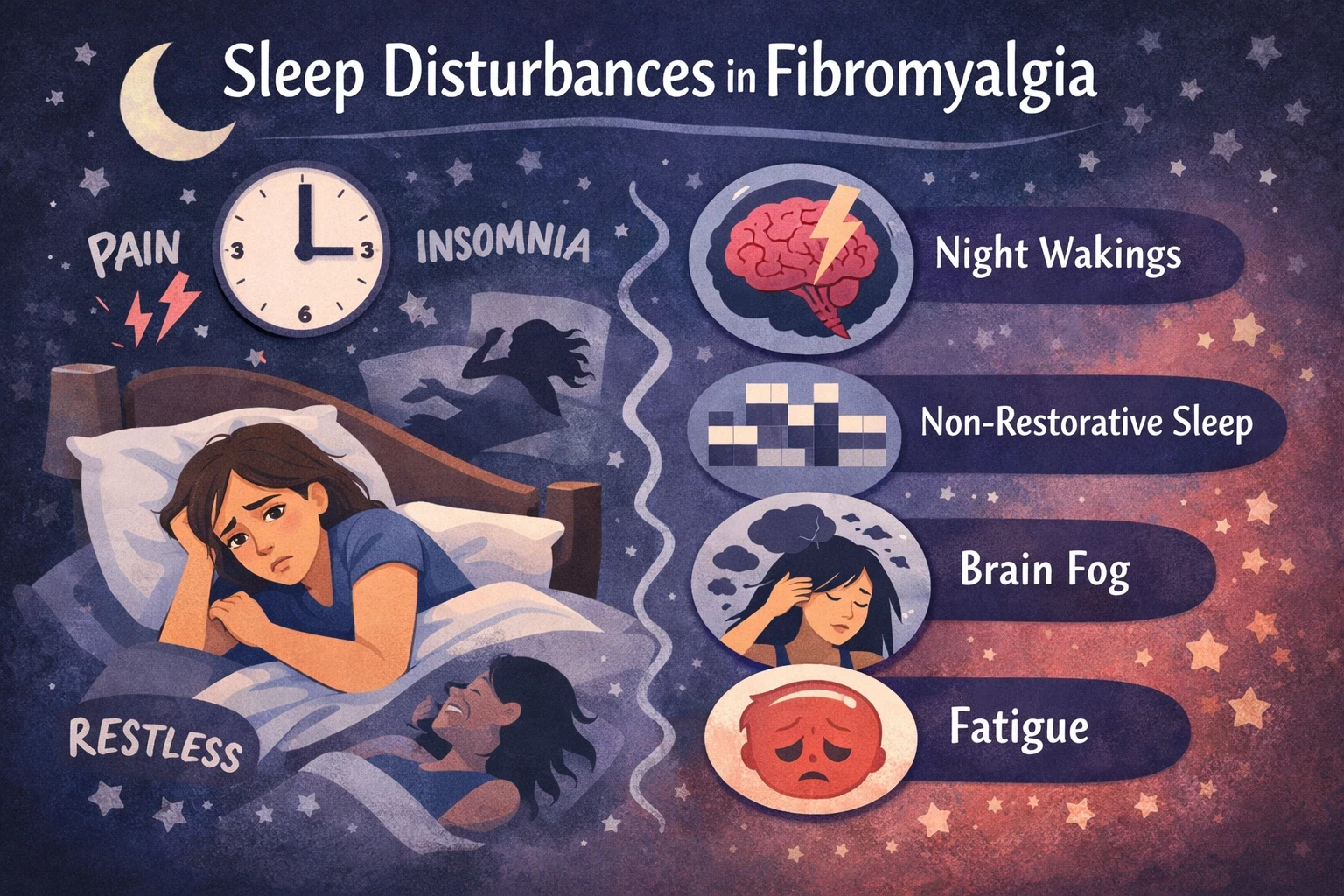
What Are Sleep Disturbances in Fibromyalgia?
Sleep disturbances in fibromyalgia include:
- Difficulty falling asleep
- Frequent night awakenings.
- Light, non-restorative sleep
- Early morning waking
- Vivid dreams or restless sleep
- Coexisting insomnia
Many people describe feeling as though they “never reach deep sleep.” Research shows that disrupted slow-wave sleep (the restorative phase) is common in fibromyalgia.
As a result, even eight hours in bed can feel like two.
If you want a broader overview of how pain patterns behave, you may find this helpful:
👉 Fibromyalgia pain symptoms: widespread and confusing Because pain and sleep are tightly linked, poor sleep raises pain sensitivity the next day — which then makes the next night harder. It becomes a loop.
Why Sleep Is So Fragile in Fibromyalgia
Several mechanisms appear to contribute:
1. Central Sensitization Fibromyalgia involves heightened nervous system sensitivity. This means ordinary sensory signals feel amplified.
The same sensitivity that increases pain can also make the brain more reactive at night.
This concept is explored further in: 👉 Treatment options for fibromyalgia pain When the nervous system stays “on alert,” deep sleep becomes harder to sustain.
2. Altered Neurotransmitters Serotonin, dopamine, and melatonin regulation may be altered in fibromyalgia.
These chemicals help regulate sleep cycles, mood, and pain processing. When out of balance, both rest and resilience decline.
3. Pain During the Night
Even subtle muscle tension or joint discomfort can trigger micro-awakenings.
You might not remember waking, but your brain never settles into restorative sleep stages.
4. Stress and Hypervigilance Chronic pain often creates anxiety about the next flare. That low-grade stress keeps cortisol levels slightly elevated, which interferes with falling and staying asleep.
How Sleep Disturbances in Fibromyalgia Affect Daily Life
Sleep disturbances in fibromyalgia don’t just cause tiredness.
They influence:
- Increased pain sensitivity
- Reduced concentration and memory
- Mood swings or low motivation
- Slower recovery after activity
- Heightened fatigue
If you’ve noticed that poor sleep makes everything feel worse the next day, you’re not imagining it.
Sleep quality strongly predicts symptom severity.
For product-focused approaches that many readers explore, you can review: 👉 Fibromyalgia pain relief products: what helps and what to expect
Some tools may support comfort at night, although they work best alongside routine adjustments.
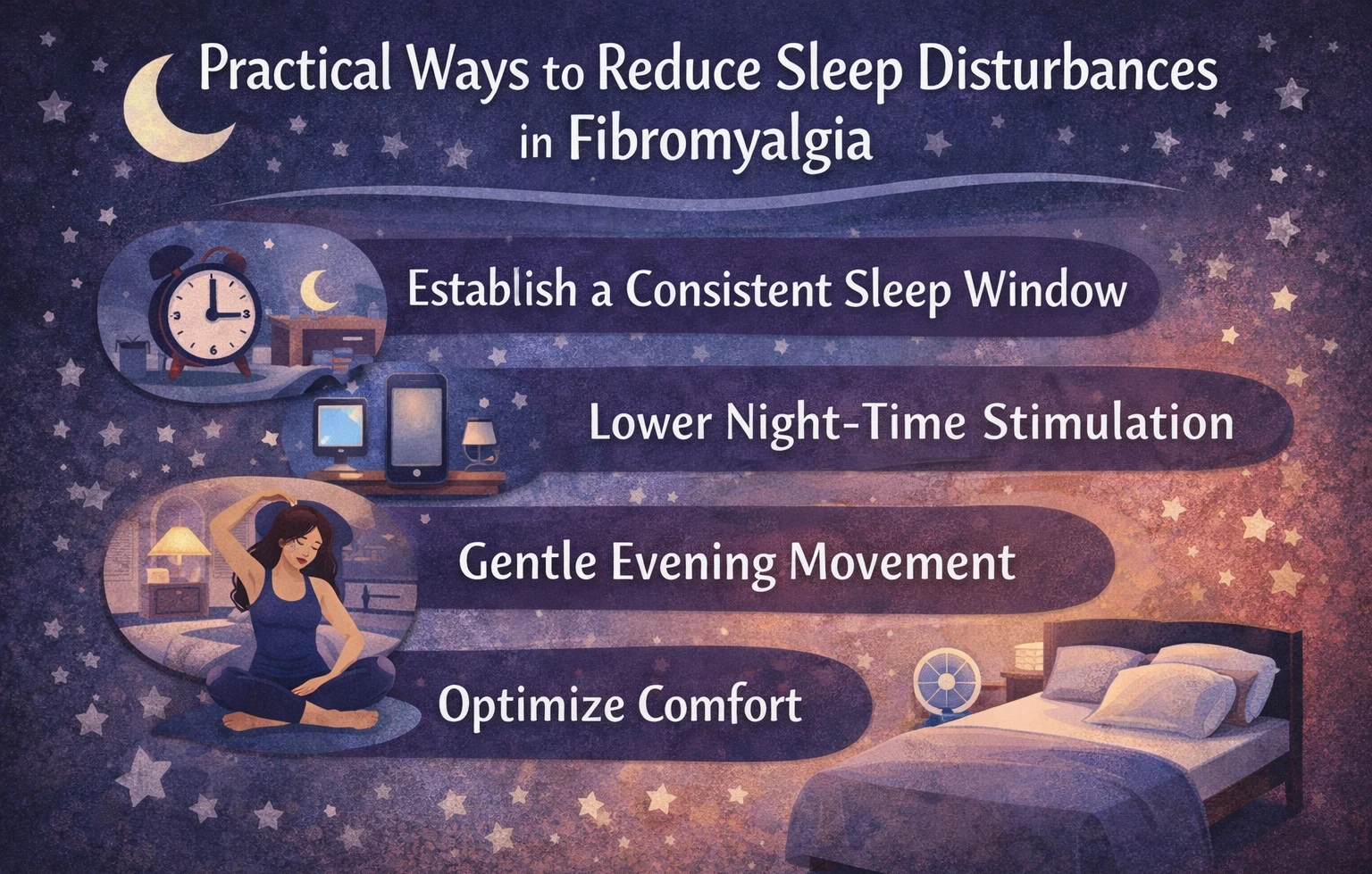
Practical Ways to Reduce Sleep Disturbances in Fibromyalgia
Improving sleep isn’t about perfection. It’s about small, consistent changes.
Establish a Consistent Sleep Window
Getting to bed around the same time, and waking up approximately at the same time.
Don’t change the routine even at the weekend.
Regular timing stabilizes circadian rhythm signals.
Lower Night-Time Stimulation
An hour before bed:
Dim lights Reduce screen exposure
Avoid intense conversations Limit late caffeine
The nervous system benefits from predictable wind-down cues.
Gentle Evening Movement
Light stretching or slow mobility work can reduce muscle guarding.
Avoid aggressive exercise late at night, as that may elevate stress hormones.
If movement strategies are new to you, this guide connects pain and activity patterns clearly: 👉 Movement, load, and pain sensitivity Balanced movement during the day often improves night sleep.
Optimize Comfort Consider:
Supportive mattress and pillow alignment
Slightly cooler bedroom temperature
Breathable bedding
Relaxation audio
These seem basic, yet small physical irritations can repeatedly trigger awakenings.
Address Underlying Stress
Breathing exercises, progressive muscle relaxation, or mindfulness techniques may reduce hyperarousal.
Even five minutes nightly can help retrain the nervous system.

The Role of Medication and Supplements
Some doctors may prescribe medications targeting sleep quality or nerve sensitivity.
Others recommend magnesium, melatonin, or certain low-dose antidepressants.
However, individual response varies.
As human beings each of us is unique, so what works for you may not work for me.
The best course of action is to book a consultation with a qualified healthcare person.
Get the best advice before you begin any new treatments.
Sleep disturbances in fibromyalgia often improve gradually rather than instantly.
Tracking patterns for two to three weeks can reveal meaningful shifts.
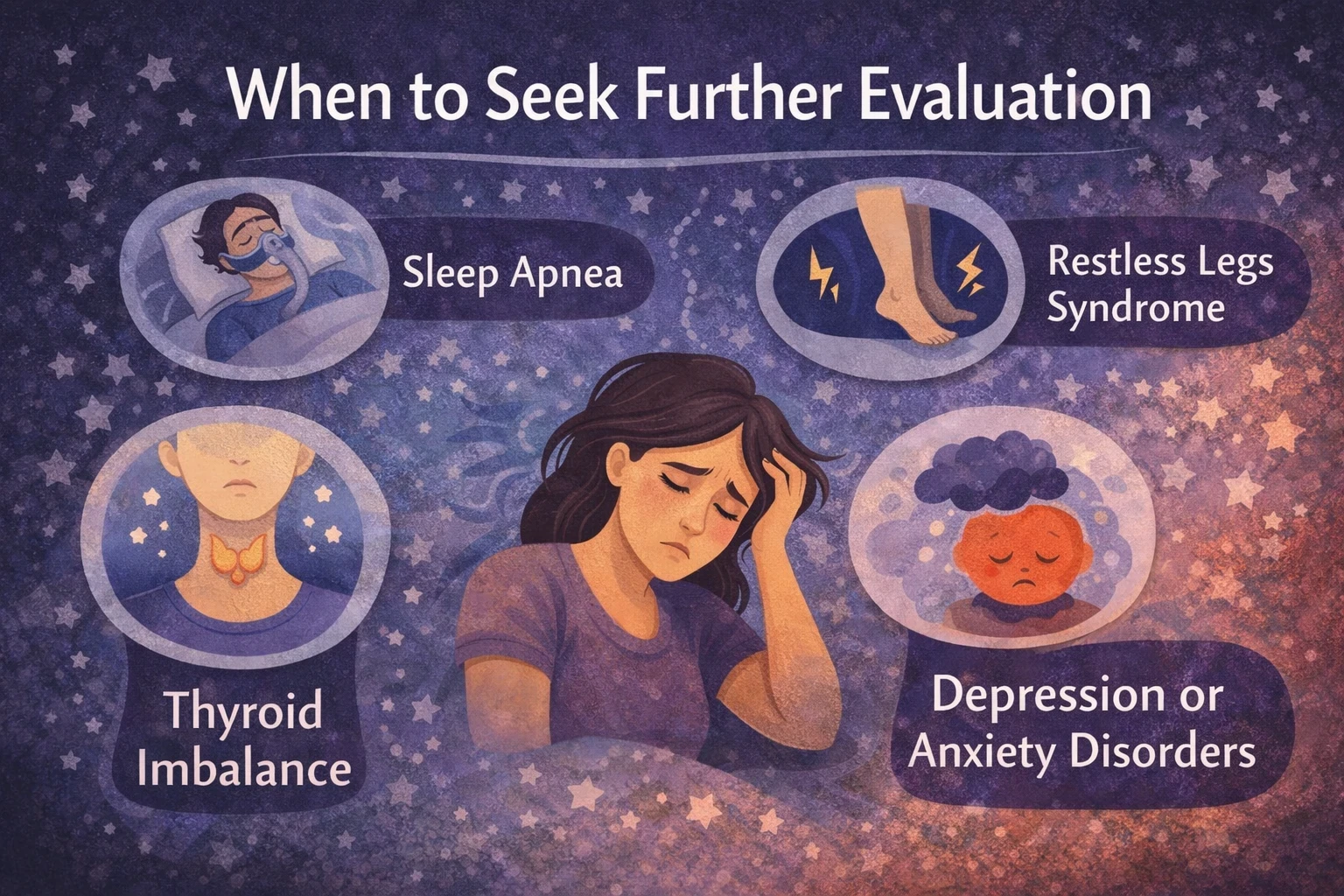
When to Seek Further Evaluation
If sleep disturbances in fibromyalgia are severe, consider screening for:
Sleep apnea
Restless legs syndrome
Thyroid imbalance
Depression or anxiety disorders
Coexisting conditions frequently compound sleep problems.
Treating them can significantly improve overall function.
A Balanced Perspective
It’s easy to feel discouraged when sleep remains inconsistent.
Yet even modest improvements in sleep quality can reduce next-day pain sensitivity.
Instead of aiming for “perfect sleep,” aim for “slightly better sleep.” One fewer awakening. Ten more minutes of deep rest.
A calmer bedtime routine. Those incremental wins add up.
Sleep disturbances in fibromyalgia are real, biologically influenced, and deeply intertwined with pain processing.
However, they are also modifiable over time through consistent nervous system support.
Small steps. Repeated daily. That’s often where real progress begins. — Scientific Studies https://pubmed.ncbi.nlm.nih.gov/14566248/ https://pubmed.ncbi.nlm.nih.gov/240901