Chronic Pain Treatment Options: A Practical, Layered Approach
Chronic Pain Treatment Options
Chronic pain treatment options are often misunderstood. Many people assume treatment means medication alone.
In reality, chronic pain is more complex.
It involves the nervous system, movement patterns, stress levels, inflammation, sleep quality, and sometimes past injury or illness.
If you’re building a strategy for long-term relief, the goal isn’t chasing quick fixes.
It’s creating a layered plan that supports the body and calms the nervous system over time.
Let’s walk through evidence-informed chronic pain treatment options in a way that feels practical and realistic.
Understanding Chronic Pain First
Chronic pain can be defined as pain that is constant for more than 12 weeks.
The nervous system is central to chronic pain because over a period of time the nervous system can get very sensitive.
Signals that once felt mild may now feel intense.
This doesn’t mean the pain isn’t real. It means the body’s alarm system is turned up.
If you want a deeper explanation of how long-term pain develops, you can explore: https://beyond-pain-relief.com/what-causes-chronic-joint-pain/
Understanding the mechanism behind pain changes how we approach chronic pain treatment options.
Instead of fighting pain aggressively, we work to reduce sensitivity.
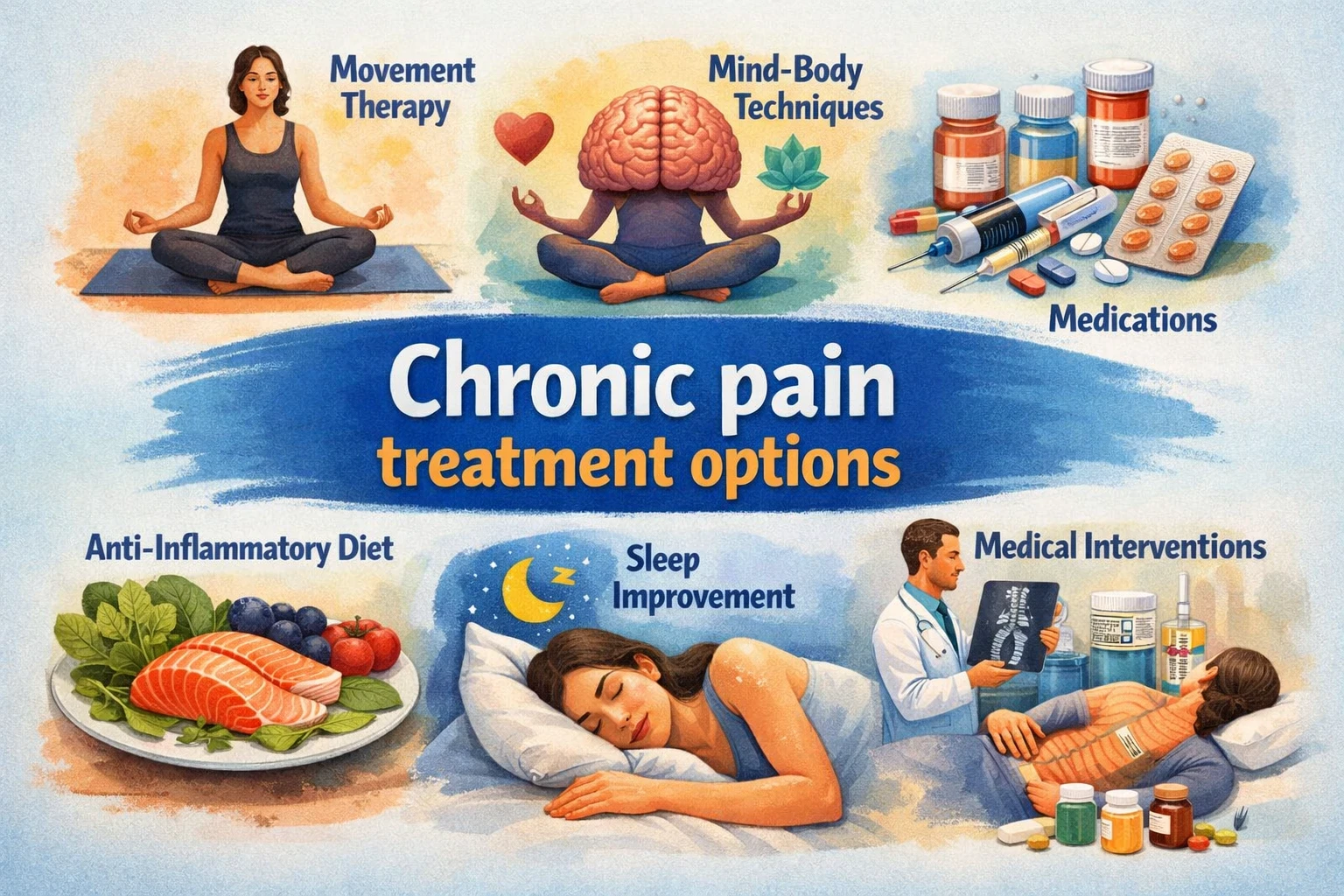
Movement as a Core Strategy
One of the most powerful chronic pain treatment options is graded movement.
This does not mean pushing through severe pain. It means:
• Gentle strength training
• Mobility work
• Walking programs
• Aquatic therapy
• Controlled range-of-motion exercises
Movement helps retrain the nervous system. It improves circulation, supports joint health, and rebuilds confidence in the body.
When done gradually, it reduces fear-avoidance patterns that often make pain worse long term.
Nervous System Regulation
Chronic pain treatment options must address stress physiology.
When the nervous system stays in a heightened state, pain signals amplify.
Helpful strategies include:
• Slow breathing techniques
• Mindfulness practices
• Cognitive behavioral therapy (CBT)
• Somatic relaxation exercises
• Guided body scans
These tools reduce central sensitization over time. They are not “just psychological.” They directly influence how the brain processes pain.
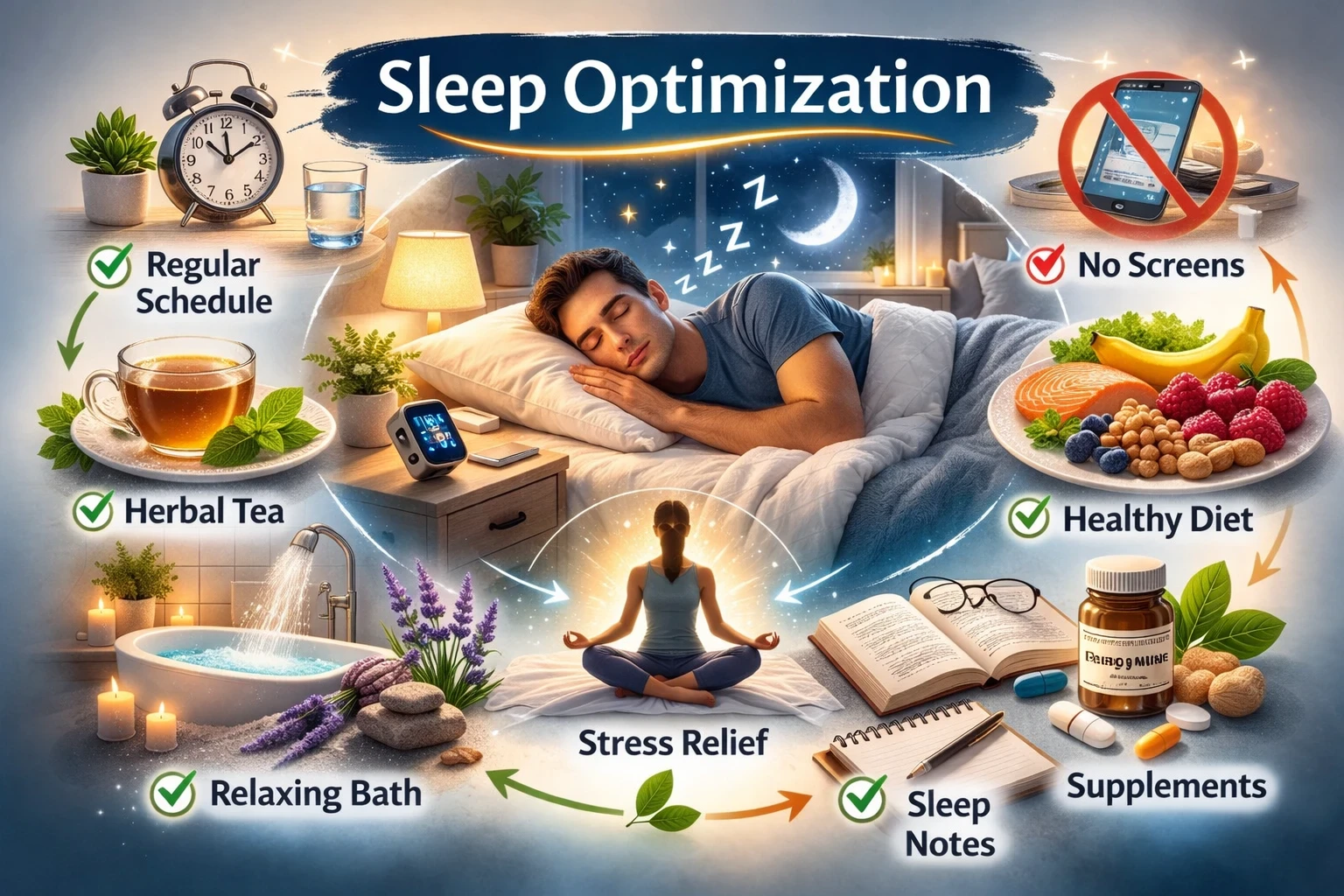
Sleep Optimization
Poor sleep lowers pain tolerance. That’s not a personal weakness. It’s biology.
Among the most underrated chronic pain treatment options is improving sleep hygiene:
• Consistent sleep schedule
• Dark, cool bedroom
• Limiting screens before bed
• Reducing late caffeine
Quality sleep improves tissue recovery and reduces inflammatory load.
For a practical breakdown of sleep strategies, see: https://beyond-pain-relief.com/sleep-hygiene-tips-practical-habits-that-improve-sleep-quality/
Targeted Medications (When Appropriate)
Medications are sometimes necessary. They may include:
• NSAIDs
• Acetaminophen
• Certain antidepressants
• Nerve-targeting medications
• Short-term muscle relaxants
Medication can be part of chronic pain treatment options, but rarely the full solution.
The most effective plans combine medication with lifestyle and rehabilitation strategies.
Long-term reliance without addressing underlying drivers often leads to plateaus.
Anti-Inflammatory Nutrition
Nutrition influences inflammation levels, metabolic health, and tissue repair.
Chronic pain treatment options often include:
• Omega-3 fatty acids
• Colorful fruits and vegetables
• Adequate protein intake
• Reducing ultra-processed foods
• Magnesium support
This isn’t about extreme dieting. It’s about supporting the internal environment where healing happens.
Physical and Manual Therapies
Hands-on approaches can be helpful short term:
• Physical therapy
• Myofascial release
• Massage therapy
• Chiropractic adjustments
• Acupuncture
These approaches may reduce pain sensitivity and improve mobility. However, they tend to work best when paired with active movement strategies.
Passive care alone is rarely a complete long-term answer.
Interventional Procedures
For some individuals, advanced chronic pain treatment options may include:
• Steroid injections
• Nerve blocks
• Radiofrequency ablation
• Implantable devices
These procedures are typically reserved for specific diagnoses and are best considered after conservative strategies have been explored.
They can reduce pain, but functional rehabilitation remains essential.

Supplements That May Support Comfort
Some people explore supportive supplements alongside medical care:
• Turmeric (curcumin)
• Magnesium
• Boswellia
• Vitamin D (if deficient)
• Collagen for joint support
Supplements are not magic. They may support inflammation balance and muscle relaxation when used appropriately.
Always check interactions with healthcare providers.
Go to HerbsPro website for top quality science based supplements for chronic pain.
Psychological Flexibility and Pain Reframing
Chronic pain treatment options also include reshaping how pain is interpreted.
Pain catastrophizing increases distress and amplifies symptoms.
Working with trained therapists can help reframe pain signals as manageable rather than threatening.
This shift reduces stress hormones and muscle tension.
It’s subtle work — but powerful.
What Makes Chronic Pain Treatment Options Work Long-Term?
Long-term success usually includes:
• Consistency
• Layered strategies
• Gradual progression
• Realistic expectations
• Reduced fear of movement
The most effective chronic pain treatment options are not aggressive. They are sustainable.
Think of it like turning down the volume knob on the nervous system instead of trying to smash the speaker.
When to Seek Medical Evaluation
Red flags include:
• Sudden unexplained weight loss
• Fever with pain
• Progressive weakness
• Loss of bowel or bladder control
• Trauma-related pain
If you have any concerns at all call your doctor immediately.
The Bigger Picture
Chronic pain and how to deal with it is not one-size-fits-all.
The most resilient plans combine movement, nervous system regulation, sleep, nutrition, and appropriate medical support.
Pain is complex. But complexity also means opportunity. There are multiple levers you can gently adjust.
The goal isn’t eliminating every sensation overnight. It’s restoring function, reducing sensitivity, and rebuilding trust in your body over time.
Scientific Evidence
https://pubmed.ncbi.nlm.nih.gov/28192787/
https://pubmed.ncbi.nlm.nih.gov/25922478/
 Previous Post
 Next Post