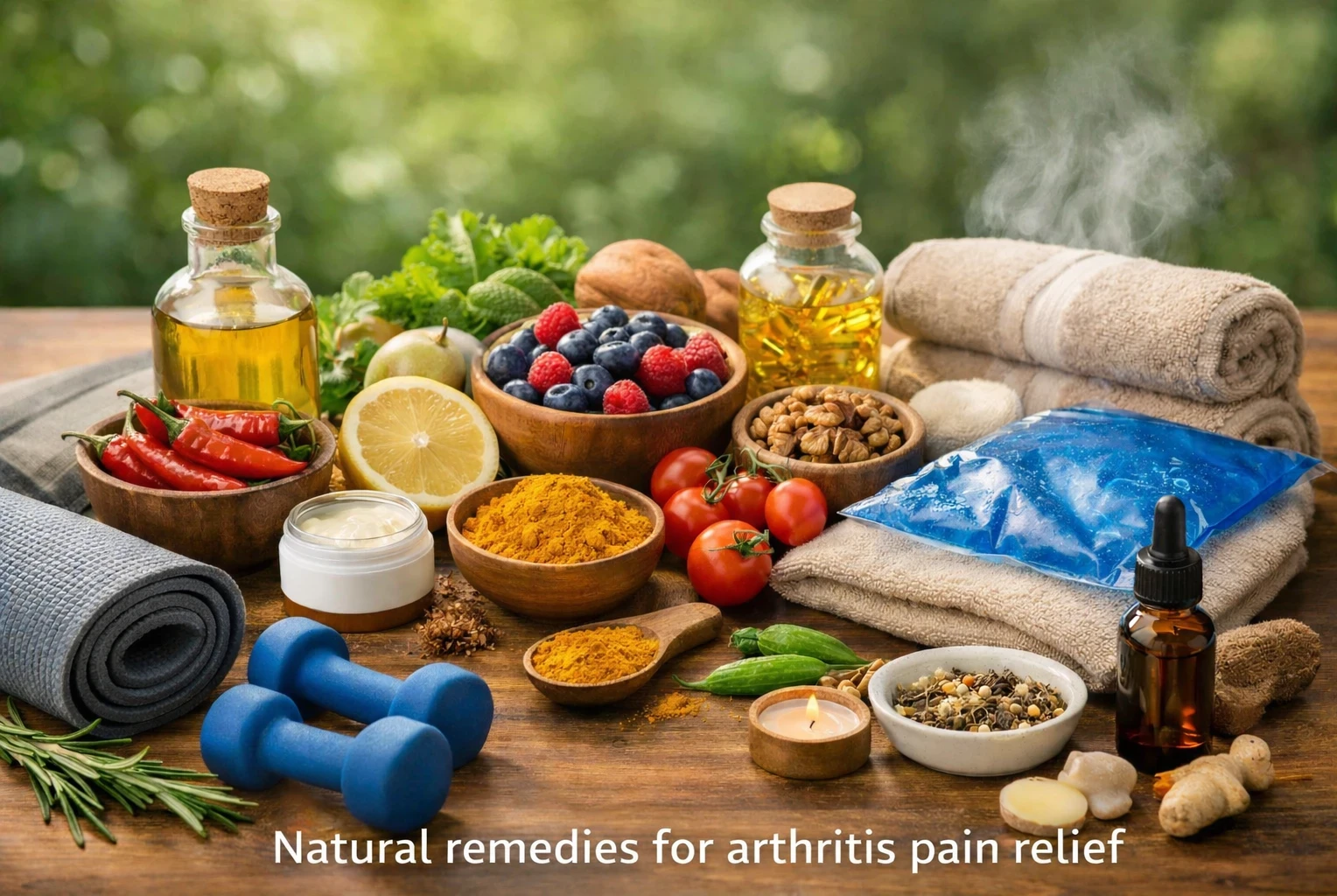
Natural Remedies For Arthritis Pain Relief
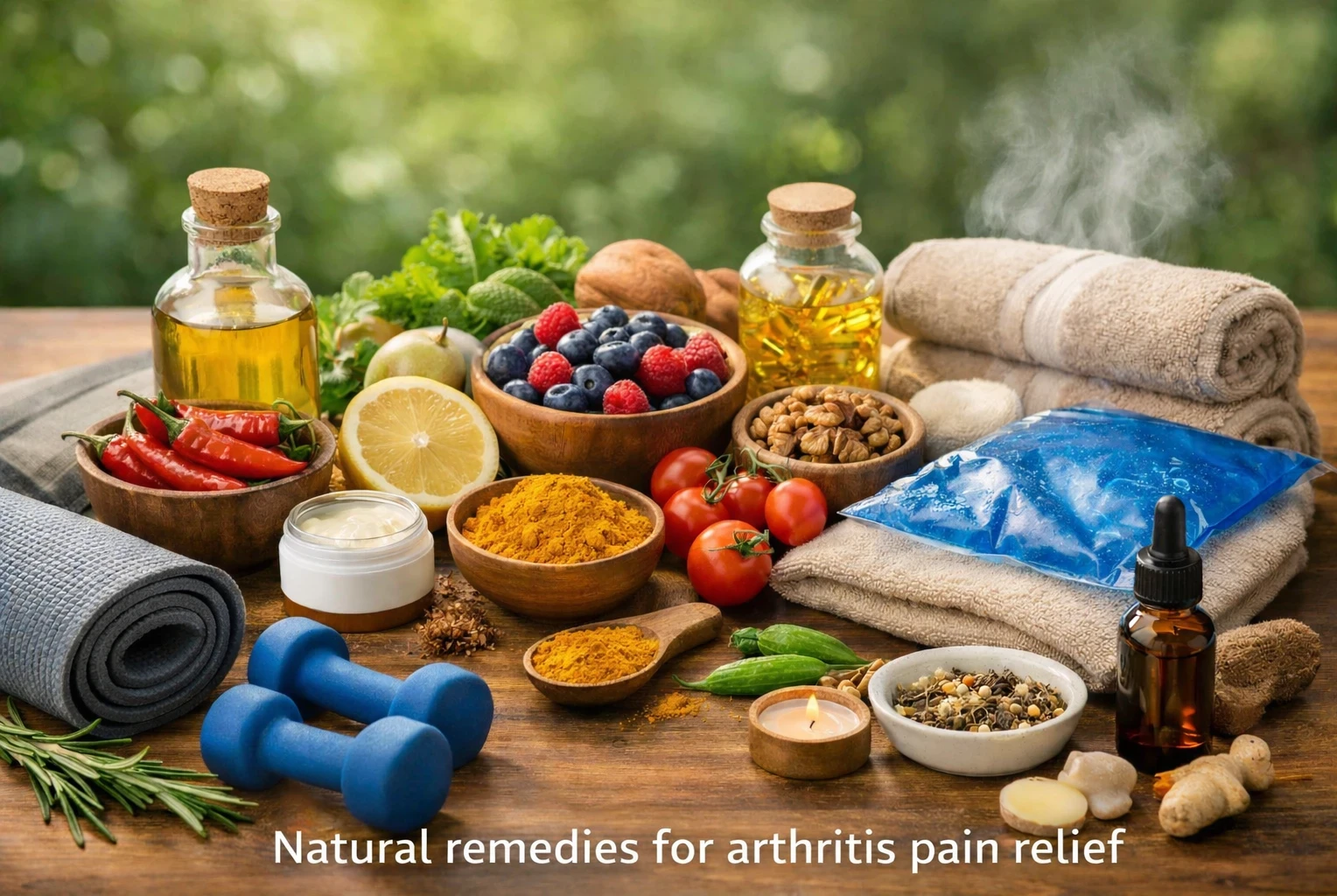
Natural remedies for arthritis pain relief
Natural remedies for arthritis pain relief can be a real comfort when your joints feel stiff, swollen, or simply worn down by daily life.
Arthritis pain is not “just in the joints.”
Your nervous system, stress levels, sleep, and movement habits can all influence how strongly pain is felt.
That is good news, because it means there are several gentle, natural options you can combine to improve day-to-day comfort.
A helpful starting point is understanding what pain is doing, rather than fighting it in fear.
To learn more about natural pain relief products and therapies go here.
When pain feels threatening, the body often tightens up, movement reduces, and sensitivity can rise.
If you want a calm foundation first, read Understanding Pain Beyond Symptoms.
1) Gentle movement (the most reliable “natural remedy”)
For many people, the biggest turning point is safe, consistent movement. Arthritis can make you want to protect the area by avoiding activity.
The problem is that long periods of stillness often increase stiffness, reduce strength, and make joints feel more fragile.
Try this approach:
- Move little and often. Think 5–10 minutes, 2–4 times per day.
- Choose low-impact options. Walking, cycling, swimming, and water exercise are joint-friendly for many people.
- Stay below the “flare-up line.” Mild discomfort can be normal, but sharp or escalating pain is a signal to reduce intensity or duration.
- Progress slowly. Add time before adding difficulty.
Movement also helps the nervous system learn that the body is safe again, which can reduce sensitivity over time.
If you want a broader non-drug framework that fits arthritis, Pain Relief Without Drugs is a useful companion page.
To learn more about natural pain relief products and therapies go here.
2) Strengthening without overloading your joints
Weak muscles increase stress on joints. Strengthening is not about pushing hard.
It is about supporting the joint so daily tasks feel easier.
A simple pattern:
- 2–3 days per week
- 1–2 exercises for the affected area (e.g., hips and thighs for knee arthritis)
- Slow, controlled reps
- Stop before form breaks down
Even small gains in strength can reduce strain and improve confidence.
If fear has built up around movement, learning why pain can stay “switched on” is often reassuring: Why Pain Persists Even When Nothing Is Wrong.

3) Heat and cold therapy for flare-ups and stiffness
Heat and cold are simple, affordable, and often surprisingly effective.
- Heat (warm shower, heat pack) tends to help stiffness, muscle tension, and “rusty” joints.
- Cold (cold pack wrapped in cloth) may help swelling, flare-ups, or hot, irritated joints.
Use whichever feels best. Many people do heat in the morning for stiffness, and cold later if a joint feels inflamed.
Get the best heat and cold packs products here.
4) Anti-inflammatory eating that is realistic (not perfect)
Diet won’t “cure” arthritis, but it can support steadier energy, fewer inflammatory spikes, and better recovery.
A practical, sustainable target:
- More: colourful vegetables, berries, olive oil, beans/lentils, nuts/seeds
- Consider: oily fish (or discuss omega-3 with a clinician if you don’t eat fish)
- Less: ultra-processed foods, excess sugar, frequent alcohol
If you want a clear guide you can link to, Nutrition and Anti-Inflammatory Diets covers the basics in a calm, sensible way.
5) Calming the nervous system (breathing, relaxation, mindfulness)
Arthritis pain is often louder when the body is under stress. That does not mean the pain is imagined. It means your system is protective.
Simple tools that many people tolerate well:
- Slow breathing: 4 seconds in, 6 seconds out, for 3–5 minutes
- Body scan: gently relax shoulders, jaw, hands, and the area around the painful joint
- Mindful pacing: alternate activity and rest before you crash into a flare-up
If you want a helpful science-based explanation of how pain gets “turned up,” link to How Pain Signals Are Generated.
6) Topical natural options (and how to use them safely)
Some topical approaches can help as part of your toolkit:
- Capsaicin cream (derived from chilli peppers) can reduce pain in osteoarthritis for some people. It often works best when used consistently, but it can cause a burning sensation at first. Wash hands carefully and avoid eyes.
- Massage with a neutral oil (or a gentle balm) may reduce muscle guarding around the joint, even if it doesn’t change the arthritis itself.
Topicals are usually best viewed as supportive comfort measures that help you move more easily.
When to get medical advice urgently
Natural remedies for arthritis pain relief are supportive, but seek medical care promptly if you have:
- a hot, very swollen joint with fever
- sudden inability to bear weight after injury
- rapidly worsening swelling/redness
- unexplained weight loss, night sweats, or severe fatigue
To learn more about natural pain relief products and therapies go here.
Scientific studies (for the evidence base)
- https://www.arthritis.org/health-wellness/healthy-living/managing-pain/pain-relief-solutions/natural-relief-for-arthritis-pain
- 2.https://www.brownhealth.org/be-well/foods-fighting-inflammation-arthritis-and-joint-pain