Understanding Neuropathic Pain A Scientific Perspective
Understanding Neuropathic Pain
Understanding neuropathic pain is essential for anyone experiencing persistent or unexplained discomfort that does not behave like typical injury pain.
Neuropathic pain originates from dysfunction within the nervous system itself, rather than from damage to muscles, joints, or other tissues.
This difference explains why nerve pain can feel confusing, unpredictable, and difficult to manage using standard approaches.
Many people living with neuropathic pain describe sensations such as burning, tingling, electric shocks, numbness, or extreme sensitivity.
These symptoms can occur even when medical scans appear normal.
Learning how neuropathic pain develops can reduce fear and frustration and help people make sense of why pain may persist.

What Is Neuropathic Pain?
Neuropathic pain occurs when nerves are damaged, irritated, compressed, or sensitised.
Instead of transmitting accurate information to the brain, affected nerves send distorted or exaggerated signals.
The brain interprets these faulty signals as pain, even when there is no immediate physical threat.
This type of pain can develop after:
- Nerve injury or trauma
- Compression or entrapment of nerves
- Metabolic conditions such as diabetes
- Viral or bacterial infections affecting nerves
- Surgery involving nerve tissue
- Long-term nervous system sensitisation
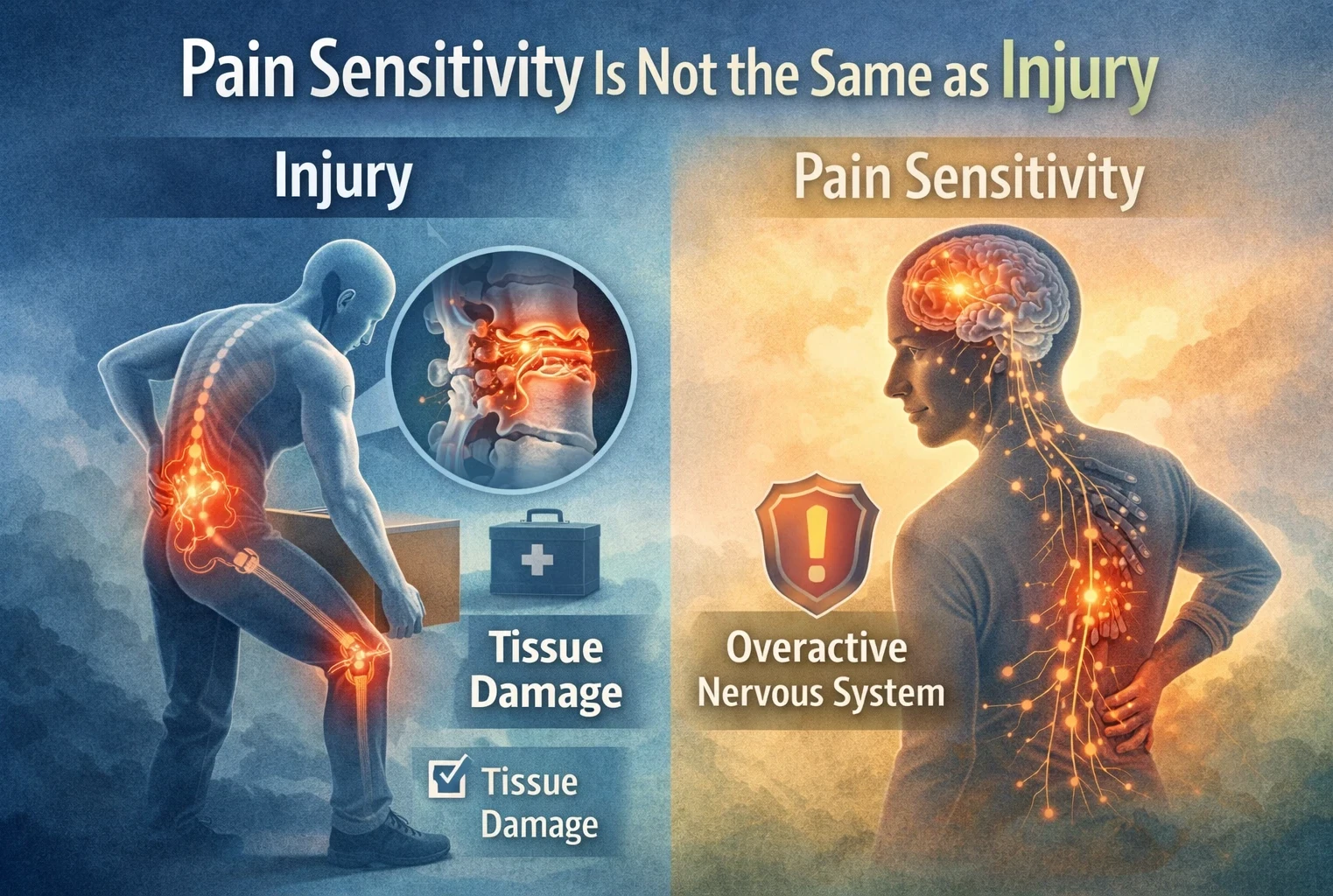
Because the source of neuropathic pain is altered nerve signalling rather than tissue injury, it often behaves differently from inflammatory or mechanical pain.
How Neuropathic Pain Differs From Other Pain Types
Understanding neuropathic pain requires separating it from other forms of pain.
Nociceptive pain is caused by tissue damage or inflammation, such as a sprain or cut.
Neuropathic pain is caused by dysfunction within the nerves themselves.
Central sensitisation involves heightened pain processing in the brain and spinal cord.
Neuropathic pain may continue even after tissues have healed.
This does not mean the pain is imagined.
It means the nervous system has become overly protective and is continuing to produce pain signals.
A more detailed explanation of nerve-related pain mechanisms is available here: https://beyond-pain-relief.com/why-nerve-pain-ooccurs/
Common Causes of Neuropathic Pain
Neuropathic pain can arise from many different triggers. Some of the most common include:
- Sciatic nerve irritation
- Disc or spinal changes affecting nerve roots
- Repetitive strain or prolonged poor posture
- Post-surgical nerve irritation
- Shingles and post
Natural remedies for back pain are often explored by people who want relief that supports the body rather than overriding it.
Back pain can affect work, sleep, confidence, and daily movementherpetic neuralgia
Chronic stress and nervous system overload In some cases, the original injury or irritation resolves, but pain continues because the nervous system has learned to remain on high alert.

Common Symptoms of Neuropathic Pain
Neuropathic pain is often described using sensory language rather than structural terms.
Symptoms may include:
- Burning or freezing sensations
- Pins and needles
- Shooting or stabbing pain
- Electric shock-like jolts
- Numbness combined with pain
- Sensitivity to light touch, clothing, or pressure
Symptoms often fluctuate and may worsen with stress, poor sleep, fatigue, or fear of movement.
Why Neuropathic Pain Persists
A key part of understanding neuropathic pain is recognising why it can become long-lasting.
When pain pathways are repeatedly activated, the nervous system adapts by becoming more efficient at producing pain.
Factors that can contribute to persistence include:
- Ongoing stress or anxiety
- Poor sleep quality
- Fear-based movement avoidance
- Previous pain experiences
- Inflammation affecting nerve signalling
Over time, pain may continue even when the original cause is no longer present.
The Role of the Nervous System
The nervous system’s primary role is protection.
When it perceives danger—whether physical or learned—it increases pain output to encourage caution.
In neuropathic pain, this protective response can become exaggerated.
Supportive approaches often focus on helping the nervous system feel safer by:
- Reducing perceived threat
- Restoring confidence in movement
- Improving sleep and recovery
- Managing stress and overload
- Providing calm, consistent sensory input
A broader overview of whole-system approaches can be found here: https://beyond-pain-relief.com/chronic-pain-treatment-options/
Why Scans Can Appear Normal
Many people with neuropathic pain are told their scans are “normal.”
This can be discouraging. However, imaging tools such as MRI and X-ray show structure, not nerve signalling quality.
Neuropathic pain is often functional rather than structural.
The issue lies in communication within the nervous system, not in visible damage.
Understanding this distinction can help reduce fear, which itself can amplify pain.
Supportive, Non-Drug Approaches
Neuropathic pain often responds best to a combination of supportive strategies rather than a single solution.
Many people explore self-directed approaches that aim to support the nervous system rather than suppress symptoms.
These may include:
- Gentle, graded movement
- Education about pain mechanisms
- Sleep and stress regulation
- Sensory-based self-help tools
Some people explore TENS (transcutaneous electrical nerve stimulation) as a self-help option that provides non-invasive sensory input.
Others look at supportive tools such as heat cushions or physical supports as part of a broader approach.
These options are typically used alongside education and lifestyle strategies rather than as standalone solutions.
Living With Neuropathic Pain
Understanding neuropathic pain can change the relationship people have with their symptoms.
When fear decreases, the nervous system often begins to settle.
Progress is usually gradual and may not follow a straight line, but clarity and reassurance play an important role.
Neuropathic pain does not automatically mean ongoing damage.
In many cases, it reflects a nervous system that needs time, support, and consistent input to recalibrate.
Key Takeaways
Neuropathic pain originates from nerve dysfunction rather than tissue damage Symptoms are often burning, tingling, electric, or hypersensitive
Normal scans do not rule out real pain.
The nervous system plays a central role in persistence Education and supportive strategies are essential — Scientific Research https://www.ncbi.nlm.nih.gov/pmc/articles/PMC3887567/ https://www.ncbi.nlm.nih.gov/pmc/articles/PMC5371025/ –
 Previous Post
 Next Post