Golf Elbow Pain Treatment
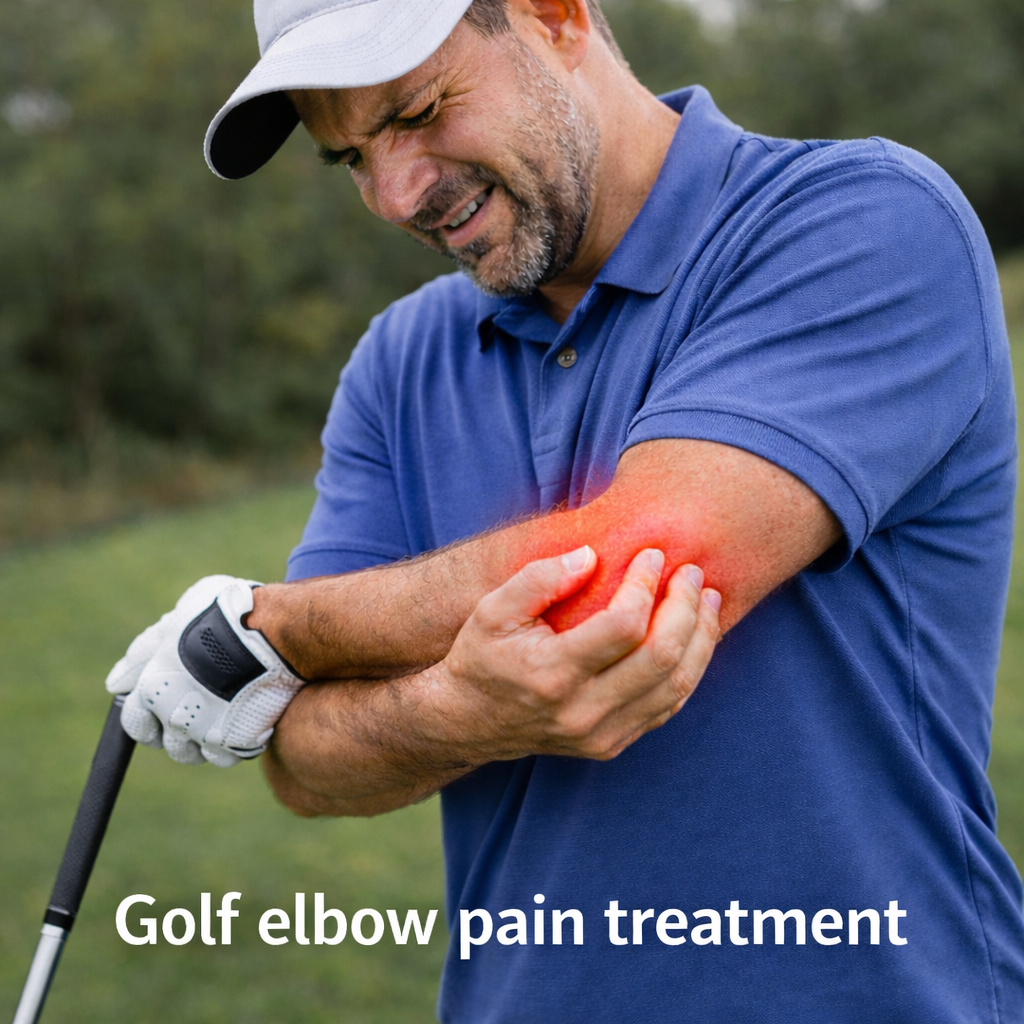
Golf elbow pain treatment
Golf elbow pain treatment is something many people start searching for when everyday tasks like gripping a mug, shaking hands, or lifting light objects suddenly hurt more than they should.
If you’re dealing with that deep, nagging ache on the inside of the elbow, you’re not alone—and there are realistic ways to approach relief without jumping straight to extremes.
This article walks through what causes golf elbow, how it usually shows up, and practical options for Golf elbow pain treatment that people actually use in real life.
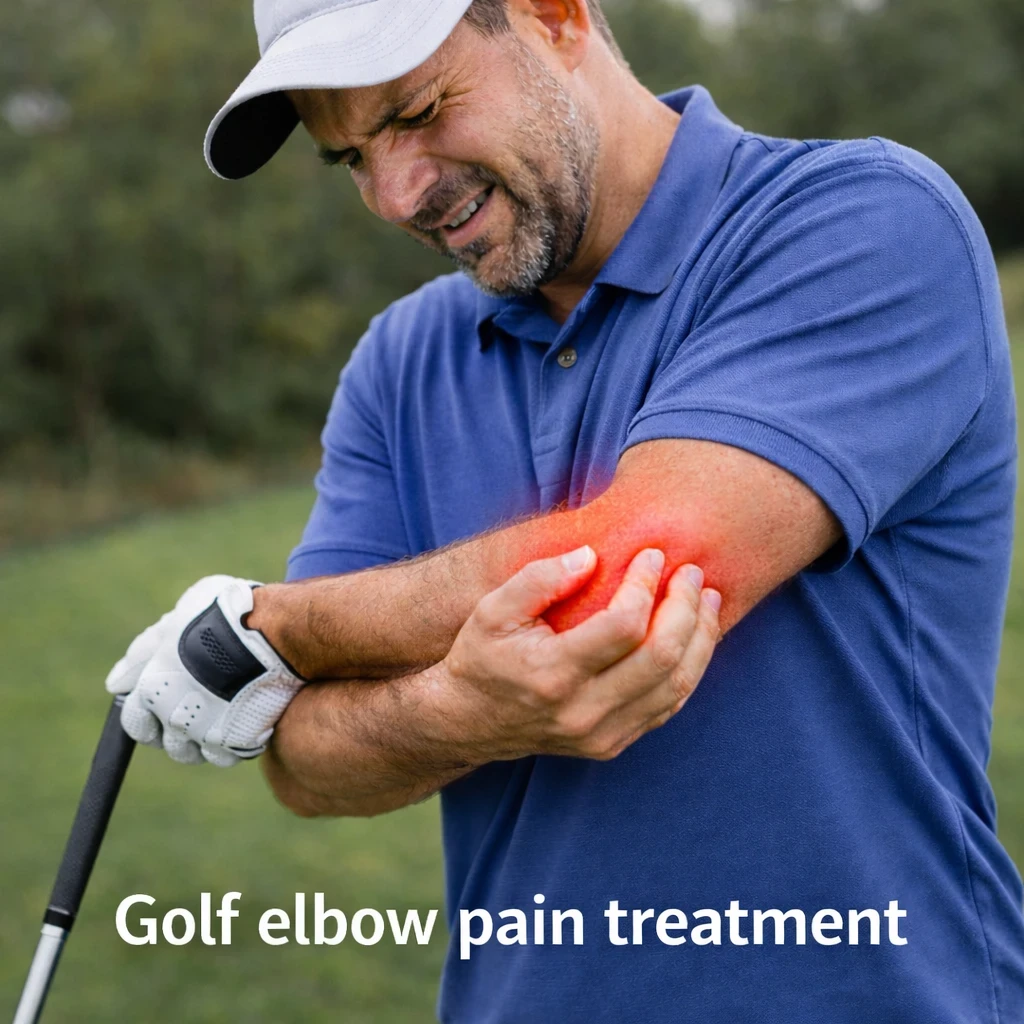
What causes golf elbow?
Golf elbow (medial epicondylitis) develops when the tendons that attach to the inner elbow become overloaded.
Despite the name, it’s not limited to golfers.
Common triggers include:
- Repetitive gripping or wrist flexion
- Manual work involving tools
- Weight training with poor load progression
- Prolonged computer or mouse use
- Sudden increases in activity without recovery
Over time, small tendon fibres become irritated and less tolerant to load.
Understanding this matters, because effective Golf elbow pain treatment focuses on restoring tendon capacity rather than just masking symptoms.
Typical symptoms to watch for
Golf elbow pain doesn’t always appear suddenly. Many people notice subtle warning signs first.
Common symptoms include:
- Ache or tenderness on the inside of the elbow
- Pain when gripping or squeezing
- Weakness in the hand or forearm
- Morning stiffness that eases slowly
- Flare-ups after activity rather than during it
The discomfort can also spread into the forearm, making everyday movements feel unreliable. At this stage, early Golf elbow pain treatment can prevent longer-term issues.
Why rest alone rarely fixes it
Complete rest often brings short-term relief, but tendons don’t recover strength through avoidance alone.
When load is reintroduced, pain usually returns.
That’s why modern treatment plans tend to focus on:
- Load management instead of total rest
- Gradual strengthening
- Calming irritated tissue while rebuilding tolerance
This balance is key, especially for people who can’t simply stop using their arm.
Practical treatment approaches that actually help
1. Activity modification (not avoidance)
Reducing aggravating movements temporarily—without eliminating all use—helps calm symptoms while keeping tissue active.
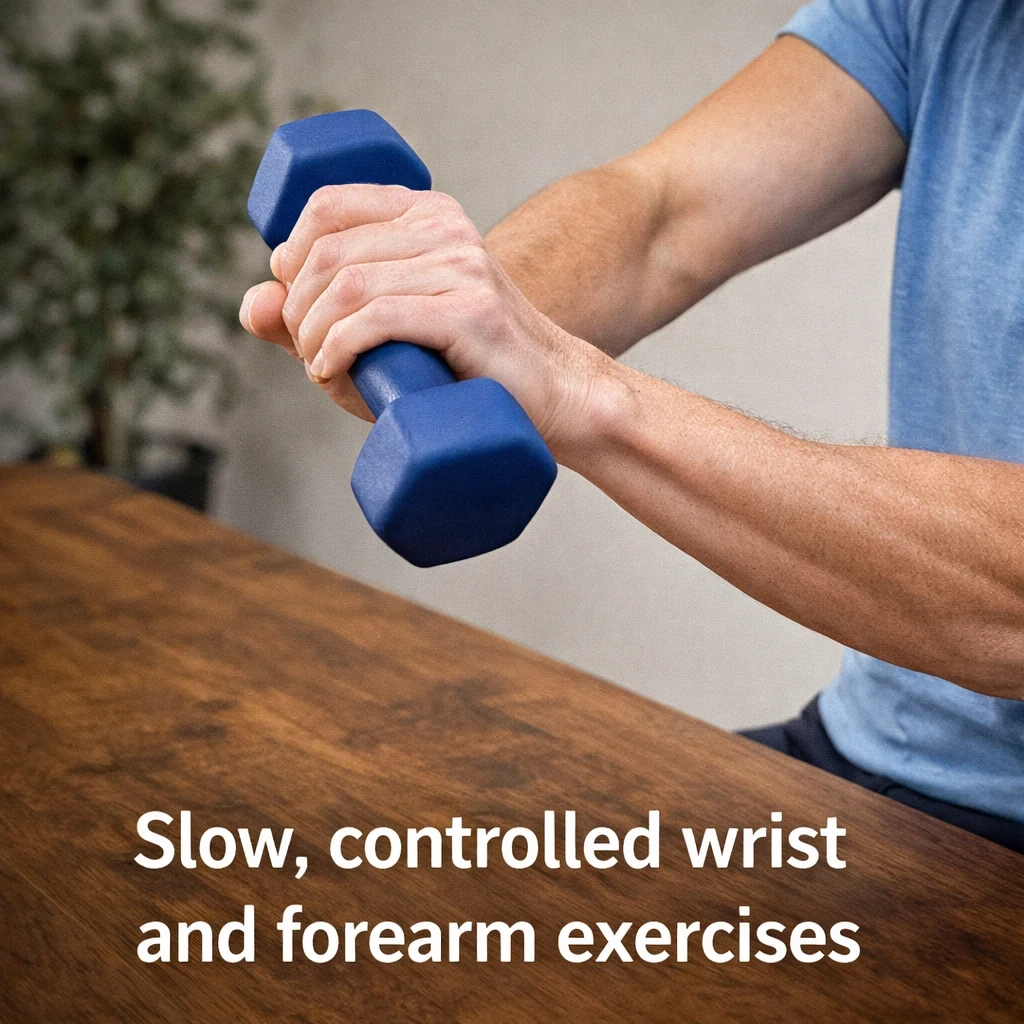
2. Targeted strengthening
Slow, controlled wrist and forearm exercises help tendons adapt. These don’t need to be intense to be effective.
3. Bracing and supports
Counterforce elbow straps may reduce strain during tasks. They’re not a cure, but can support other recovery strategies.
4. Heat or cold
Some people respond better to warmth, others to cooling.
Both can help manage symptoms, especially during flare-ups.
For people exploring broader options, approaches that align with
👉 Natural calm pain relief solutions
can be useful alongside exercise and pacing.
Topical options and Amazon-available supports
Some people choose to experiment with topical products as part of their Golf elbow pain treatment, particularly when trying to avoid regular oral painkillers.
DMSO gel
Dimethyl sulfoxide (DMSO) is known for its ability to penetrate skin and carry compounds into deeper tissues.
Some users report symptom relief, though responses vary widely.
If you’re researching this option, here’s a detailed guide to
👉 DMSO gel for inflammation support
Important notes:
- Start with low concentrations
- Apply only to clean, unbroken skin
- Avoid mixing with other topical products
- Patch test first
DMSO is not appropriate for everyone, and caution is essential.
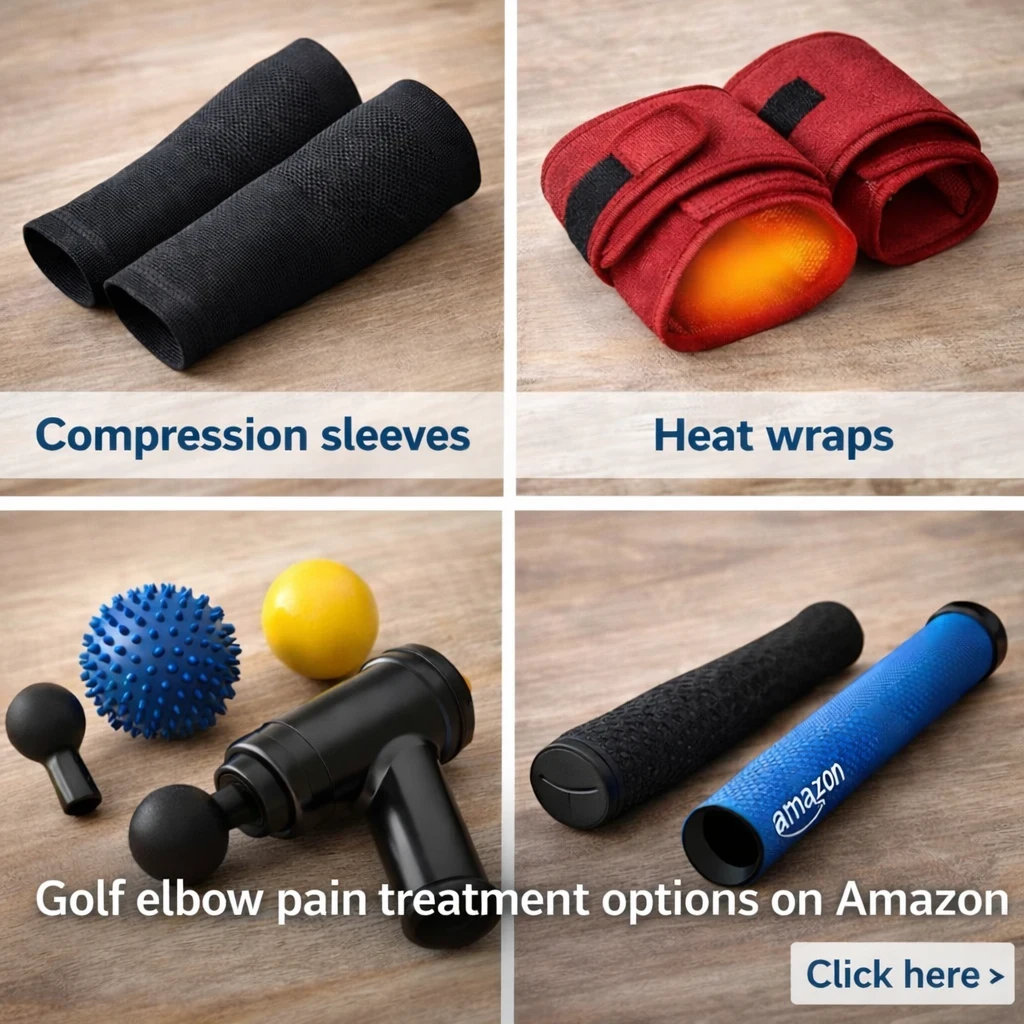
Other supportive options
- Compression sleeves
- Heat wraps
- Massage tools
- Ergonomic grips
Many people find these helpful when combined with education about
👉 your nervous system,
especially when pain has lingered and sensitivity has increased.
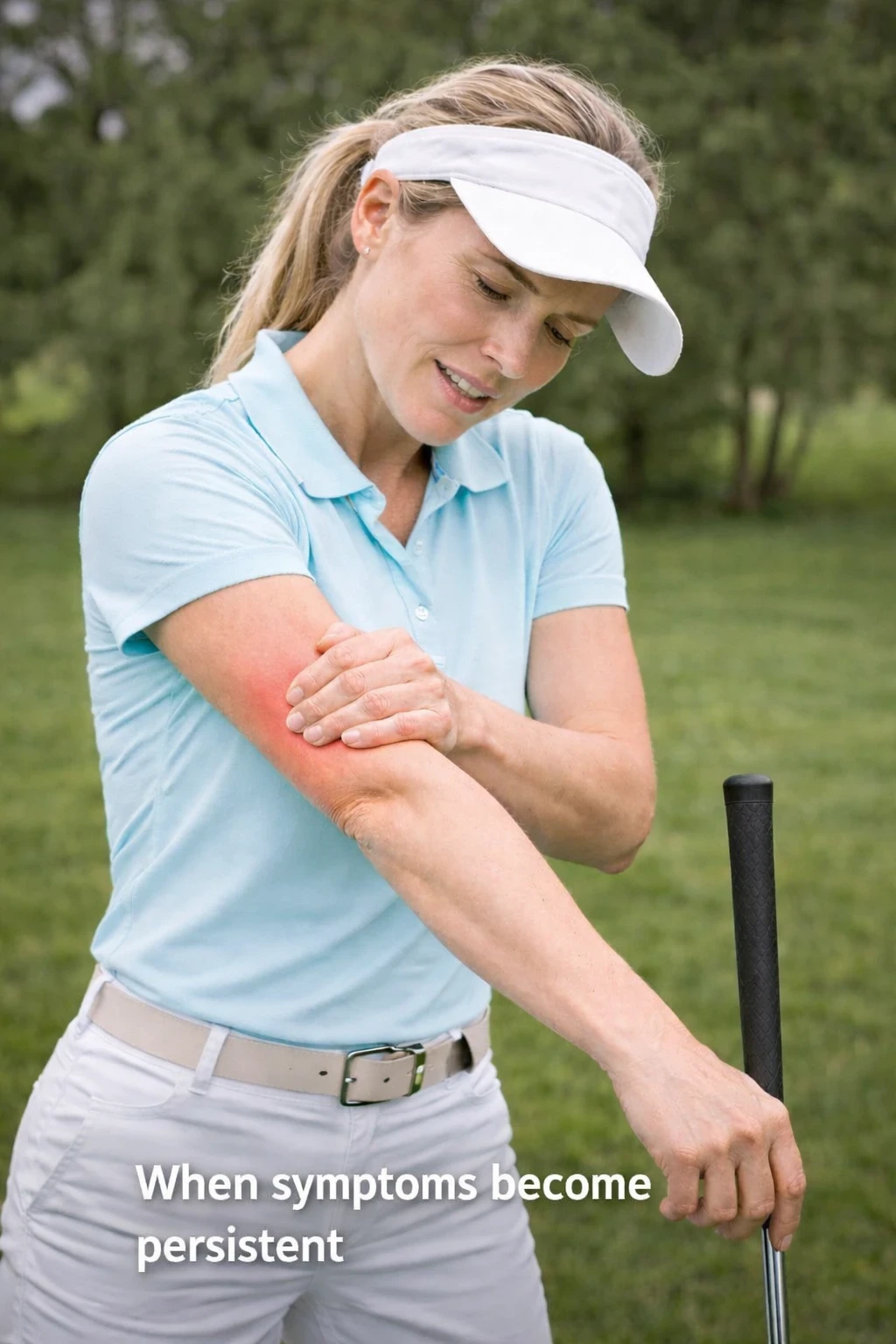
When symptoms become persistent
If pain lasts beyond several months, it doesn’t mean you’ve failed—it often means the tendon needs a slower, more structured approach.
Persistent cases usually respond best to:
- Progressive loading over weeks
- Nervous-system calming strategies
- Consistent routines rather than quick fixes
At this stage, Golf elbow pain treatment works best when expectations are realistic and progress is measured in function, not just pain levels.
A realistic outlook
Recovery from golf elbow is rarely linear. There will be good days and frustrating ones.
The goal of Golf elbow pain treatment isn’t to eliminate all discomfort overnight, but to steadily rebuild confidence and capacity in the arm.
Small improvements matter.
Being able to grip longer, recover faster, or flare less often are all meaningful signs you’re moving in the right direction.
Scientific study
https://pubmed.ncbi.nlm.nih.gov/19943997
 Previous Post
 Next Post
