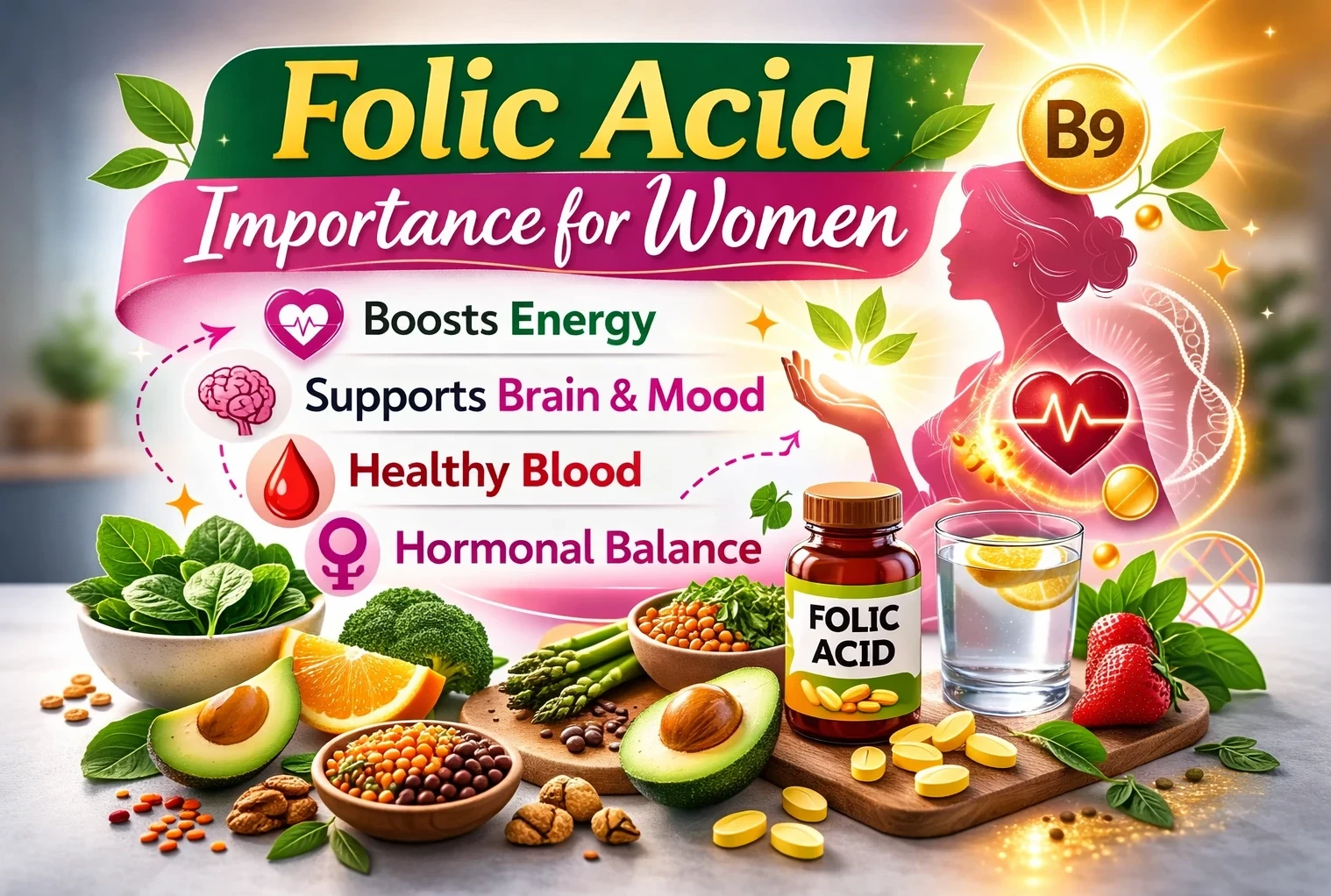
Folic Acid Importance for Women
Folic acid importance for women goes far beyond pregnancy.
While it’s widely known for supporting fetal development, this essential B-vitamin plays a steady and foundational role in energy production, mood regulation, red blood cell formation, and cellular repair throughout a woman’s life.
From teenage years through menopause and beyond, understanding folic acid importance for women helps support long-term health in a practical and preventative way.
Let’s look at why this nutrient matters at every stage.
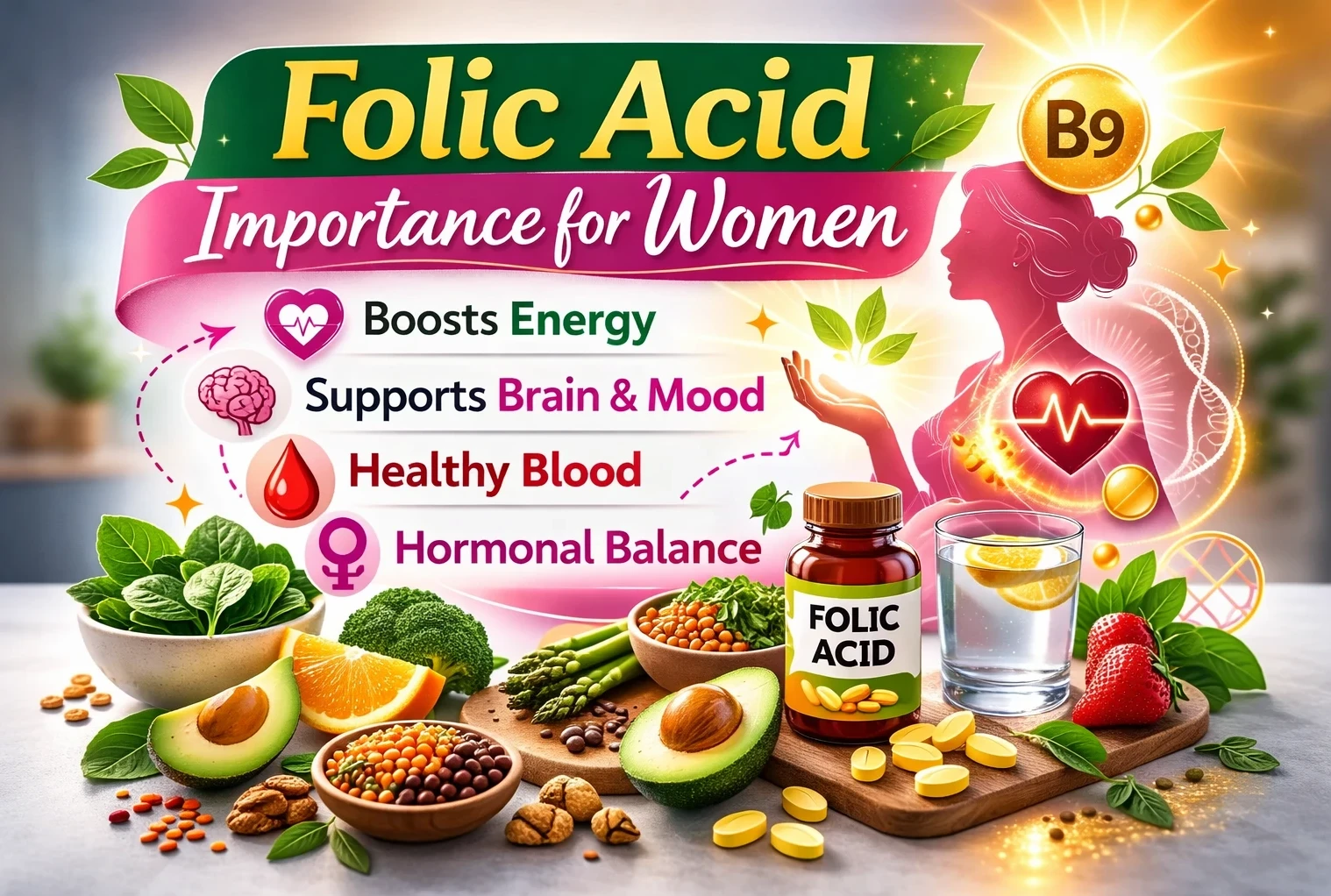
What Is Folic Acid?
Folic acid is the synthetic form of vitamin B9.
Naturally occurring folate is found in leafy greens, legumes, citrus fruits, and whole grains.
Once inside the body, it supports DNA synthesis, cell division, and proper tissue growth.
Because women experience menstrual cycles, hormonal shifts, pregnancy, and aging-related transitions, nutrient demands can fluctuate.
That ongoing demand is one reason folic acid importance for women remains relevant throughout adulthood.
If you are low on folic acid go to HerbsPro website for quality assured Folic Acid Supplements
If you’re interested in how active folate forms support energy metabolism, see our guide on 5 MTHF DR for energy.
Why Folic Acid Is Especially Important for Women
Red Blood Cell Production
One core reason behind folic acid importance for women is its role in producing healthy red blood cells.
Without enough folate, the body may struggle to form properly functioning cells.
This can lead to:
- Fatigue Weakness
- Pale skin
- Shortness of breath
- Brain fog
These symptoms are often dismissed as “just being tired,” but nutritional status plays a key role in cellular energy output.
Pregnancy and Neural Development
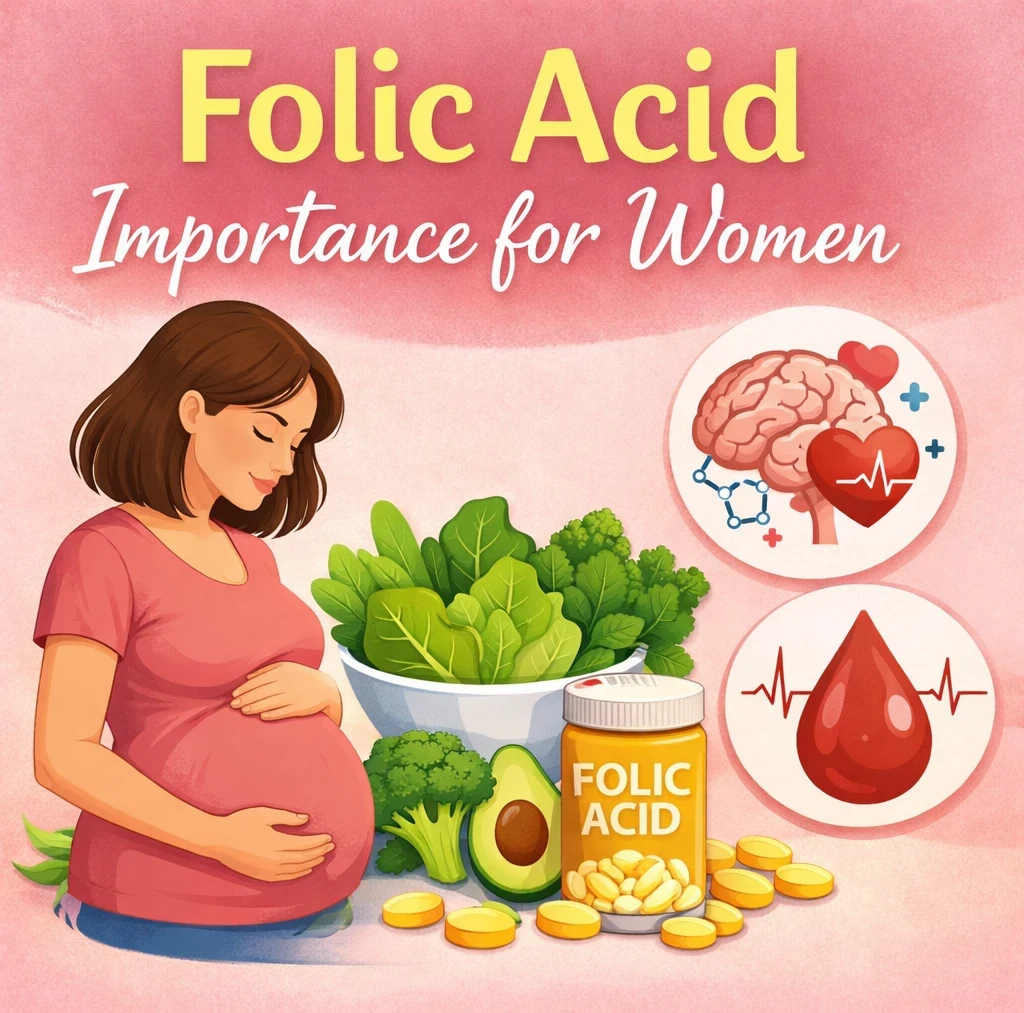
The most well-known aspect of this subject relates to early pregnancy.
Adequate intake before conception and during early pregnancy supports proper neural tube development.
Because neural tube formation happens very early — often before a pregnancy is confirmed — women of childbearing age are commonly advised to maintain consistent folate intake.
This is not about fear; it’s about preparation.
Hormonal and Mood Regulation
Folate participates in methylation processes that influence neurotransmitters such as serotonin and dopamine.
While it’s not a standalone mood treatment, adequate levels contribute to neurological stability.
Women navigating PMS, postpartum transitions, or perimenopause may benefit from ensuring basic nutrient foundations are in place.
For example, nutrients often work together.
You may also want to explore the broader benefits of magnesium since magnesium and B-vitamins frequently support overlapping pathways.
Signs of Low Folic Acid in Women
Recognizing deficiency early matters.
Symptoms may include:
- Persistent fatigue
- Irritability
- Mouth sores
- Headaches
- Pale complexion
- Reduced concentration In more advanced cases.
Deficiency can contribute to megaloblastic anemia.
If you want a deeper breakdown of warning signs, see our article on folic acid deficiency symptoms.
Understanding folic acid importance for women includes paying attention to subtle changes that may otherwise be overlooked.
If you are low on folic acid go to HerbsPro website for quality assured Folic Acid Supplements
Life Stages and Changing Needs
Adolescence
During teenage years, rapid growth increases nutrient requirements.
Menstruation also increases nutrient turnover, making consistent intake important.
Reproductive Years
For most adult women, general recommendations sit around 400 micrograms per day.
Because nearly half of pregnancies are unplanned, maintaining adequate intake is considered a proactive strategy.
This stage reinforces the importance of folic acid for women as a preventative health habit rather than a reactive one.
Pregnancy
During pregnancy, recommended intake typically increases to around 600 micrograms daily.
Healthcare providers may adjust this depending on individual history and risk factors.
Menopause and Beyond
Even after childbearing years, folate remains important.
It supports cardiovascular health, cognitive function, and cellular repair.
Folic acid importance for women does not end after pregnancy — it shifts focus toward long-term maintenance and healthy aging.
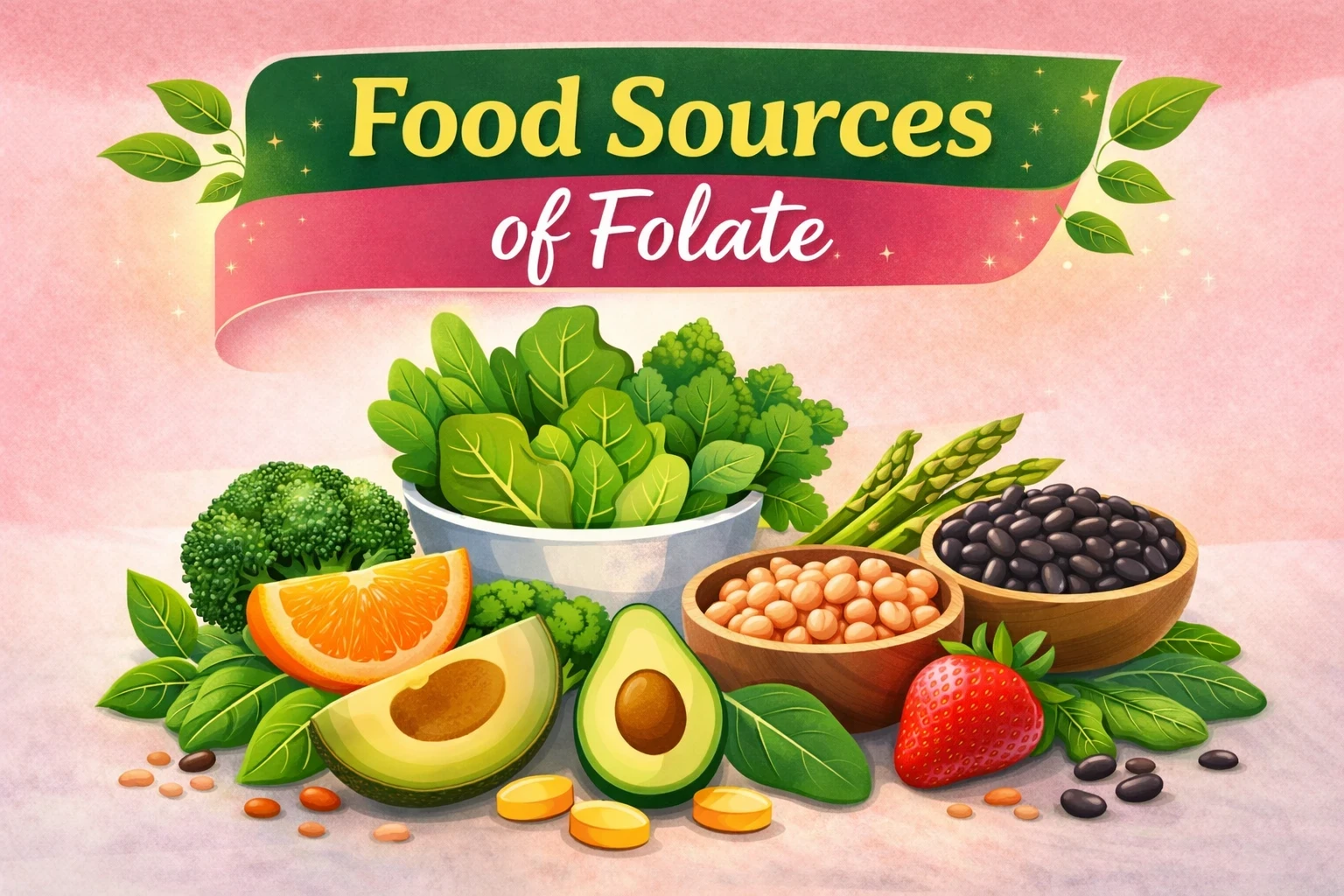
Food Sources of Folate
Natural dietary sources include:
- Spinach
- Romaine lettuce
- Lentils
- Chickpeas
- Black beans
- Avocado
- Broccoli
- Asparagus
- Citrus fruits
Light steaming helps preserve folate better than prolonged boiling.
However, dietary intake alone doesn’t always meet recommended levels, which is why fortified foods and supplements exist.
Folic Acid vs. Methylfolate
Some women carry genetic variations affecting folate conversion (commonly discussed in relation to MTHFR).
In such cases, active forms like methylfolate (5-MTHF) may be more efficiently utilized.
This does not mean standard folic acid is ineffective for most people.
It simply highlights that folic acid importance for women can be individualized when necessary.
Testing and professional guidance can help determine the best approach.
Cardiovascular and Cognitive Considerations
Folate helps regulate homocysteine levels, an amino acid associated with cardiovascular risk when elevated.
Supporting proper methylation may contribute to long-term heart health.
Emerging research also examines folate’s role in cognitive aging.
While more data is needed, maintaining adequate intake is considered foundational rather than optional.
This broader perspective further emphasizes folic acid importance for women across the lifespan.
How Much Is Enough?
General guidelines: 400 mcg daily for most adult women 600 mcg during pregnancy 500 mcg while breastfeeding
Very high doses without supervision are not recommended, as excessive folic acid can mask vitamin B12 deficiency.
Balanced intake is the goal.
A Practical Perspective Folic acid is not a miracle nutrient.
It will not instantly solve fatigue or hormonal fluctuations.
However, it forms part of the biological groundwork that allows the body to function properly.
When viewed realistically, folic acid importance for women becomes less about headlines and more about steady consistency.
If you are planning pregnancy, experiencing unexplained fatigue, or simply optimizing long-term health, ensuring adequate folate intake is a sensible foundational step.
Small nutritional decisions, repeated daily, often shape long-term outcomes more than dramatic interventions.
Scientific Study https://pubmed.ncbi.nlm.nih.gov/11475372/