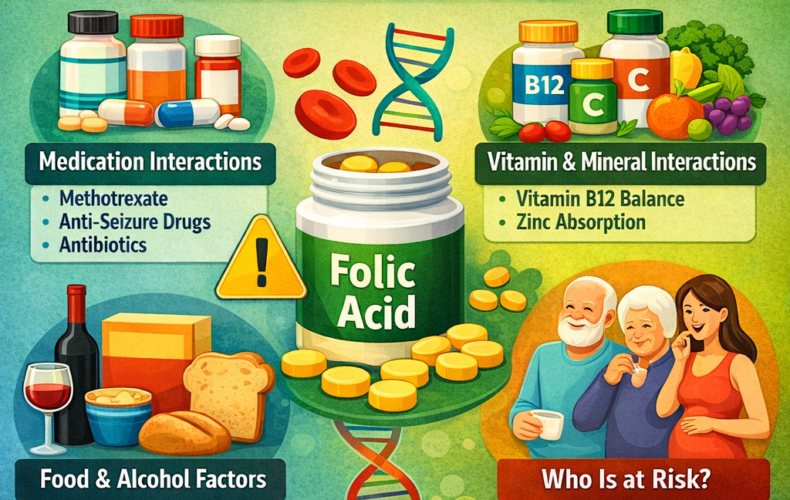
Folic Acid Interactions: What You Need To Know Before Supplementing
Folic Acid Interactions
Folic acid interactions are often overlooked, yet they can influence how well your body absorbs nutrients, responds to medications, and maintains overall balance.
If you’re taking supplements or managing a health condition, understanding these interactions can help you avoid unwanted effects and get the most from your routine.
What Are Folic Acid Interactions?
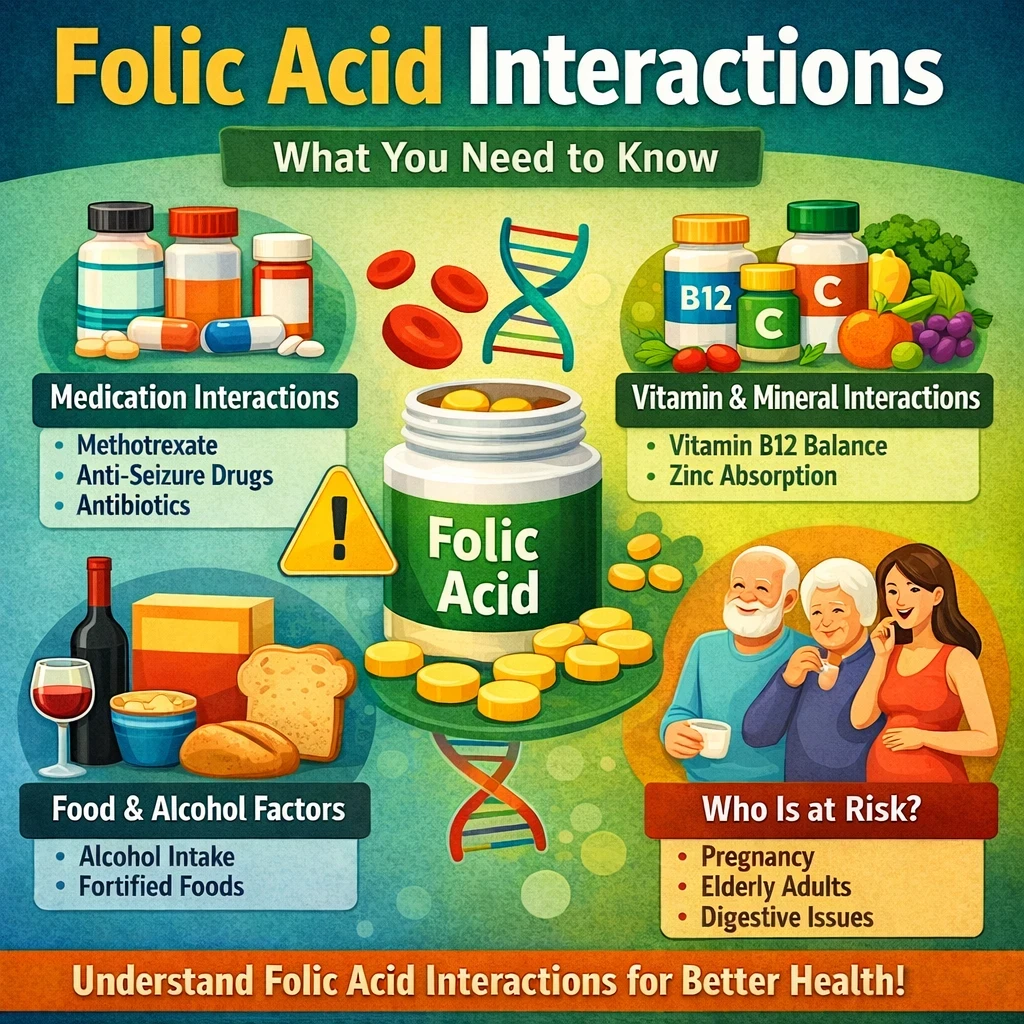
Folic acid interactions occur when folic acid (vitamin B9) affects—or is affected by—other substances in your body.
These can include medications, other vitamins, minerals, or even certain foods.
While folic acid is widely recommended for energy and red blood cell support, it’s important to understand how it fits into a broader health plan.
If you’re unsure about your intake, this guide on how to increase folic acid intake safely can help you build a balanced approach.
How Folic Acid Works in the Body
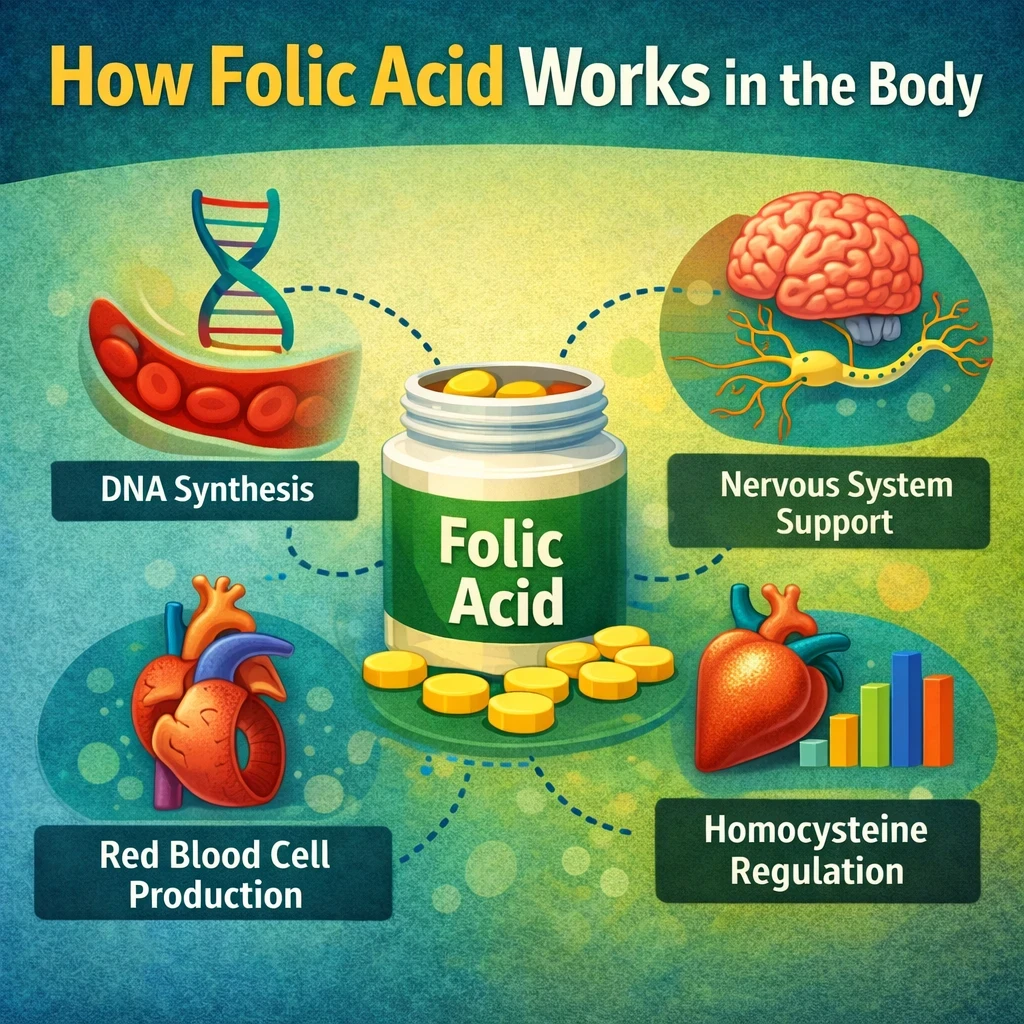
Folic acid plays a central role in DNA synthesis, cell division, and the production of healthy red blood cells.
It also supports nervous system function and helps regulate homocysteine levels, which are linked to heart health.
Because it works closely with other nutrients—especially vitamin B12—folic acid interactions can influence multiple systems.
In some cases, low levels may go unnoticed, which is why understanding the common signs of folic acid deficiency is important.
Common Medication Interactions
Some of the most important folic acid interactions involve medications.
If you are taking any long-term prescriptions, this is where awareness matters most.
Methotrexate Used for conditions like arthritis and certain cancers, methotrexate works by blocking folate activity.
Taking folic acid alongside it may reduce side effects, but timing and dosage should be carefully managed.
Anti-Seizure Medications Drugs such as phenytoin can reduce folic acid levels.
At the same time, higher doses of folic acid may affect how well these medications work.
Antibiotics
Certain antibiotics can interfere with how folic acid is absorbed or used.
While this is often temporary, it remains one of the more common folic acid interactions to consider.
Oral Contraceptives
Long-term use of birth control pills may slightly lower folate levels, which is why supplementation is sometimes recommended.
Interactions with Other Vitamins
Not all folic acid interactions are harmful, but some require attention.
Vitamin B12
This is one of the most important relationships.
Folic acid can mask a vitamin B12 deficiency by correcting anemia without addressing nerve damage.
Understanding the broader importance of folic acid for women often includes this balance.
Vitamin C
Vitamin C may support the absorption of folic acid, making it a helpful pairing. Zinc
Very high levels of folic acid could interfere with zinc absorption, although this is uncommon with standard doses.
Food-Based Interactions
Most natural food sources of folate—like leafy greens, beans, and citrus fruits—work well within a balanced diet.
However, certain factors can still influence how folic acid behaves.
Alcohol
Alcohol can reduce absorption and increase excretion of folic acid, which may lead to deficiency over time.
Fortified Foods
Many cereals and grains are fortified with folic acid.
When combined with supplements, total intake can rise quickly, increasing the likelihood of unwanted folic acid interactions.
Who Should Be Most Careful?
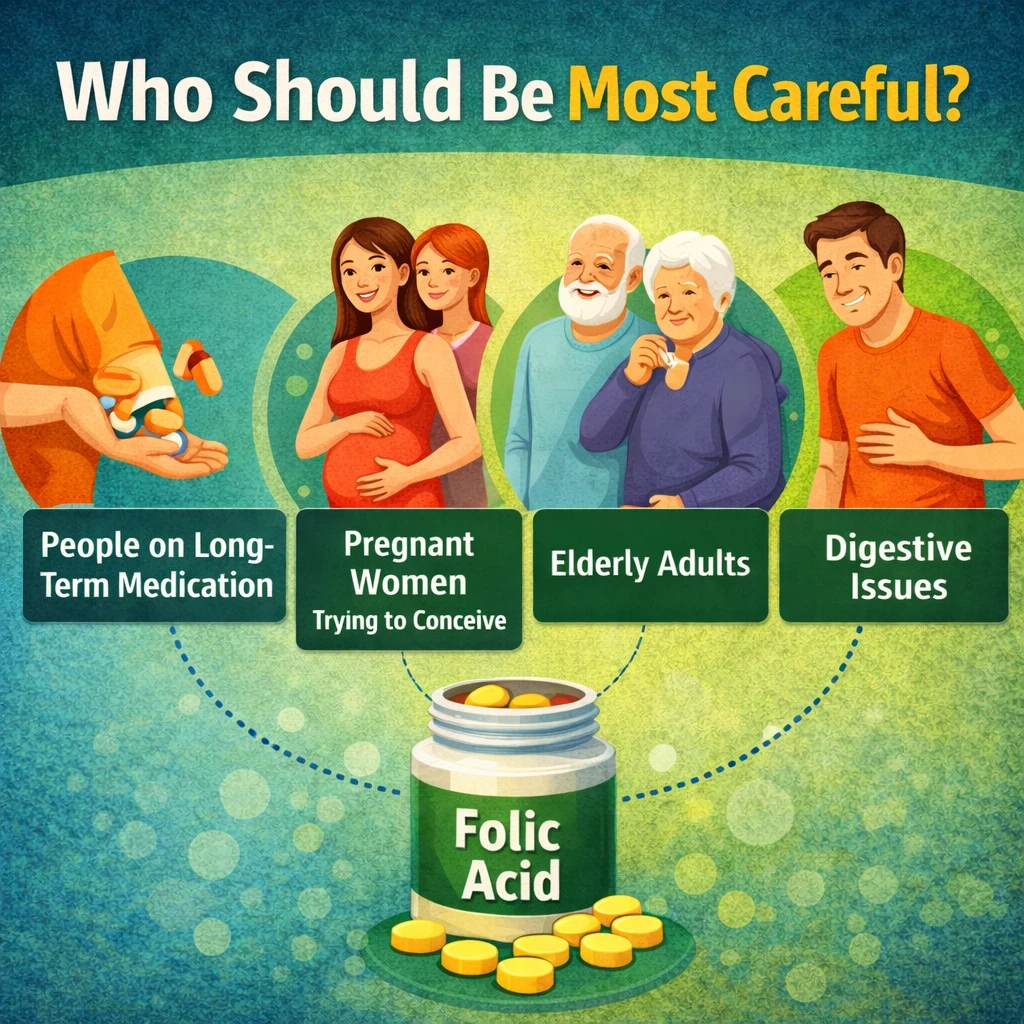
While folic acid interactions can affect anyone, some groups should pay closer attention:
People taking long-term medications
Pregnant women or those trying to conceive
Older adults (higher risk of B12 imbalance)
Individuals with digestive conditions
Anyone combining multiple supplements
Signs of Potential Interaction Issues
Not all folic acid interactions produce clear symptoms, but some signs may include:
Persistent fatigue
Numbness or tingling
Digestive discomfort
Changes in how medications feel or work
Headaches or mood changes If these appear, it may be worth reviewing your supplement routine.
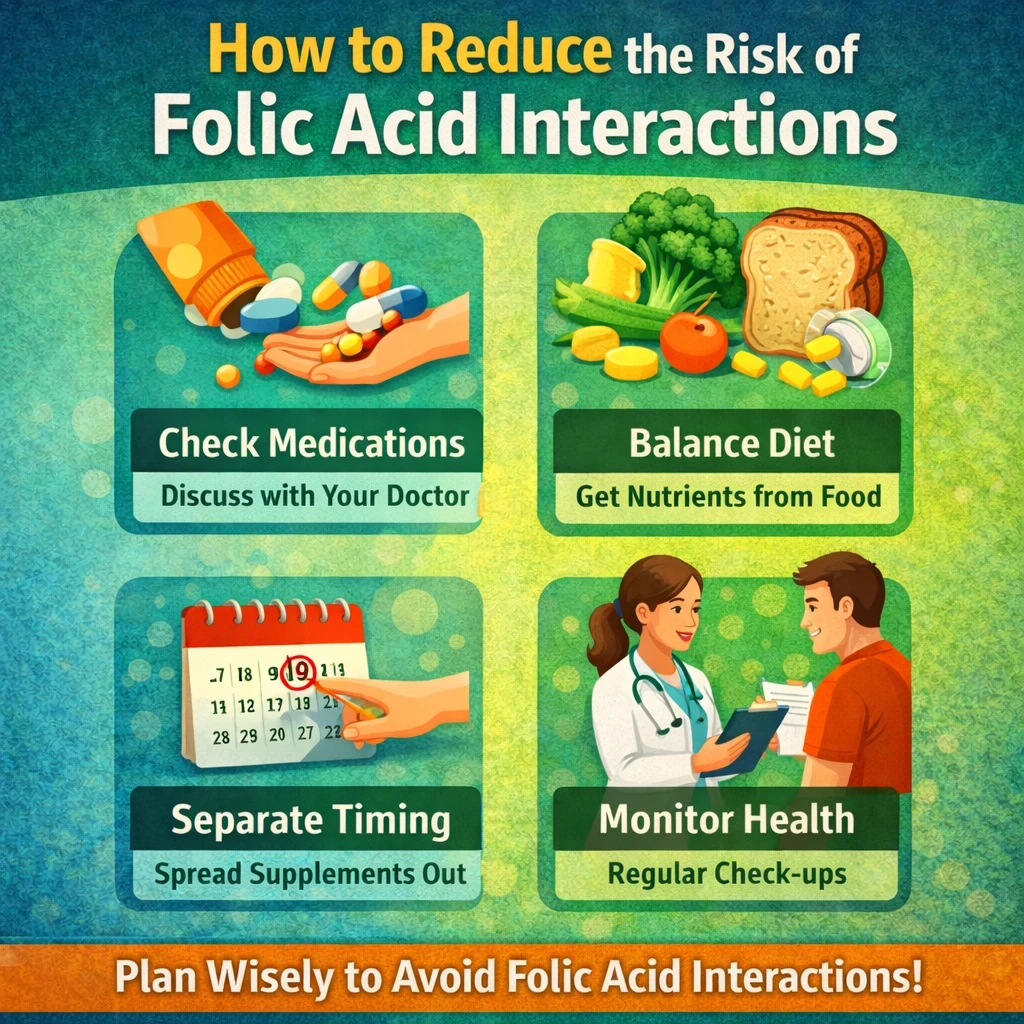
How to Reduce the Risk of Folic Acid Interactions
Managing folic acid interactions can be straightforward with a few simple steps:
Keep Doses Moderate
Stick to recommended daily amounts unless advised otherwise.
Space Out Supplements and Medications
Taking them at different times may reduce potential interference.
Maintain Nutrient Balance
Ensure adequate intake of vitamin B12 and other supporting nutrients.
Review Regularly
As your routine changes, revisit how different elements interact.
Choosing Quality Supplements
Not all supplements offer the same quality.
When selecting folic acid, look for:
Clear dosage information
Trusted manufacturing standards
Bioavailable forms where appropriate
Minimal unnecessary additives
Shop for Quality Assured Folic Acid Supplements Here
Limitations and Balanced Perspective
While folic acid interactions are important, they should not cause unnecessary concern.
For most people, folic acid remains safe and beneficial when used appropriately.
The goal is awareness—so you can make informed decisions without overcomplicating your routine.
Frequently Asked Questions
Can I take folic acid with other supplements?
Yes, but balance matters—especially with vitamin B12.
Does folic acid interact with food?
Not usually in a harmful way, though alcohol and fortified foods can influence levels.
Should I avoid folic acid if I take medication?
Not necessarily. Many people take both safely, but timing and dosage may need adjusting.
Is daily use safe?
For most individuals, daily use within recommended limits is considered safe. Scientific Study https://pubmed.ncbi.nlm.nih.gov/26828503/
