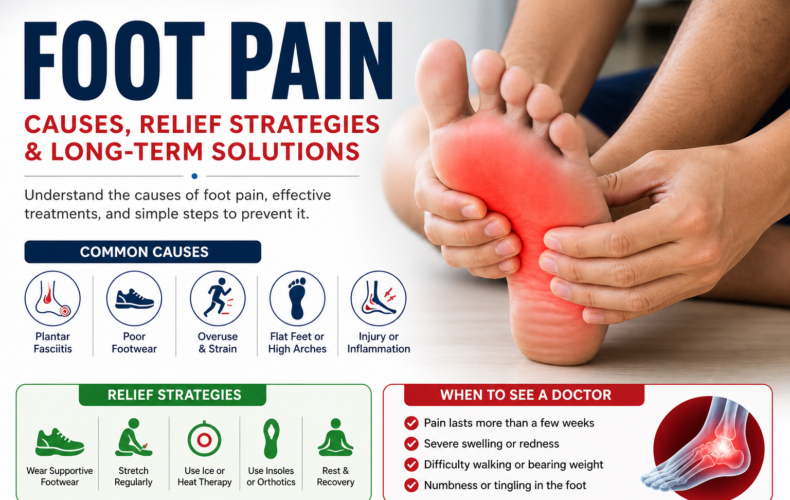
Foot Pain: Causes, Relief Strategies, And Long-Term Solutions
Foot Pain: Causes, Relief Strategies, and Long-Term Solutions
Foot pain is one of the most common physical complaints and can affect people of all ages. Whether it shows up as heel discomfort first thing in the morning or a dull ache after a long day on your feet, it can quickly interfere with daily life. Left unaddressed, it may also impact how you move, leading to wider issues in the body.
Understanding the causes of foot pain and taking consistent action early can make a significant difference. This guide explores the most common reasons behind it, practical ways to relieve it, and how to prevent it from returning.
What Is Foot Pain?
Foot pain refers to discomfort in any part of the foot, including the heel, arch, toes, or outer edge. It may develop suddenly due to injury or gradually as a result of repeated stress and strain.
In many cases, this condition is linked to pressure placed on the structures of the foot over time. Muscles, ligaments, and tendons can become overloaded, especially when support and recovery are lacking.
Common Causes of Foot Pain
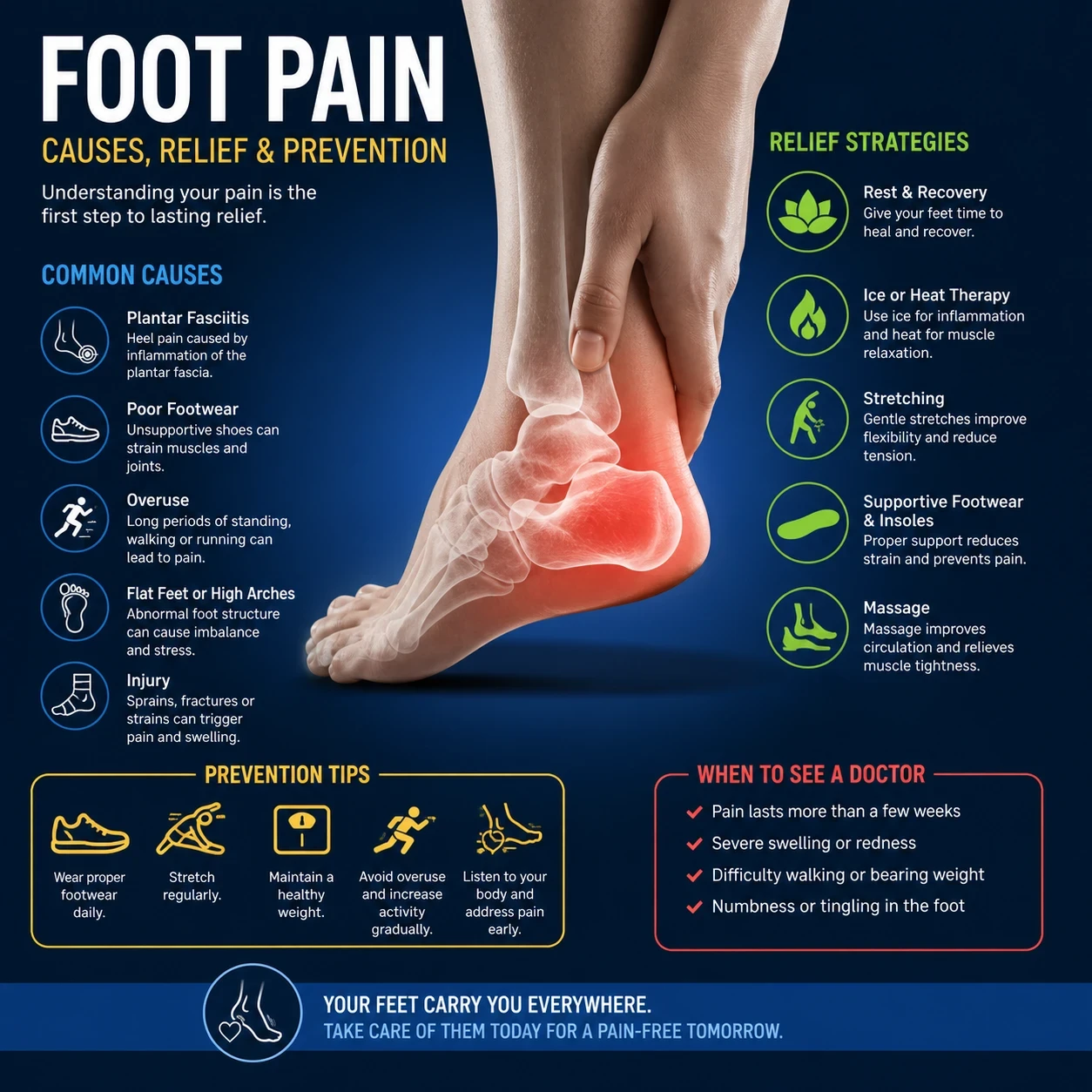
There are several well-known causes behind this condition. Identifying the source is key to choosing the right treatment.
- Plantar fasciitis, often causing sharp heel discomfort
- Flat feet or high arches leading to imbalance
- Overuse from walking, running, or standing for long periods
- Poor footwear that lacks support or cushioning
- Inflammation in tendons and ligaments
- Nerve irritation or compression
Foot pain is often part of a wider pattern of discomfort in the body. You can explore this further in chronic pain treatment options for body pain.
Early Signs to Watch
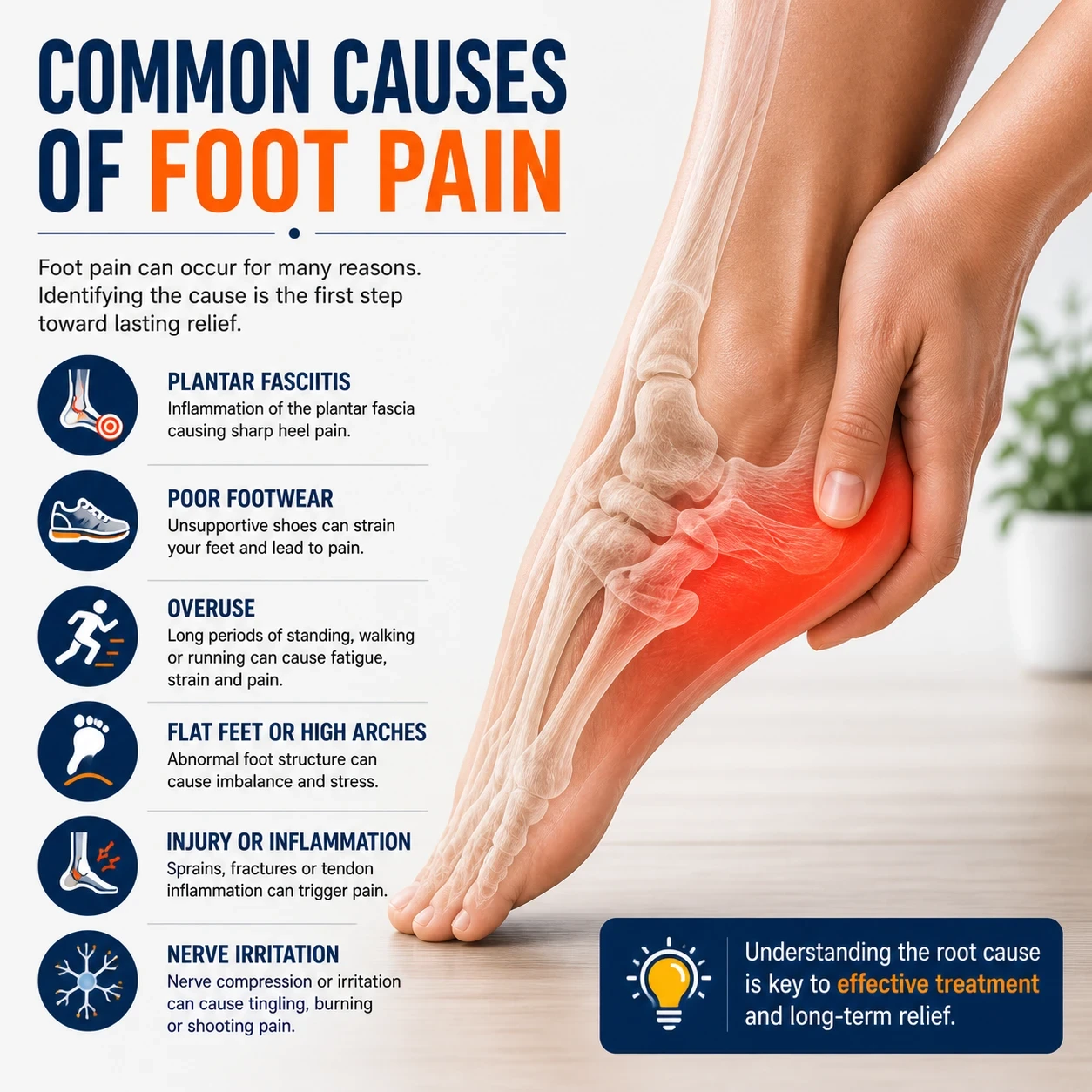
Foot pain rarely starts at full intensity. It often begins with small warning signs that are easy to overlook.
- Stiffness when taking the first steps in the morning
- Aching in the arch after activity
- Tenderness in the heel
- Mild swelling around the foot
- Tingling or burning sensations
Paying attention to these early signs can help you take action before it becomes more persistent.
How It Affects the Whole Body
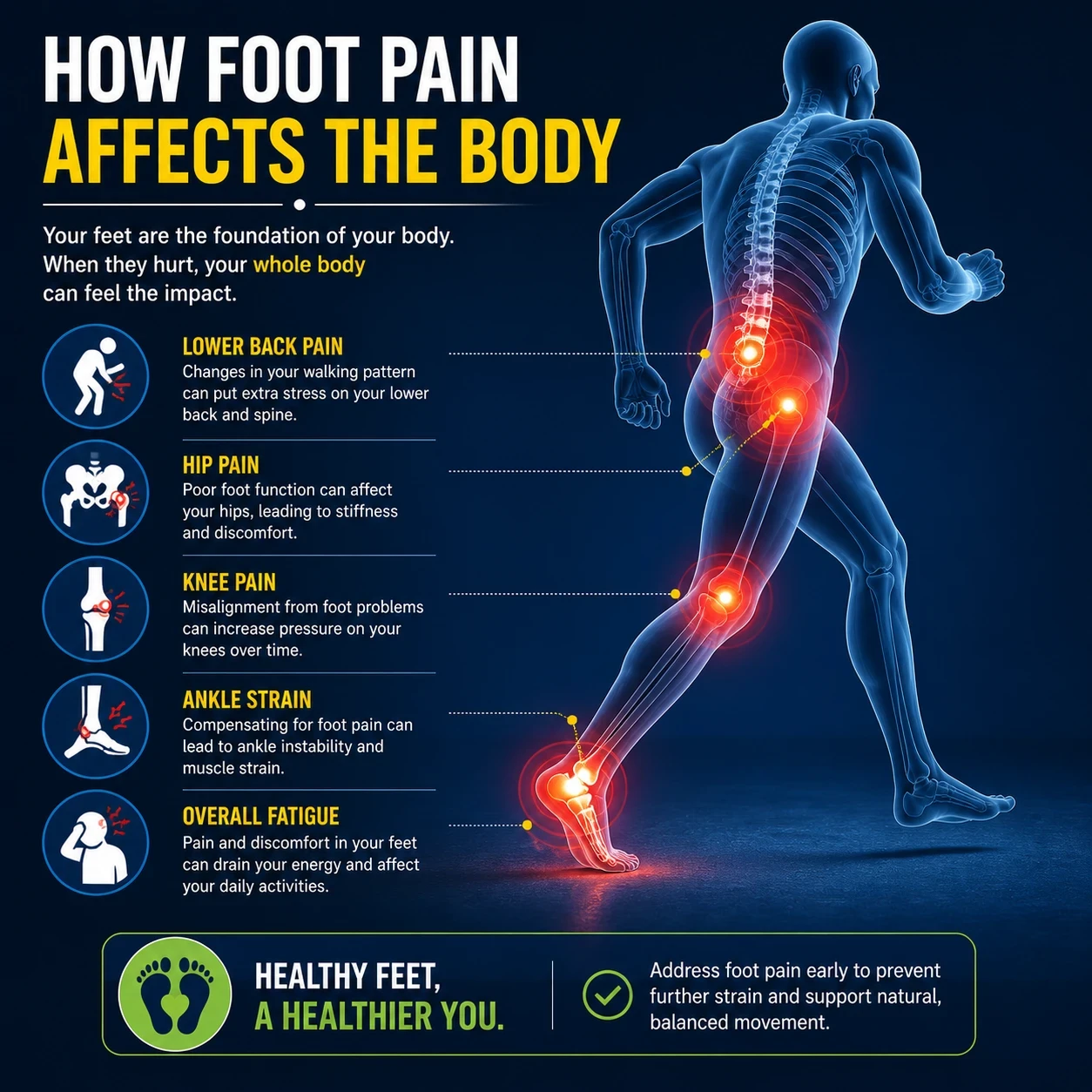
Your feet are the foundation of your movement. When foot pain develops, your body naturally adjusts to avoid discomfort. This often changes how you walk, stand, and move.
Over time, these adjustments can lead to strain in the knees, hips, and lower back. This is why the issue is rarely just local—it can influence the entire body.
Inflammation plays a role in many of these conditions. Supporting the body’s natural response may help reduce symptoms. You can learn more about this in how to use cbd for joint pain.
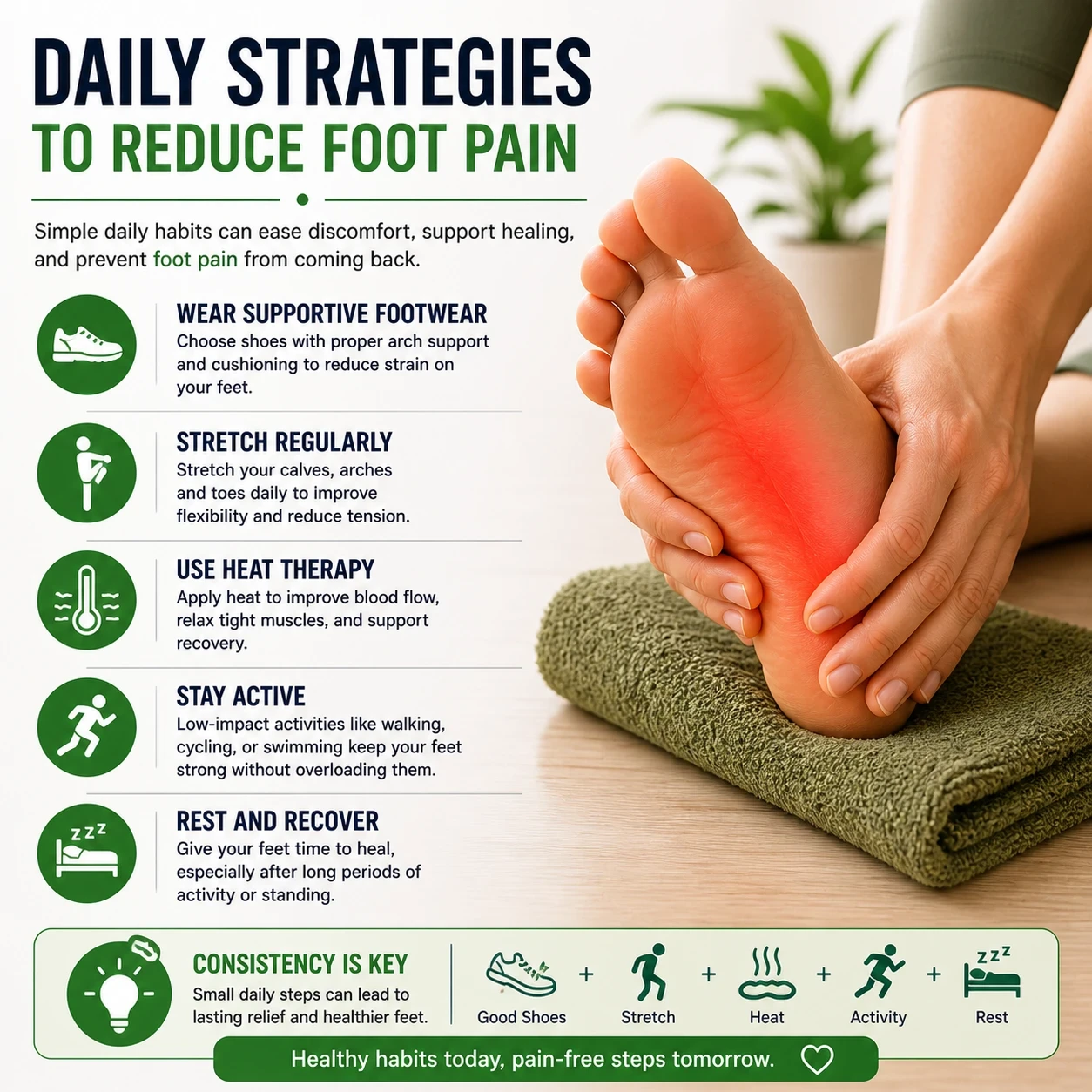
Daily Strategies to Reduce Discomfort
Consistent daily habits can significantly reduce strain and support recovery. These simple steps are often more effective than quick fixes.
Wear Supportive Footwear
Footwear plays a major role in managing this issue. Shoes with proper arch support and cushioning reduce stress and improve alignment.
Stretch and Mobilise
Stretching the calves and plantar fascia helps release tension. Gentle mobility exercises improve flexibility and reduce stiffness.
Use Heat Therapy
Heat helps increase blood flow and relax tight muscles. This can support healing and reduce discomfort over time.
For a deeper understanding, see heat therapy benefits for chronic pain.
Balance Activity and Rest
Too much activity can worsen symptoms, but too little movement can also slow recovery. Finding the right balance is essential.
Maintain Healthy Movement
Low-impact activities such as walking or gentle stretching can keep the area active without overloading it.
When It Becomes Chronic
Foot pain can become chronic when it persists for several weeks or months. This often happens when the underlying cause is not addressed.
Chronic cases may involve ongoing inflammation, changes in movement patterns, and increased sensitivity in the nervous system.
Understanding long-term pain patterns can help you manage them more effectively. Learn more in what is chronic pain a clear human explanation.
Natural Ways to Support Recovery
Natural strategies aim to support the body’s recovery process rather than simply masking symptoms.
- Improving circulation through heat
- Reducing inflammation through lifestyle choices
- Using supportive tools to reduce strain
- Staying consistent with gentle movement
These approaches work best when used together over time rather than relying on a single solution.
Support Tools That Can Help
Various tools can support recovery and make managing discomfort easier.
- Infrared heat therapy devices for deeper warmth
- Orthotic insoles to improve alignment
- Foot rollers or massage tools
- Heated wraps for targeted relief
Using these tools alongside daily habits can enhance results.
How Long Does It Take to Heal?
The recovery timeline depends on the cause and severity.
- Mild cases may improve within days or weeks
- Moderate cases can take several weeks
- Chronic conditions may require ongoing management
Consistency is one of the most important factors in recovery.
How to Prevent It
Preventing this issue is often simpler than treating it once it becomes established.
- Choose supportive footwear every day
- Avoid sudden increases in physical activity
- Stretch regularly to maintain flexibility
- Respond quickly to early symptoms
These small steps can make a big difference over time.
Lifestyle Factors That Influence It
Several lifestyle factors can increase or reduce the likelihood of developing problems in the feet.
Body weight plays a role, as extra load places more stress on the feet. Activity levels also matter—both excessive activity and inactivity can contribute.
Nutrition, hydration, and sleep influence how well the body recovers. Supporting overall health can indirectly improve outcomes.
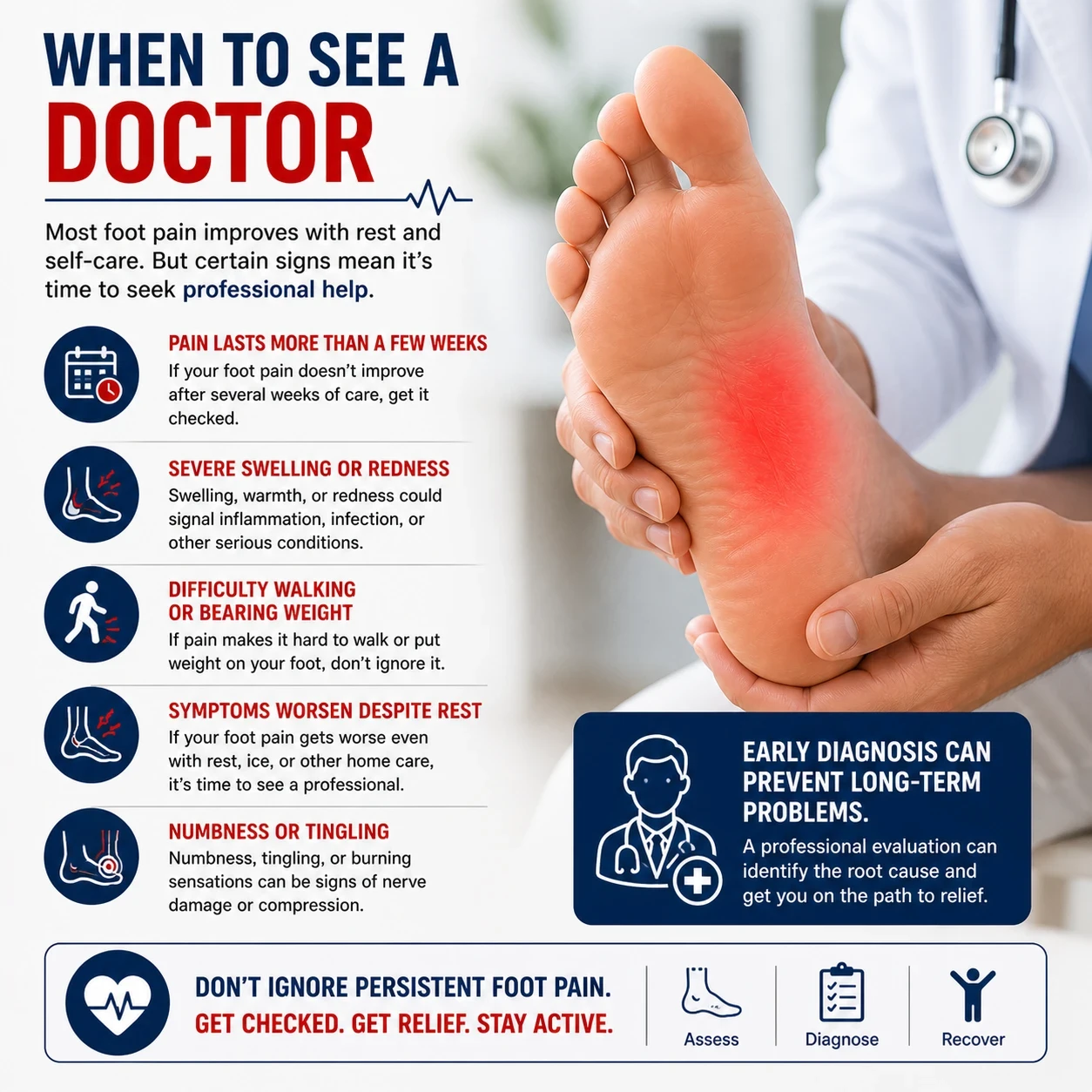
When to Seek Professional Help
While many cases can be managed at home, some situations require professional input.
- Persistent discomfort lasting several weeks
- Severe swelling or inflammation
- Difficulty walking or bearing weight
- Symptoms that worsen despite rest
Early assessment can help prevent long-term complications.
Frequently Asked Questions
What is the most common cause of foot pain?
Plantar fasciitis is one of the leading causes, especially affecting the heel.
Can it go away on its own?
Mild cases may improve with rest and care, but ongoing issues usually need a structured approach.
Is walking helpful?
Gentle walking can support recovery, but overdoing it may worsen symptoms.
Does heat help?
Yes, heat can relax tissues and improve circulation, which may reduce discomfort.
How can I prevent it long term?
Wearing supportive footwear, staying active, and addressing early symptoms are key.
Final Thoughts
Foot pain can start as a small issue but quickly develop into a bigger problem if ignored. The good news is that most cases respond well to simple, consistent strategies. By understanding the causes and taking early action, you can reduce discomfort and protect your long-term mobility.
Focusing on daily habits, supportive tools, and early intervention gives you the best chance of long-term relief.
Scientific Study
https://pubmed.ncbi.nlm.nih.gov/32679439/
