TENS Machine Effectiveness: Does It Really Work For Pain Relief?
TENS Machine Effectiveness: Does It Really Work for Pain Relief?
If you’re wondering whether TENS machine effectiveness is real or just marketing hype, you’re not alone. These small, portable devices are widely used for pain relief, but results can vary depending on how and when they’re used. The good news is that for many people, TENS machines offer a simple, drug-free way to reduce discomfort and improve daily function.
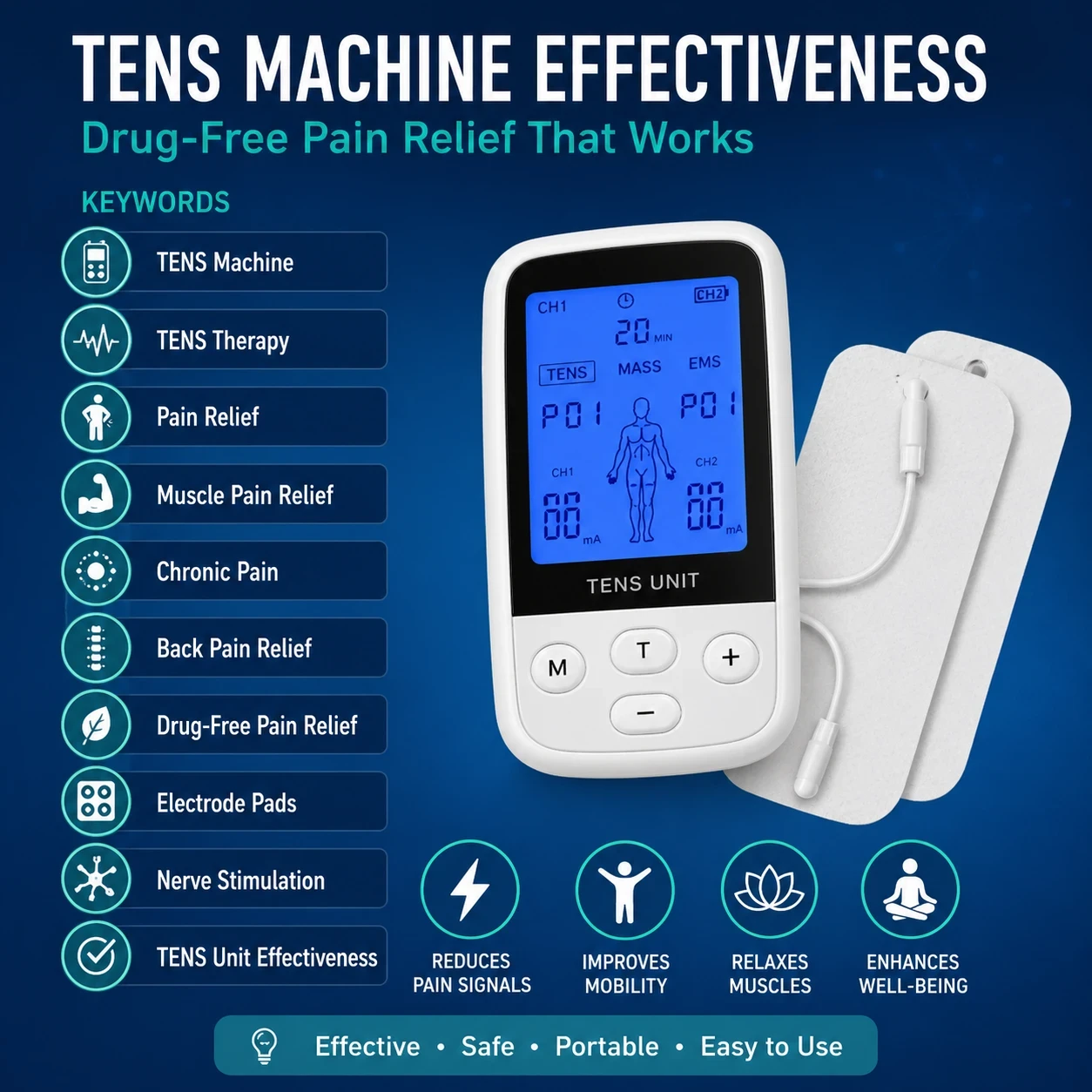
What Is a TENS Machine and How Does It Work?
A TENS (Transcutaneous Electrical Nerve Stimulation) machine delivers small electrical pulses through pads placed on the skin. These pulses interact with your nervous system in two key ways.
- They help block pain signals from reaching the brain
- They stimulate the release of natural pain-relieving chemicals called endorphins
This combination is what drives TENS machine effectiveness. Instead of treating the underlying cause, the device focuses on how your body processes pain, which can make symptoms feel much more manageable.
For a deeper explanation, see what is TENS therapy and how does it work.
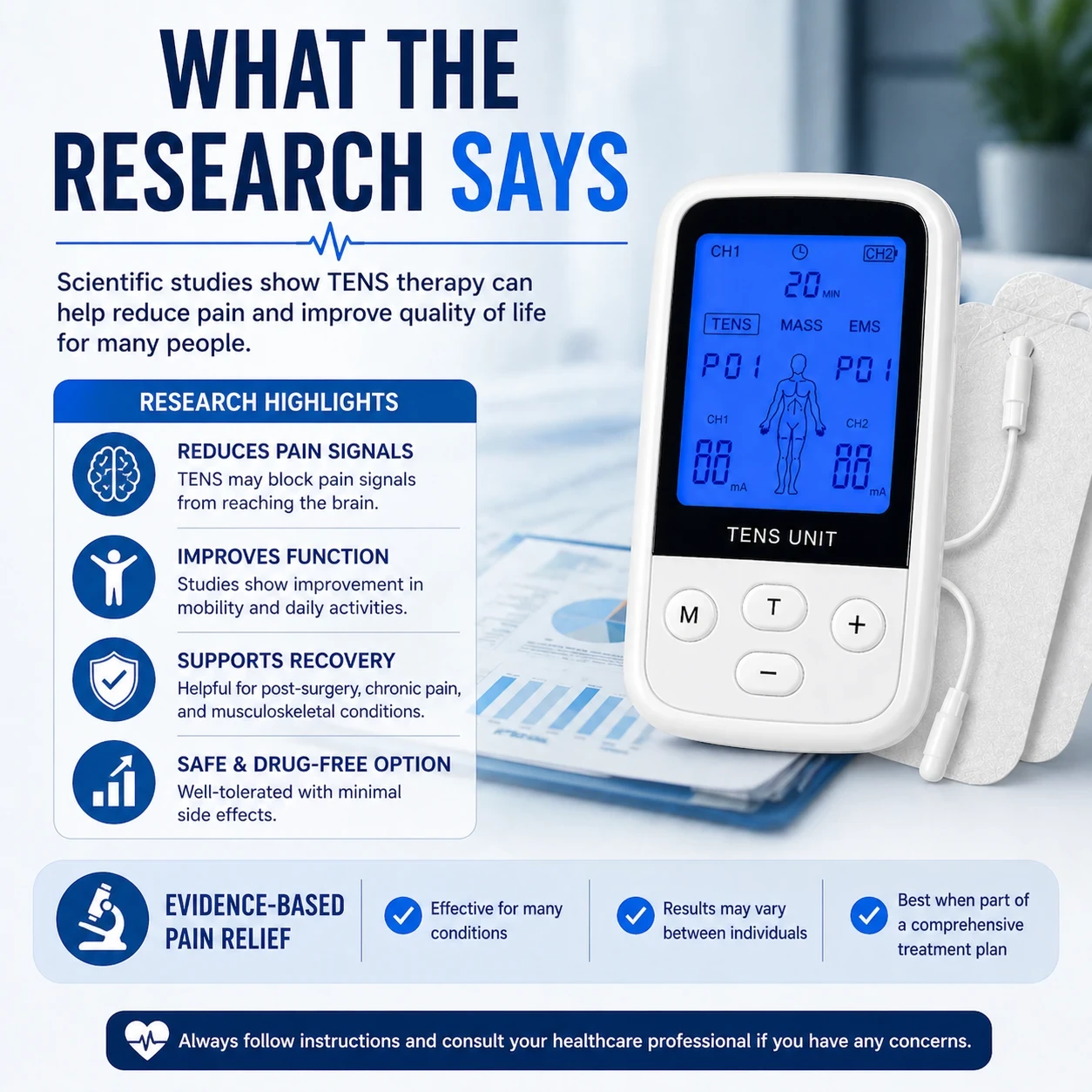
TENS Machine Effectiveness: What the Research Suggests
The research behind TENS machine effectiveness shows mixed but generally positive outcomes. Many studies suggest that TENS can reduce pain intensity during use, particularly for musculoskeletal conditions and nerve-related discomfort.
However, it’s important to understand that:
- Relief often occurs while the device is in use
- Results vary from person to person
- It tends to work best as part of a broader pain management plan
This explains why some users rely on it daily, while others may only use it occasionally during flare-ups.
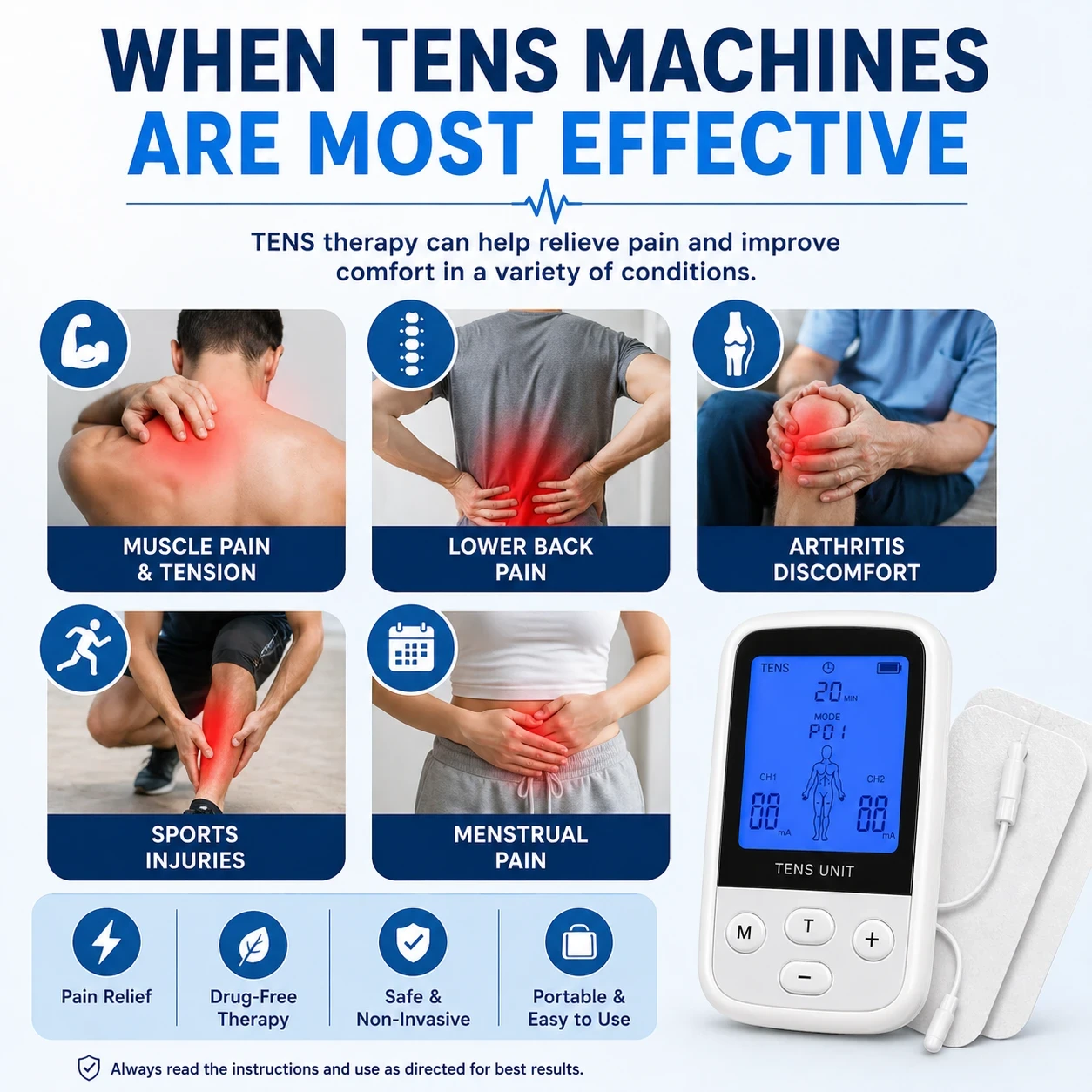
When TENS Machines Are Most Effective
The level of TENS machine effectiveness depends heavily on the type of pain you’re dealing with. It tends to perform best in the following situations:
- Muscle pain and tightness from overuse or strain
- Lower back pain, especially from sitting or lifting
- Arthritis-related joint discomfort
- Sports injuries during recovery phases
- Menstrual pain and abdominal cramping
In these cases, TENS therapy can reduce discomfort enough to help you stay active, which is often a key part of long-term recovery.
You can explore more use cases in what are TENS units used for.
Choosing a Quality TENS Machine
If you want to get the most out of TENS machine effectiveness, the quality of the device and how you use it both matter.
Look for devices that offer:
- Adjustable intensity levels
- Multiple therapy modes
- Durable, reusable electrode pads
- Clear and simple controls
- Portable, lightweight design
Reliable devices tend to deliver smoother stimulation, which makes sessions more comfortable and consistent.
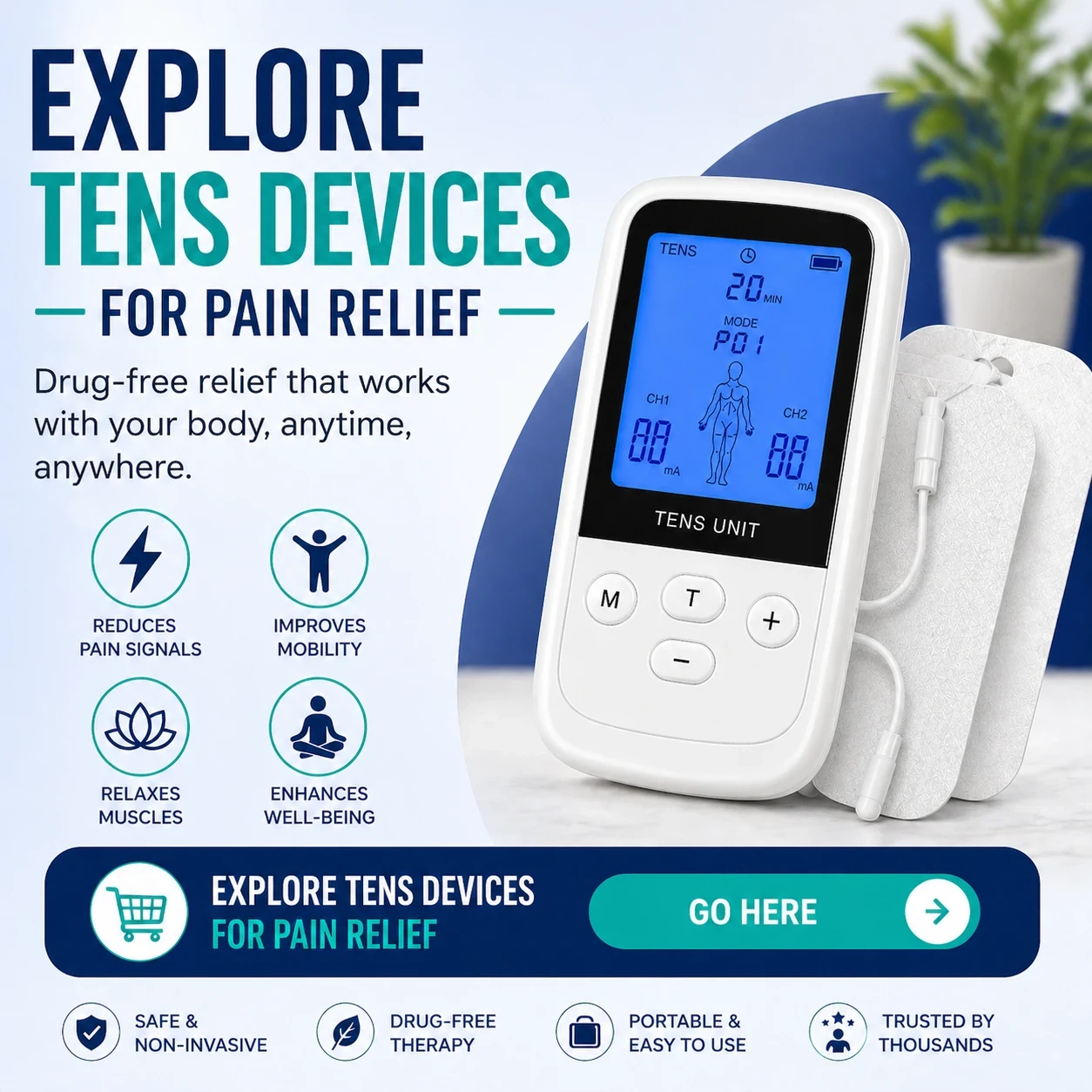
Explore TENS Devices for Pain Relief
If you’re ready to try a device for yourself, you can browse a range of trusted options here:
Explore TENS devices for pain relief
What Affects TENS Machine Effectiveness?
Many people underestimate how much technique influences TENS machine effectiveness. Small adjustments can dramatically change your results.
Key factors include:
- Pad placement: Positioning pads around the pain area improves signal targeting
- Intensity level: Strong but comfortable stimulation works best
- Session timing: Using it during pain flare-ups increases impact
- Consistency: Regular use often leads to better outcomes
Getting these basics right can make the difference between minimal relief and noticeable improvement.
Common Mistakes That Reduce Results
If TENS machine effectiveness feels lower than expected, a few common mistakes could be the reason.
- Using intensity that is too low to be effective
- Placing pads directly on the pain instead of around it
- Using the device inconsistently
- Stopping sessions too early
Correcting these issues often leads to much better results without changing the device itself.
Limitations You Should Know
While TENS machine effectiveness can be impressive, it’s important to keep expectations realistic.
- It does not treat the root cause of pain
- Relief is usually temporary
- Some individuals may not respond at all
Think of it as a supportive tool rather than a complete solution.
Is It Safe to Use?
TENS machines are generally safe when used correctly, which adds to their appeal as a non-drug option.
However, you should avoid using one if you have:
- A pacemaker or implanted electrical device
- Epilepsy or certain neurological conditions
- Heart rhythm issues
- Pregnancy, unless advised by a professional
Most side effects are mild, with occasional skin irritation being the most common.
How to Get the Best Results
To maximise TENS machine effectiveness, keep your approach simple and consistent.
- Start with 15–30 minute sessions
- Increase intensity gradually
- Use during periods of discomfort
- Adjust pad placement as needed
These small habits can significantly improve your experience over time.
Balanced Verdict: Is It Worth Trying?
TENS machines offer a practical, low-risk option for managing pain. They are easy to use, portable, and completely drug-free.
For many people, TENS machine effectiveness becomes clear after just a few sessions. For others, it may take some trial and error to find the right settings and placement.
If you’re looking for a simple way to support pain relief without relying on medication, it’s definitely worth trying as part of a broader strategy.
Scientific Studies
https://pubmed.ncbi.nlm.nih.gov/23324818/
https://pubmed.ncbi.nlm.nih.gov/30891686/
