What to Do If Pain Relief Stops
If you’re searching for what to do if pain relief stops, you’re likely feeling frustrated — maybe even discouraged.
Something was working. You finally felt some control. And now it doesn’t seem to help the way it used to.
Before you panic, pause.
When people ask what to do if pain relief stops, the assumption is often that the condition has worsened.
In reality, pain is dynamic.
It shifts with stress, sleep, movement, and nervous system sensitivity.
A change in response does not automatically mean damage has increased.
It usually means something in the system has changed.
Why Pain Relief Can Fade Over Time
Understanding what to do if pain relief stops begins with understanding how pain works.
Pain isn’t just about tissues or inflammation.
It is influenced by your nervous system, sleep quality, emotional stress, and activity levels.
When those factors shift, your response to treatment can shift too.
Common reasons pain relief fades include:
Increased stress load
Poor or disrupted sleep
Reduced daily movement
Nervous system sensitization
Medication or supplement tolerance
If you need a deeper look at long-term pain drivers, revisit:
https://beyond-pain-relief.com/what-causes-chronic-joint-pain/
Often, when pain relief stops, the body hasn’t “failed” — it has adapted.
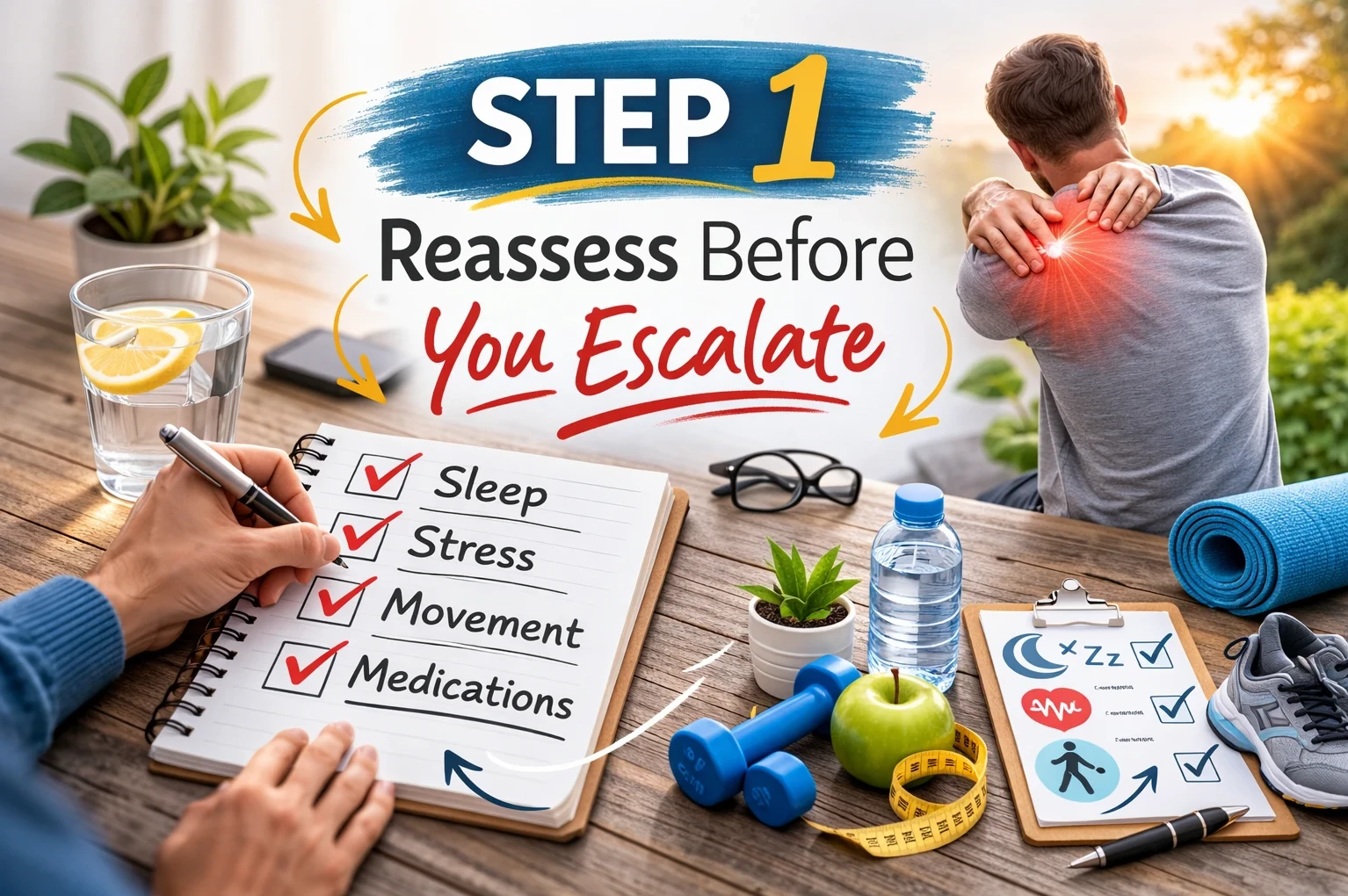
Step 1: Reassess Before You Escalate
A big part of what to do if pain relief stops is resisting the urge to immediately increase dosage or add more products.
Instead, ask yourself:
Has my stress increased recently?
Am I sleeping less or waking more?
Have I been moving less than usual?
Did I change brands or timing?
Sleep disruption alone can heighten pain sensitivity.
A stressful week can amplify symptoms without any structural change.
Stabilise the foundations first:
Consistent sleep routine
Adequate hydration
Gentle daily mobility
Nervous system calming practices
These basics often restore responsiveness.
Step 2: Adjust Strategy — Don’t Just Add
Another important part of what to do if pain relief stops is shifting from escalation to adaptation.
If you’ve relied heavily on one intervention, your body may have become less responsive. Instead of stacking more of the same, consider:
Rotating supplements with guidance
Adjusting timing
Introducing active therapies
Adding structured mobility work
If your approach has focused mostly on anti-inflammatory supplements, expanding your strategy may help:
https://beyond-pain-relief.com/natural-remedies-for-joint-pain/
Layered approaches tend to last longer than single-lever fixes.
Step 3: Calm a Sensitive Nervous System
Sometimes what to do if pain relief stops has little to do with inflammation and more to do with sensitivity.
You might notice:
Increased stress reactivity
Minor movements triggering flare-ups
Light touch feeling unusually intense
This suggests nervous system sensitization.
Helpful additions may include:
Slow breathing exercises
Short mindfulness sessions
Graded exposure to movement
Reducing catastrophic thinking
If you want a refresher on the broader chronic pain model, revisit:
https://beyond-pain-relief.com/what-is-chronic-pain-a-clear-human-explanation/
When the nervous system settles, treatments often regain effectiveness.
Step 4: Reintroduce Movement Gently
Protective inactivity is a quiet reason pain relief can stall.
When symptoms flare, people understandably reduce movement.
Over time, this lowers tissue tolerance and increases stiffness.
A practical answer to what to do if pain relief stops is gradual re-exposure:
5–10 minutes of light mobility
Low-load strength exercises
Short daily walks
Consistency matters more than intensity.
Your system responds to steady input.
Step 5: Review Medications Safely
If prescription medication has lost its effect, part of what to do if pain relief stops is scheduling a professional review.
Do not increase dosage independently.
Instead:
Discuss possible tolerance
Explore rotation options
Rule out new contributing factors
Consider adjunct therapies
Sometimes adaptation is simple. Other times, a new factor is influencing symptoms.
A calm, structured review protects long-term outcomes.
Step 6: Expand Instead of Intensify
A sustainable answer to what to do if pain relief stops is broadening your approach rather than pushing harder on one intervention.
Effective combinations may include:
Physical therapy plus supplementation
Stress regulation plus medication
Mobility work plus sleep optimisation
Pain rarely responds to one isolated strategy long term.
Combination therapy spreads the load.
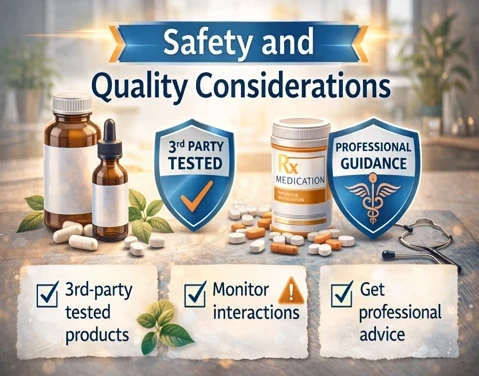
Safety and Quality Considerations
If adjusting supplements:
Choose third-party tested products
Avoid stacking similar compounds
Monitor for interactions
If adjusting medication:
Seek medical guidance
Avoid abrupt changes
Safety should anchor every decision.
A Balanced Perspective
So, what to do if pain relief stops?
Pause. Reassess. Strengthen the basics. Calm the nervous system.
Reintroduce movement. Expand thoughtfully. Seek professional input when needed.
When pain relief stops, it is often a signal to adapt — not a sign of failure.
Pain management is iterative. Strategies evolve because bodies evolve.
And adaptive systems can be guided back toward stability.
Scientific Study Links
https://pubmed.ncbi.nlm.nih.gov/19692837/
https://pubmed.ncbi.nlm.nih.gov/18977753/